
The Complete Story of God of War: Timeline Explained
The story of God of War is an epic saga of vengeance, redemption, and mythic upheaval.
Anúncios
Spanning Greek and Norse pantheons, Kratos’ journey is one of gaming’s most gripping narratives.
But how did the Ghost of Sparta evolve from a rage-fueled warrior to a reluctant father and god killer?
This deep dive unpacks every pivotal moment, hidden lore, and seismic shift in the franchise’s timeline—while debunking common misconceptions.
The narrative intricacies are not just about action; they explore themes of loss, guilt, and the struggle for identity.
Each installment builds upon the last, creating a rich tapestry that resonates with players.
As we navigate through Kratos’ tumultuous journey, we uncover the profound connections between his past and present.
The storytelling in God of War challenges players to reflect on their own choices and the consequences that follow.
Through its immersive world and character development, the franchise has set a new standard for narrative depth in video games.
From Mortal to Monster: The Greek Era
Kratos wasn’t born a god.
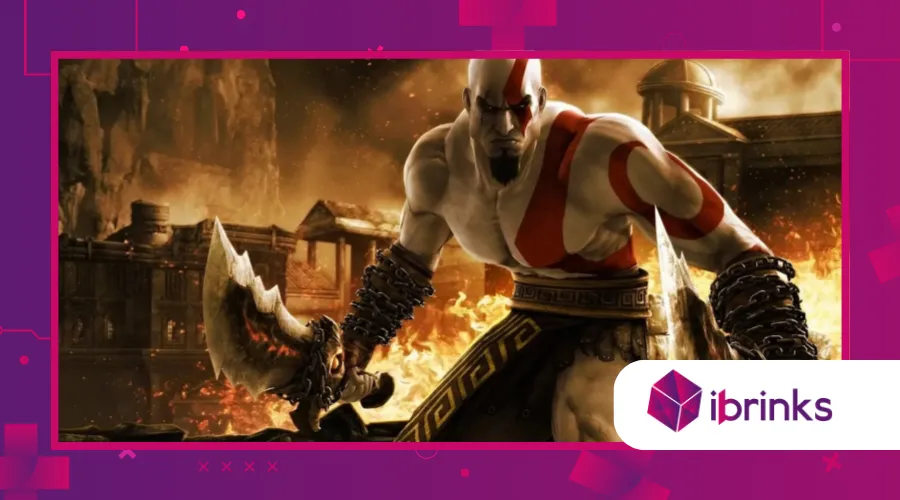
His origins trace back to Sparta, where he was a formidable general until a fateful pact with Ares twisted his destiny.
Tricked into slaughtering his own family, his quest for vengeance became the cornerstone of the story of God of War.
Key Events in the Greek Saga
| Game | Major Plot Points |
|---|---|
| God of War (2005) | Kratos serves the Olympians, betrays Ares, and ascends as the new God of War. |
| God of War II | Zeus betrays Kratos, who time-travels to rewrite his fate. |
| God of War III | The Ghost of Sparta annihilates Olympus in one of gaming’s most brutal finales. |
The Greek era was defined by unchecked fury.
Kratos’ body count included Titans, gods, and even innocents—earning him a reputation as gaming’s most destructive antihero.
But was his rampage justified, or did he become the very monster he sought to destroy?
As we delve deeper into his motivations, we see a character driven by pain and betrayal.
Each battle was not just a fight for survival, but a quest for redemption.
The complexity of his character adds layers to the narrative, making players question the morality of his choices.
Moreover, the tragic elements of his backstory compel players to empathize with his plight, despite his violent tendencies.
The philosophical questions raised during his journey resonate with audiences, prompting discussions about fate, choice, and the nature of power.
A New Beginning: The Norse Rebirth
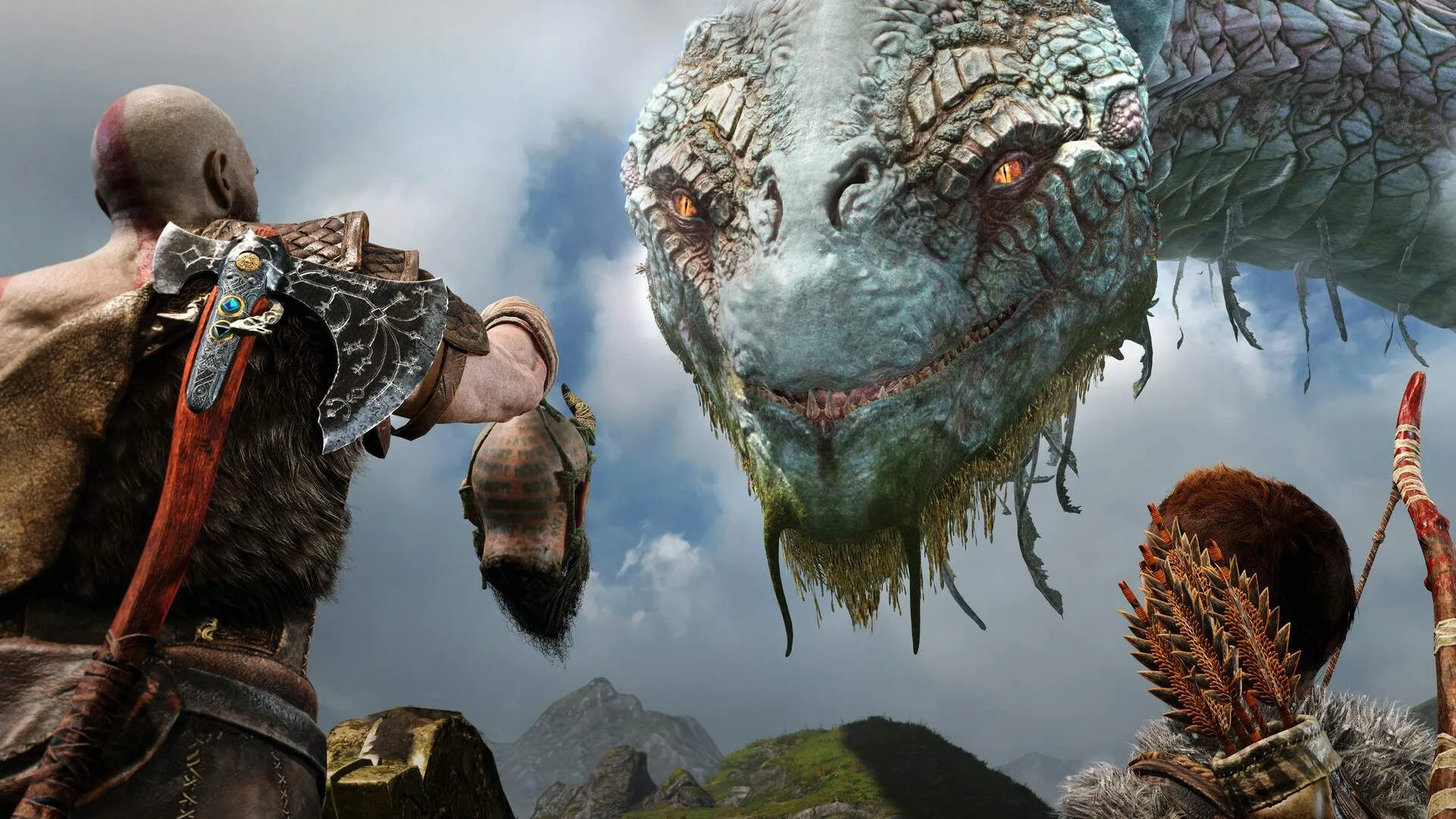
After reducing Greece to ruins, Kratos fled to Midgard, seeking anonymity.
Yet, the story of God of War took a seismic turn in 2018’s soft reboot.
No longer a mindless berserker, he became a mentor to Atreus—a boy unaware of his divine lineage.
+ Why Is The Last of Us One of the Best Games of All Time?
The Norse Timeline Unfolded
| Game | Core Themes |
|---|---|
| God of War (2018) | Fatherhood, legacy, and breaking cycles of violence. |
| God of War: Ragnarök | Prophecy vs. free will, with Odin as the ultimate manipulator. |
Unlike the Greek saga’s spectacle, the Norse storyline thrives on intimacy.
The Leviathan Axe replaced the Blades of Chaos, symbolizing Kratos’ restraint.
Even combat evolved—methodical and deliberate, mirroring his growth.
This transition from chaos to calm is reflected in his relationship with Atreus.
As a father, Kratos grapples with his past while trying to forge a better future for his son.
The emotional stakes are higher, making the narrative more relatable and grounded.
Additionally, the Norse setting allows for a deeper exploration of mythology, presenting new characters and conflicts that enrich the story.
The dynamic between Kratos and Atreus serves as a poignant reminder of the importance of family and legacy in shaping one's identity.
Hidden Lore & Controversial Twists
The story of God of War is rife with subtle details.
For instance:
- The Jörmungandr Paradox: The World Serpent is sent back in time, creating a bootstrap paradox.
- Tyr’s Imprisonment: The real Tyr was hidden by Odin, a twist that recontextualizes the entire Norse arc.
A 2022 IGN survey revealed that 68% of players missed Tyr’s true identity on their first playthrough—proof of Santa Monica Studio’s masterful storytelling.
These intricacies invite players to engage with the lore on a deeper level.
Every detail adds richness to the world, encouraging exploration and discussion.
The narrative complexity enhances replayability, as players uncover new layers with each playthrough.
Additionally, the hidden lore often rewards those who take the time to investigate the environment and interact with NPCs.
This attention to detail not only enriches the gameplay experience but also fosters a sense of community among fans who share discoveries and theories.
For those interested in diving deeper into the lore, resources like Game Informer provide extensive coverage and analysis.
Kratos’ Legacy: More Than Just Carnage
The story of God of War isn’t just about killing gods—it’s about consequences.
Like a wildfire, Kratos’ rage consumed everything until nothing remained.
Yet, in Norway, he planted seeds instead of burning them down.
++ Mario Kart for Beginners: Everything You Need to Know to Start Strong
Two Sides of the Same Spartan
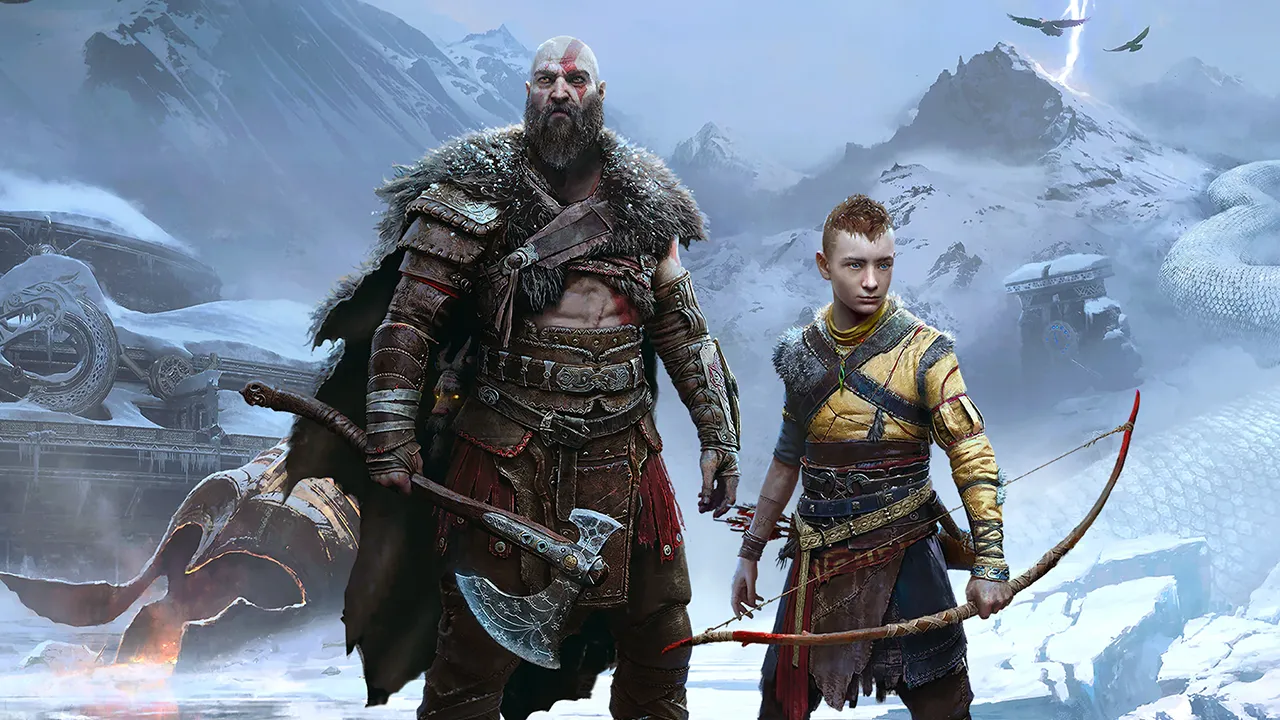
| Greek Kratos | Norse Kratos |
|---|---|
| Destroyer of Worlds | Reluctant Protector |
| Blind Rage | Calculated Strength |
| No Allies | Atreus, Freya, Mimir |
This duality makes him one of gaming’s most complex characters.
If Greek Kratos was a hurricane, Norse Kratos is the calm after the storm.
His evolution reflects the struggle between his past and his desire for redemption.
Through Atreus, Kratos confronts his legacy and the possibility of change.
This relationship becomes a focal point, illustrating the importance of mentorship and growth.
Ultimately, Kratos’ journey is a testament to the power of choice and the impact of our actions.
The themes of forgiveness and understanding permeate the narrative, challenging players to consider their own paths.
As Kratos navigates the challenges of fatherhood, he learns that true strength lies not just in power but in compassion and guidance.
What’s Next for the Ghost of Sparta?
With Ragnarök’s ending leaving room for Egyptian or Celtic myths, the story of God of War is far from over.
Will Atreus’ journey take center stage?
Or will Kratos face new pantheons, forever haunted by his past?
One thing’s certain: No franchise blends myth, combat, and character growth quite like God of War.
Whether you’re a longtime fan or a newcomer, Kratos’ saga remains a masterclass in storytelling—one that redefines what a video game narrative can achieve.
As the series progresses, the exploration of new mythologies promises fresh narratives and challenges.
Fans eagerly await how these elements will be woven into the existing lore.
The anticipation for Kratos and Atreus’ next adventure keeps the community engaged and excited.
Moreover, the evolution of gameplay mechanics alongside the narrative ensures that each new installment feels fresh and innovative.
As we look forward, the evolution of Kratos promises to be as compelling as ever.
