
GameCube: The Full History of Nintendo’s Most Underrated Console
Anúncios
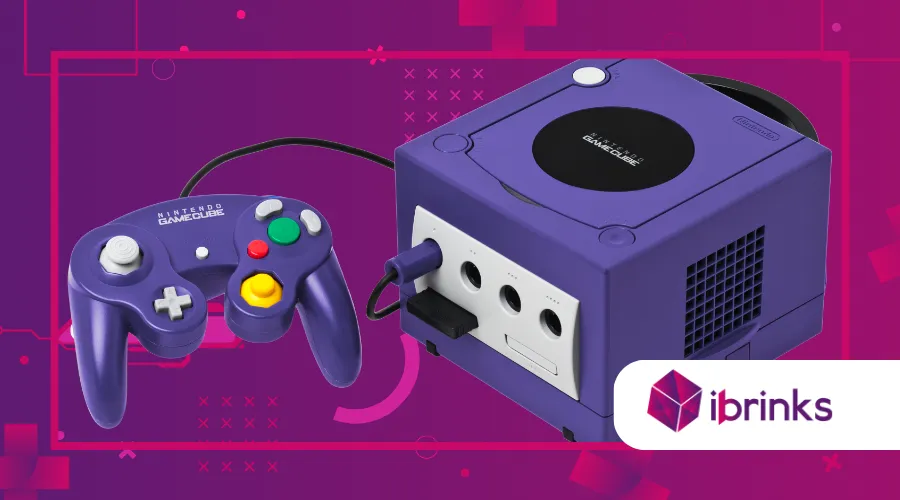
When Nintendo launched the GameCube in 2001, it wasn’t just another console, it was a bold experiment.
Sandwiched between the PlayStation 2 and Xbox, this purple cube defied expectations with its quirky design, innovative controller, and a library of games that still resonate today.
Yet, despite its brilliance, the GameCube remains one of gaming’s most underappreciated gems.
Why did it struggle commercially, and how did it shape Nintendo’s future?
Let’s dive into the full story.
Anúncios
A Rocky Start in a Competitive Era
Nintendo entered the sixth generation of consoles with a disadvantage.
Sony’s PlayStation 2 dominated with DVD playback and a massive third-party lineup, while Microsoft’s Xbox pushed raw power and online play.
The GameCube, in contrast, prioritized pure gaming—no multimedia distractions, just polished experiences.
Its unconventional mini-disc format (a deliberate anti-piracy move) limited storage capacity, alienating some developers.
Yet, this constraint forced Nintendo’s teams to optimize creativity over sheer scale.
The result? Timeless classics like Super Mario Sunshine and The Legend of Zelda: The Wind Waker, which traded realism for artistry—a gamble that paid off in the long run.
The GameCube's launch lineup featured titles that showcased its unique capabilities, such as Luigi’s Mansion, which introduced a charming, ghost-catching mechanic that was unlike anything else at the time.
This focus on originality over convention helped set the tone for many future Nintendo titles, emphasizing gameplay innovation.
Additionally, the marketing strategy for the GameCube was aimed at a younger audience, showcasing its colorful design and family-friendly games.
This decision, while noble, ultimately limited its appeal to a broader gaming demographic that was increasingly drawn to more mature content.
Hardware: Quirky but Revolutionary
The GameCube was a technical marvel in a compact package.
Its 485 MHz CPU and 162 MHz GPU outperformed the PS2 in many ways, delivering smoother frame rates and richer textures.
The controller, with its ergonomic grip and oversized A button, became iconic, influencing later designs like the Switch Pro Controller.
But perhaps its most forward-thinking feature was the handle—yes, the little loop on the back.
This seemingly odd addition made the console portable (for LAN parties) and reinforced Nintendo’s family-friendly ethos.
The GameCube also featured four controller ports, allowing for local multiplayer right out of the box, which was a significant selling point.
This focus on multiplayer experiences would later influence Nintendo's design philosophy in the Switch era.
Moreover, the console's ability to connect with the Game Boy Advance opened up unique gameplay possibilities, such as using the handheld as a controller in certain games.
These innovations showcased Nintendo's commitment to creating a unique gaming experience that emphasized social interaction and creativity.
+ PS Vita: Forgotten Gem or Obsolete Console? Find Out if It’s Still Worth It
Table 1: GameCube vs. Competitors (2001)
| Feature | GameCube | PlayStation 2 | Xbox |
|---|---|---|---|
| CPU Speed | 485 MHz | 294 MHz | 733 MHz |
| Media Format | Mini-DVD | DVD | DVD |
| Online Play | Limited | Yes | Yes (Robust) |
| Best-Selling Game | Smash Bros. Melee (7.4M) | GTA: San Andreas (20M+) | Halo 2 (8M+) |
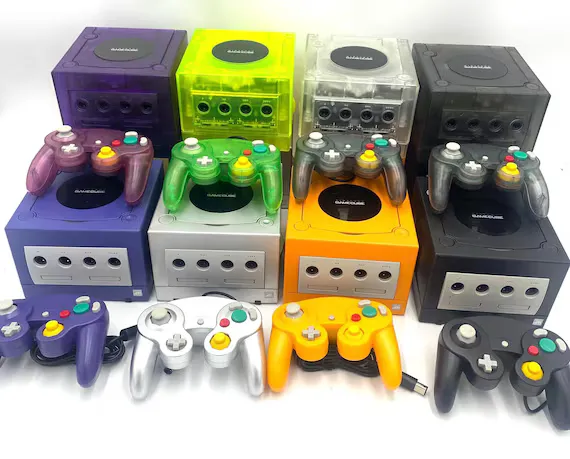
The Games That Defined a Generation
While the GameCube sold only 21.7 million units (compared to PS2’s 155M), its exclusives were unmatched in polish and innovation.
Titles like Metroid Prime reimagined a 2D franchise as a breathtaking 3D adventure, while Eternal Darkness: Sanity’s Requiem toyed with players’ minds through psychological horror.
Then there was Super Smash Bros. Melee, a fighting game so finely tuned it’s still played competitively today.
With over 7.4 million copies sold, it proved that Nintendo’s first-party magic could outshine third-party giants.
The diversity of the GameCube’s library allowed it to cater to a wide range of gaming preferences, from action-adventure to puzzle-platformers.
Games like The Legend of Zelda: The Wind Waker showcased a bold artistic style that broke away from traditional graphics, proving that innovation could come in many forms.
Additionally, titles like Animal Crossing introduced players to a new genre of life simulation, emphasizing relaxation and community interaction over competition.
This variety helped the GameCube cultivate a loyal fanbase that appreciated not just the games, but the experiences they provided.
The Underdog’s Legacy
The GameCube’s commercial "failure" taught Nintendo crucial lessons.
Its emphasis on local multiplayer (via four controller ports) foreshadowed the Switch’s party-friendly approach.
Meanwhile, its struggles with third-party support pushed Nintendo to double down on exclusives—a strategy that later saved the Wii U and propelled the Switch to success.
The console's legacy also paved the way for Nintendo to explore new creative avenues, leading to innovative titles that would define future generations.
As gaming trends shifted towards online experiences, the GameCube's focus on local multiplayer became a nostalgic reminder of simpler times.
This nostalgia has led to a resurgence of interest in the GameCube, with many gamers revisiting its library or discovering it for the first time.
The enduring popularity of titles like Super Smash Bros. Melee and Metroid Prime continues to inspire new developers and players alike.
Table 2: GameCube’s Hidden Gems
| Title | Genre | Why It’s Special |
|---|---|---|
| F-Zero GX | Racing | Blistering speed, brutal difficulty |
| Paper Mario: TTYD | RPG | Witty writing, inventive combat |
| Pikmin 2 | Strategy | Charming, cerebral, and oddly stressful |
++ Nintendo Switch 2: New Design, Hardware, and Expected Games
Why Does the GameCube Still Matter?
In an era of live-service games and microtransactions, the GameCube’s focus on pure, polished experiences feels almost radical.
Its library has aged like fine wine, with many titles now considered cult classics.
Consider this: Resident Evil 4, one of the greatest action games ever, debuted on the GameCube as a timed exclusive.
Its over-the-shoulder camera revolutionized third-person shooters—proof that Nintendo’s box was more influential than its sales suggested.
The GameCube also set the stage for future innovations in gameplay mechanics, inspiring developers to think outside the box.
Many of its titles are now seen as benchmarks for quality and creativity, influencing not just Nintendo games but the broader gaming landscape.
As gaming evolves, the lessons learned from the GameCube remain relevant, reminding developers of the importance of originality and player experience.
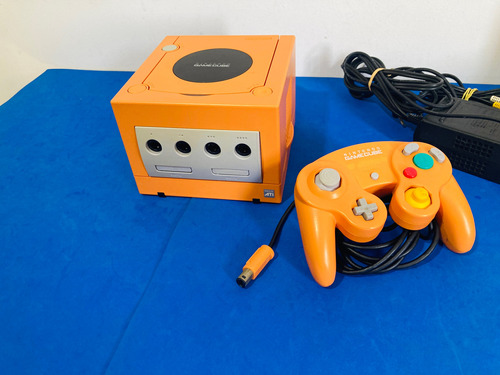
A Nostalgia Boom and Modern Revival
Today, the GameCube enjoys a second life.
Speedrunners dissect its games frame by frame, while modders add HDMI support and wireless controllers.
Prices for rare titles like Fire Emblem: Path of Radiance now exceed $300—a testament to its enduring appeal.
Nintendo itself has embraced this legacy, porting classics like Luigi’s Mansion and Super Mario Sunshine to the Switch.
Yet, many gems remain trapped on the console, begging for remasters.
The community around the GameCube has also grown, with fans creating content, hosting events, and sharing their love for the console online.
Websites dedicated to retro gaming, such as Retro Gaming Magazine, celebrate the GameCube and its impact on gaming culture.
This revival reflects a broader trend of nostalgia in gaming, where players seek to relive the experiences of their youth.
Final Thoughts: Was the GameCube Ahead of Its Time?
The GameCube wasn’t just a console—it was a statement.
In a market obsessed with power and multimedia, Nintendo dared to prioritize fun above all.
While it lost the sales battle, its influence is undeniable.
From the Switch’s local multiplayer focus to the resurgence of single-player adventures, the GameCube’s DNA lives on.
So, was it underrated? Absolutely.
But for those who experienced its magic, the GameCube wasn’t just a box—it was a portal to unforgettable worlds.
And in the end, isn’t that what gaming’s all about?
Statistic Reference:
- GameCube lifetime sales: 21.74 million (Nintendo, 2007).
Analogia:
The GameCube was like a cult film—ignored at the box office but beloved by those who truly experienced it.
Rhetorical Question:
How many of today’s consoles will be remembered as fondly 20 years later?
This deep dive proves that the GameCube wasn’t a misstep—it was a masterpiece in disguise.
Whether you’re revisiting it or discovering it for the first time, one thing’s clear: this little cube packed a mighty punch.
