
Reliving Tomb Raider: The Classic That Defined 3D Gaming in the ’90s
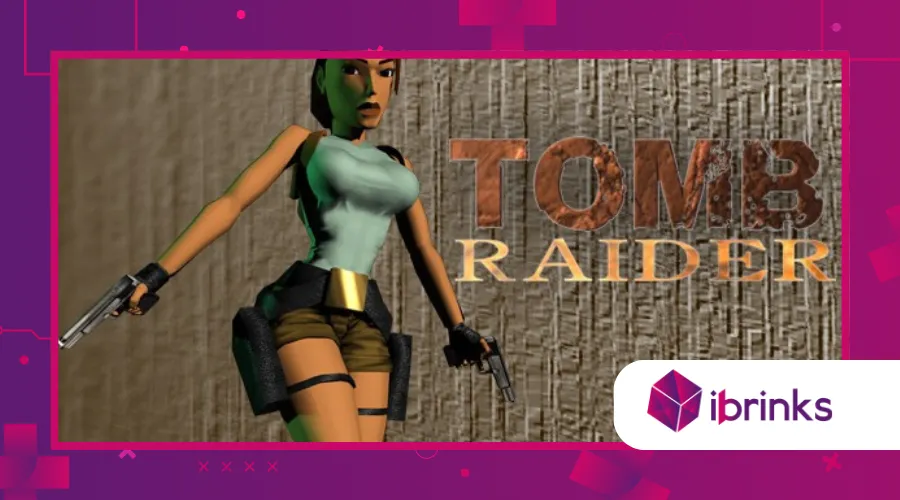
Tomb Raider burst onto the scene in 1996, not just as a game but as a cultural earthquake that reshaped the landscape of 3D gaming.
Anúncios
Its arrival marked a pivotal moment, blending innovative technology with a bold protagonist, Lara Croft, who became an icon.
Nearly three decades later, the original Tomb Raider remains a touchstone for understanding how video games evolved into immersive, narrative-driven experiences.
This article dives into why this classic defined an era, exploring its technological leaps, cultural impact, and enduring legacy, all while weaving in fresh perspectives on its relevance in 2025.
Moreover, the game’s influence extends beyond its initial release, inspiring countless sequels and adaptations that continue to shape the gaming industry.
As we explore its legacy, it’s essential to consider how Tomb Raider paved the way for future titles and characters in the gaming universe.
A Technological Trailblazer
The mid-'90s were a crucible for gaming innovation.
Consoles like the Sony PlayStation and Sega Saturn were pushing polygons into uncharted territory, and developers raced to harness 3D environments.
Tomb Raider, developed by Core Design, didn’t just keep pace—it set the standard.
Its fully realized 3D world, with sprawling levels like the Lost Valley, offered players a sense of scale and freedom that 2D platformers couldn’t touch.
The game’s engine allowed Lara to climb, swim, and leap through environments that felt alive, from Peruvian caves to Egyptian tombs.
Consider the technical constraints of the time: the PlayStation’s 33 MHz processor and 2 MB of RAM.
Yet, Core Design crafted a game that balanced detailed textures with fluid movement.
A 1997 interview with lead designer Toby Gard revealed the team’s obsession with making exploration intuitive, prioritizing player agency over rigid scripting.
This approach wasn’t just technical; it was philosophical, treating players as adventurers rather than pawns.
The result? A game that felt like stepping into an Indiana Jones film, but one you could control.
This innovative spirit continues to resonate in today’s gaming landscape, where exploration and player freedom remain paramount.
Modern titles often reference Tomb Raider’s pioneering mechanics, showcasing how its legacy endures in the design philosophies of contemporary games.
Lara Croft: The Icon Who Broke the Mold
Lara Croft wasn’t just a character; she was a revolution.
In an era dominated by male protagonists, Tomb Raider introduced a fearless, intelligent woman who didn’t need saving.
Her blend of athleticism, wit, and resourcefulness challenged stereotypes, even if her exaggerated design sparked debates about representation.
By 1998, Lara had graced the cover of Time magazine, a testament to her crossover appeal.
She wasn’t just a gaming hero—she was a pop culture phenomenon, starring in films, comics, and even energy drink ads.
Let’s unpack an original example: picture a teenage gamer in 1997, hunched over a CRT monitor, guiding Lara through the Cistern level.
The flickering torchlight and echoing drips create an atmosphere thick with tension.
Solving the puzzle to drain the water and reveal a hidden passage feels like cracking an ancient code.
That moment of triumph wasn’t just about progress; it was about agency, a feeling Tomb Raider bottled and sold to millions.
Critics often focus on Lara’s hyper-sexualized design, but her cultural weight goes deeper.
She inspired a generation of female characters who could be tough without sacrificing complexity.
Data from a 2023 study by the Entertainment Software Association shows that 48% of gamers today are women, a shift Lara helped catalyze.
Her legacy isn’t flawless, but it’s undeniable—she opened doors for characters like Aloy and Ellie, proving women could lead blockbuster franchises.
To explore more about the evolution of female characters in gaming, check out Women in Games International, which highlights the significant contributions of women in the industry.
Gameplay That Rewrote the Rules
What made Tomb Raider’s gameplay so gripping?
It wasn’t just the 3D visuals; it was the marriage of exploration, combat, and puzzles.
Each level felt like a labyrinth, rewarding curiosity with secrets like hidden artifacts or ammo caches.
The controls, clunky by today’s standards, demanded precision—every jump was a calculated risk.
This deliberate pacing forced players to think like archaeologists, not just button-mashers.
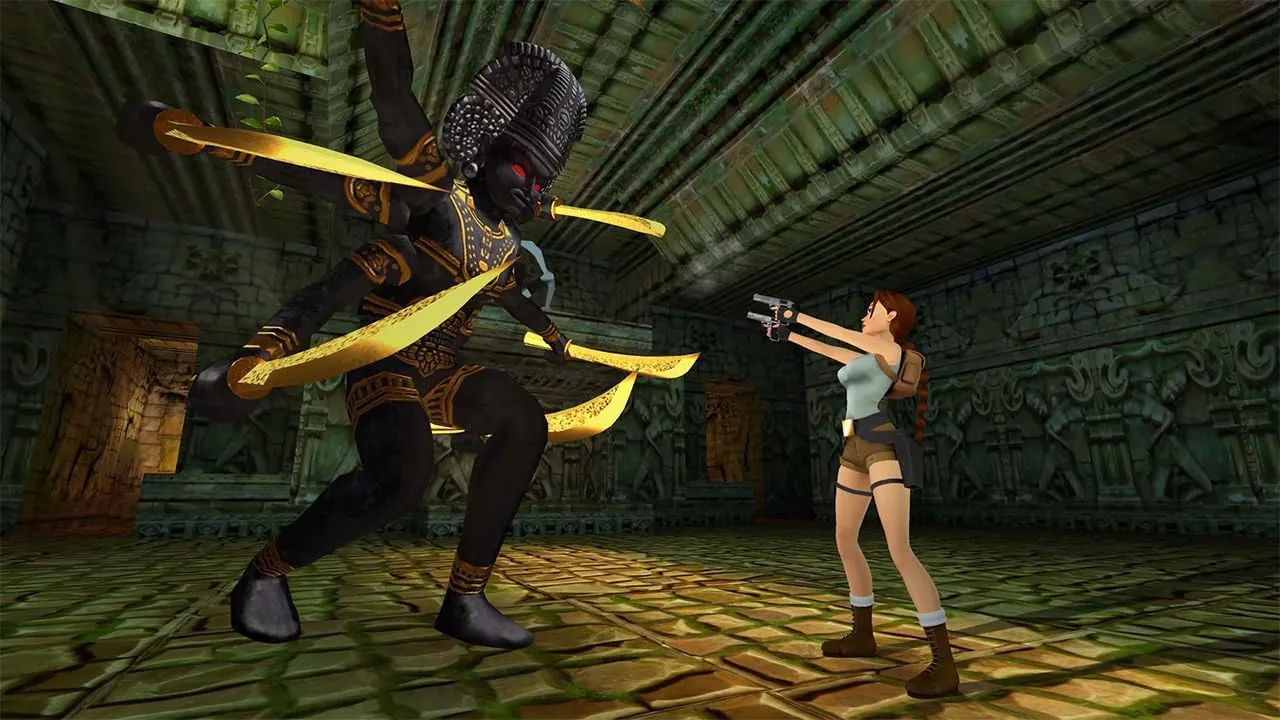
Here’s another original example: in the Colosseum level, players navigate a crumbling Roman arena stalked by lions.
The tension of evading predators while solving environmental puzzles—like aligning statues to unlock a gate—created a rhythm that felt cinematic.
This wasn’t just gaming; it was storytelling through mechanics, a formula that modern titles like Uncharted refined but didn’t invent.
The game’s difficulty also set it apart.
A 1996 review in Edge magazine praised Tomb Raider for its “uncompromising challenge,” noting that 70% of players never finished the game due to its steep learning curve.
That statistic underscores its design ethos: respect the player’s intelligence.
Unlike today’s hand-holding tutorials, Tomb Raider trusted you to figure it out—or fail trying.
This challenging gameplay has influenced many modern games that prioritize player skill and problem-solving over straightforward narratives.
As gaming evolves, the balance between challenge and accessibility remains a hot topic, rooted in the lessons Tomb Raider taught us.
Cultural Impact and Controversy
Tomb Raider didn’t just shape gaming; it redefined how games intersected with culture.
Lara Croft became a marketing juggernaut, appearing in everything from music videos to fashion spreads.
But her image wasn’t without baggage.
Feminists critiqued her as a male fantasy, while others saw her as empowering.
This duality sparked debates that still echo in 2025, as developers grapple with balancing representation and commercial appeal.
The game’s global reach also deserves attention.
By 2000, Tomb Raider had sold over 7 million copies worldwide, per Eidos Interactive’s financial reports.
It wasn’t just a Western hit; it resonated in markets like Japan and Brazil, where players embraced its universal themes of adventure and discovery.
Yet, its portrayal of ancient cultures—often as exotic backdrops—drew criticism for insensitivity, a critique that modern remakes have worked to address.
Here’s an analogy: Tomb Raider was like a bold explorer charting a new continent, thrilling but occasionally stumbling over cultural nuances.
Its missteps don’t erase its triumphs, but they remind us how far gaming has come in tackling representation responsibly.
What other game from the ‘90s could spark such complex conversations today?
This ongoing dialogue about representation in gaming continues to evolve, reflecting broader societal changes.
As the industry grows, developers are increasingly aware of their responsibility to portray diverse characters and narratives thoughtfully.
+ Doom: The FPS Revolution That Changed Video Games Forever
The Legacy in 2025
Fast-forward to 2025, and Tomb Raider’s shadow looms large.
The franchise has evolved through reboots, with Crystal Dynamics’ 2013 trilogy reimagining Lara as a grounded survivor.
Yet, the original’s DNA persists in its focus on exploration and narrative.
The upcoming Tomb Raider I-III Remastered (released February 2024) polishes the classics with updated visuals while preserving their soul, proving their timeless appeal.
The remaster’s success highlights a broader trend: nostalgia-driven revivals.
Fans crave the raw, unpolished charm of ‘90s gaming, and developers are listening.
But Tomb Raider’s legacy isn’t just retrospective.
Its influence permeates modern design, from the environmental storytelling of God of War to the acrobatic traversal of Assassin’s Creed.
Even indie games like Tunic echo its spirit of discovery.
As the gaming community reflects on the past, it also looks forward to how these classics can inform future developments.
The blending of nostalgia with innovation is a powerful force driving the industry today.
| Feature | Description | Impact |
|---|---|---|
| 3D Environments | Fully navigable levels with depth and scale | Set a benchmark for open-world design |
| Dynamic Animations | Lara’s fluid movements (climbing, jumping) | Enhanced player immersion |
| Puzzle Integration | Environmental challenges tied to narrative | Inspired modern puzzle-platformers |
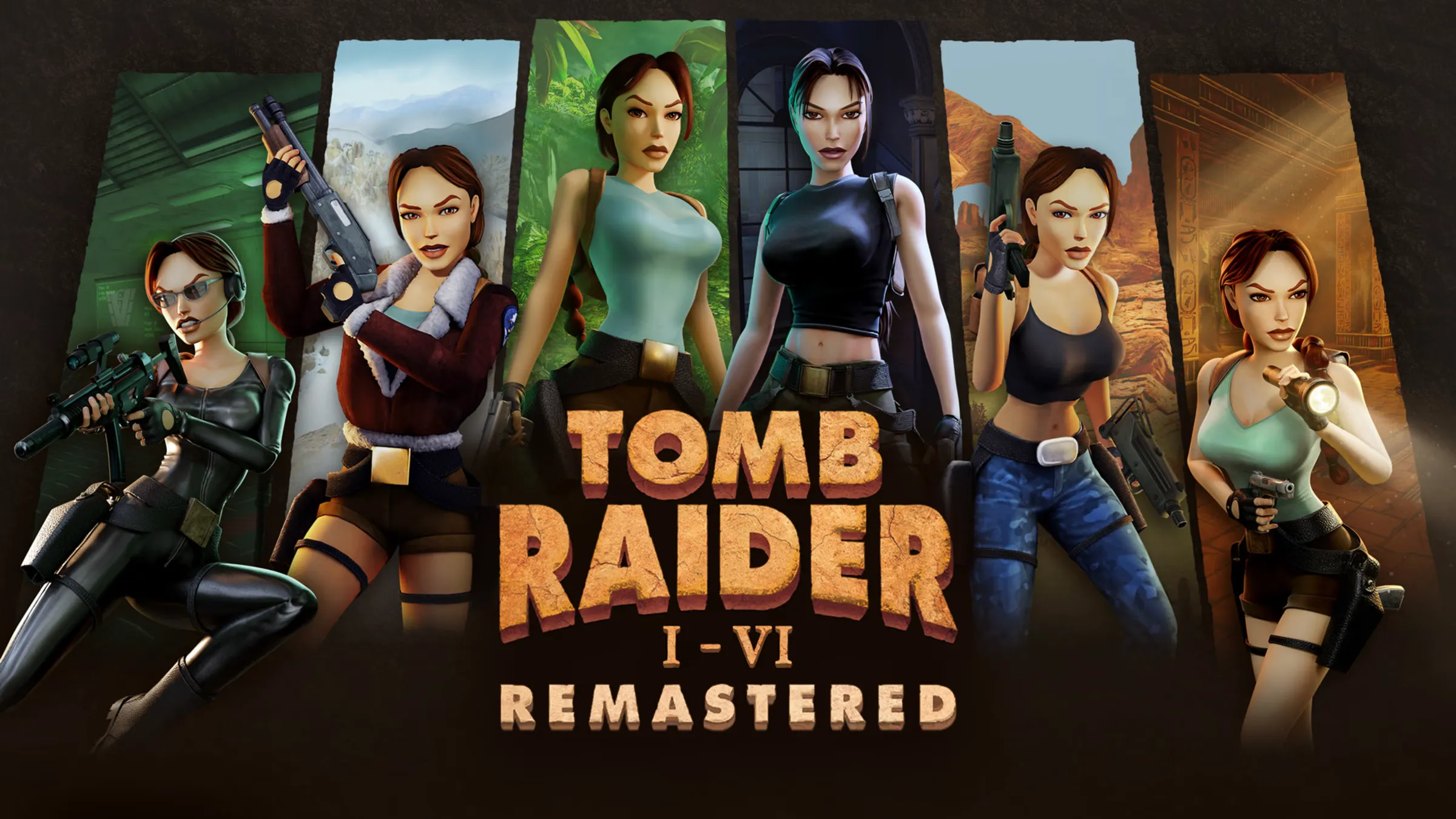
Table 1: Tomb Raider’s Technical Milestones
| Year | Milestone | Significance |
|---|---|---|
| 1996 | Tomb Raider launches | Introduces Lara Croft, redefining protagonists |
| 1998 | Time magazine cover | Cements Lara as a cultural icon |
| 2024 | Remastered trilogy release | Revives interest in classic design |
Table 2: Tomb Raider’s Cultural Footprint
Why It Still Matters
In an age of photorealistic graphics and AI-driven NPCs, why revisit a blocky relic like Tomb Raider?
Because it reminds us what gaming can be: a blend of challenge, wonder, and storytelling.
Its flaws—stiff controls, dated visuals—are part of its charm, a snapshot of an industry finding its footing.
Playing it today feels like unearthing a time capsule, one that still pulses with life.
The game’s influence also extends to technology.
Early 3D rendering techniques pioneered by Tomb Raider paved the way for today’s GPUs.
NVIDIA’s 2024 keynote cited ‘90s games as key drivers of real-time rendering advancements, a nod to titles like this one.
And as VR and AR gaming grow, Tomb Raider’s focus on immersive exploration feels prescient.
This legacy of innovation continues to inspire developers to push the boundaries of what games can achieve.
As technology evolves, the principles established by Tomb Raider remain relevant, guiding the future of interactive storytelling.
++ The History of Captain Commando: From the Super Nintendo to Today
Engaging the Future
Tomb Raider’s story isn’t over.
With Amazon Games backing a new title in development, the franchise is poised to evolve again.
Will it recapture the magic of the original while addressing modern expectations?
That’s the question fans are asking as they await its release.
Meanwhile, the remastered trilogy offers a chance to relive the past, not just as nostalgia but as a lesson in what makes games endure.
Ultimately, Tomb Raider didn’t just define 3D gaming—it taught us that games could be more than entertainment.
They could be worlds to explore, stories to live, and debates to spark.
As we look back in 2025, it’s clear: Lara Croft’s first adventure wasn’t just a game.
It was a revolution, one we’re still playing through.
The anticipation for the new title reflects the enduring passion of the gaming community.
As fans eagerly await the next chapter, the legacy of Tomb Raider continues to inspire and shape the future of gaming.
