
Investissements intersectoriels façonnant la scène des championnats de jeux vidéo
Annonces
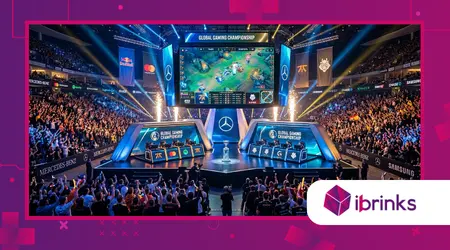
Investissements intersectoriels structurants L'écosystème mondial de l'e-sport a poussé les entreprises traditionnelles à réaffecter d'importantes réserves de capitaux aux arènes numériques.
Dépassant le simple placement de logos, les conglomérats tissent désormais des partenariats infrastructurels profonds dans tous les grands circuits concurrentiels.
Cet afflux massif de capitaux transforme les tournois régionaux en entités médiatiques dominantes.
Les marques intègrent directement leurs produits dans les écosystèmes de jeu, établissant ainsi un cadre très lucratif pour les organisations professionnelles du monde entier.
Principaux points à retenir
- Refonte financière : Les marques non endémiques financent des cagnottes colossales et des infrastructures de stades de pointe.
- Évolution stratégique : Les géants de l'automobile, du luxe et de la technologie nouent des partenariats structurels à long terme.
- Élargissement de l'audience : Le soutien intersectoriel permet d'introduire le jeu compétitif auprès des principaux segments de la population.
Quel est l’impact des investissements intersectoriels sur l’e-sport ?
Le phénomène des entreprises non issues du secteur des jeux qui acquièrent des participations, deviennent des sponsors majeurs et financent des tournois caractérise cette évolution continue du secteur.
Annonces
Les constructeurs automobiles, les institutions financières et les maisons de couture ne considèrent plus le jeu compétitif comme une sous-culture isolée. Au contraire, ils utilisent les tournois numériques comme des outils marketing essentiels.
Ce mouvement représente un changement radical par rapport au soutien endémique initial. Auparavant, les marques de matériel informatique occupaient une place prépondérante dans les décors des événements.
Aujourd'hui, un championnat numérique oppose des banques mondiales et des entreprises automobiles historiques qui contrôlent l'espace commercial haut de gamme.
Avez-vous remarqué à quel point les structures sportives traditionnelles ressemblent aux ligues numériques modernes ?
Cet alignement structurel s'explique par le fait que des dirigeants externes importent directement des modèles de gestion sportive éprouvés au sein d'organisations de jeux compétitifs.
Par conséquent, la stabilité des équipes augmente significativement sur plusieurs années. Cette tendance s'apparente à l'injection de carburant dans un moteur de course.
Les mécanismes fondamentaux du jeu restent inchangés, mais les capitaux externes accélèrent considérablement son développement. Ils créent des sources de revenus très stables, indépendantes des décisions fluctuantes des éditeurs de jeux.
Comment les capitaux affluent-ils dans les ligues ?
Les entreprises acquièrent les droits d'appellation des arènes et achètent des emplacements de franchise au sein de structures de tournois franchisés.
Ces engagements de plusieurs millions de dollars garantissent des budgets opérationnels à long terme aux organisateurs du tournoi. Par conséquent, la qualité de la production atteint rapidement les standards des chaînes de télévision.
Lire aussi : Célébrez les anniversaires de jeux avec votre communauté
Quels secteurs externes sont à l'origine du changement ?
Les géants de l'automobile comme BMW et les marques de luxe haut de gamme comme Louis Vuitton sont à la tête de cette vague de capitaux.
Ces secteurs conçoivent des produits dérivés personnalisés, des apparences pour personnages virtuels et des coffrets de voyage haut de gamme pour trophées. Cette intégration physique et numérique maximise la visibilité de la marque à travers de multiples points de contact avec le consommateur.
En savoir plus: Comment gérer les fuseaux horaires dans les équipes internationales
Pourquoi les marques historiques financent-elles les ligues numériques ?
Les médias télévisuels traditionnels continuent de perdre la très convoitée génération Z au profit des plateformes de streaming numérique.
Les entreprises investissent massivement dans l'e-sport car les tournois numériques en direct offrent un accès direct et sans filtre à ces consommateurs actifs. Cela garantit efficacement la pérennité de la marque.
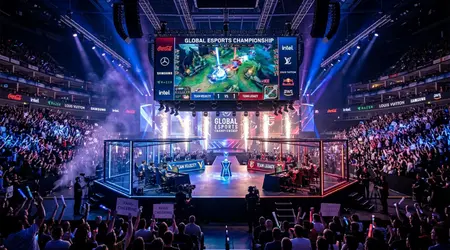
Comment les capitaux extérieurs modifient-ils les championnats ?
La présence d'un structuration des investissements intersectoriels La stratégie modifie directement la façon dont les ligues planifient leurs calendriers d'événements internationaux.
Des investissements massifs permettent aux organisateurs de louer des lieux emblématiques comme le Madison Square Garden ou le stade de Wembley. Cette présence physique rehausse le prestige culturel des tournois de jeux vidéo.
De plus, les équipes utilisent des capitaux externes pour construire des installations d'entraînement ultramodernes. Les joueurs professionnels ont désormais accès à des psychologues du sport, des nutritionnistes spécialisés et des physiothérapeutes.
Cette structure de soutien complète minimise l'épuisement professionnel des joueurs et prolonge leurs carrières compétitives.
Prenons l'exemple des données financières récemment publiées par le cabinet d'analyse Sports Business Journal.
Leurs rapports d'entreprise exhaustifs de 2026 soulignent que les investissements des entreprises non endémiques dans le sponsoring de l'esport ont bondi de 281 000 milliards de dollars sur un an. Cet afflux de capitaux stabilise les bilans fragiles des organisations.
Prenons comme exemple concret le partenariat entre Mastercard et Riot Games.
Leur activation intégrée offre aux fans du monde entier un accès exclusif au tournoi tout en stabilisant le financement des diffusions internationales.
Cette intégration prouve que le soutien extérieur des entreprises crée des fondements économiques durables.
Quel est l'impact structurel sur les équipes ?
Des budgets plus importants permettent aux organisations de signer des contrats pluriannuels avec des salaires de base garantis.
Cette prévisibilité financière élimine la dépendance historique aux gains fluctuants des tournois pour la survie des équipes. Celles-ci peuvent désormais se concentrer pleinement sur la performance en compétition et le repérage des talents à long terme.
Comment évoluent les productions audiovisuelles ?
Les investissements dans les médias externes introduisent des technologies de réalité augmentée de pointe et des rediffusions analytiques avancées pour les flux en direct.
L'expérience de visionnage imite les retransmissions traditionnelles des matchs de Premier League, captivant ainsi un large public occasionnel. Cette amélioration technique devrait attirer davantage d'annonceurs traditionnels au fil du temps.
Pourquoi les cagnottes augmentent-elles ?
Les contributions directes des entreprises sponsors font grimper les cagnottes des tournois à des niveaux historiques.
Des récompenses financières plus importantes intensifient la concurrence, attirant des audiences maximales plus élevées sur les plateformes de streaming.
Cette croissance de l'audience satisfait les sponsors, assurant ainsi un cycle d'investissement parfaitement stable.
Pourquoi ce modèle de financement remodèle-t-il les médias ?
Le flux continu de structuration des investissements intersectoriels Les droits de diffusion des tournois engendrent une concurrence intense entre les réseaux de streaming mondiaux.
Les chaînes de télévision traditionnelles rivalisent désormais avec des plateformes comme Twitch et YouTube pour obtenir les droits de diffusion exclusifs. Cette concurrence fait grimper la valeur des actifs médiatiques liés à l'e-sport.
De ce fait, les organisateurs de tournois développent des modèles de syndication de contenu très sophistiqués.
Ils produisent des documentaires sur les coulisses, des émissions de qualification régionales et des émissions d'analyse spécialisées, entièrement financées par des partenaires corporatifs.
Cette expansion médiatique permet de construire des arcs narratifs plus profonds autour des joueurs professionnels.
Cette intégration financière garantit la survie du jeu compétitif face aux ralentissements macroéconomiques plus généraux.
La diversification des sources de revenus protège les entreprises lorsque certains jeux connaissent une baisse de popularité immédiate. La dépendance totale à l'égard de l'écosystème d'un seul éditeur appartient désormais au passé.
En définitive, les financements externes confirment le rôle permanent du jeu compétitif comme pilier du divertissement mondial. La convergence de la technologie, de la mode et de la finance crée un écosystème commercial florissant.
Ce soutien collectif garantit que les championnats numériques resteront culturellement pertinents pendant des décennies.
Comment fonctionnent les activations de marques associées ?
Les marques créent des produits physiques en édition limitée, directement liés aux résultats des grands tournois.
Par exemple, les fabricants de montres de luxe produisent des montres de championnat en édition limitée, réservées aux vainqueurs de tournois et aux fans VIP. Cette stratégie renforce la perception de prestige associée aux exploits dans l'e-sport.
Quels sont les risques à long terme ?
Une dépendance excessive aux capitaux d'entreprises externes rend les ligues vulnérables en cas de changement soudain des priorités macroéconomiques.
Si une récession mondiale entraîne des coupes budgétaires en marketing, les marques non endémiques pourraient retirer rapidement leurs financements. Par conséquent, les organisateurs doivent mettre en place rapidement des modèles de monétisation autonomes.
De quels avantages directs bénéficient les fans ?
Un soutien massif des entreprises permet de baisser le prix des billets pour les événements physiques et de garantir la gratuité totale des diffusions numériques.
Les fans profitent d'un divertissement de qualité supérieure en haute définition sans être confrontés à des barrières de paiement restrictives. Ce modèle d'accès ouvert accélère la croissance exponentielle de l'audience mondiale.
Comment les fonds des entreprises sont-ils alloués ?
L'écosystème concurrentiel moderne répartit les capitaux non endémiques entre de multiples secteurs opérationnels.
La matrice suivante illustre la répartition des ressources des entreprises sur les principaux circuits de championnat pour la saison 2026.
Matrice de répartition du capital du championnat
| Secteur de l'investissement | Domaine d'intervention principal | Méthode de mise en œuvre | Impact sur l'audience | Stabilité économique |
| Automobile | Infrastructure d'équipe | Financement des installations de formation | Forte fidélité à la marque | Sécurité pluriannuelle |
| Services financiers | Diffusion du tournoi | Droits de dénomination et segments | Technologie de visionnage premium | Solvabilité de la Haute Ligue |
| Mode de luxe | Produits dérivés numériques/physiques | Skins de championnat en jeu | Prestige culturel élevé | Augmentation des ventes de marchandises |
Paysage futur du jeu compétitif
L'influence omniprésente de structuration des investissements intersectoriels Les fondements financiers du jeu compétitif garantissent un avenir très sophistiqué aux tournois mondiaux.
En s'éloignant des financements endémiques et instables, le secteur s'est assuré une place permanente dans le paysage médiatique sportif mondial.
Cet afflux de capitaux a transformé avec succès des rassemblements de jeux locaux en spectacles gigantesques remplissant les stades, rivalisant avec les ligues sportives traditionnelles.
À mesure que les partenariats d'entreprise se renforcent et s'intègrent davantage sur le plan structurel, la frontière entre le divertissement traditionnel et les championnats numériques continuera de s'estomper complètement.
La stabilité économique assurée par ces conglomérats non endémiques permet aux organisateurs de tournois d'innover sans crainte, de proposer des prestations de qualité inégalée et de garantir des perspectives de carrière aux athlètes du monde entier.
Que pensez-vous du fait que de grandes entreprises non liées aux jeux vidéo sponsorisent vos équipes compétitives préférées ? Partagez votre expérience dans les commentaires ci-dessous !
Questions fréquemment posées
Pourquoi des entreprises non spécialisées dans les jeux vidéo investissent-elles dans les championnats d'e-sport ?
Les entreprises non spécialisées dans les jeux vidéo investissent pour atteindre les groupes démographiques très difficiles à atteindre de la génération Z et des Millennials, qui consomment des médias numériques en streaming plutôt que les émissions de télévision traditionnelles.
Le financement externe par des entreprises modifie-t-il le déroulement du jeu ?
Non, le financement externe des entreprises modifie la production des tournois, les cagnottes et l'infrastructure des équipes, tandis que les mécanismes de jeu compétitifs de base restent totalement inchangés.
Quel est l'impact des investissements intersectoriels sur les joueurs amateurs ?
Le soutien des entreprises se répercute jusqu'aux académies de base et aux ligues universitaires, créant des filières de talents structurées et offrant aux joueurs amateurs des voies claires vers des carrières professionnelles.
