
Comment les équipements de jeu sont conçus pour s'adapter aux besoins biologiques des joueurs et réduire la fatigue
Annonces
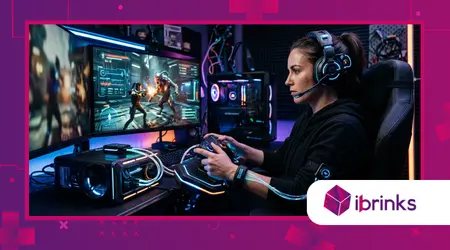
Les conceptions deviennent bio-adaptatives pour réduire la fatigue dans l'ensemble du secteur mondial des périphériques de jeu, modifiant la façon dont le matériel interagit avec la physiologie humaine.
L'approche traditionnelle consistant à obliger les joueurs à s'adapter à des coques en plastique rigides et statiques est totalement tombée en désuétude auprès des meilleures équipes d'ingénierie.
En 2026, l'ingénierie matérielle dynamique remodèle activement le développement des périphériques en se concentrant sur la synchronisation biologique en temps réel.
Ce changement révolutionnaire garantit que les joueurs professionnels d'esports et les amateurs occasionnels peuvent maintenir des niveaux de performance optimaux sans risquer de blessures dues aux mouvements répétitifs.
En intégrant des données comportementales en temps réel, l'équipement physique modifie désormais sa résistance structurelle et la forme de son adhérence en fonction de la tension musculaire et des variations de transpiration.
Annonces
L'ère de l'ergonomie passive et statique a officiellement cédé la place à celle d'une architecture de conception intelligente et réactive au corps.
Innovations structurelles clés
- Morphing en temps réel : Les matériaux du châssis changent de forme ou de densité en fonction de la pression exercée sur la poignée et de la température de la main.
- Rétroaction neuronale : Le logiciel prédictif ajuste la résistance des clics de souris en fonction du niveau de fatigue musculaire immédiat.
- Alignement postural dynamique : Les systèmes d'assise modifient en continu les zones de soutien afin de soulager la compression lombaire.
Qu’est-ce que le matériel de jeu bio-adaptatif ?
L'ingénierie moderne définit ce concept comme l'ensemble des systèmes périphériques qui modifient en permanence leurs propriétés physiques pour s'adapter à l'état physiologique en temps réel de l'utilisateur.
Au lieu de s'appuyer sur des réglages manuels, ces appareils utilisent des capteurs intégrés pour détecter la tension musculaire, les variations thermiques localisées et la pression de la prise en main.
Pourquoi un joueur de compétition devrait-il souffrir de tendinite alors que son équipement pourrait activement atténuer la contrainte physique ?
Cette technologie intègre des matériaux intelligents de pointe, tels que des alliages à mémoire de forme et des fluides électrorhéologiques, dans des souris, des claviers et des chaises haut de gamme standard.
Ces composants réactifs modifient leur fermeté ou leur contour physique en quelques millisecondes après la détection de marqueurs spécifiques de fatigue de l'utilisateur lors de matchs intenses.
Cette automatisation permet de minimiser les efforts physiques sans interrompre le déroulement numérique du jeu.
Pour prendre un exemple concret, Razer et Logitech ont été les pionniers en matière de conception de châssis de souris dotés d'une structure interne en treillis qui se resserre ou se détend pendant le jeu.
Si les muscles de votre main se contractent lors d'un moment crucial, la structure interne s'assouplit légèrement pour répartir la pression uniformément.
Cette correction physique instantanée prévient les crampes localisées avant même que l'utilisateur ne ressente la gêne imminente.
La documentation médicale du Journal of Electromyography and Kinesiology indique que le matériel réactif réduit la tension musculaire localisée jusqu'à 22%.
Cette réduction significative des contraintes physiques prouve que les boucles de rétroaction dynamiques protègent bien mieux la santé structurelle que les configurations ergonomiques statiques. Le matériel doit se comporter comme un prolongement naturel de l'anatomie humaine.
++ Configurations ultra-compactes : monter un équipement de jeu puissant de moins de 15 litres
Comment les matériaux intelligents changent-ils de forme ?
Des micro-actionneurs intégrés reçoivent des signaux électriques continus provenant de capteurs intégrés qui suivent la température de la peau et le niveau de transpiration des mains.
Ces signaux modifient l'alignement moléculaire des composites polymères spécialisés au sein de la couche externe périphérique, changeant ainsi sa flexibilité.
Le système de fixation s'adapte en douceur pour offrir un soutien optimal précisément lorsque vos muscles commencent à se fatiguer.
Lire aussi : Comment optimiser la latence de la manette sur PC
Quels périphériques utilisent cette innovation ?
Si les souris de jeu haut de gamme dominent le marché en termes d'adoption physique, les claviers mécaniques spécialisés et les sièges de course de simulation haut de gamme utilisent une technologie similaire.
Les claviers modifient dynamiquement la force d'activation de leurs commutateurs mécaniques, ce qui réduit la pression nécessaire sur les doigts lorsque votre session de jeu dépasse les quatre heures.
Ce réglage automatique permet de maintenir sans effort une cadence d'actions par minute constante.
En savoir plus: Choisir le bon repose-pieds pour un confort de jeu optimal
Pourquoi l'ergonomie statique n'est-elle plus suffisante ?
Les conceptions ergonomiques statiques ne soutiennent le corps humain que dans une seule posture neutre idéale, que les joueurs maintiennent rarement lors de matchs intenses.
Les utilisateurs réels déplacent constamment leur poids, se penchent en avant lors d'intenses fusillades et modifient leur prise en main à mesure que la fatigue mentale augmente.
Les systèmes bio-adaptatifs suivent en permanence ces mouvements erratiques, assurant une protection optimale quelle que soit la posture adoptée.
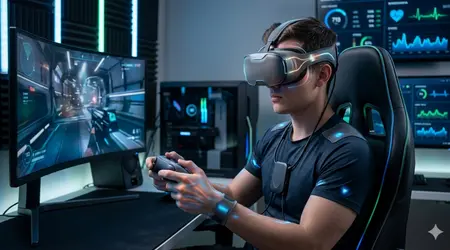
Comment la technologie bio-adaptative réduit-elle la fatigue physique ?
La mise en œuvre de systèmes où Les conceptions deviennent bio-adaptatives pour réduire la fatigue repose fortement sur des flux de données biométriques immédiats et exploitables.
Des capteurs thermiques intégrés et des jauges de micro-déformation cartographient la répartition exacte de la pression de la main sur la surface de l'appareil.
Les microprocesseurs embarqués analysent ensuite ces données pour prédire l'épuisement musculaire avant même que les signaux de douleur n'atteignent le cerveau.
Prenons une analogie automobile : le matériel de jeu traditionnel est comme un siège de course rigide qui vous meurtrit sur les longs trajets, alors que Les conceptions deviennent bio-adaptatives pour réduire la fatigue Il fonctionne comme un système de suspension pneumatique active qui absorbe toutes les irrégularités de la route.
Le matériel recalibre constamment son état physique pour absorber l'impact des mouvements humains répétitifs et rapides.
Un autre exemple concret concerne les chaises de jeu haut de gamme dotées de systèmes de soutien lombaire motorisés connectés via Bluetooth au moniteur de fréquence cardiaque du joueur.
Lorsque le système détecte une accélération du rythme cardiaque et des tensions posturales pendant les rounds de compétition, le support lombaire se déplace vers l'avant. Ce léger ajustement physique rétablit l'alignement de la colonne vertébrale et prévient le dos voûté.
En faisant varier en permanence les points de contact physiques avec la peau de l'utilisateur, ces dispositifs préviennent la stagnation du sang et l'engourdissement localisé.
Une meilleure circulation sanguine préserve vos réflexes et vous évite de faire des pauses étirements fréquentes lors des longs tournois. Le matériel gère activement votre bien-être physique pendant que vous vous concentrez sur votre performance.
Quel rôle joue l'ajustement prédictif algorithmique ?
Les algorithmes d'apprentissage automatique embarqués analysent les données historiques de préhension pour créer un profil individualisé des habitudes de fatigue musculaire de l'utilisateur.
Ce dispositif anticipe la fatigue de vos muscles de l'avant-bras en fonction de la durée de votre activité et de votre vitesse de mouvement. Il ajuste la résistance mécanique de manière proactive, réduisant ainsi la fatigue lors des séances d'entraînement prolongées.
Comment fonctionnent les commutateurs de souris dynamiques ?
Les commutateurs optiques intègrent des tendeurs magnétiques variables qui modifient le poids du clic en fonction des données en temps réel reçues de votre index.
Lorsque le système détecte des temps de récupération des clics lents, il réduit la force d'activation requise d'une fraction de gramme. Ce micro-ajustement prévient la fatigue des doigts et préserve ainsi la précision du suivi.
Cette technologie peut-elle prévenir le syndrome du canal carpien ?
En éliminant les points chauds et prolongés de haute pression sur le nerf médian, ces surfaces réactives réduisent considérablement les facteurs de lésions chroniques.
La modification subtile et continue de la forme physique du périphérique oblige différents groupes musculaires à se partager la charge de travail. Cette répartition équilibrée empêche toute surcharge critique d'un tendon en particulier.
Pourquoi l'équipement bio-adaptatif est-il crucial pour l'e-sport professionnel ?
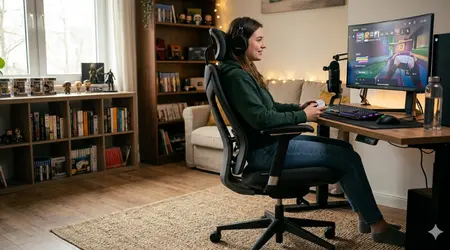
Le monde compétitif de l'e-sport exige une répétition physique immense, les joueurs professionnels exécutant fréquemment plus de quatre cents actions par minute.
À ce niveau d'élite, la longévité physique est une préoccupation majeure en matière de carrière, incitant les organisations à investir massivement dans les technologies de santé protectrices.
S'assurer que Les conceptions deviennent bio-adaptatives pour réduire la fatigue protège les effectifs de joueurs valant plusieurs millions de dollars contre les blessures physiques mettant fin à leur carrière.
Lorsque les matchs de tournoi se prolongent jusqu'aux prolongations, le matériel traditionnel ne parvient souvent pas à atténuer les effets cumulatifs de la transpiration et des tremblements musculaires.
Les équipements réactifs compensent ces variables physiques en modifiant la texture de leur surface afin d'augmenter l'adhérence lorsque des capteurs d'humidité détectent la transpiration.
Cette optimisation de surface en temps réel maintient une cohérence absolue malgré une immense pression psychologique.
Les organisations constatent moins de changements d'effectif en cours de saison en raison de blessures au poignet lorsque leurs joueurs utilisent des écosystèmes périphériques réactifs au corps pendant l'entraînement.
La possibilité de s'entraîner plus longtemps sans subir de dégradation physique constitue un avantage compétitif indéniable lors des longues saisons de tournois internationaux.
L'optimisation du matériel est devenue un pilier essentiel de l'entraînement sportif.
De plus, la mise en œuvre de ces systèmes permet de recueillir des données d'entraînement précieuses que les entraîneurs utilisent pour surveiller le niveau de stress des joueurs.
Une baisse soudaine de l'efficacité de la prise en main ou des changements de posture erratiques indiquent une fatigue mentale insidieuse, bien avant que le joueur ne l'admette. Ces données permettent au personnel d'encadrement d'optimiser scientifiquement les pauses.
Comment fonctionnent les modifications de texture en temps réel ?
Les couches externes des contrôleurs avancés sont constituées de composés élastomères micro-texturés qui se dilatent ou se contractent lorsqu'ils sont exposés à de faibles courants électriques.
Lorsque les capteurs détectent un glissement de la main dû à la transpiration, la rugosité de la surface augmente instantanément pour stabiliser votre prise en main. Votre visée reste ainsi parfaitement stable sans qu'il soit nécessaire d'exercer une force de serrage excessive.
Quels sont les avantages en termes de longévité pour les joueurs ?
Pour faire une longue carrière dans le jeu vidéo professionnel, il est nécessaire de minimiser les microtraumatismes accumulés lors des entraînements quotidiens de dix heures.
L'équipement réactif absorbe l'énergie cinétique violente générée par les tirs rapides, préservant ainsi les articulations des poignets du choc. Cette protection permet aux joueurs d'élite de prolonger leur période de performance optimale de plusieurs années cruciales.
Comment ce changement influence-t-il les normes industrielles ?
À mesure que les organisations d'esport d'élite valident publiquement les bienfaits des équipements adaptatifs sur la santé, les attentes des consommateurs évoluent vers des produits qui réagissent aux mouvements du corps.
Les fabricants de périphériques standard doivent abandonner les moules en plastique bon marché et uniformes pour rester compétitifs sur un marché qui privilégie la santé physique.
L'ensemble du secteur évolue vers des philosophies d'ingénierie personnalisées et médicalement fondées.
Architecture ergonomique actuelle des périphériques de jeu
L'intégration des technologies réactives au corps varie considérablement en fonction des exigences physiques spécifiques de chaque catégorie de périphériques.
La matrice suivante illustre comment les composants matériels modernes utilisent la biométrie en temps réel pour protéger la santé humaine durant la saison compétitive 2026.
Matrice de déploiement des mécanismes bio-adaptatifs
| Catégorie périphérique | Capteur biométrique de base | Matériel adaptatif primaire | Groupe musculaire cible | Réduction moyenne de la contrainte |
| Souris e-sport | Jauges de contrainte à pince et thermiques | Polymères à mémoire de forme | Éminence thénar (pouce) | 22% Fatigue musculaire réduite |
| Claviers | Capteurs de vitesse d'actionnement | Ressorts de tension magnétique | Extenseur des doigts (doigts) | 18% Stress du tendon inférieur |
| Sièges ergonomiques | Capteurs de posture capacitifs | vessies électrofluidiques | Colonne lombaire et fessiers | Cartographie du poids améliorée 30% |
Changement stratégique vers une conception matérielle plus humaine
L'adoption généralisée de systèmes où Les conceptions deviennent bio-adaptatives pour réduire la fatigue marque une évolution permanente dans la conception du style de vie des joueurs.
Délaissant l'esthétique tape-à-l'œil des lumières RGB clignotantes, l'ingénierie matérielle moderne se concentre entièrement sur l'optimisation de la longévité et du confort de la structure humaine.
Ces écosystèmes intelligents et réactifs au corps garantissent que nos outils physiques s'adaptent à notre corps, plutôt que de contraindre notre corps à se briser contre nos outils.
Avez-vous récemment ressenti des crampes aux poignets ou aux doigts lors de longues sessions de jeu compétitives ? Partagez vos expériences et la configuration de votre matériel dans les commentaires ci-dessous pour participer à la discussion !
Questions fréquemment posées
Combien de temps faut-il à une souris bio-adaptative pour modifier sa forme pendant une partie ?
Les matériaux intelligents modernes et les processeurs embarqués recalibrent la forme physique et les paramètres de résistance en 50 à 100 millisecondes après la détection des variations de tension musculaire.
Ces périphériques réactifs nécessitent-ils un logiciel spécialisé pour fonctionner correctement ?
Oui, la plupart des systèmes utilisent une application légère en arrière-plan qui traite le flux biométrique et envoie des mises à jour automatiques du profil directement à la mémoire interne de l'appareil.
Les chaises de jeu bio-adaptatives valent-elles leur prix élevé pour les utilisateurs occasionnels ?
Absolument, car les utilisateurs occasionnels ont souvent des habitudes posturales moins rigoureuses que les professionnels, ce qui rend les corrections lombaires automatisées et en temps réel extrêmement précieuses pour la santé de la colonne vertébrale à long terme.
