
Exploring the Link Between Mental Health and Gaming Championship Pressure
Anúncios
Link between mental health and gaming championship pressure is no longer a silent topic hidden behind glowing monitors. As esports tournaments fill massive arenas worldwide, the psychological toll on young competitors reaches unprecedented heights.
Players face a relentless cycle of public scrutiny, exhausting practice schedules, and the terrifying knowledge that a single misclick can destroy a career.
This high-stakes environment requires us to look past the flashing lights and examine the human cost of digital glory.
The culture of “grinding” has shifted from a badge of honor to a major risk factor for elite competitors. When millions of dollars are on the line, the boundary between passion and psychological distress quickly blurs.
Understanding this dynamic is vital for anyone who follows, plays, or works within the modern competitive gaming industry.
Anúncios
What This Investigation Covers
- The Anatomy of Competitive Stress: Examining the core triggers that turn a dream job into a psychological prison.
- Organizational Support Systems: How top-tier teams deploy mental health professionals to safeguard their rosters.
- Data and Real-World Evidence: A direct look at current research analyzing stress levels in modern esports.
What Triggers Psychological Strain in Elite Esports?
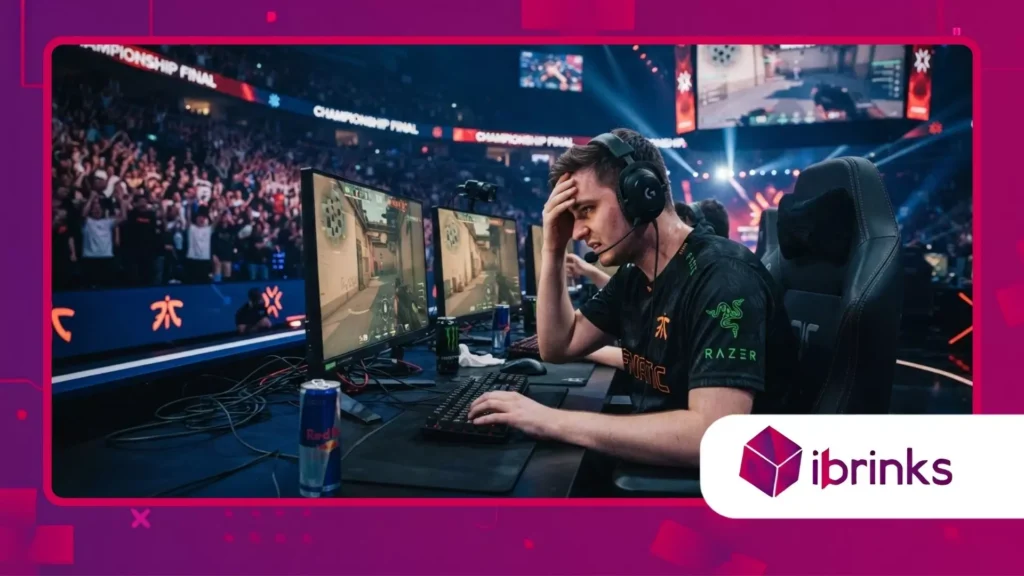
The modern tournament landscape demands absolute perfection from players who are often barely out of their teens.
Unlike traditional sports where physical limitations force athletes to rest, esports athletes can theoretically practice for sixteen hours straight.
This lack of boundaries creates a perfect environment for chronic anxiety, sleep deprivation, and identity crises.
When a player ties their entire self-worth to their in-game rank, every tournament loss feels like an existential threat. The constant threat of being benched or replaced adds another layer of instability to an already volatile career path.
Without proper coping mechanisms, these young competitors find themselves trapped in a cycle of constant anxiety.
Why Does Public Scrutiny Affect Pro Players?
The link between mental health and gaming championship pressure becomes glaringly obvious when looking at social media feedback loops.
Unlike traditional athletes who can retreat to a private locker room, esports players live online, directly exposed to millions of critics.
A single bad series can trigger a wave of toxic comments, death threats, and intense community mockery that follows them everywhere.
Imagine a tightrope walker trying to balance over a massive canyon while thousands of spectators scream directly into their ears.
That is exactly what a young player experiences when trying to clutch a round while their social media feed fills with vitriol. This constant exposure to hostility fundamentally alters how players view their own skills and safety.
++ How Cloud Infrastructure Scales a Global Gaming Championship
How Do Brutal Training Schedules Impact Sleep?
Esports teams frequently normalize twelve-hour scrim blocks followed by individual solo queue practice late into the night.
This schedule completely disrupts circadian rhythms, leading to chronic sleep debt that directly impairs cognitive function and emotional regulation.
A brain deprived of restorative rest cannot effectively process stress, leading to heightened irritability and panic.
Consider a professional League of Legends mid-laner preparing for a major international event. They spend months staring at blue screens until 4:00 AM, waking up just a few hours later to review match VODs.
This persistent lack of sleep diminishes their reaction times and leaves them highly vulnerable to sudden emotional breakdowns under stadium lights.
Also read: The Rise of Multi-Genre Formats in Gaming Championship Play
What Are the Primary Signs of Player Burnout?
Burnout usually manifests as a complete emotional exhaustion, accompanied by a growing resentment toward the game they once loved.
Players start experiencing severe imposter syndrome, chronic physical pain from poor posture, and a total lack of motivation. When the game stops being an outlet and becomes a source of dread, performance inevitably plummets.
A prominent Counter-Strike 2 in-game leader might find themselves unable to call strategies during a crucial overtime map simply because their mind is completely fried.
They look at the tactical map and feel nothing but a numb desire for the match to end. Recognizing these signs early is the only way to prevent permanent career endings.
How Do Organizations Manage Competitive Anxiety?
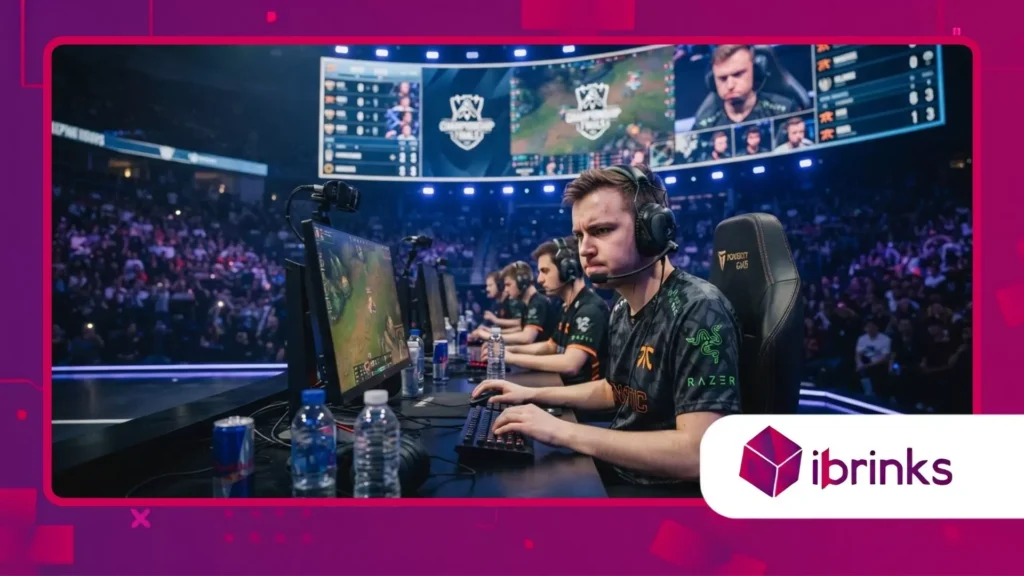
The global esports industry is slowly realizing that human beings are not machine parts that can be easily replaced when broken.
Forward-thinking organizations now invest heavily in comprehensive mental wellness infrastructure to protect their players.
This shift is transforming the traditional gaming house from a chaotic boot camp into a structured, healthy training facility.
By prioritizing psychological safety, teams are discovering that emotionally supported players actually perform better under immense stress.
Protecting mental well-being directly correlates with long-term competitive success and roster stability. It turns out that treating players like humans instead of digital gladiators yields much better results on the scoreboard.
Read more: How Data Ownership Impacts a Global Gaming Championship
What Is the Role of Esports Psychologists?
The link between mental health and gaming championship pressure has forced teams to hire dedicated sports psychologists.
These professionals work directly with players to develop mindfulness techniques, emotional regulation skills, and healthy communication habits.
They help athletes decouple their personal human identity from their digital performance on the virtual stage.
During a tense grand final, a psychologist might step in during a timeout to help a panicked team reset their breathing.
They teach players how to acknowledge a costly mistake, let it go immediately, and focus entirely on the next round. This mental resilience training makes the difference between a total team collapse and an epic comeback.
How Do Team Houses Balance Work and Life?
The old model of packing five players into a single house to live, eat, and breathe video games 24/7 is dying.
Modern organizations now provide separate training facilities, ensuring that players leave their workspace at the end of the day.
Creating a physical boundary between their job and their personal life allows the mind to truly unplug and recover.
When a player can return to their own apartment and spend time completely away from gaming, their brain enters a restorative state.
They return to the training facility the next morning with renewed focus and significantly lower baseline anxiety. This structural change is crucial for extending the short career spans typical of professional gamers.
Why Is Physical Fitness Linked to Mental Stamina?
A healthy body directly supports a resilient mind, which is why gym routines are now mandatory for top esports organizations.
Regular cardiovascular exercise lowers cortisol levels, improves sleep quality, and boosts cognitive endurance during long, grueling series. If your body is physically exhausted, your mind will surrender to pressure much faster.
Are you surprised to learn that lifting weights can help a player land a pixel-perfect sniper shot under pressure?
When physical fitness improves, heart rate variability stabilizes, keeping players calm when the game reaches chaotic peaks.
Physical conditioning acts as a protective shield against the physiological spikes caused by intense tournament anxiety.
What Does Recent Data Reveal About Esports Stress?
Academic institutions are finally validating what players have been screaming about behind closed doors for years.
The data clearly shows that competitive gaming creates psychological demands that match, and sometimes exceed, traditional elite sports. Ignoring these objective findings is no longer an option for responsible league operators and sponsors.
The link between mental health and gaming championship pressure is now documented in peer-reviewed journals worldwide.
These insights allow us to build better frameworks to protect these young digital athletes. Let us look closely at the objective numbers and academic conclusions shaping modern esports wellness policies.
How Do Esports Stressors Compare to Traditional Sports?
A groundbreaking study by the University of Winchester found that professional esports players face psychological stressors highly similar to elite football and rugby players.
The researchers identified tournament formats, fear of public backlash, and communication issues as major sources of anxiety. The mental load of competing for millions of viewers is universally heavy, regardless of physical exertion.
While a traditional athlete battles physical fatigue on a field, an esports player battles intense cognitive overload in a chair.
The lack of physical movement means the adrenaline and cortisol generated by stress have nowhere to go, sitting in the body instead.
This unique physiological state requires specialized recovery protocols that differ from traditional sports medicine.
What Do Academic Studies Say About Performance Anxiety?
Research indicates that high levels of pre-match anxiety directly impair a player’s working memory and fine motor skills.
When the brain perceives extreme pressure, it triggers a fight-or-flight response that can cause a player’s hands to shake or freeze. For a pro gamer, a fraction of a second of hesitation caused by panic means an instant loss.
This data explains why teams with immense raw mechanical talent often lose to lower-ranked, more emotionally stable squads.
The ability to manage performance anxiety is a far more reliable indicator of tournament success than raw skill alone. Cultivating psychological calm is the ultimate competitive advantage in the modern era.
Which Tournaments Pose the Highest Psychological Risks?
Open-bracket tournaments and long, multi-week international events create the highest levels of psychological exhaustion for competitors.
The constant threat of elimination, combined with changing time zones and unfamiliar environments, rapidly drains a player’s mental battery.
The longer an event lasts without structured rest days, the more volatile player mental health becomes.
The data highlights the urgent need for tournament organizers to build smarter, player-first schedules that include mandatory rest periods.
Sacrificing player well-being for a few extra hours of broadcast content is a short-sighted strategy that damages the entire ecosystem.
Protecting the human actors is the only way to ensure the long-term sustainability of competitive gaming.
Comparative Overview of Esports Pressure Metrics
| Stress Category | Primary Source | Psychological Impact | Current Industry Remedy |
|---|---|---|---|
| Social Scrutiny | Community forums, live chat, social media | Intense imposter syndrome, acute performance anxiety | Mandatory social media blackouts during major events |
| Cognitive Fatigue | 12+ hour daily practice and vod review | Severe burnout, memory impairment, loss of motivation | Separating living spaces from dedicated team offices |
| Career Instability | Short contracts, constant fear of being benched | Chronic baseline stress, lack of psychological safety | Performance bonuses tied to long-term wellness metrics |
Cultivating a Sustainable Future for Competitive Gaming
Addressing the link between mental health and gaming championship pressure requires a total cultural shift across the entire industry.
Publishers, team owners, tournament organizers, and fans must collectively acknowledge that players are human beings first. True competitive excellence should not require the destruction of a young adult’s psychological well-being.
By implementing structured support systems, sensible schedules, and realistic expectations, we can build a healthier gaming ecosystem.
Let us celebrate the incredible skill and dedication of these athletes while actively protecting their right to a balanced, healthy life. The future of esports depends entirely on our ability to value the player just as much as we value the game.
What are your thoughts on how teams handle pressure? Share your experience in the comments below!
Frequently Asked Questions
Do professional gamers get therapy provided by their teams?
Yes, most top-tier esports organizations now employ full-time sports psychologists or mental health consultants to support their rosters during the competitive season.
How long does a typical professional esports career last?
Due to early burnout and physical strains like carpal tunnel syndrome, many professional players retire between the ages of 23 and 25.
What can fans do to help improve player mental health?
Fans can foster a healthier community by reducing toxic comments online and supporting players through losses rather than purely celebrating wins.
