
Why retro game magazines still influence gaming culture today
Anúncios
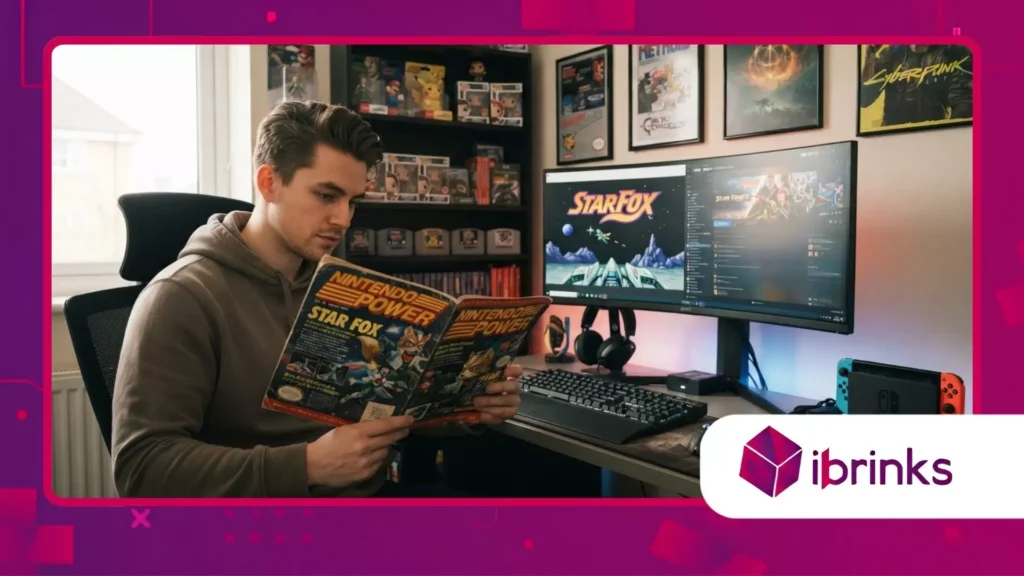
Retro game magazines shaped a generation of players, but their distinct editorial voice continues to direct the trajectory of modern gaming culture in 2026.
Long before algorithms dictated what users should play through endless feeds, physical print curated the global gaming ecosystem.
Pages filled with vibrant concept art, meticulously detailed strategy guides, and unfiltered developer interviews served as the primary connection between creators and enthusiasts worldwide.
Today, this legacy survives not as simple nostalgia, but as a foundational blueprint that directly influences how modern digital media structures reviews, community engagement, and historical preservation.
By analyzing how print media established these standards, we can better understand the current shifts toward independent journalism, long-form video essays, and the resurgence of tactile gaming collectibles.
Anúncios
- Historical Print Foundations: Examining the origins and how classic publications built the architectural framework for modern video game criticism.
- The Renaissance of Tactile Media: Analyzing why current enthusiast audiences are returning to physical print, premium books, and independent fanzines.
- Preservation and Creative Influence: Investigating how historical documentation continues to inspire contemporary game developers and secure digital archives.
Why Do Classic Gaming Publications Define Modern Aesthetics?
What Is the Visual Legacy of Retrogaming Layouts?
The explosive visual presentation of print media from the 1990s directly inspires the user interfaces of modern indie games and gaming websites.
Graphic designers working on contemporary retro-styled titles explicitly study the bold typography, chaotic collage styles, and neon palettes of old-school editorial spreads to evoke immediate familiarity.
This deliberate aesthetic choice establishes an instant emotional connection with players, proving that the artistic direction of vintage print remains a powerful tool for modern brand identity and user engagement.
How Did Early Journalists Shape Modern Review Scores?
The structured review formats used by major websites today, featuring breakdown metrics for graphics, sound, and replayability, were pioneered by mid-1990s print editors.
These early writers established the critical vocabulary that gamers still use to debate the merits of patch updates, downloadable content, and virtual reality experiences.
By codifying how interactive entertainment is evaluated, those original columnists built the intellectual foundation that allows contemporary online critics to maintain editorial authority in a fragmented media landscape.
++ Exploring rare prototypes of classic arcade titles
Why Do Developers Recreate Magazine Secrets in 2026?
Modern game designers frequently hide Easter eggs and cryptic side quests in their software to replicate the shared community discoveries originally sparked by monthly print columns.
When a player uncovers a hidden area in a new release, they experience the exact same thrill that readers felt decades ago when scanning tips pages.
This intentional design choice bypasses modern algorithmic optimization, encouraging organic players to talk, share discoveries, and form tight-knit communities just like the subscribers of the past.
How Does the Physical Print Medium Fight Digital Ephemerality?
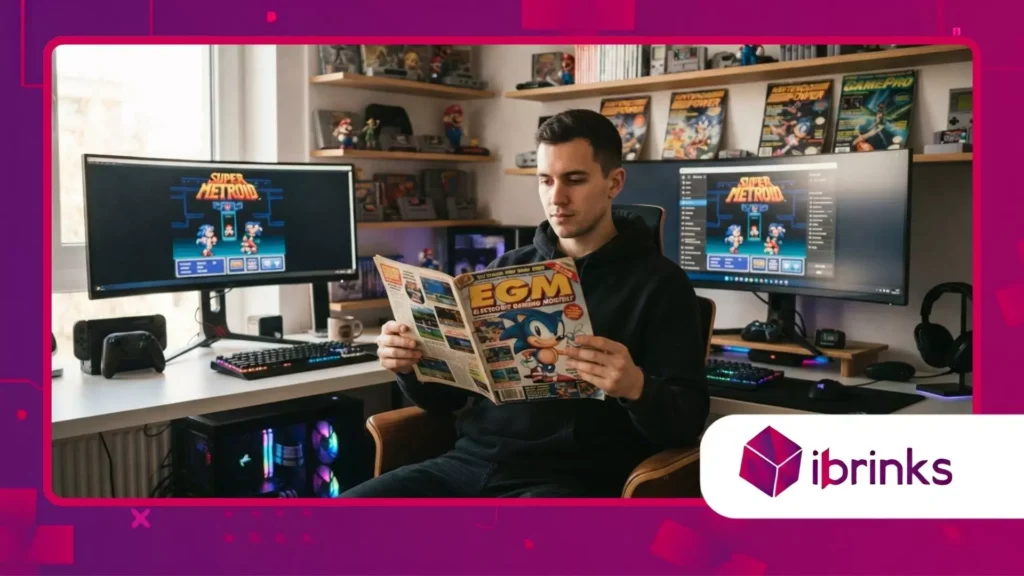
What Are the Limits of Purely Digital Gaming Media?
Online articles, server-dependent databases, and digital reviews can vanish instantly due to corporate restructuring, domain expirations, or sudden website shutdowns.
This volatile reality highlights the enduring value of physical documentation, which preserves gaming history exactly as it existed during a specific cultural moment.
Because digital media remains highly fragile, the permanence of ink on paper offers an irreplaceable, unalterable record that protects industry history from being rewritten or lost entirely.
Also read: The Arcade revolution in the ’70s explained
Why Is There a Rising Demand for Premium Retrogaming Books?
High-end publishers like Bitmap Books and independent fanzines are experiencing massive growth because players crave tangible connections to their favorite hobby.
These premium books treat gaming history with the dignity of fine art, using high-quality paper stocks and binding to elevate standard journalism into collectible artifacts.
Investors and casual readers alike purchase these volumes because they offer a focused, tactile reading experience that digital screens filled with pop-up advertisements simply cannot replicate.
Read more: Analyzing the rise of retro remasters: marketing and nostalgia
How Do Independent Fanzines Protect Gaming History Today?
Small-scale, fan-funded print projects use independent platforms to publish niche historical retrospectives that corporate, ad-driven websites refuse to cover.
By operating outside the constraints of search engine optimization algorithms, these passionate writers focus entirely on depth, accuracy, and obscure industry folklore.
Their dedicated work ensures that minor developers, forgotten hardware prototypes, and unreleased regional ports receive the serious journalistic documentation they rightfully deserve before fading into obscurity.
Why Do Industry Archives and Creators Rely on Classic Editorial Standards?
How Do Modern Game Directors Use Old Interviews for Inspiration?
Prominent game directors frequently consult archived developer interviews from vintage publications to understand the original philosophical intentions behind classic genre constraints.
Reading about how primitive teams bypassed severe hardware limitations inspires modern creators to solve complex software problems with elegant, creative design choices rather than relying solely on raw processing power.
Consequently, these historical archives function as active, living textbooks that continue to fertilize contemporary game development strategies.
What Is the Role of Specialized Archives in Preserving Culture?
Dedicated institutions like The Strong National Museum of Play actively digitize complete collections of global print media to serve as verifiable primary sources for academic researchers.
These preserved pages offer genuine, unfiltered insights into past societal attitudes, consumer behavior patterns, and the economic realities of the early tech industry.
Without these comprehensive physical archives, our collective understanding of gaming’s rapid evolution would be highly fragmented, unreliable, and overly reliant on corporate marketing spin.
How Does Nostalgia Drive Market Value for Vintage Media?
The financial value of pristine condition vintage issues has skyrocketed, turning old promotional materials into highly sought-after cultural assets at international auctions.
Serious collectors view these objects much like rare comic books, driving a competitive market that validates video games as a legitimate, historically significant art form.
This widespread commercial appreciation reinforces the idea that retro game magazines were never mere disposable advertising catalogs, but rather the essential cultural diaries of a multi-billion-dollar global phenomenon.
What Does the Evolution of Gaming Journalism Look Like Over Time?
The shift from physical monthly print to instantaneous digital feeds completely transformed how global audiences consume information, yet the core editorial structures remain deeply intertwined.
Understanding this transition helps highlight exactly which elements of media have improved, and which unique qualities were lost along the way.
| Era of Media | Primary Distribution | Content Speed | Core Strength | Current Cultural Impact in 2026 |
| Golden Age Print (1988–2004) | Monthly Physical Issues | Very Slow (30-day delay) | Curated Depth & Quality Layouts | Forms the aesthetic blueprint for modern indie titles and retro retro UI. |
| Early Digital Transition (2005–2018) | Ad-Driven Websites | Fast (Daily Updates) | Global Accessibility & Video | Established rapid news cycles but introduced high vulnerability to server loss. |
| Modern Archival Era (2019–2026) | Premium Books & Digital Vaults | Instantaneous / Permanent | Preservation & Independence | Drives the high-end collector market and provides primary research data. |
An excellent analogy for this shift is found in the music industry: just as vinyl records returned to prominence because audiophiles missed the tangible artwork and warmth of physical media, gaming enthusiasts return to classic print styles because they miss the curated, deliberate authority of trusted editors.
A single vintage page provides a cohesive snapshot of history, whereas a chaotic digital feed often fragments attention.
How Will the Spirit of Classic Print Shape the Next Generation of Gaming?
The foundational influence of classic print journalism will continue to guide the games industry as it navigates future technological shifts.
As long as players value authentic editorial voices, historical truth, and deliberate artistic curation, the structural lessons pioneered by early print writers will remain entirely relevant.
The ongoing survival of independent gaming fanzines proves that high-quality, focused writing transcends the temporary medium it is printed upon.
Ultimately, the enduring legacy of retro game magazines reminds us that gaming culture thrives on deep human connection, shared discovery, and careful historical preservation rather than fleeting digital metrics.
By embracing the premium, curated approach of classic publications, modern media creators can build sustainable platforms that respect both the history of the medium and the intelligence of the audience.
Let us continue to protect these physical records, support independent writers, and keep the vibrant spirit of classic editorial design alive for decades to come.
Share your own experiences with classic gaming print in the comments section below, and tell us which vintage issues you still keep on your shelves.
Frequently Asked Questions
What are the main reasons people still collect physical retro game magazines?
Collectors seek out physical issues because they offer an authentic, unalterable historical record of the gaming industry that cannot be deleted or edited by corporate publishers.
Additionally, the unique cover designs, vintage advertisements, and tactile reading experience provide a nostalgic value that digital formats cannot replicate.
How do classic print layouts influence modern video game graphic design?
Modern indie game developers and website UI designers frequently replicate the bold typography, vibrant color palettes, and distinct asset placement found in 1990s print media.
This deliberate styling creates an immediate sense of nostalgia and helps games stand out visually in a crowded digital marketplace.
Where can I access legally preserved digital archives of old gaming magazines?
Institutions like the Internet Archive and specialized physical museums like The Strong National Museum of Play offer public access to vast collections of scanned gaming print history.
These digital preservation projects are vital resources for historical research and academic study.
