
The evolution of pixel art from 8‑bit to modern indie games
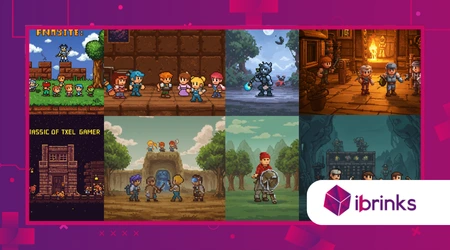
The evolution of pixel art from 8-bit beginnings to its vibrant role in modern indie games is a testament to creativity thriving under constraints.
Anúncios
In the late 1970s, pixel art emerged not as an artistic choice but as a necessity, born from the limitations of early computing and gaming hardware.
Think of arcade classics like Pac-Man (1980), where a yellow circle with a missing wedge became iconic despite its simplicity.
Fast forward to 2025, and pixel art has transcended its technical roots, becoming a deliberate stylistic choice in indie games like Celeste and Vampire Survivors.
This journey reflects not just technological progress but a cultural shift, where nostalgia meets innovation to craft experiences that resonate deeply.
Why does this blocky aesthetic still captivate us in an era of photorealistic graphics?
This article dives into the evolution of pixel art from 8-bit, exploring its origins, its transformation through the decades, and its resurgence as a storytelling powerhouse in indie games.
We’ll uncover how artists turned limitations into opportunities, how modern tools have expanded the medium, and why pixel art remains a timeless art form.
Along the way, we’ll weave in real-world examples, a key statistic, and practical insights to illuminate this pixelated journey.
The Dawn of Pixel Art: Necessity as the Mother of Invention
In the late 1970s, pixel art was born from the constraints of early arcade machines and home consoles like the Atari 2600.
Each pixel was a precious resource, with limited resolutions and color palettes often just 16 colors forcing artists to be ingenious.
Space Invaders (1978) used simple, monochromatic sprites, yet its alien designs became cultural icons. The evolution of pixel art from 8-bit began here, with every pixel meticulously placed to convey meaning.
This era demanded precision. Artists like Shigeru Miyamoto, creator of Super Mario Bros. (1985), used minimal pixels to craft recognizable characters.
++ Hidden easter eggs in classic NES titles you never noticed
Mario’s mustache, for instance, was added to define his face within a 16×16 grid. These constraints fostered a unique visual language, where less was more, and imagination filled the gaps.
The evolution of pixel art from 8-bit wasn’t just technical it was cultural. Early pixel art laid the foundation for gaming’s visual identity, influencing everything from arcade cabinets to modern digital art.
Its simplicity sparked a connection with players, proving that evocative design didn’t need complexity.
The 16-Bit Leap: Expanding the Canvas
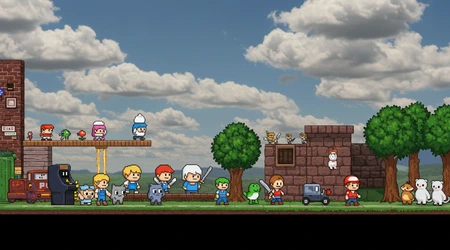
By the late 1980s, 16-bit consoles like the Super Nintendo (SNES) and Sega Genesis revolutionized pixel art. With up to 65,536 colors and larger sprites, artists could create richer worlds.
The Legend of Zelda: A Link to the Past (1991) showcased vibrant landscapes and detailed characters, pushing the evolution of pixel art from 8-bit into new expressive territory.
Techniques like parallax scrolling added depth, making 2D games feel expansive. Sonic the Hedgehog (1991) used bright colors and fluid animations to convey speed, captivating players.
Also read: Why retro consoles are making a comeback in 2025
This era marked pixel art’s shift from mere functionality to a medium of artistic expression.
The 16-bit era also saw the rise of pixel art communities, like the demoscene in Europe, where artists shared techniques via forums and early online platforms.
This collaborative spirit drove innovation, refining the craft and cementing pixel art’s cultural significance.
The Decline and Rebirth: Pixel Art in the 3D Era
The mid-1990s brought 3D graphics with consoles like the PlayStation and Nintendo 64, sidelining pixel art in mainstream gaming.
Titles like Final Fantasy VII (1997) embraced polygons, prioritizing realism over 2D sprites. The evolution of pixel art from 8-bit seemed to stall as developers chased photorealism.
Yet, pixel art found a new home in the early 2000s with indie developers. Cave Story (2004), created single-handedly by Daisuke Amaya, used pixel art to tell a heartfelt story, proving its emotional depth. This marked a turning point, reigniting interest in the medium.
Read more: Metal Gear Solid: Remembering the Magic of the First PS1 Game
The rise of digital platforms like Steam and mobile app stores gave indie creators a stage.
Games like Superbrothers: Sword & Sworcery EP (2011) blended pixel art with modern effects, showing that the evolution of pixel art from 8-bit could harmonize nostalgia with innovation.
The Indie Renaissance: Pixel Art as a Storytelling Powerhouse
The 2010s saw pixel art flourish in indie games, driven by its accessibility and nostalgic appeal.
Stardew Valley (2016), developed by Eric Barone, used pixel art to create a cozy, immersive farming simulator, selling over 20 million copies by 2022. The evolution of pixel art from 8-bit became a deliberate choice, not a limitation.
Games like Celeste (2018) pushed boundaries, blending 8-bit and 16-bit aesthetics with modern lighting and animations to tell a story of self-discovery.
Its pixel art felt handcrafted, evoking a painter’s brushstrokes, making every frame emotionally resonant.
Indie developers also experimented with hybrid styles. Hyper Light Drifter (2016) used neon palettes and dynamic lighting, creating a cyber-dreamlike world. This versatility showed pixel art’s ability to adapt, cementing its place in modern gaming.
Modern Tools and Techniques: Redefining Pixel Art
Today, tools like Aseprite and Photoshop empower artists to refine pixel art with precision.
Unlike the 1980s, where artists used graph paper or basic editors like Deluxe Paint, modern software supports complex animations and effects, enhancing the evolution of pixel art from 8-bit.
AI tools like MidJourney and Flux, as noted in a 2024 Pixel Gallery article, automate tasks like shading and dithering, freeing artists to focus on creativity.
Yet, the human touch remains vital hand-placed pixels give games like Vampire Survivors (2022) their addictive charm.
The evolution of pixel art from 8-bit also embraces hybrid techniques. Star Renegades (2020) drapes pixel art over 3D models, creating a stunning blend of retro and modern. This innovation keeps pixel art fresh and relevant.
Pixel Art’s Cultural Impact: Beyond Gaming
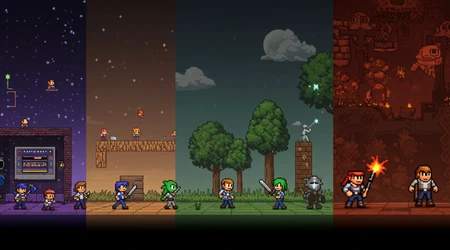
Pixel art’s influence extends beyond games, shaping digital culture. Artists like Invader create urban mosaics, turning pixels into public art.
Social media platforms buzz with pixel art GIFs, proving its adaptability in 2025’s digital landscape.
The evolution of pixel art from 8-bit has inspired fashion, with brands using pixelated designs on apparel to evoke nostalgia.
Gaming merchandise, like Shovel Knight t-shirts, turns sprites into collectibles, blending art with fandom.
Communities on platforms like Reddit and Threadless drive pixel art’s popularity, sharing tutorials and creations. This collaborative spirit mirrors the demoscene, ensuring pixel art remains a vibrant, evolving medium.
Why Pixel Art Endures: A Timeless Art Form
Pixel art endures because it’s more than nostalgia it’s a storytelling tool. Its simplicity invites players to project their imagination, unlike hyper-realistic graphics. Games like Undertale (2015) use minimal sprites to convey profound narratives.
The accessibility of pixel art empowers solo developers. A 2023 study by GDC found 60% of indie developers prefer pixel art for its low cost and creative control, highlighting its practical appeal in 2025.
Analogous to Impressionist painting, pixel art captures essence with minimal strokes. Just as Monet suggested landscapes with dabs of color, pixel artists evoke worlds with sparse pixels, proving less can be profoundly more.
Table: Key Milestones in Pixel Art Evolution
| Era | Key Games | Technological Advances | Impact on Pixel Art |
|---|---|---|---|
| 8-Bit (1970s-80s) | Pac-Man, Super Mario Bros. | Limited colors, low resolution | Established pixel art as a visual language |
| 16-Bit (1980s-90s) | Sonic, Zelda: A Link to the Past | Larger sprites, richer palettes | Enhanced expressiveness and depth |
| 3D Shift (1990s) | Final Fantasy VII | Polygonal graphics | Pixel art sidelined in mainstream gaming |
| Indie Revival (2000s-2010s) | Cave Story, Stardew Valley | Digital platforms, modern tools | Pixel art reborn as a stylistic choice |
| Modern Era (2020s) | Celeste, Vampire Survivors | AI tools, hybrid techniques | Blends nostalgia with cutting-edge design |
Conclusion: Pixel Art’s Bright Future
The evolution of pixel art from 8-bit is a story of resilience and reinvention. From the blocky sprites of Pac-Man to the emotive worlds of Celeste, pixel art has grown from a technical necessity to a celebrated art form.
In 2025, it thrives in indie games, urban art, and digital culture, driven by nostalgia and innovation. Its accessibility empowers creators, while its simplicity captivates players.
As tools like Aseprite and AI platforms evolve, pixel art’s future looks vibrant, promising new ways to tell stories with tiny squares. What will the next pixelated masterpiece reveal about our shared imagination?
Frequently Asked Questions
Why is pixel art still popular in 2025?
Pixel art’s nostalgic charm, affordability, and ability to evoke imagination make it a favorite for indie developers and players seeking authentic experiences.
What tools are best for creating pixel art today?
Aseprite and Photoshop are top choices for their precision, while AI tools like MidJourney assist with shading and dithering for faster creation.
