
How subscription services are reshaping gaming budgets
Anúncios
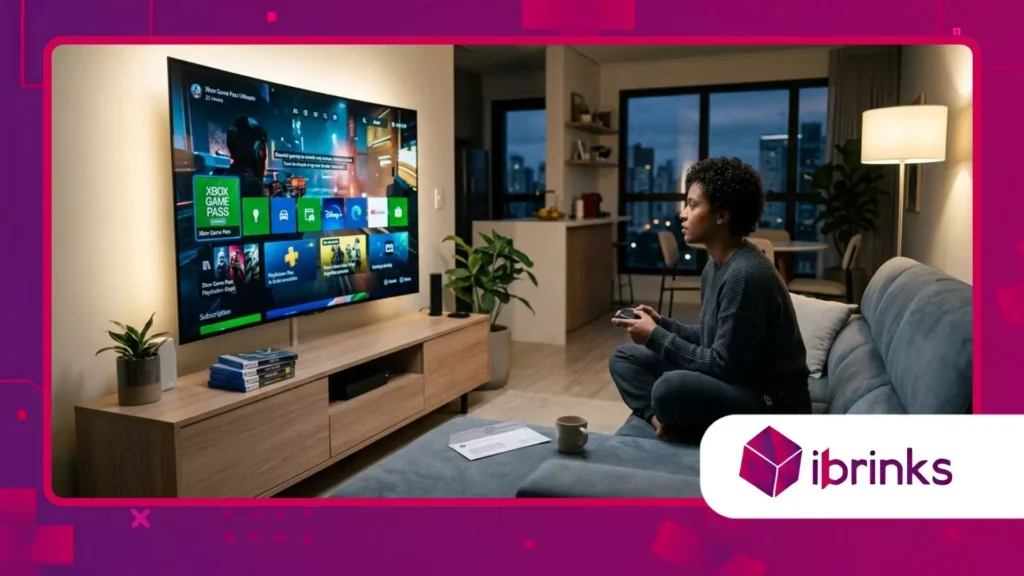
Subscription services are fundamentally transforming how players allocate their entertainment budgets in 2026, forcing a massive paradigm shift across the global interactive entertainment industry.
What used to be a straightforward transaction paying sixty or seventy dollars for a single physical disc or digital download has evolved into a complex ecosystem of recurring monthly fees.
This transition mirrors the evolution of the music and television industries, completely altering consumer behavior, game development strategies, and long-term financial planning for millions of households worldwide.
As developers chase predictable revenue streams and players demand immediate access to massive libraries, the traditional retail model is quickly becoming a secondary option.
The convenience of downloading hundreds of titles for the price of a cinema ticket is undeniable, yet it introduces new financial questions for the modern consumer.
Anúncios
Quick Navigation Guide
- Understanding the Shift: What Defines Modern Gaming Models?
- Financial Impact: How Do Subscriptions Alter Player Budgets?
- The Developer Dilemma: Why Are Creators Adapting to This Model?
- Future Outlook: Where Is the Market Heading Next?
What Defines Modern Gaming Subscriptions and How Do They Work?
What Is the Mechanics Behind Cloud and Library Gaming?
Modern platforms operate like digital buffet tables, granting users access to sprawling catalogs of titles in exchange for a fixed, recurring monthly subscription fee.
Instead of owning an asset, players purchase a temporary license that remains active only as long as their financial contribution continues each month.
This model relies heavily on cloud infrastructure and rotating libraries, meaning a game you enjoy today might vanish from the service by next Tuesday.
How Does Platform Exclusivity Impact Your Monthly Choices?
Major industry players utilize these ecosystems to lock consumers into specific hardware or brand environments, making platform loyalty a significant financial decision.
By offering high-profile, first-party releases on day one, corporations incentivize gamers to maintain active memberships rather than purchasing titles individually elsewhere.
Consequently, a consumer’s monthly budget is often dictated by which console or ecosystem they chose during the holiday shopping season.
++ How community-built experiences extend a game’s lifespan
Why Are Ecosystem Tiers Changing the Value Proposition?
Service providers split their offerings into multiple cost tiers, separating basic online multiplayer access from premium benefits like cloud streaming and classic game archives.
This structural design subtly encourages users to upgrade to the highest tier, maximizing the perceived value of their investment while increasing monthly expenses.
It creates a psychological trap where spending twenty dollars a month feels more economical than buying two premium releases annually.
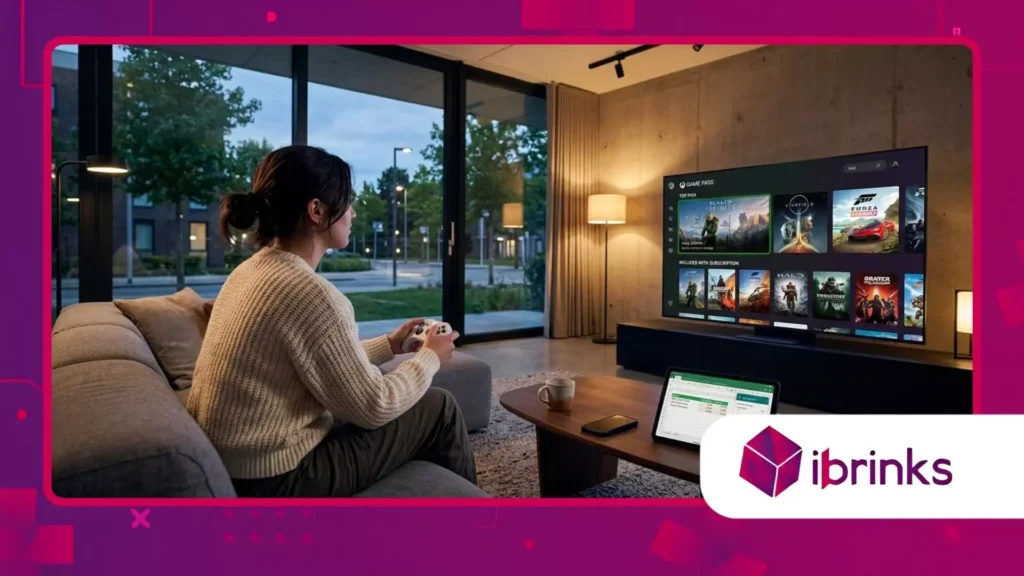
How Do Subscriptions Alter Player Spending Habits?
What Are the Real Financial Metrics for Today’s Gamers?
While paying fifteen to twenty dollars a month sounds negligible, the cumulative annual cost across multiple services quietly drains a household’s disposable income.
Have you ever actually calculated how much money leaves your bank account each year for digital entertainment licenses you might not even use?
The illusion of saving money often masks the reality that consumers are paying more over time for a fragmented collection of temporary access passes.
According to recent 2026 market data from MIDiA Research, the average engaged player now balances 2.4 active gaming memberships simultaneously, leading to consistent monthly expenditures.
This multi-service fatigue mimics the fragmentation of video streaming, where content spread across separate platforms forces consumers to stack bills to stay relevant.
| Subscription Tier Type | Average Monthly Cost (USD) | Annual Financial Commitment | Core Benefit Provided |
| Entry-Level Tier | $9.99 | $119.88 | Online multiplayer and basic monthly titles |
| Standard Library Tier | $14.99 | $179.88 | Full catalog access to hundreds of older games |
| Premium Day-One Tier | $19.99 | $239.88 | New blockbuster releases on launch day plus cloud |
How Does the Concept of Gaming Micro-Transactions Fit In?
Accessing a game through subscription services does not guarantee a complete financial boundary, as publishers increasingly integrate aggressive monetization inside these titles.
Players who save money on the initial entry price often feel more comfortable spending real currency on cosmetic items, battle passes, and downloadable content.
This behavior transforms the subscription model into a highly effective customer acquisition tool that drives high-margin in-game spending after the initial download.
Also read: The rise of community-driven roadmaps replacing fixed development plans
Why Is the Ownership vs Access Debate Reaching a Crisis Point?
The total erasure of physical media ownership means that if a service shuts down, your entire digital library and save history can vanish instantly.
Think of it like renting a beautifully furnished apartment instead of buying a house; you enjoy the luxury immediately, but you build absolutely zero long-term equity.
This shift alarms preservationists and budget-conscious players who realize they are entirely dependent on corporate server maintenance to access their favorite pastimes.
Why Are Game Creators Adjusting Their Economic Strategies?
How Do Compensation Metrics Affect Independent Game Developers?
Independent studios often rely on upfront lump-sum payments from platform holders to survive development cycles, sacrificing long-term sales royalties for immediate financial security.
While this influx of capital mitigates early financial risk, it fundamentally changes how success is measured, prioritizing raw player engagement over traditional units sold.
If an indie title fails to capture immediate attention within a crowded catalog during its launch week, its monetization potential plummets.
Read more: How modern games balance freedom vs guidance without hand-holding
Why Are Major Publishers Prioritizing Retention Over Launch Sales?
Blockbuster publishers are re-engineering their design philosophies to create endless, recurring experiences that keep users subscribed for months or even years at a time.
The traditional linear, narrative-driven adventure is frequently sidelined in favor of open-ended, live-service games that justify a continuous monthly platform fee.
This corporate strategy ensures a steady baseline of predictable revenue, stabilizing the historically volatile boom-and-bust nature of the traditional retail calendar.
How Does Catalog Saturation Change What Games Are Made?
When thousands of titles compete for a finite amount of player time within a single interface, developers must design games for instant gratification.
Mechanics are increasingly optimized to hook a player within the first fifteen minutes, reducing the prevalence of slow-burning narratives or complex systems.
This environmental pressure forces a homogenization of design, where unique concepts are routinely polished away to appeal to the broadest possible subscription demographic.
What Is the Future Path for Entertainment Budgets?
What Will Premium Pricing Tiers Look Like by 2027?
As corporate consolidation continues to reshape the landscape, industry analysts project a steady rise in baseline membership fees to offset skyrocketing development costs.
Platforms will likely introduce hyper-premium tiers, gating highly anticipated sequels behind higher paywalls or forcing standard members to wait weeks after the official launch.
The era of cheap, comprehensive digital libraries is drawing to a close as corporations prioritize profitability over aggressive market share acquisition.
How Is Cloud Streaming Redefining Hardware Financial Requirements?
The maturation of stable cloud infrastructure allows consumers to bypass expensive console or PC upgrades entirely, moving the processing burden to remote servers.
By shifting the financial barrier from expensive hardware to high-speed internet and platform fees, gaming becomes accessible to a massive global audience.
This democratization completely changes the household technology budget, trading a periodic five-hundred-dollar hardware investment for a permanent monthly operational cost.
Why Will Traditional Retail Sales Coexist with Digital Access?
Despite the undeniable dominance of cloud catalogs, a dedicated segment of the market continues to support traditional, premium à la carte purchases.
Collectors, enthusiasts, and rural players with limited internet bandwidth sustain the demand for physical discs and standalone digital keys that guarantee perpetual offline access.
This creates a bifurcated marketplace where mainstream audiences rent their experiences, while purists pay a premium price premium to truly own their media.
Final Thoughts on Changing Wallets
The meteoric rise of subscription services has permanently rewritten the economic rules of interactive entertainment, offering unprecedented variety while quietly redefining financial ownership.
While these platforms lower the barrier to entry for casual players, they simultaneously demand a continuous, lifetime financial commitment to maintain a digital library.
Navigating this landscape requires consumers to be vigilant with their monthly statements, ensuring that convenience does not morph into expensive, unnoticed financial waste.
Ultimately, the power rests with the consumer to audit their digital habits and decide whether perpetual renting truly fits their lifestyle.
What is your current strategy for managing your monthly entertainment expenses? Share your experience in the comments below and let us know if you prefer owning your games or subscribing to a library!
Frequently Asked Questions
Do subscription services save money for the average casual player?
Yes, if a player completes multiple new titles each year, a membership costs significantly less than buying those releases individually at retail price.
However, for individuals who focus on only one or two games annually, paying a continuous monthly fee results in overpaying for unused content access.
Can games be removed from a platform without warning?
Yes, third-party titles routinely rotate out of digital catalogs due to expiring licensing agreements between publishers and platform owners.
First-party games generally remain permanent fixtures, but independent and licensed properties will disappear, removing your ability to play them unless purchased separately.
What happens to my save data if I cancel my active subscription?
Your progress and save files are typically preserved on cloud servers linked directly to your personal profile or ecosystem account.
If you choose to resubscribe in the future or purchase the game as a standalone title, your progress will automatically restore exactly where you left off.
