
Street Fighter: The Complete History of the Franchise That Revolutionized Fighting Games
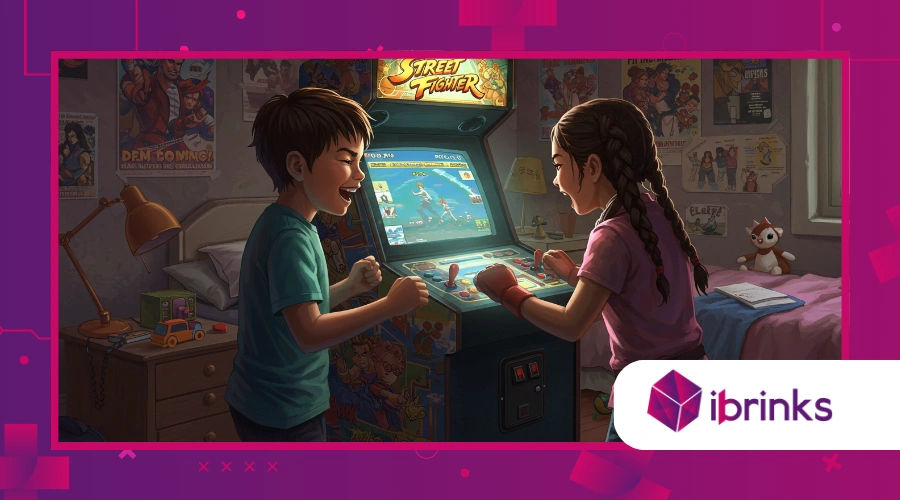
Few names in gaming history carry as much weight as Street Fighter.
Anúncios
Since its debut in 1987, this iconic franchise has not only defined the fighting game genre but also reshaped the way players engage with competitive gaming.
From its humble beginnings in arcades to its dominance in esports, Street Fighter has consistently pushed boundaries, blending innovative mechanics with unforgettable characters.
This article dives deep into the evolution of the series, exploring its impact on gaming culture, its technological advancements, and its enduring legacy.
As the franchise continues to grow, it remains a testament to the power of creativity and innovation in the gaming industry.
The cultural significance of Street Fighter extends beyond just gameplay; it has become a symbol of community and competition among gamers worldwide.
The Birth of a Legend: How It All Began
When Capcom released the first Street Fighter in 1987, few could have predicted its monumental impact.
Designed by Takashi Nishiyama and Hiroshi Matsumoto, the original game introduced players to a simple yet revolutionary concept: one-on-one combat with unique moves and special attacks.
While the first installment laid the groundwork, it was Street Fighter II: The World Warrior (1991) that truly catapulted the franchise into the stratosphere.
Street Fighter II wasn’t just a game; it was a cultural phenomenon.
It introduced a roster of diverse characters, each with distinct fighting styles and backstories, creating a template that countless games would later emulate.
The game’s success was staggering, grossing over $1.5 billion in revenue by 1993, according to a report by The New York Times.
This financial triumph solidified Capcom’s position as a leader in the gaming industry and set the stage for decades of innovation.
Moreover, the game’s iconic music and memorable sound effects contributed to its lasting appeal, making it a staple in arcades and homes alike.
As players became more invested in the characters and their stories, the game laid the foundation for narrative-driven gameplay in future titles.
The Golden Age: Defining a Genre
The 1990s marked the golden age.
With Street Fighter II dominating arcades, Capcom refined the formula, releasing updated versions like Champion Edition and Hyper Fighting.
These iterations introduced new mechanics, such as faster gameplay and additional characters, keeping the experience fresh and engaging.
The franchise’s influence extended beyond gaming.
It became a social experience, with players gathering in arcades to test their skills and build communities.
This era saw the rise of competitive gaming, with Street Fighter tournaments emerging and laying the foundation for modern esports.
As players honed their skills, they formed rivalries and friendships, creating a vibrant culture around the game.
The impact of Street Fighter on popular culture was profound, inspiring movies, TV shows, and even merchandise that celebrated its characters and lore.
Innovation and Evolution: The 3D Era and Beyond
The late 1990s and early 2000s saw the franchise experimenting with 3D graphics and new gameplay mechanics.
Street Fighter EX (1996) was among the first to bring the series into 3D, blending 2D gameplay with polygonal characters.
While not as commercially successful as its predecessors, it demonstrated Capcom’s willingness to take risks.
The release of Street Fighter IV in 2008 marked a triumphant return to form.
Combining the classic 2D gameplay with stunning 3D visuals, the game revitalized the franchise and introduced it to a new generation of players.
Its success paved the way for Street Fighter V (2016), which further expanded the series’ reach by embracing online multiplayer and esports.
The evolution of graphics and gameplay mechanics allowed for deeper strategies and more complex character interactions, enriching the overall experience.
As the series adapted to new gaming platforms, it also embraced digital distribution, making it more accessible to players worldwide.
+ Asteroids: The Classic Space Shooter That Defined Generations
The Characters: Icons of Gaming
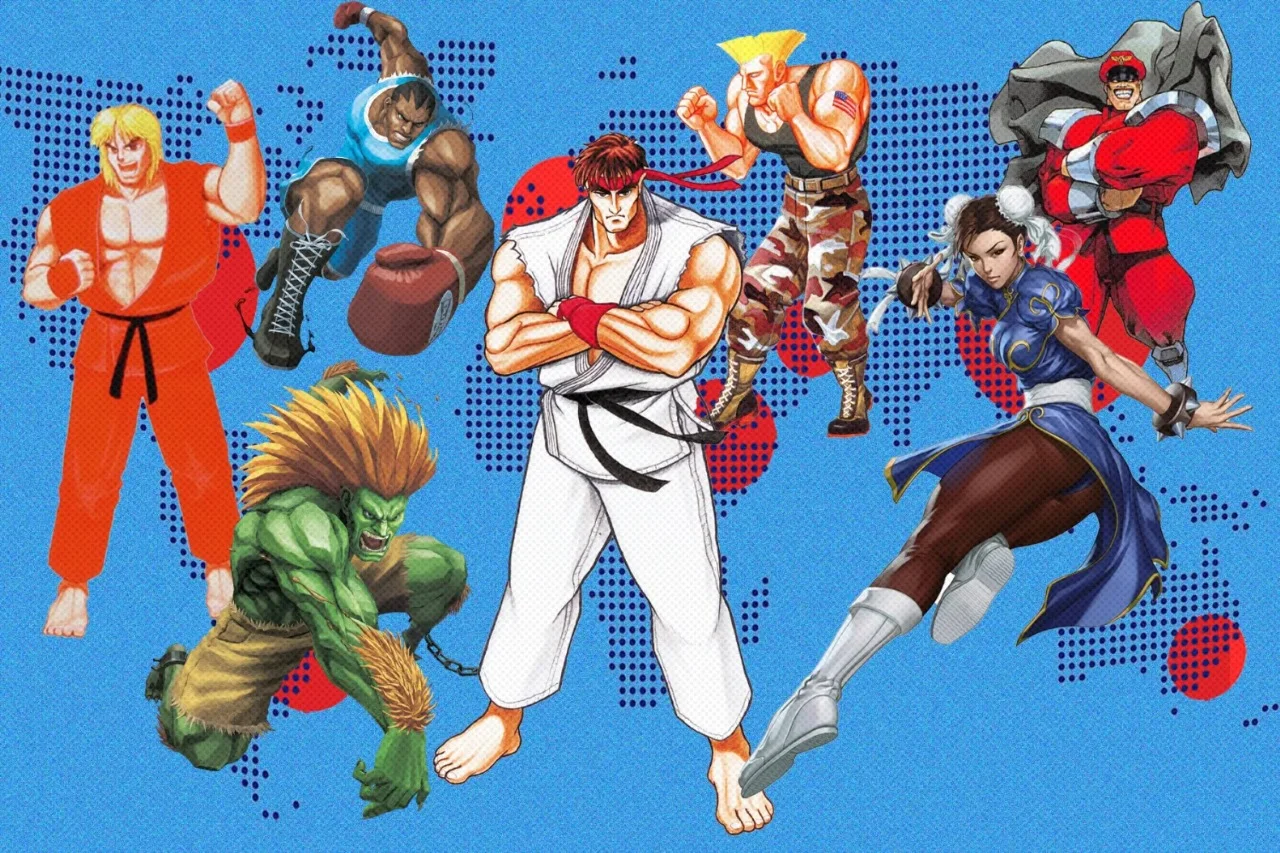
One of the most enduring aspects of Street Fighter is its roster of characters.
From Ryu and Ken to Chun-Li and Guile, each fighter has become a symbol of the franchise’s identity.
These characters are more than just avatars; they are cultural icons, representing different fighting styles, nationalities, and personalities.
Chun-Li, for example, broke barriers as one of the first prominent female fighters in gaming, while Ryu’s disciplined approach to martial arts has made him a fan favorite.
The diversity of the cast has not only enriched the gameplay but also fostered a sense of inclusivity, resonating with players worldwide.
As new characters are introduced, they often reflect contemporary issues and cultural trends, keeping the franchise relevant.
The character design process involves extensive research and development to ensure that each fighter is unique and compelling.
The Competitive Scene: From Arcades to Esports
Street Fighter has always been synonymous with competition.
What began as friendly rivalries in arcades has evolved into a global esports phenomenon.
The Capcom Pro Tour, established in 2014, has become one of the most prestigious events in competitive gaming, offering millions in prize money and attracting top talent from around the world.
The franchise’s emphasis on skill and strategy has made it a staple of the esports scene.
Players like Daigo Umehara, “The Beast,” have achieved legendary status, highlighting the depth and complexity of Street Fighter’s gameplay.
The rise of streaming platforms has increased competitive Street Fighter’s visibility, enabling fans to watch live matches and engage with the community.
Accessibility has cultivated a new generation of players and fans, ensuring the franchise’s relevance in the gaming landscape.
The Legacy: A Franchise That Stands the Test of Time
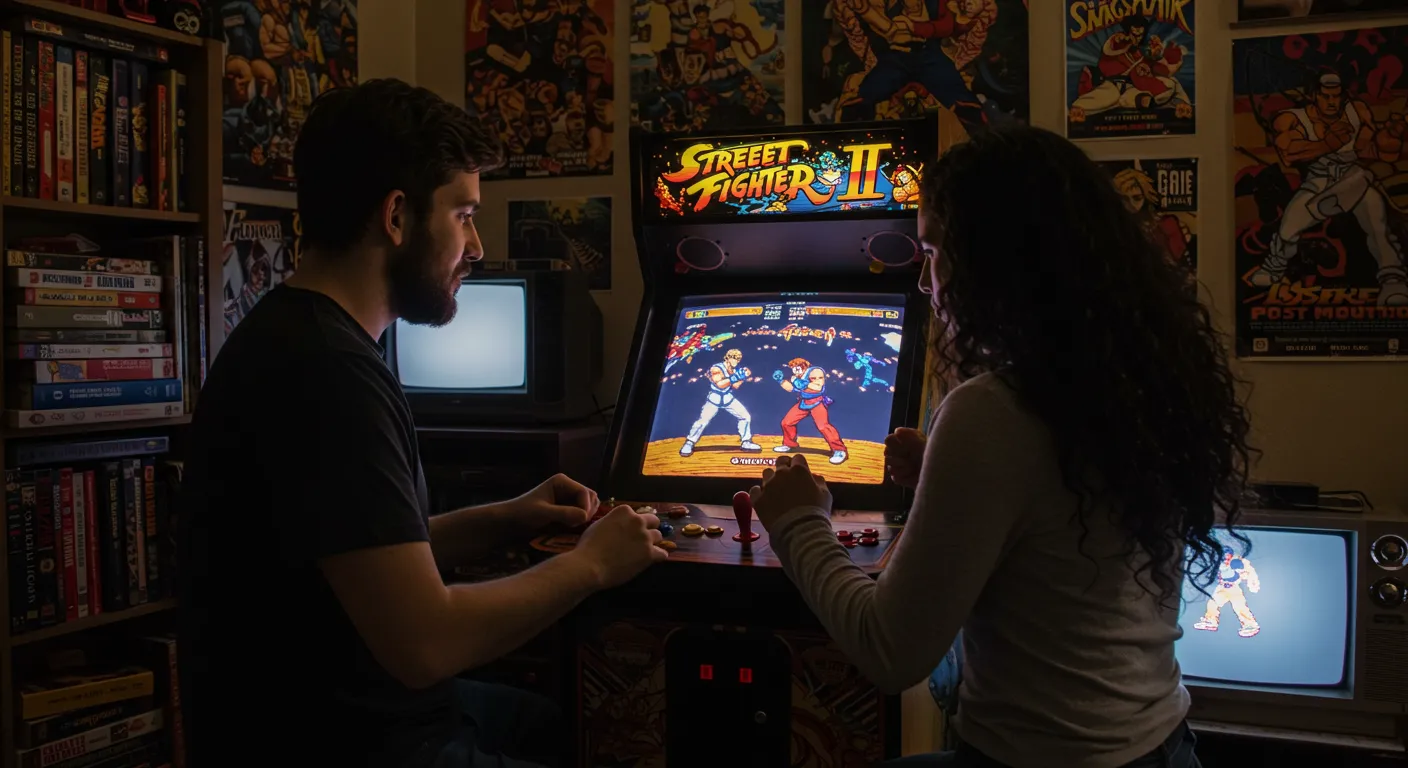
Few franchises have managed to remain relevant for over three decades, but Street continues to thrive.
Its influence can be seen in countless games, from Mortal Kombat to Tekken, and its characters have become pop culture icons.
The release of Street Fighter 6 in 2023 further cements the series’ legacy.
With its innovative “Drive System” and a renewed focus on accessibility, the game promises to attract both veterans and newcomers alike.
This latest installment also emphasizes community engagement, with features that allow players to share their experiences and strategies.
As the franchise evolves, it remains committed to honoring its roots while exploring new avenues for growth and innovation.
++ Top Gear Trivia: Facts You Didn’t Know About the Game
Tables: Key Milestones and Sales Data
Table 1: Key Milestones in History
| Year | Milestone |
|---|---|
| 1987 | Release of Street Fighter |
| 1991 | Street Fighter II revolutionizes the genre |
| 1996 | Street Fighter EX introduces 3D graphics |
| 2008 | Street Fighter IV revitalizes the franchise |
| 2016 | Street Fighter V embraces esports |
| 2023 | Street Fighter 6 launches with new mechanics |
Table 2: Sales Data for Select Titles
| Title | Release Year | Copies Sold (Millions) |
|---|---|---|
| Street Fighter II | 1991 | 6.3 |
| Street Fighter IV | 2008 | 3.4 |
| Street Fighter V | 2016 | 2.5 |
Conclusion: A Fighting Game Titan
The game is more than just a game; it’s a cultural touchstone that has shaped the gaming industry for over 35 years.
Its innovative gameplay, memorable characters, and competitive spirit have made it a cornerstone of the fighting game genre.
As the franchise continues to evolve, one thing is certain: Street Fighter will remain a symbol of excellence in gaming, inspiring players and developers for generations to come.
Whether you’re a seasoned veteran or a curious newcomer, the world of Street Fighter offers something for everyone.
So grab your controller, choose your fighter, and step into the ring—the legacy awaits.
