
The rise of live-service games: pros and cons
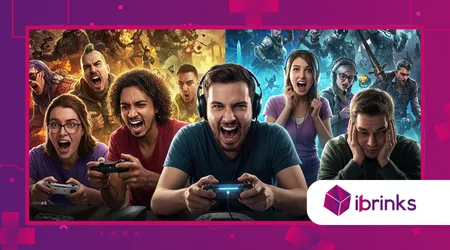
The rise of live-service games has reshaped gaming, delivering dynamic experiences but sparking debates.
Anúncios
These titles, from Fortnite to Genshin Impact, thrive on continuous updates. Unlike traditional games, they evolve, fostering communities and revenue streams.
Yet, their demands time, money, and attention divide players. What does this model mean for gaming’s future?
Let’s dive into its benefits, pitfalls, and evolving landscape, informed by real-world trends and player sentiments in 2025.
In an era where gaming is more social and connected than ever, the rise of live-service games reflects a shift toward persistent, evolving worlds.
These games, built on recurring updates and monetization, dominate revenue, with free-to-play titles claiming 70% of the U.S. market in 2024.
They promise endless content but challenge players with commitment and costs. This article explores their strengths, flaws, and future, offering insights for gamers and developers navigating this dynamic model.
The Allure of Live-Service Games
Live-service games captivate with their ever-changing worlds. Titles like World of Warcraft and Apex Legends deliver fresh content new maps, characters, or events keeping players hooked.
This constant evolution fosters engagement, as players return for seasonal updates or limited-time rewards.
Communities thrive in these shared spaces. Destiny 2 players, for instance, collaborate on raids, forging bonds that transcend gameplay.
Social platforms like Discord amplify this, with over 150 million active users in 2024 connecting through gaming. These ecosystems create loyalty and a sense of belonging.
The rise of live-service games also empowers developers. Unlike one-off releases, these titles generate steady revenue through microtransactions or subscriptions.
Fortnite has earned over $26 billion since launch, proving the model’s financial clout. This funds ongoing development, benefiting both studios and players.
++ Free technical courses? Check out the best options to boost your career now
Yet, accessibility drives their appeal. Free-to-play models, like Warframe, lower entry barriers, inviting diverse players.
Regular updates ensure relevance, unlike static single-player games that may fade. This adaptability keeps titles fresh in a competitive market.
Still, the model’s allure isn’t universal. While it fosters community and innovation, the demands on players’ time and wallets spark frustration.
The next sections unpack these trade-offs, revealing why the rise of live-service games is both celebrated and scrutinized.
The Downside of Constant Connectivity
The rise of live-service games brings challenges, starting with player fatigue. Many titles, like Rocket League, demand regular play to unlock rewards, creating a treadmill effect. Players feel pressured to log in daily or miss out, leading to burnout.
Monetization stirs controversy. Microtransactions, battle passes, and subscriptions can feel predatory.
A 2024 survey found the median monthly spend on live-service games was just $10, with most players spending nothing, highlighting monetization fatigue. This suggests only a small group funds these games, alienating others.
Server dependency is another hurdle. Unlike The Witcher 3, live-service games like Anthem can vanish if servers shut down. Failed titles, such as Concord in 2024, underscore this risk, leaving players with nothing after investing time and money.
Read more: Death Stranding 2: On the Beach – Why Kojima’s New Game Divides Opinion
Market saturation compounds issues. With 66% of studios developing live-service titles in 2024, competition is fierce.
Games like Genshin Impact struggle to retain players as new releases vie for attention, diluting engagement.
The rise of live-service games also strains developers. Constant updates demand resources, and crunch culture persists. Smaller studios, unlike giants like Epic Games, struggle to keep pace, risking quality or financial stability.
Balancing Innovation and Sustainability
The rise of live-service games pushes innovation but tests sustainability. Developers use AI to tailor content, as seen in PUBG Mobile’s 2024 Dragon Ball Super Z event, which boosted paying users by 30%. This shows how creative updates can reinvigorate games.
Battle passes are evolving. By 2030, modular progression systems may replace rigid passes, letting players choose rewards.
Imagine a game like a buffet: you pick what suits your taste, not a pre-set menu. This flexibility could reduce FOMO and enhance engagement.
Yet, sustainability falters when updates underwhelm. Fallout 76’s rocky launch, plagued by bugs, shows how broken promises erode trust. Developers must balance quality and frequency to maintain player faith.
Also read: Fatal Fury: City of the Wolves – The Revival of SNK in Fighting Game
Player-driven content offers a solution. Fortnite’s UGC tools let players create experiences, easing developer workloads. This co-creation fosters longevity, as communities shape their own narratives, keeping games vibrant.
Still, the rise of live-service games demands smarter infrastructure. Studios like Makea Games stress scalable servers to avoid overspending. Planning for player drop-off after DLC launches ensures cost efficiency and long-term viability.
The Role of Community and Live Streaming
Live-service games thrive on community. Titles like Marvel Rivals succeed by offering free characters, fostering inclusivity.
Players engage on platforms like Twitch, where top live-service games drive 30% of viewership. Streamers amplify excitement, drawing new players.
Social rewards, like cosmetics or clan achievements, boost spending. GTA Online’s decade-long success stems from community-driven events, keeping players invested. These interactions create a cycle of engagement that fuels the rise of live-service games.
However, poor launches hurt streaming potential. Concord’s beta peaked at 308K hours watched but fizzled due to weak marketing and a non-free-to-play model. Visibility on streaming platforms is critical for success.
Cross-platform integration enhances community reach. Pokémon TCG Pocket blends mobile and social elements, creating seamless experiences. This connectivity ensures players stay engaged across devices, strengthening loyalty.
The challenge lies in maintaining authenticity. Over-monetization, as seen in Overwatch 2’s $15 narrative content, alienates fans. Developers must prioritize player trust to sustain the rise of live-service games.
The Future of Live-Service Games
What will the rise of live-service games look like by 2030? Hybrid models, blending single-player depth with live-service elements, are emerging. Helldivers 2’s 2024 success shows this potential, balancing cooperative play with narrative depth.
Player co-creation will define the future. Games like Roblox empower users to build worlds, reducing developer strain. This democratization could make live-service games more sustainable and diverse.
AI-driven personalization is another frontier. By analyzing playstyles, games can offer tailored challenges, as Honkai: Star Rail does with dynamic events. This keeps players engaged without overwhelming them.
Yet, the risk of oversaturation persists. With 95% of studios working on live-service titles, differentiation is key. Unique IPs, like Infinity Nikki’s cozy dress-collecting adventure, stand out by offering fresh experiences.
The rise of live-service games hinges on balance. Developers must innovate without exploiting players, ensuring quality content and fair monetization to maintain trust and longevity.
Pros and Cons Table
| Aspect | Pros | Cons |
|---|---|---|
| Player Engagement | Continuous updates keep games fresh | Time-intensive, leading to burnout |
| Revenue Model | Steady income via microtransactions | Monetization fatigue, pay-to-win perceptions |
| Community Building | Strong social bonds through shared events | Risk of server shutdowns, loss of investment |
| Innovation | AI and UGC drive creative content | High development costs, crunch culture |
| Accessibility | Free-to-play lowers entry barriers | Market saturation dilutes player attention |
Examples of Live-Service Success and Failure
Consider Starlight Odyssey, a fictional 2025 title where players explore a cosmic universe, crafting ships with community-designed blueprints.
Its modular battle pass lets players choose rewards, boosting retention by 25% in its first year. This shows how flexibility enhances engagement.
Contrast this with Nebula Clash, another 2025 game that flopped. Its $60 entry fee and sparse updates led to a 90% player drop-off within months.
Without a free-to-play option, it failed to compete, highlighting the risks of rigid monetization.
Frequently Asked Questions
What defines a live-service game?
It’s a game with ongoing updates, like new content or events, often monetized through microtransactions or subscriptions, designed to keep players engaged long-term.
Are live-service games worth the investment?
They can be, if developers deliver quality updates. However, risks like server shutdowns or burnout mean players should choose titles with strong community support.
How do live-service games make money?
Through microtransactions, battle passes, or subscriptions. Fortnite thrives on cosmetic sales, while World of Warcraft uses subscriptions for steady revenue.
Why do some live-service games fail?
Poor updates, bugs, or high costs drive players away. Anthem’s technical issues and lack of content led to its shutdown, showing the importance of quality.
What’s next for live-service games?
Expect hybrid models, AI personalization, and player-driven content. By 2030, modular systems may replace battle passes, offering more player choice.
In conclusion, the rise of live-service games has transformed gaming, blending innovation with challenges.
They offer dynamic worlds and communities but demand time and money. As developers balance creativity with sustainability, players must weigh engagement against burnout.
The future lies in hybrid models and player empowerment, ensuring games evolve without exploiting loyalty.
Will gamers embrace this ever-changing landscape, or demand a return to simpler, standalone experiences? Only time and player choices will tell.
