
The rise of women’s divisions across global esports circuits
Anúncios
Women’s divisions are rapidly transforming the professional gaming landscape by establishing sustainable ecosystems, dedicated tournament infrastructure, and long-term financial backing across major esports titles worldwide.
While critics historically questioned whether gender-segregated initiatives were necessary in digital competitions, empirical data from Riot Games’ VCT Game Changers and ESL FACEIT Group’s ESL Impact proves these dedicated frameworks actively expand the broader player base, attract non-endemic sponsors, and build direct pipelines toward tier-one co-ed leagues.
Understanding this structural evolution requires analyzing how official publisher support, competitive grassroots circuits, and targeted commercial investments intersect to rewrite industry standards.
Through systematic development and equalized prize pools, competitive gaming is witnessing an unprecedented shift toward operational parity and inclusive professional pathways.
Belangrijkste hoogtepunten
- Structural Evolution: How publishers build sustainable professional pipelines.
- Financial Parity: The real impact of prize pools and commercial sponsorships.
- Overcoming Obstacles: Addressing systemic barriers in competitive gaming.
- Ecosystem Benchmarks: Comparative data across major competitive titles.
- Future Trajectory: The long-term vision for global inclusive leagues.
What Is Driving the Structural Growth of Inclusive Esports?
Why Are Major Publishers Investing in Dedicated Leagues?
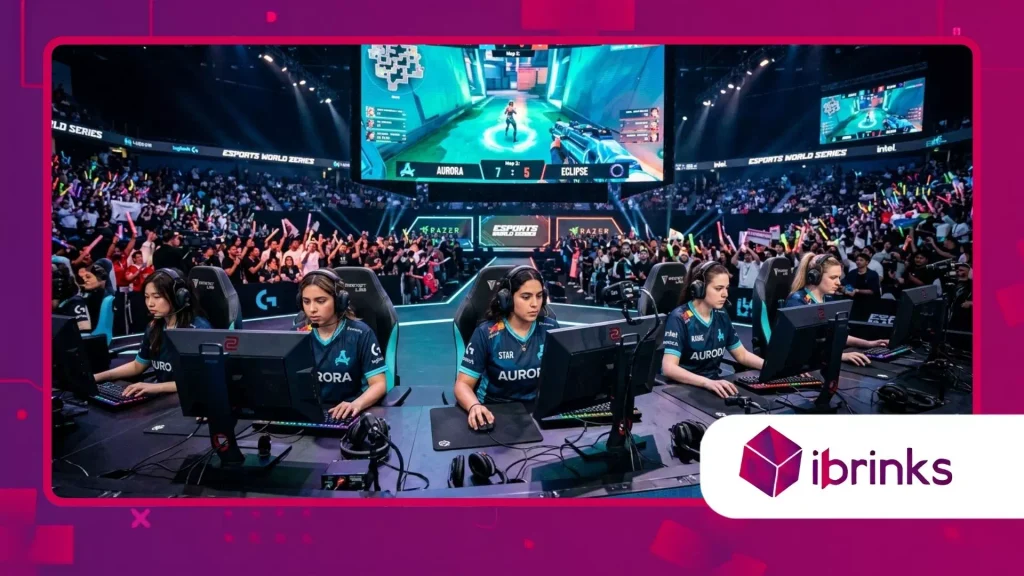
Publishers recognize that structured ecosystems convert casual female gamers into lifelong esports viewers and elite competitors.
Anúncios
Riot Games demonstrated this business strategy through the Valorant Champions Tour (VCT) Game Changers program, which logged over 138,000 peak viewers during its world championship events and created stable salary structures for women players.
By building sanctioned circuits with regional qualifiers and international LAN finals, publishers eliminate third-party operational instability while guaranteeing consistent broadcast exposure for emerging talent across North America, EMEA, and Asia-Pacific.
Professional organizations now view inclusive rosters as valuable brand assets rather than token initiatives.
Industry giants like G2 Esports, Team Liquid, and Shopify Rebellion maintain fully salaried rosters with access to high-performance facilities, sports psychologists, and dedicated analytical staff.
This institutional backing ensures that athletes compete under optimal professional conditions, rapidly closing the skill gap caused by years of historical exclusion and lack of structured coaching.
How Do Regional Tournament Infrastructure Expansion Protocols Work?
Grassroots tournament organizers serve as the foundational bedrock for global competitive circuits.
ESL FACEIT Group’s ESL Impact initiative established a $215,000 annual Counter-Strike circuit featuring weekly online divisions, regional qualifiers, and major LAN finals in Dallas and Valencia.
This tier-two and tier-three framework enables amateur squads to gain vital stage experience without requiring massive initial capital investments from endemic sponsor organizations.
Local LAN tournaments and university leagues further reinforce this pipeline by integrating competitive divisions into regional scholastic circuits.
By establishing clear regional ranking points and open-qualifier brackets, aspiring players can systematically progress from semi-professional ladder matches to internationally broadcast tournaments.
This clear ladder of opportunity encourages broader grassroots participation and sustained competitive involvement across diverse geographic regions.
++ Waarom toernooiformaten onderdeel worden van entertainment
What Role Does Financial Parity Play in Sustainability?
Equalizing prize distribution directly dictates whether talented players can pursue professional gaming as a full-time career.
Historically, independent third-party tournaments offered marginal rewards that failed to cover basic living expenses for non-tier-one competitors.
Today, dedicated publisher funding ensures multi-hundred-thousand-dollar prize pools that rival traditional mid-tier esports circuits, providing financial security for top-performing teams.
Sponsorship revenue from major corporate partners such as Red Bull, Mastercard, and Lenovo has further validated the commercial viability of dedicated leagues.
Brand partners recognize that these broadcasts engage a highly active, diverse demographic that traditional esports programming often struggles to reach.
Consequently, growing media rights and targeted ad placements create a self-sustaining financial model for team owners and tournament operators alike.
How Are Professional Athletes Breaking Historical Systemic Barriers?
Why Is Grassroots Talent Scouting Essential for Long-Term Parity?
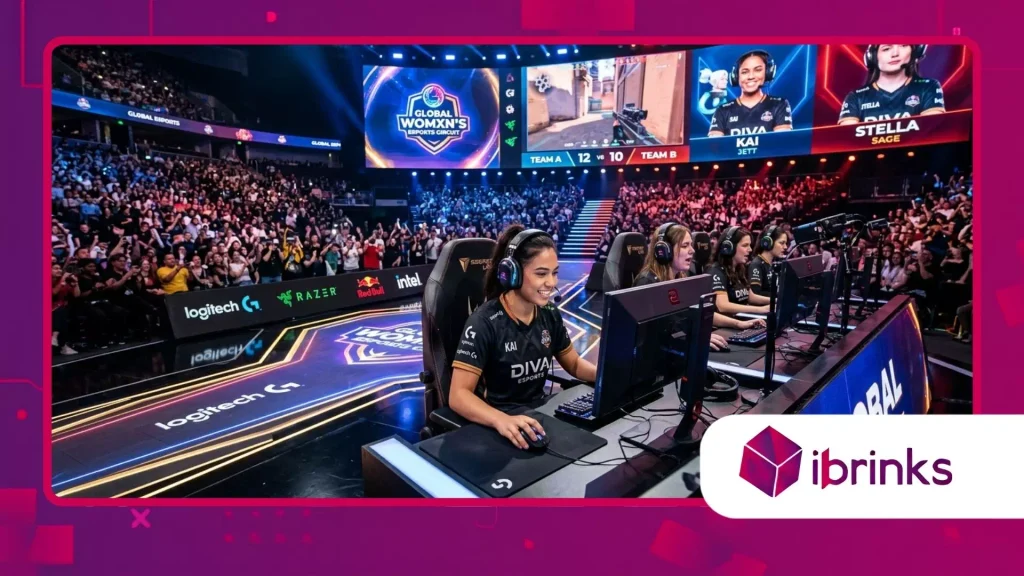
Systemic talent discovery requires active algorithmic scouting, dedicated leaderboards, and structured combine events.
In traditional esports environments, toxic queue dynamics frequently discouraged underrepresented players from climbing public ranked ladders where top-tier teams historically scouted prospective talent.
By hosting verified, safe-environment tournaments with direct observer coverage, modern circuits allow top-ranked players to showcase their individual mechanical skills, decision-making capabilities, and communication styles directly to professional team analysts.
Elite academies and tier-one organizations increasingly monitor these specialized leagues to identify promising talent for mainstream rosters.
Strategic talent acquisition protocols now evaluate micro-gameplay mechanics, utility management, and clutch performance metrics in high-pressure stage environments.
This structured visibility removes arbitrary barriers to entry, ensuring talent evaluation relies strictly on measurable in-game performance indicators.
Lees ook: De opkomst van multi-genre formats in gamingkampioenschappen
How Does Mentorship Accelerate Elite Competitive Performance?
Veterans from traditional esports leagues are increasingly stepping into coaching, managerial, and analytical roles within emerging women’s divisions.
Having experienced high-pressure international LAN environments, these coaches provide crucial guidance on team communication, meta adaptation, mental resilience, and draft strategy.
This strategic knowledge transfer rapidly accelerates team maturity, enabling squads to execute complex tactical setups previously reserved for long-standing tier-one organizations.
Mental performance coaching has similarly become a non-negotiable standard across elite gaming facilities.
Sports psychologists work directly with athletes to manage burnout, navigate high-stakes pressure, and foster healthy team dynamics during grueling bootcamp cycles.
As specialized training regimens become standard practice, players develop the physical and cognitive stamina required to compete at the absolute highest levels of global competition.
Lees meer: De impact van data-eigendom op een wereldwijd gamingkampioenschap
What Impact Does High-Level Broadcast Exposure Have on Fan Bases?
High-definition broadcast production transforms regional competition into a global spectator event. Premium stream quality, professional commentary desks, and deep analytical segments validate the competitive narrative of each tournament.
When major broadcast platforms stream these finals alongside tier-one events, viewership metrics surge, establishing dedicated fan communities and driving secondary content creation across digital platforms like Twitch, YouTube, and TikTok.
Increased visibility directly influences the next generation of competitive gamers. Seeing elite female competitors raise trophies on international stages dismantles outdated stereotypes regarding gaming performance capabilities.
As narrative-driven storytelling highlights individual player journeys, fans establish genuine emotional connections with teams, boosting merchandise sales, live audience attendance, and overall brand equity across the sector.
Why Is the Commercial Sector Prioritizing Inclusive Gaming Circuits?
How Are Non-Endemic Sponsors Driving Commercial Viability?
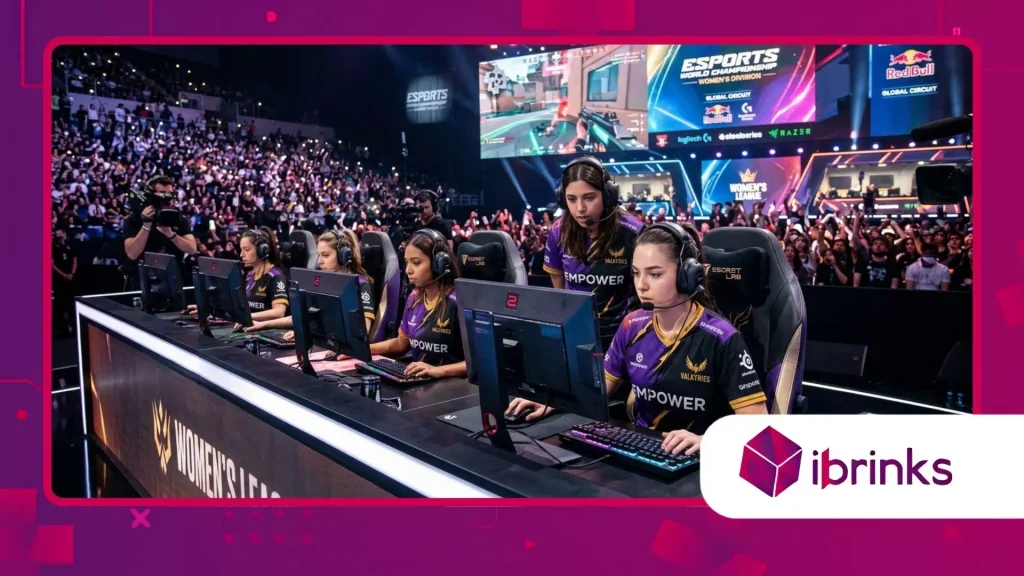
Global brands outside the computer hardware industry recognize the immense marketing potential embedded within diverse gaming communities.
Financial institutions, fashion houses, and consumer beverage brands actively seek authentic entry points into esports audiences.
By sponsoring inclusive circuits, these corporations align themselves with modern values of diversity and meritocracy while simultaneously gaining direct exposure to a younger, highly engaged demographic that consumes minimal traditional media.
These sponsorship agreements generate direct revenue streams that fund extended tournament seasons, enhanced venue production, and comprehensive travel stipends for participating athletes.
The influx of non-endemic capital mitigates the financial risks previously borne by tournament operators.
As commercial return on investment yields measurable metrics, brand commitment transitions from temporary marketing campaigns to long-term multi-year partnership contracts.
What Metrics Prove the Explosive Growth of League Viewership?
Analytical data confirms that inclusive tournaments generate exceptional engagement metrics relative to traditional mid-tier esports broadcasts.
According to Esports Charts data, major events in this space frequently surpass standard regional co-ed qualifiers in peak concurrent viewers, average minute audience (AMA), and total hours watched.
This robust audience retention proves that fans evaluate these matches as high-tier competitive entertainment rather than secondary exhibition programming.
The table below highlights key performance benchmarks across prominent professional ecosystems, illustrating the rapid scale and financial expansion of dedicated circuits worldwide:
| Tournament Circuit | Primary Game Title | Annual Prize Pool (USD) | Peak Viewership Record | Primary Corporate Sponsors |
| VCT Game Changers | Valorant | $500,000+ | 138,600+ | Red Bull, Verizon, Mastercard |
| ESL Impact League | Counter-Strike 2 | $215,000 | 35,000+ | Monster Energy, DHL, Lenovo |
| Mobile Legends: Bang Bang | MLBB Women’s Invitational | $500,000 | 250,000+ | Samsung, TikTok, MOONTON |
| League of Legends Rising Stars | League of Legends | $50,000+ | 18,000+ | HyperX, Logitech, Red Bull |
Why Is Integrated Pipeline Mechanics the Ultimate Industry Goal?
While dedicated leagues provide vital competitive infrastructure, the ultimate objective for many organizations remains full competitive integration within traditional open circuits.
Dedicated divisions act as high-intensity incubators where players build stage confidence, tournament experience, and professional discipline.
As the overall level of play elevates across all regions, top-tier athletes increasingly bridge the gap, earning starting roster spots on tier-one co-ed teams competing in global open leagues.
Are integrated rosters the inevitable future of all professional gaming? The industry trajectory strongly suggests that as structural barriers dissolve, true meritocracy will prevail across all titles.
By providing equal training resources, high-level competition, and financial stability, women’s divisions function as the necessary bridge toward a unified esports ecosystem where mechanical skill and tactical brilliance remain the sole metrics of competitive success.
Shaping the Next Era of Competitive Gaming
The rapid expansion of dedicated competitive circuits represents a permanent, structural shift in the global esports industry.
By combining official publisher backing, robust regional qualifier frameworks, and substantial commercial sponsorships, programs like VCT Game Changers and ESL Impact have proven that inclusive gaming ecosystems deliver tangible economic and competitive value.
These leagues do not merely exist alongside traditional esports; they actively enrich the entire competitive landscape by unlocking previously untapped talent pools, driving broadcast innovation, and expanding global viewership dynamics.
Looking ahead, the continued maturity of these circuits guarantees that future generations of digital athletes will enter a professional industry defined by equal opportunity, structured mentorship, and sustainable compensation models.
As financial investment deepens and grassroots pipelines continue to mature, the gap between specialized divisions and tier-one co-ed leagues will steadily diminish.
What began as a strategic initiative to foster inclusion has evolved into one of the most dynamic and commercially resilient growth engines in modern competitive entertainment.
How do you view the future of inclusive gaming circuits in your favorite esports titles? Share your thoughts, predictions, and personal tournament experiences in the comments below!
Veelgestelde vragen
What are dedicated inclusive gaming divisions in professional esports?
Dedicated inclusive gaming divisions are official competitive tournament circuits specifically created to provide female and gender-minority gamers with professional stage experience, structured compensation, and direct career progression.
Programs like VCT Game Changers and ESL Impact offer dedicated prize pools, broadcast coverage, and seasonal championships.
These frameworks aim to overcome historical social barriers, combat online toxicity in ranked ladders, and build a sustainable talent pipeline that eventually enables competitors to transition seamlessly into tier-one co-ed global circuits.
How do publishers fund prize pools for these specialized leagues?
Publishers fund prize pools through direct corporate investments, dedicated media rights agreements, and in-game digital item sales.
For instance, developer Riot Games frequently allocates direct budget funds and distributes revenue generated from limited-edition in-game cosmetic bundles to participating teams.
Additionally, major corporate sponsors contribute significant capital in exchange for brand placement during broadcasts, establishing a fully monetized, self-sustaining financial ecosystem that supports team operations, athlete salaries, and live venue production costs.
Can players from these divisions compete in open co-ed tournaments?
Yes, players competing in specialized divisions are fully eligible and encouraged to participate in open co-ed circuits like the main Valorant Champions Tour or Counter-Strike ESL Pro League.
These leagues are explicitly designed as non-exclusive incubators rather than restrictive tiers. Athletes can simultaneously enter open regional qualifiers while competing in dedicated championship splits.
The overarching structural goal of these programs is to cultivate elite mechanical talent and stage confidence, directly facilitating player ascension into mixed-gender tier-one rosters.
What esports titles currently lead the market in structural inclusion?
Tactical hero shooters and mobile titles currently lead the market in structural inclusion standards.
Tactical titles like Valorant (VCT Game Changers) and Counter-Strike 2 (ESL Impact) feature well-funded global LAN circuits with regional main stages across multiple continents.
In mobile gaming, Mobile Legends: Bang Bang (MLBB Women’s Invitational) commands massive global audience metrics and substantial prize pools.
Together, these titles set industry standards for broadcast quality, competitive integrity, and long-term organizational backing.
Why is commercial sponsorship crucial for long-term league growth?
Commercial sponsorship provides the non-endemic financial backing necessary to cover tournament operational costs, athlete stipends, high-end broadcast production, and international travel logistics.
Sponsorship agreements with multinational brands validate the economic sustainability of women’s divisions within the broader esports industry.
As commercial partners see measurable ROI from diverse viewer demographics, their multi-year funding commitments ensure that professional gaming organizations can offer long-term contracts, professional coaching, and elite performance facilities to their signed athletes.
