
Hoe magnetische triggers de aanpassingsmogelijkheden van controllers veranderen
Anúncios
Magnetic triggers have fundamentally transformed the competitive gaming landscape, redefining how players interact with their hardware and execute precise maneuvers in high-stakes esports environments.
Traditional mechanical controllers have long relied on physical springs and tactile rubber domes, which naturally degrade over time, suffer from friction wear, and limit actuation customization.
Hall effect sensors and magnetic resistance mechanisms eliminate physical contact points entirely, utilizing magnetic fields to measure trigger travel with absolute millimeter precision.
This architectural shift ensures zero mechanical drift, significantly prolonged hardware lifespans, and fully adjustable actuation points tailored to individual competitive preferences.
Major hardware manufacturers and professional controller modders have rapidly adopted this technology, making precise magnetic control the gold standard for racing games, first-person shooters, and flight simulators alike.
Anúncios
Quick Navigation Map
- What are magnetic triggers?
- How do magnetic triggers work?
- Why are they replacing traditional mechanics?
What are magnetic triggers?
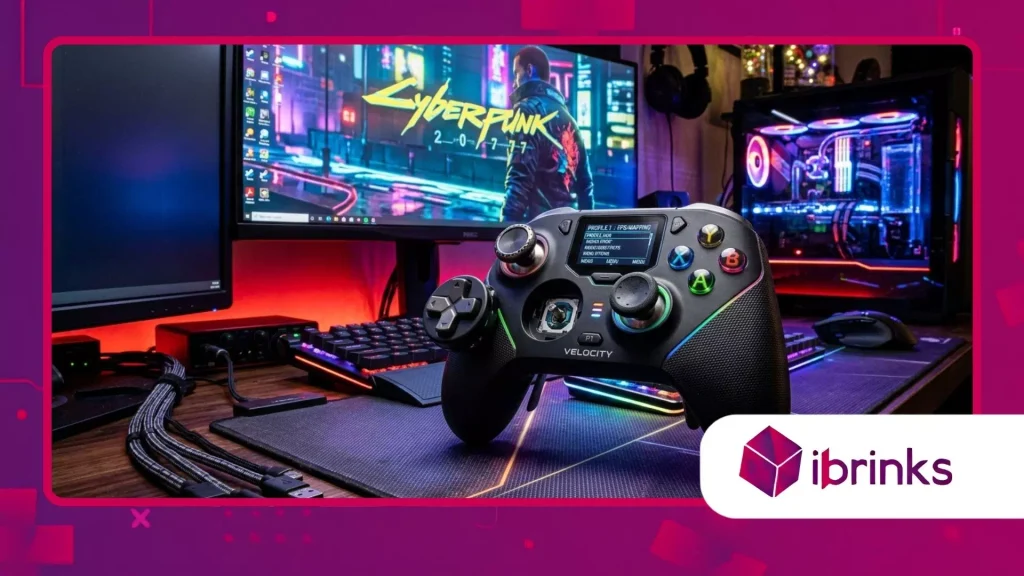
How do they redefine controller accuracy?
Magnetic triggers represent an advanced class of input sensors that replace traditional carbon tracks and physical potentiometers with permanent magnets and Hall effect semiconductor chips.
When a player presses the controller trigger, the physical distance between the magnet and the sensor changes, altering the magnetic flux density instantly.
This continuous variation generates an electrical voltage output that is translated into ultra-smooth, proportional digital inputs by the onboard microprocessors.
Unlike conventional setups that wear down after hundreds of hours of aggressive actuation, contactless magnetic resistance experiences virtually zero friction or structural fatigue.
Consequently, competitive players enjoy pristine input fidelity that remains factory-fresh even after years of intense tournament usage and rapid-fire input spamming.
What components make up this technology?
The core engineering architecture of these modern gaming peripherals relies on high-grade neodymium magnets securely embedded inside the trigger lever and calibrated linear Hall effect sensors mounted directly onto the circuit board.
Manufacturers carefully align these components to guarantee linear magnetic response curves across the entire physical range of motion, preventing dead zones and erratic input spikes.
Advanced controller firmware allows users to calibrate the magnetic field sensitivity dynamically via companion software on personal computers or gaming consoles.
Furthermore, physical dampening elements and adjustable tension springs are often integrated alongside the magnets to preserve satisfying tactile resistance without sacrificing the durability benefits of contactless engineering.
++ Waarom dockingstations voor handhelds onmisbare gamingaccessoires worden
Where is this hardware innovation applied?
Modern high-end gamepads, specialized esports controllers, and modular racing simulation pedal sets heavily incorporate these magnetic input innovations to satisfy elite professional competitors.
Peripheral engineers deploy these systems primarily in the main analog triggers and thumbstick modules where precision throttling and smooth resistance gradients dictate competitive performance success.
As manufacturing costs decrease and consumer demand for drift-free hardware surges, mainstream manufacturers are rapidly expanding magnetic sensor integration into mid-tier controllers and custom replacement back-paddles.
This widespread industry adoption guarantees that professional-grade precision is no longer locked behind prohibitively expensive, boutique gaming equipment price points.
How do magnetic triggers work?

How does magnetic flux measure depth?
The underlying operational principle hinges entirely on the fundamental laws of electromagnetic induction and the classic Hall effect discovered by physicist Edwin Hall back in eighteen seventy-nine.
When current-flowing semiconductor materials are exposed to a perpendicular magnetic field, charge carriers experience a Lorentz force that deflects them sideways, establishing a measurable transverse voltage difference.
As the player depresses the controller trigger, the moving magnet alters the localized magnetic field strength surrounding the semiconductor sensor in real time.
The internal analog-to-digital converter samples this voltage fluctuation continuously, translating precise physical displacement into high-resolution input data for the host gaming system.
Lees ook: Waarom hoogwaardige muismatten prestatieverhogende uitrusting zijn geworden voor e-sports
How do adjustable actuation points function?
Advanced gamer firmware takes full advantage of continuous magnetic tracking by allowing users to program custom digital actuation thresholds and hair-trigger stops entirely through software.
Traditional controllers require physical plastic trigger stops to shorten the travel distance, sacrificing variable input sensitivity in racing games for speed in shooters.
Met magnetic triggers, players can digitally map a shallow one-millimeter actuation point for instant gunshots while retaining the full physical pull range for gradual throttle acceleration in driving titles.
This software-defined versatility eliminates the need for mechanical toggle switches, offering infinite customization profiles that can be switched instantly depending on the active game genre.
Lees meer: De beste pc-behuizingen qua luchtstroom en esthetiek.
Why do they eliminate stick drift and wear?
Mechanical potentiometers rely on physical wipers rubbing continuously against resistive carbon tracks, creating microscopic debris that causes erratic electrical resistance, erratic inputs, and dreaded controller drift.
Because Hall effect and magnetic trigger designs rely on contactless proximity detection rather than friction-based rubbing, physical wear and tear is mathematically reduced to absolute zero.
Dust accumulation, moisture exposure, and aggressive button mashing fail to degrade the underlying electrical sensor components, guaranteeing unprecedented hardware longevity.
Professional esports organizations heavily favor this durability because it drastically reduces equipment failure rates during rigorous multi-day tournament schedules and intensive practice sessions.
Why are they replacing traditional mechanics?
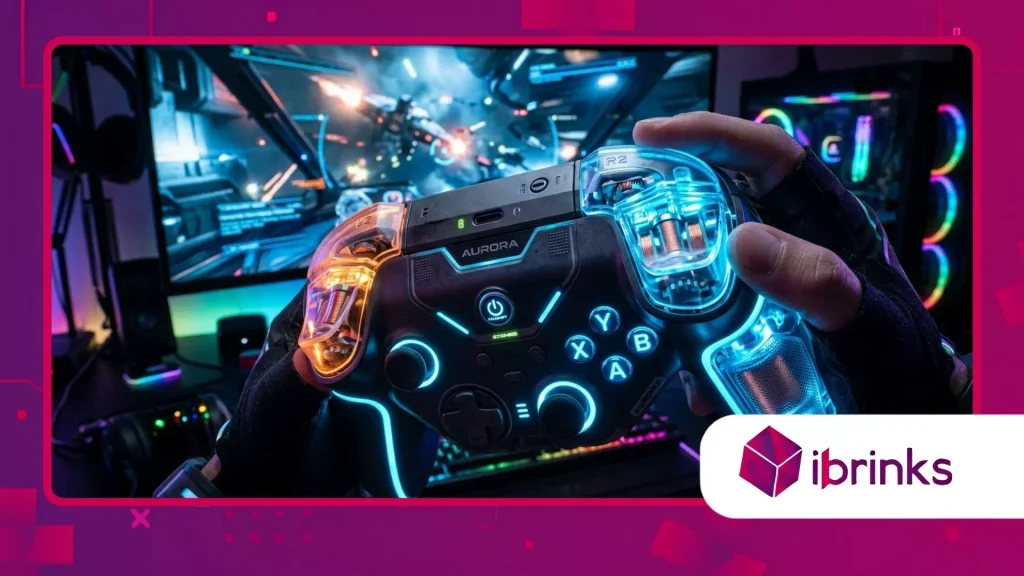
What performance advantages do gamers gain?
Competitive video gaming demands sub-millisecond reaction times and flawless input consistency, making traditional spring-loaded mechanisms obsolete for top-tier players seeking every possible tactical edge.
Magnetic triggers deliver ultra-low input latency by streaming pure analog voltage data directly to high-polling-rate microcontrollers without mechanical bounce filtering delays.
This lightning-fast responsiveness allows players to fire semi-automatic weapons faster, feather racing car brakes with surgical precision, and execute complex fighting game combos without unexpected input dropouts.
The total elimination of mechanical friction also provides a buttery-smooth tactile feel that reduces finger fatigue during marathon gaming sessions.
How do maintenance costs and longevity compare?
Purchasing premium gaming controllers represents a significant financial investment, making hardware durability and long-term reliability critical purchasing factors for budget-conscious consumers and professional competitors alike.
Traditional controllers frequently succumb to mechanical spring fatigue and sensor drift within six to twelve months of heavy daily usage, forcing costly replacements or tedious soldering repairs.
In stark contrast, controllers equipped with magnetic triggers routinely outlast standard hardware by multiple years, delivering exceptional long-term value despite their higher initial retail price points.
This extended operational lifespan significantly reduces electronic waste, aligning high-performance gaming hardware with sustainable consumer electronics manufacturing practices.
What is the market impact on esports?
The professional esports industry has experienced a dramatic technological arms race since contactless magnetic sensors became tournament-legal across major competitive gaming leagues and publisher-sponsored events.
Manufacturers now compete fiercely to offer the most advanced software customization suites, ergonomic shell designs, and proprietary magnetic tension adjustment systems on the market today.
This intense commercial competition accelerates engineering innovation, driving down production costs while raising the baseline quality expectations for all gaming peripherals worldwide.
As elite athletes and casual enthusiasts alike experience the undeniable precision of modern magnetic inputs, mechanical controllers are rapidly becoming relics of gaming history.
Hardware Performance Comparison
| Kenmerk / Meting | Traditional Mechanical Triggers | Magnetic Hall Effect Triggers |
| Friction Wear | High physical wear on carbon tracks and metal springs | Zero mechanical contact; virtually no physical wear |
| Input Precision | Subject to analog potentiometer degradation and drift | Continuous high-resolution magnetic flux measurement |
| Actuation Customization | Requires physical plastic stops and hardware mods | Fully adjustable digital actuation points via software |
| Verwachte levensduur | Approximately 6 to 18 months under heavy usage | Multi-year durability exceeding millions of actuations |
Navigating the Future of Peripheral Customization
As hardware engineering continues to evolve at a breakneck pace, understanding the profound mechanical shift behind magnetic triggers empowers gamers to make informed purchasing decisions for their ultimate competitive setups.
Like switching from bulky cathode-ray tube displays to lightning-fast OLED panels, embracing contactless magnetic precision transforms every single virtual interaction into a seamless extension of human reflex.
Share your personal experiences with Hall effect controllers in the comments below, and let us know how upgrading your hardware changed your competitive gaming performance today!
Veelgestelde vragen
What are the primary benefits of using magnetic triggers over traditional mechanical springs?
Magnetic triggers eliminate physical friction and mechanical wear by using contactless Hall effect sensors, ensuring zero stick drift, ultra-low input latency, and exceptional multi-year hardware durability.
Can I adjust the actuation travel distance of magnetic triggers for different game genres?
Yes, advanced companion software allows players to digitally calibrate custom actuation points, enabling instant hair-trigger responses for shooters and full analog travel for racing simulators.
Do magnetic triggers require any special software installation or driver calibration?
Most modern controllers feature plug-and-play compatibility, but dedicated manufacturer software is typically required to fine-tune actuation curves, dead zones, and custom sensitivity profiles.
Are magnetic triggers more expensive than standard mechanical gamepads?
While initial retail prices for magnetic-sensor controllers tend to lean toward the premium tier, their superior longevity and resistance to wear offer vastly better long-term value.
Do professional esports athletes legally use magnetic trigger controllers in official tournaments?
Yes, Hall effect and magnetic sensor gamepads are fully approved by major esports leagues, as they provide fair precision advantages without introducing unfair automated macro cheats.
