
How Retro Game Mods Keep Classic Titles Alive
Annunci
Retro game mods represent the vital digital bridge connecting decades of gaming history with contemporary display technologies, dedicated preservation communities, and evolving player expectations across the globe.
As classic titles face hardware obsolescence and software incompatibility, passionate global developers engineer custom code alterations, graphical texture packs, and gameplay overhauls that ensure iconic titles remain fully playable and culturally relevant today.
This thriving ecosystem transforms aging releases into dynamic platforms capable of running smoothly on high-refresh-rate widescreen monitors, integrating modernized control schemes, and delivering entirely new story campaigns that rival official commercial remakes.
Core Topics Explored
- What Are Retro Game Mods and How Do They Preserve Legacy Software?
- How engine overhauls modernize original mechanical systems?
- Why fan-led ROM hacking safeguards digital gaming heritage?
- What role do community quality-of-life enhancements play?
- Why Do Classic Titles Depend on Active Modding Communities?
- How fan translations break global language and region barriers?
- Why custom multiplayer servers rescue dead online modes?
- What makes total conversion projects rival official studios?
- How Can Players Safely Access and Implement Modern Retro Mods?
- Which open-source patching utilities guarantee file safety?
- How hardware emulation platforms handle enhanced mod files?
- What legal boundaries shape responsible preservation practices?
What Are Retro Game Mods and How Do They Preserve Legacy Software?
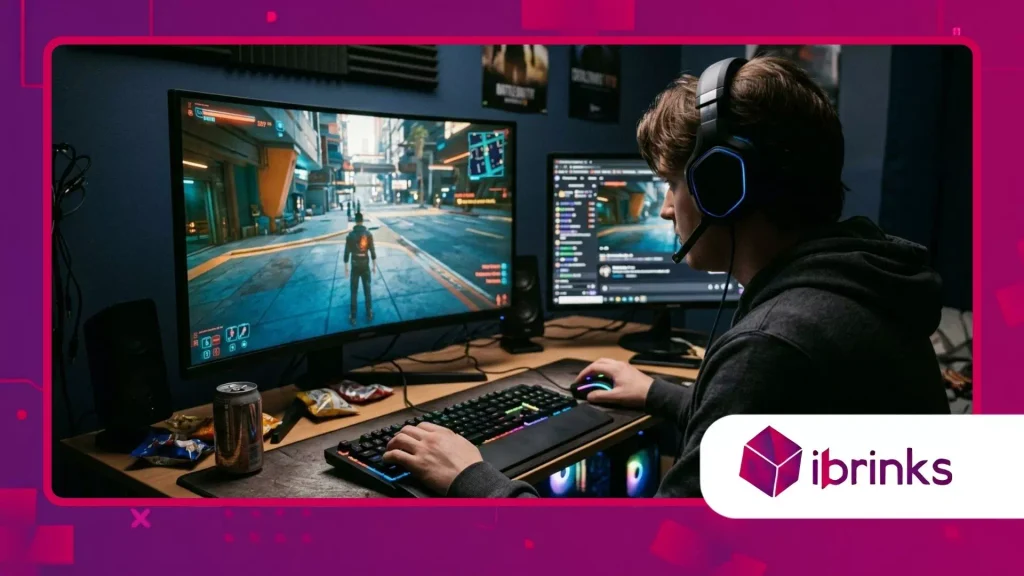
How engine overhauls modernize original mechanical systems?
Engine replacements rebuild legacy executable files from scratch while retaining original artistic assets, enabling vintage games to run natively on modern computer architectures without performance lag.
These structural overhauls eliminate screen tearing, remove legacy frame-rate limits, and add native support for ultrawide screen resolutions and controller remapping tools.
Annunci
Through source code reconstruction and memory management optimization, modders eliminate original technical bugs, expand memory allocation boundaries, and introduce real-time ray tracing lighting techniques that completely revitalize 16-bit and 32-bit visual presentations.
By rewriting original rendering pipelines, advanced engine projects permit seamless integration with modern graphics processing units while maintaining authentic core physics engine rules.
Players experience ultra-responsive input processing alongside crisp pixel scaling algorithms like xBRZ and CRT shaders that preserve authentic display aesthetics on OLED panels.
These enhancements ensure that seminal releases deliver smooth performance metrics, allowing modern audiences to engage with historical software without suffering from ancient hardware constraints or peripheral input latency issues.
Why fan-led ROM hacking safeguards digital gaming heritage?
ROM hacking directly modifies original read-only memory dump files, allowing independent archivists to alter game logic, level layouts, graphics registers, and audio drivers safely.
This painstaking process serves as an invaluable preservation mechanism, documenting internal system mechanics that original corporate developers often lost, discarded, or allowed to decay over long decades.
Through dedicated hex editing and assembly language disassembling, community developers uncover hidden prototype assets, fix game-breaking bugs left in original releases, and document custom hardware behavior for public educational repositories.
Preserving original digital artifacts through modified ROM patches prevents permanent cultural loss as vintage physical media suffers from unavoidable magnetic degradation and hardware failure.
According to the Video Game History Foundation’s landmark 2023 study on software availability, 87 percent of classic video games released in the United States remain critically endangered and out of commercial print.
Through retro game mods, dedicated preservationists counter this alarming commercial scarcity by continuously maintaining, cataloging, and updating digital releases to run flawlessly on modern computer hardware.
++ Come l'hacking delle ROM è diventato una comunità creativa
What role do community quality-of-life enhancements play?
Quality-of-life additions refine outdated interface design patterns, archaic inventory management mechanics, and unforgiving progression systems to align with modern user experience standards without altering core narratives.
Developers implement auto-saving features, customizable fast-travel networks, comprehensive inline maps, and accessible control configurations that eliminate tedious grinding mechanics.
These thoughtful adjustments lower entry barriers for new generations of players, ensuring classic gameplay philosophies remain engaging without causing frustration through obsolete design constraints.
Modern software additions frequently include dynamic text scaling, customizable subtitle color palettes, and rebindable controller layouts that significantly boost accessibility for players with physical disabilities.
Modders systematically audit vintage code to replace clunky menu systems with streamlined radial selectors and real-time inventory shortcuts that preserve narrative pacing.
Consequently, these delicate refinements allow original game design choices to shine clearly, removing mechanical friction while honoring original aesthetic visions.
Why Do Classic Titles Depend on Active Modding Communities?
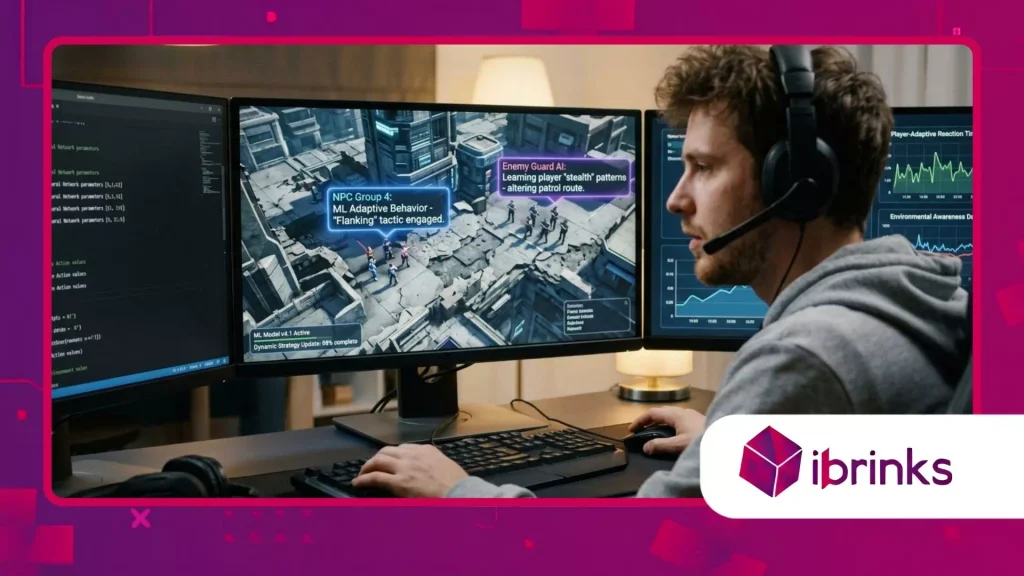
How fan translations break global language and region barriers?
Fan translation groups spend thousands of hours decoding obscure text strings, localized dialogue branches, and graphic fonts locked inside region-exclusive video game releases.
By translating foreign script files into accessible languages, these non-profit localization teams open historic Japanese, European, and American releases to vast international audiences for the first time.
Their meticulous cultural adaptation work ensures complex narrative structures retain original emotional depth while remaining fully understandable for modern global gaming communities.
These comprehensive localization projects frequently incorporate carefully designed variable-width font engines to replace restrictive original fixed-width text displays seamlessly.
Translators systematically audit localized terminology, resolve ancient narrative inconsistencies, and reinsert original story elements previously removed by corporate censors during initial regional distributions.
As a direct result, players worldwide gain unhindered access to previously inaccessible masterworks, enriching global understanding of historical interactive storytelling evolution across different cultures.
Leggi anche: Perché le riviste di videogiochi regionali hanno plasmato le comunità di giocatori locali
Why custom multiplayer servers rescue dead online modes?
When commercial publishers shut down official network infrastructure for older titles, specialized networking programmers engineer custom server software using reverse-engineered communication protocols.
These community-hosted master servers restore original online matchmaking modes, global leaderboards, cooperative lobbies, and competitive multiplayer features seamlessly.
Through persistent protocol emulation, enthusiasts prevent beloved online experiences from disappearing forever into history, maintaining active competitive leagues and vibrant social hubs across two-decade-old titles.
Have you ever wondered if your favorite childhood online world could suddenly spring back to life with a single software patch?
Dedicated network engineers routinely reverse-engineer encrypted server packets to recreate lost backend infrastructure, allowing original game clients to connect to secure custom network domains smoothly.
These restored servers integrate modern anticheat protections, cross-region ping optimization tools, and automated tournament organization systems.
This technological resurrection preserves multiplayer history as an active, living experience rather than an inactive archived record.
Per saperne di più: Analisi dell'ascesa delle rimasterizzazioni retrò: marketing e nostalgia
What makes total conversion projects rival official studios?
Total conversion modifications completely rebuild existing commercial game software, introducing entirely original narrative campaigns, customized 3D models, fresh voice acting, and novel mechanical systems.
Modding teams function like full independent development studios, spending years orchestrating complex design pipelines to deliver massive expansions equal in scope to commercial releases.
These expansive creations transform old rendering engines into brand-new interactive worlds, offering dozens of gameplay hours to enthusiastic player communities entirely free of charge.
Using vintage game engines like versatile structural foundations, creative developers craft daring experiments that commercial publishers rarely risk funding in modern markets.
These ambitious projects incorporate custom dynamic weather systems, expanded skill trees, professionally orchestrated audio soundtracks, and original scripted cinematic sequences.
By pushing legacy engines far beyond their original design limits, total conversion creators continuously demonstrate the extraordinary artistic longevity inherent in flexible software architectures.
Dynamic community efforts prove that retro game mods act as an indispensable creative incubator for future industry leaders.
How Can Players Safely Access and Implement Modern Retro Mods?
Which open-source patching utilities guarantee file safety?
Modern modding workflows utilize non-destructive binary patch formats such as IPS, BPS, and xdelta to modify original game files safely without distributing copyrighted source material.
Open-source patching tools compare original uncompressed file binaries against developer modifications, producing lightweight delta files containing exclusively unique code changes.
This strict separation of custom code from original copyrighted game software ensures full legal compliance while protecting end users from downloading compromised software packages.
Advanced community mod managers automatically verify file checksum values using SHA-1 and MD5 hashing protocols before applying any visual or structural modifications.
These smart installation utilities organize dynamic file overrides, manage complex loading orders, and isolate software patches inside clean virtual directory structures without corrupting original underlying installation files.
Players can instantly toggle specific game modifications, experiment with visual filters, and resolve software conflicts safely through automated user-friendly interface dashboards.
How hardware emulation platforms handle enhanced mod files?
Modern emulation platforms feature dedicated plugin architectures built specifically to detect, load, and render custom modification files dynamically during runtime operations.
Emulators allocate separate virtual system memory pools to apply high-resolution replacement texture packs, high-fidelity audio tracks, and custom assembly code modifications on the fly.
This decoupled software architecture guarantees that underlying emulation accuracy remains completely stable while rendering enhanced audiovisual outputs at crisp native monitor resolutions.
Hardware-accelerated emulation profiles allow custom code patches to inject modern widescreen hacks, unlock high frame rates, and incorporate custom achievement systems seamlessly into vintage titles.
Advanced memory allocation hooks allow custom texture packages to swap low-resolution graphics for handcrafted vector assets in real time without causing visual stutter.
This technical synergy between active emulator software development and creative mod production continuously redefines how classic interactive entertainment operates on contemporary computer hardware.
What legal boundaries shape responsible preservation practices?
The legal landscape surrounding software preservation depends entirely upon maintaining strict separation between proprietary copyright protection and original non-profit code development.
Mod creators protect their projects legally by distributing exclusively custom binary patches that require users to provide legally acquired original game files independently.
This established distribution model respects intellectual property framework laws while giving passionate software developers room to innovate, repair, and modernize historical titles safely.
Courts and regulatory bodies increasingly recognize the distinct cultural necessity of independent digital preservation, provided no commercial monetization takes place during distribution processes.
Non-profit digital archives continuously document historical reverse-engineering methodologies to ensure legacy software remains legally accessible for educational, historical, and technical research purposes.
Responsible distribution practices ensure modding communities thrive indefinitely without running afoul of corporate legal departments, building a sustainable future for abandonware preservation efforts.
| Retro Mod Category | Primary Technological Function | Preservation Value & Impact | Target Systems & Examples |
| Engine Source Ports | Rebuilds game executables natively for modern modern operating systems. | Eliminates input latency, adds native widescreen, removes legacy hardware crashes. | PC, Mac, Linux (Doom, Quake, Duke Nukem 3D) |
| Total Conversions | Replaces all original assets with new stories, models, and mechanics. | Extends title replayability by decades, fosters independent developer talent. | PC (Elder Scrolls, Fallout, Half-Life) |
| ROM Hacks | Direct binary modification of original legacy cartridge read-only memory. | Restores cut content, repairs game-breaking bugs, alters level designs. | NES, SNES, Genesis (Super Mario, Zelda) |
| Fan Translations | Decodes and translates localized foreign language text strings and script files. | Unlocks region-exclusive titles for worldwide audiences, preserves narrative context. | Famicom, Saturn, PS1 (Mother 3, Dragon Quest) |
| HD Texture Overhauls | Replaces original low-resolution visual textures with high-fidelity graphics. | Bridges the visual gap between vintage art assets and 4K display screens. | N64, GameCube, PS2 (Zelda OOT, Resident Evil 4) |
Preserving Interactive History Through Innovation
Community-driven software preservation stands as a vital shield protecting the rich cultural history of interactive digital media from fading into permanent digital obscurity.
Passionate independent developers treat legacy software like living art, continually modernizing controls, enhancing visual presentation scales, and organizing global servers that keep original multiplayer communities flourishing online.
Their tireless non-profit work guarantees that decades of interactive design innovations remain completely accessible, educational, and entertaining for modern players across every modern computing system.
As commercial software distribution shifts increasingly toward online streaming channels and temporary licensing models, community modding tools remain our most reliable line of defense for digital media ownership rights.
By supporting open-source software tools, documenting legacy code architectures, and strictly respecting intellectual property guidelines, these active communities ensure classic games endure as accessible, playable cultural touchstones forever.
What forgotten childhood classic will you rediscover, enhance, and play through the innovative magic of modern retro game mods today?
Domande frequenti
What are retro game mods and how do they work?
They are non-commercial custom software updates, code adjustments, or graphical enhancements created by independent developers to repair, update, or expand legacy video games.
They function by modifying original game binaries, applying memory overrides during emulator runtime execution, or rebuilding original game engines to execute natively on modern operating system environments.
Is it legally safe to download and install custom game mods?
Downloading custom binary modifications, IPS patches, total conversion files, or texture packages is completely legal because these files contain only original, non-proprietary community-developed code.
However, players must always provide their own legally obtained original game files or ROM dumps to apply these patches, as sharing copyrighted commercial software files remains illegal under global copyright laws.
Do I need high-end computer hardware to run modified classic titles?
Most basic ROM hacks, engine fixes, and fan translations run flawlessly on entry-level computers, smart mobile devices, and low-power single-board computers like the Raspberry Pi.
However, advanced total conversion projects or heavy 4K texture replacement packages running inside complex emulation environments may require modern dedicated graphics processing units to maintain smooth frame rates during gameplay sessions.
Where can players find safe, verified mod files for classic games?
Players should acquire software patches exclusively from established, community-vetted digital preservation repositories such as Romhacking.net, Nexus Mods, Mod DB, and official project development hubs on GitHub.
These transparent platforms maintain strict safety protocols, verify file integrity using hash checksums, enforce copyright rules rigorously, and provide active user review forums to guarantee completely virus-free software downloads.
How do non-destructive patches protect original game installations?
Non-destructive patch formats like BPS and xdelta act as digital instruction manuals that alter game files safely during memory loading without modifying base underlying installations permanently.
By keeping original game binaries completely untouched in separate directory locations, these utilities allow users to toggle various custom modifications on and off instantaneously without risking software file corruption.
