
Why premium mousepads became performance gear for esports
Annunci
Investments in premium mousepads have transformed esports setups globally as high-precision optical sensors expose every tiny imperfection present in traditional desk surfaces.
Modern competitive play demands incredible consistency, turning specialized fabric weave, hard glass, and porous synthetic rubber bases into crucial high-tech gear rather than basic desk accessories.
Professional esports athletes now scrutinize surface friction coefficients with the same rigor motor racing engineers apply to specialized tire compounds.
As tracking speeds in flagship gaming mice consistently clear hundreds of inches per second, uniform glide characteristics and surface stopping power directly determine whether a crucial crosshair movement hits its intended target.
Overview of Key Topics
Annunci
- Defining Modern Gear: Why tracking surfaces transformed into vital high-precision competitive equipment.
- Surface Engineering: Understanding low-friction fabric weaves, tempered glass, and specialized foam bases.
- Competitive Advantages: How physical tracking consistency enhances aim, precision, and tactical gameplay performance.
- Market Dynamics: Comparing surface materials, durability metrics, glide speed, and base firmness levels.
- Future Innovation: Emerging material technologies shaping the next generation of professional esports surfaces.
What Are Premium Mousepads and How Did They Evolve?
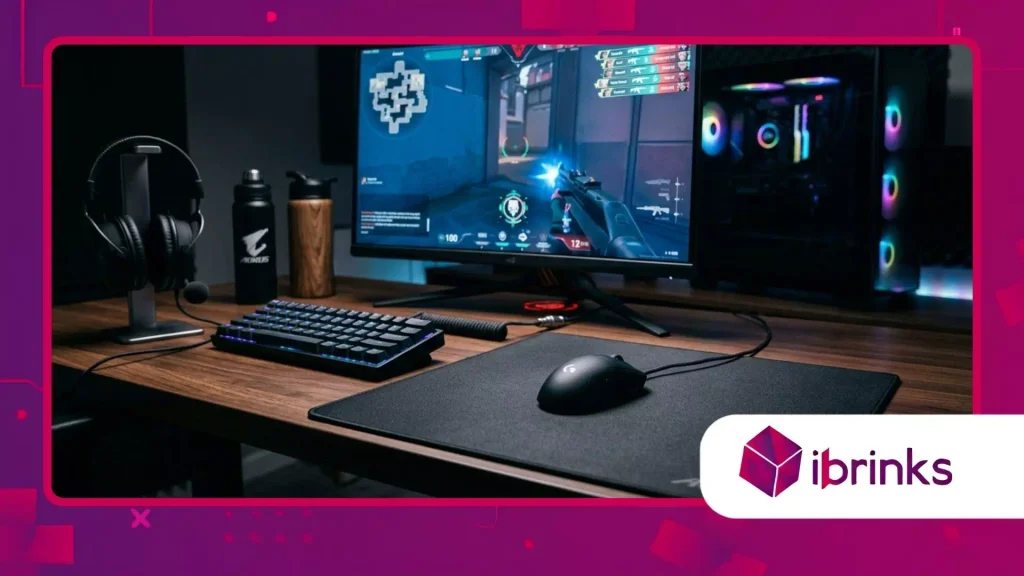
Why Did Simple Desk Accessories Transition Into High-Performance Gear?
Standard cloth pads were originally designed to protect wooden desk finishes and provide basic friction for mechanical trackballs during early desktop computing eras.
High-speed optical sensors operating at ultra-high DPI resolutions exposed severe micro-surface inconsistencies, causing unpredictable pointer skipping during competitive gaming sessions.
Manufacturers responded by developing dense synthetic weaves, precision-treated glass planes, and custom bases to ensure consistent sensor reflection and uniform kinetic friction.
Elevating tracking uniformity transformed simple mouse accessories into essential competitive equipment, allowing players to execute rapid flicks without sacrificing mechanical stopping control.
How Do Advanced Base Materials Stability Affect Aim Consistency?
Underlying base materials stabilize mouse movements by absorbing downward wrist pressure and eliminating surface shifting during aggressive flick movements.
Porous polyurethane foams like Japanese Poron offer micro-cellular resilience, maintaining structural density without deforming or slipping on polished desktop surfaces.
Thicker base layers provide intentional cushion, allowing players to press down slightly on their mouse to increase control during tight tracking scenarios.
Premium backing compounds prevent base degradation, resisting moisture absorption and edge curling that typically ruin conventional rubber pads over time.
++ I migliori trucchi per una gestione ordinata dei cavi e un setup impeccabile
Which Surface Textures Offer the Best Sensor Tracking Physics?
Engineers weave synthetic fibers into precise patterns to optimize dynamic friction while preserving the delicate balance needed for swift directional changes.
Untreated woven surfaces deliver controlled stopping force, whereas heat-treated polyester filaments minimize static friction for frictionless micro-adjustments.
Tempered glass surfaces utilize microscopic acid-etched topographies to deliver near-zero initial resistance and extreme physical durability across heavy daily usage.
These specialized physical textures allow optical sensors to register sub-millimeter movements cleanly without introducing jitter or tracking sensor spin-outs.
How Do High-End Mouse Surfaces Enhance Competitive Gameplay?
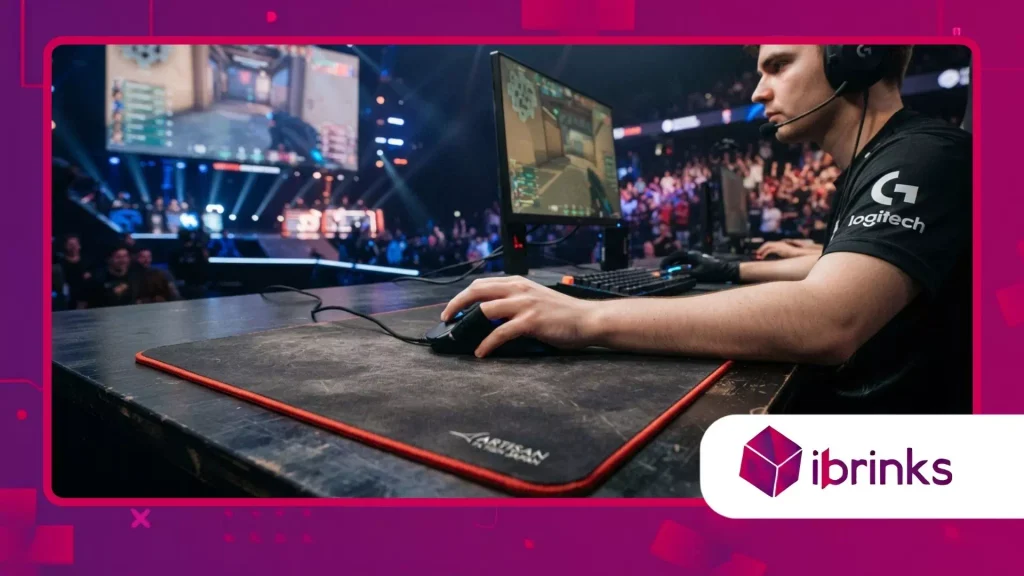
Why Is Stopping Power Crucial for Modern Tactical Esports?
Tactical shooters require precise crosshair placement where moving a mouse multiple inches must end in an instantaneous, complete stop on precise pixel targets.
Balanced surfaces provide tactile feedback through subtle resistance, preventing overshooting during fast kinetic flicks toward unseen opponents.
High dynamic friction allows muscles to decelerate the mouse naturally without forcing players to fight excess pad slickness during high-stakes clutches.
Consistent surface resistance ensures muscle memory translates reliably into identical target acquisition across long, exhausting competitive tournament sessions.
Leggi anche: Guida al software e alla personalizzazione delle tastiere RGB
How Does Uniform Surface Friction Improve Muscle Memory?
Variations in surface resistance disrupt neuro-muscular adaptation, forcing gamers to make constant micro-corrections that degrade tracking speed and aim accuracy.
Uniform friction across both vertical and horizontal axes enables predictable physical mouse movement, cementing reliable muscle memory for complex mechanical maneuvers.
High-grade surfaces eliminate spatial dead zones and sticky spots caused by localized wear, humidity shifts, or trapped dirt particles.
Maintaining structural uniformity ensures every hand movement produces an exact, repeatable cursor displacement regardless of desktop position.
Per saperne di più: I migliori case per PC per flusso d'aria ed estetica
What Role Does Humidity Resistance Play in Esports Tournaments?
Environmental humidity drastically alters traditional cloth fabrics, causing absorbed moisture to swell fibers and turn fast surfaces into sluggish, sticky movement traps.
Synthetic blends treated with hydrophobic coatings maintain consistent friction profiles regardless of venue temperature, humidity fluctuations, or nervous hand perspiration.
Esports pros competing on stage rely heavily on climate-resilient surfaces to maintain their established aim performance under harsh lighting conditions.
Eliminating environmental surface variance ensures player focus remains entirely on strategic decision-making rather than adjusting to shifting physical glide characteristics.
Which Mousepad Type Fits Your Gaming Style and Mouse Setup?
How Do Glass, Hybrid, and Cloth Pads Compare in Performance?
Selecting ideal surface materials depends on matching personal aim style, game genre requirements, and sensor preference with specific physical pad characteristics.
Glass pads excel in pure glide speed and longevity, whereas hybrid weaves strike a ideal balance between glide velocity and stopping control.
Traditional soft cloth pads remain popular among low-sensitivity tactical shooter players who rely heavily on firm surface resistance for precise stopping force.
Understanding how materials interact with mouse skates ensures players choose equipment optimized for their primary competitive gaming titles.
Why Are Custom Poron and Rubber Bases Essential for Rigidity?
Base firmness levels directly alter how deep mouse skates sink into pad surfaces when applying downforce during rapid mouse stops.
Extra-soft bases allow intentional braking through mechanical sink, while hard bases maintain constant glide speed regardless of hand pressure.
Standard natural rubber bases tend to shift during quick directional shifts, leading to missed shots and frustrating tracking inconsistency.
Premium custom backing materials grip desks firmly, guaranteeing total structural stability regardless of playstyle intensity or pad size.
What Maintenance Keeps Modern Surface Materials Operating Like New?
Proper surface maintenance removes accumulated dust, skin oils, and dead skin cells that degrade sensor tracking performance and alter glide characteristics.
Synthetic cloth pads benefit from gentle lukewarm water washes using mild soap to extract deep grime without damaging delicate woven fibers.
Glass surfaces require simple daily wipes with microfiber towels and glass cleaner to restore original low-friction properties instantly.
Maintaining clean surfaces preserves investment value, prolonging pad lifespan while maintaining peak competitive tracking accuracy over extended years.
| Tipo di superficie | Materiale primario | Dynamic Friction | Durability Score | Genere di gioco ideale |
| Cloth (Soft) | Woven Polyester / Poron | Alto | Moderare | Tactical Shooters (CS2, Valorant) |
| Ibrido | Poly-blend Mesh / Foam | Balanced | Alto | Battle Royale (Apex Legends) |
| Glass | Acid-Etched Tempered Glass | Molto basso | Estremamente alto | Arena Shooters (Overwatch 2) |
The Next Era of Performance Surfaces
Continuous material engineering keeps elevating what high-grade mouse surfaces deliver, solidifying their role alongside premium mechanical keyboards and high-refresh monitors.
Investire in premium mousepads gives players unmatched tracking control, turning physical mouse movements into reliable in-game accuracy across every match.
Upgrading your desktop surface removes physical friction roadblocks, letting your optical mouse sensor perform at its absolute engineering limits.
Share your experience with high-end surfaces in the comments below, and tell us which pad style transformed your overall aim precision!
Domande frequenti
Why are high-performance mousepads significantly more expensive than standard pads?
High-end pads utilize premium base materials like Japanese Poron, advanced hydrophobic synthetic weaves, stitched edge reinforcement, and acid-etched tempered glass.
These high-grade materials guarantee total surface uniformity, eliminate desk slipping, resist humidity, and deliver consistent kinetic friction over years of intense competitive use.
How does base softness impact gaming aim and stopping control?
Soft bases sink under downward wrist pressure, increasing surface friction to help players stop mouse flicks instantly during intense aiming scenarios.
Firm bases resist downward compression, maintaining a constant glide speed regardless of how hard players press their mouse down during fast tracking movements.
Do glass mousepads wear out PTFE mouse feet faster than cloth pads?
Yes, acid-etched glass surfaces wear down standard PTFE mouse skates faster than soft cloth pads due to hard surface contact.
Many competitive gamers pair glass pads with specialized glass-compatible skates or UHMW-PE dots to preserve glide consistency and reduce skate wear over time.
How often should a competitive cloth pad be cleaned to maintain performance?
Cleaning cloth pads every two to three months prevents skin oils, dust, and perspiration from altering surface friction or causing dead spots.
Washing pads gently with lukewarm water and mild dish soap restores original glide speed without damaging woven fibers or backing adhesives.
Can humidity really affect how my mouse moves across my pad?
Standard cloth pads absorb environmental moisture, swelling synthetic fibers and creating sticky, high-friction spots that ruin precise mouse adjustments.
Modern competitive pads utilize hydrophobic coatings or hybrid synthetic materials that resist humidity shifts, preserving consistent glide performance anywhere you play.
