
Come la conservazione dei videogiochi retrò sta plasmando la cultura del 2026
Annunci
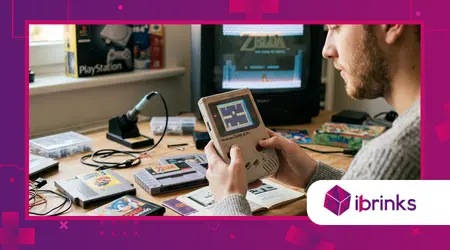
La conservazione dei videogiochi retrò sta plasmando la cultura del 2026. fungendo da ponte digitale tra le generazioni, garantendo che le prime forme d'arte interattiva rimangano fruibili da tutti.
Assistiamo a un'ondata massiccia di musei e archivi privati che trattano le cartucce a 8 bit con la stessa riverenza riservata ai dipinti a olio classici.
Questo movimento trascende la semplice nostalgia; influenza la moda moderna, la musica e la progettazione di software.
Oggi gli sviluppatori guardano al passato per progredire, fondendo i limiti del passato con hardware futuristico per creare esperienze pixelate uniche che risuonano a livello globale.
Gli archeologi digitali lavorano instancabilmente per salvare il codice dai nastri magnetici deteriorati e dal silicio corroso.
Annunci
La loro dedizione impedisce la perdita permanente della nostra storia virtuale condivisa, dimostrando che il progresso richiede una profonda comprensione delle nostre origini tecniche.
L'identità culturale a metà degli anni 2020 si basa in larga misura su queste estetiche riscoperta.
Mentre ci muoviamo in un mondo sempre più complesso guidato dall'intelligenza artificiale, la semplicità delle meccaniche retrò offre un senso concreto e autentico di creatività e controllo umani.
Guida agli archivi digitali
- La battaglia per la conservazione: Comprendere perché conservare i vecchi codici sorgente sia fondamentale per l'accuratezza storica e per evitare "ere buie digitali" nel mondo dei videogiochi moderni.
- Influenza estetica: Un'analisi di come le scanline e le chiptune dominino i media contemporanei, dalle passerelle dell'alta moda ai brani synthwave in cima alle classifiche e al cinema indipendente.
- Costi legali: Analisi delle tensioni tra i detentori dei diritti d'autore aziendali e gli archivisti di base che ritengono che la storia del software appartenga al pubblico dominio.
- Evoluzione dell'hardware: Assistere all'ascesa della tecnologia FPGA e degli scaler ad alta fedeltà che permetteranno alle console degli anni '90 di brillare su schermi 8K nel 2026.
In che modo il software storico influenza la creatività moderna?
La conservazione dei videogiochi retrò sta plasmando la cultura del 2026. fornendo una vasta libreria di meccaniche "collaudate" che gli sviluppatori indipendenti utilizzeranno per innovare nel 2026.
Questo accesso agli archivi consente ai creatori di studiare gli elementi fondamentali della psicologia del giocatore senza la distrazione causata dalla grafica eccessivamente complessa dei giochi moderni.
Mantenendo vivi questi classici, preserviamo l'anima del gioco.
I creatori più giovani adottano i vincoli minimalisti del passato per risolvere problemi di design complessi, ottenendo oggi un'esperienza utente più pulita e mirata.
L'effetto a catena si ripercuote anche sull'architettura e sull'arredamento d'interni.
Nelle grandi città assistiamo alla nascita di spazi "retro-futuristici", dove l'estetica scintillante delle sale giochi degli anni '80 incontra tecniche e materiali di costruzione moderni e sostenibili.
Oggi i marchi di moda collaborano con icone del mondo dei videogiochi per creare capi d'abbigliamento "digitali-fisici".
Questo punto d'incontro dimostra che uno sprite conservato è più di un semplice disegno; è un simbolo globale dell'immaginario collettivo di un'epoca.
Perché desideriamo la bassa fedeltà in un mondo ad alta definizione?
Le persone si sentono sopraffatte dall'iperrealismo della grafica del 2026, il che le spinge verso l'affascinante astrazione dei pixel.
Questa “pausa visiva” permette all’immaginazione del giocatore di colmare le lacune, creando una connessione più personale e intima.
L'astrazione favorisce un tipo di immersione unico che le texture 4K non possono replicare.
È la differenza tra leggere un libro avvincente e guardare un film; la mente partecipa in modo più attivo all'esperienza pixelata.
++ L'influenza della cultura dei punteggi più alti nei videogiochi arcade oggi
In che modo la conservazione della fauna selvatica apporta benefici alla musica?
L'hardware per la musica chiptune, un tempo considerato rifiuto elettronico, ora alimenta la produzione pop di successo.
I chip audio conservati, come il SID o il Ricoh 2A03, forniscono texture sonore "calde" che i plugin digitali spesso non riescono a catturare in modo autentico.
I musicisti trattano queste vecchie consolle come fossero violini Stradivari d'epoca.
Ricercano le imperfezioni specifiche e ruvide che solo un hardware di quarant'anni può produrre, fondendole con i sub-bassi moderni per un suono contemporaneo e nostalgico.
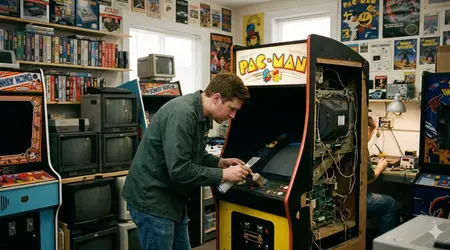
Perché l'archiviazione gestita dalla comunità è fondamentale per la sopravvivenza?
Gli sforzi dal basso garantiscono che La conservazione dei videogiochi retrò sta plasmando la cultura del 2026 anche quando gli editori originali abbandonano i loro titoli più vecchi.
I volontari dedicano migliaia di ore all'estrazione di ROM e alla scansione di manuali per garantire che nessun gioco vada mai veramente "perduto" nel tempo.
Queste comunità agiscono come custodi del nostro patrimonio interattivo.
Senza il loro intervento, migliaia di storie uniche e sistemi di controllo innovativi andrebbero perduti, poiché i supporti fisici originali si deteriorerebbero naturalmente e diventerebbero illeggibili.
Analogamente a un giardino botanico che conserva semi in via di estinzione, questi archivi digitali proteggono il materiale genetico del nostro software attuale.
Ogni riga di codice assembly conservata rappresenta una potenziale lezione per un futuro ingegnere o storico. Le battaglie legali continuano a infuriare sul "diritto alla riparazione" e sul "diritto alla conservazione".
Tuttavia, il sostegno schiacciante del pubblico a queste iniziative dimostra che la società attribuisce maggiore valore all'accesso alla cultura rispetto a un controllo aziendale rigido e illimitato.
Leggi anche: La rivoluzione Arcade degli anni '70 spiegata
Che ruolo svolge la tecnologia FPGA?
I Field Programmable Gate Array (FPGA) ci permettono di ricreare la logica hardware delle vecchie console con una precisione a livello di ciclo di clock.
Questa tecnologia ci permette di superare le emulazioni software piene di bug, offrendo il modo più autentico per vivere la storia.
Gli sviluppatori di FPGA sono i maestri fabbri dell'era digitale.
Forgiano nuovi cuori per i vecchi giochi, assicurando che possiamo giocare Super Mario O Sonic esattamente come erano stati concepiti nel 1991.
Per saperne di più: Analisi dell'ascesa delle rimasterizzazioni retrò: marketing e nostalgia
Come si adattano i musei fisici al mondo dei videogiochi?
I musei moderni offrono ormai mostre interattive in cui i visitatori possono utilizzare hardware originale su monitor CRT dell'epoca.
Questa esperienza tattile è fondamentale per comprendere la latenza e il feedback fisico che hanno caratterizzato la cultura dei primi videogiochi competitivi.
La conservazione non riguarda solo il codice; riguarda l'intero ambiente.
La sensazione del clic di un joystick meccanico o il ronzio di un televisore a tubo catodico creano un legame sensoriale con il passato.
In che modo la conservazione colma il divario generazionale?
Vediamo che La conservazione dei videogiochi retrò sta plasmando la cultura del 2026 consentendo ai genitori di condividere le esperienze della propria infanzia direttamente con i figli.
Giocare insieme a un gioco vecchio di 30 anni crea un linguaggio emotivo condiviso che trascende i decenni con facilità.
Questo gioco intergenerazionale promuove il rispetto e la comprensione reciproci.
I bambini imparano ad apprezzare i fondamenti dei loro hobby preferiti, mentre i genitori trovano gioia nel vedere le loro vecchie passioni rivivere attraverso occhi nuovi e giovanili.
Se lasciamo che questi giochi scompaiano, perdiamo un elemento vitale della storia delle nostre famiglie.
La conservazione garantisce che il "falò digitale" rimanga acceso, offrendo uno spazio per la narrazione e la condivisione di sfide nel salotto moderno.
Il semplice gesto di saltare sopra una fossa pixelata potrebbe essere la chiave per riavvicinare le famiglie in un'epoca di distrazioni?
I dati provenienti da sondaggi sociali del 2026 suggeriscono che giocare insieme ai videogiochi è una delle attività che favoriscono maggiormente la socializzazione.
Perché il "gioco autentico" sta diventando un lusso?
Nell'era dello streaming e degli abbonamenti, possedere una copia fisica e ben conservata di un videogioco è una vera e propria dichiarazione d'intenti.
I collezionisti apprezzano la permanenza di una cartuccia che funziona senza connessione internet o canone mensile.
Questo desiderio di proprietà è una reazione alla natura "effimera" dei servizi digitali del 2026.
Le persone desiderano cose che possano toccare, tenere in mano e tramandare ai propri eredi senza doversi preoccupare di eventuali interruzioni dei server.
Qual è l'impatto sulla sostenibilità ambientale?
Preservare e riparare i vecchi dispositivi elettronici riduce i rifiuti, incoraggiando una cultura del "ripara e riutilizza" anziché del consumo costante.
Gli appassionati di retrogaming sono spesso all'avanguardia nelle pratiche tecnologiche sostenibili e nella riparazione dei circuiti. Valorizzando ciò che già possediamo, sfidiamo il modello di "obsolescenza programmata" del settore.
La comunità degli appassionati di retrogaming dimostra che un dispositivo ben costruito del 1985 può ancora regalare gioia nel 2026 con un po' di cura.
Tabella globale dell'impatto della conservazione 2026
| Categoria | Beneficio principale | Risultato culturale | Tendenza di crescita 2026 |
| Istruzione | Storia del metodo | Nuovo curriculum STEM | Aumento 40% |
| Arte/Design | Alfabetizzazione dei pixel | Stile retro-futuristico | Alta domanda |
| Sociale | Esperienza condivisa | Legami intergenerazionali | Costante |
| Legal | Diritti digitali | Leggi sulla conservazione | Lento ma costante |
| Tecnologia | FPGA/Emulazione | Longevità dell'hardware | Esplosivo |
| Economia | oggetti da collezione | Stabilità del mercato della rivendita | 15% Annual |
| Musica | Texture a 8 bit | Fusione Pop/Indie | Corrente principale |
| Moda | Marchio Sprite | Abbigliamento di alta moda | Picchi stagionali |
IL Studio del Software Preservation Network 2025 Il rapporto evidenzia che 87% di giochi classici pubblicati prima del 2010 sono attualmente "in pericolo critico" in assenza di un'attiva attività di archiviazione.
Questa statistica sottolinea perché La conservazione dei videogiochi retrò sta plasmando la cultura del 2026 così aggressivamente oggi.
In sostanza, stiamo cercando di salvare la "Biblioteca di Alessandria" del mondo digitale prima che il fuoco del tempo consumi i dischi rimanenti.
Ogni file salvato è una vittoria per la nostra memoria collettiva e un dono per coloro che verranno dopo di noi.
Le generazioni future guarderanno alla nostra epoca come a quella che ha salvato l'arte digitale, o come a quella che se l'è lasciata sfuggire di mano?
La risposta dipende dagli strumenti e dalle leggi che creeremo ora per proteggere il nostro passato virtuale.
La nostra cultura è un arazzo di ciò che scegliamo di ricordare.
Scegliendo di salvare questi giochi, scegliamo di valorizzare la giocosità, la lotta e l'innovazione di coloro che hanno aperto la strada.
I pixel del passato sono le fondamenta dei poligoni del futuro.
Assicuriamoci che le fondamenta rimangano solide, accessibili e vivaci per tutti coloro che desiderano esplorare la storia del gioco.
Qual è stato il primo gioco che vi ha fatto capire che i mondi digitali meritavano di essere salvati per sempre? Condividete la vostra esperienza nei commenti!
L'eredità del pixel
Finalmente, La conservazione dei videogiochi retrò sta plasmando la cultura del 2026 ricordandoci che la tecnologia dovrebbe essere al servizio dell'umanità, non solo della produttività.
Proteggendo questi giochi, proteggiamo la gioia, la frustrazione e il trionfo dello spirito umano racchiusi nel codice.
Domande frequenti
È legale scaricare vecchi giochi a scopo di conservazione?
Le leggi sono attualmente in fase di revisione, ma molte organizzazioni che si battono per il "fair use" (uso lecito) nell'archiviazione e nella ricerca storica non commerciale.
Qual è il modo migliore per iniziare a preservare la mia collezione?
Conserva i tuoi giochi in un luogo fresco e asciutto e valuta la possibilità di effettuare un backup dei tuoi file di salvataggio utilizzando moderni strumenti hardware per evitare guasti alla batteria.
L'emulazione rovina l'esperienza originale?
Non necessariamente; l'emulazione moderna è incredibilmente accurata, anche se molti puristi preferiscono ancora l'aspetto e la sensazione dell'hardware originale su un monitor CRT.
Perché il "degrado dei bit" rappresenta un pericolo per i vecchi giochi?
Il deterioramento dei dati si verifica quando i dati fisici su un disco o un chip si degradano naturalmente nel corso dei decenni, rendendo infine il gioco inutilizzabile senza un intervento.
