
Mengapa kontroler TMR semakin populer di kalangan gamer?
Pengumuman
Pengontrol TMR mendefinisikan ulang lanskap game kompetitif pada tahun 2026, menawarkan tingkat presisi yang sulit ditandingi oleh metode input tradisional.
Seiring dengan meningkatnya tuntutan esports terhadap akurasi data dan waktu respons yang lebih cepat, perangkat-perangkat inovatif ini telah beralih dari sekadar barang hobi menjadi perlengkapan penting kelas profesional.
Para gamer di seluruh dunia kini menyadari bahwa perbedaan antara kemenangan dan kekalahan seringkali terletak pada latensi milidetik perangkat keras mereka.
Pergeseran ini mencerminkan tren yang lebih luas menuju spesialisasi perangkat keras, di mana alat input generik gagal memenuhi standar ketat para atlet digital modern.
Para produsen menanggapi hal ini dengan merekayasa perangkat periferal yang memprioritaskan umpan balik sensorik, kemampuan penyesuaian ergonomis, dan pemrosesan sinyal yang hampir instan.
Pengumuman
Jika Anda pernah merasa terhambat oleh perlengkapan Anda selama pertandingan yang menegangkan, Anda akan mengerti mengapa evolusi ini sangat penting bagi setiap pemain serius.
Menavigasi Revolusi Perangkat Keras
- Pergeseran mendasar menuju arsitektur input yang terspesialisasi.
- Bagaimana teknologi sensor dan waktu respons mekanis memengaruhi permainan.
- Keunggulan ergonomis dari antarmuka kontrol kelas profesional.
- Perbandingan latensi berbasis data di berbagai periferal game modern.
Apa Itu Pengontrol TMR dan Mengapa Penting?
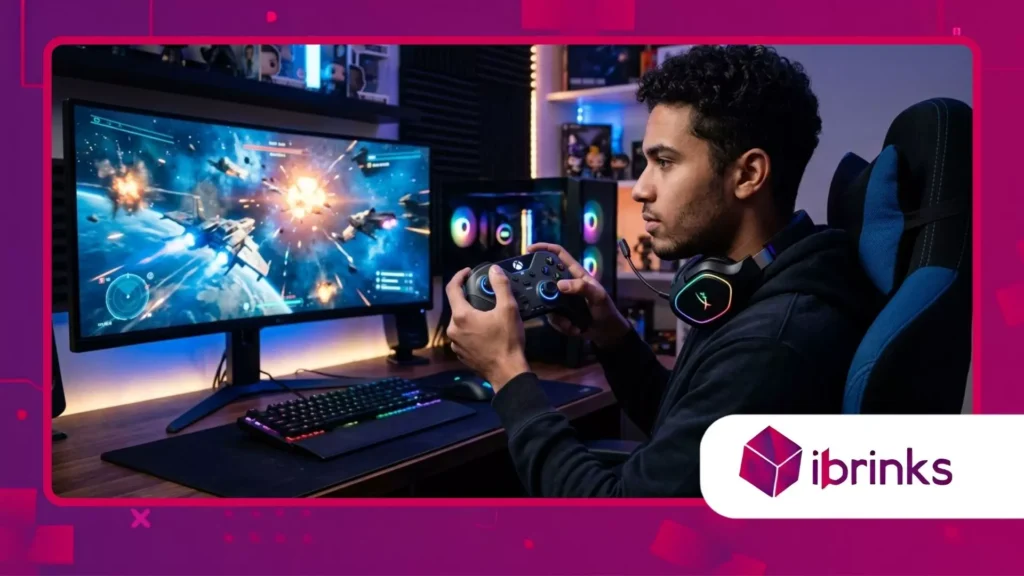
Teknologi TMR canggih, atau Tunneling Magnetoresistance, memanfaatkan efek mekanika kuantum untuk mendeteksi gerakan dengan akurasi yang belum pernah terjadi sebelumnya dibandingkan dengan sensor analog standar.
Sensor efek Hall tradisional, meskipun dapat diandalkan, seringkali kurang memiliki sensitivitas ekstrem yang dibutuhkan untuk esports tingkat profesional.
Dengan mengukur perubahan resistansi listrik pada tingkat atom, perangkat baru ini memberikan ketajaman yang mengubah cara pemain berinteraksi dengan lingkungan virtual mereka.
Bayangkan memainkan game tembak-menembak orang pertama di mana setiap gerakan pergelangan tangan yang halus diterjemahkan dengan sempurna ke layar tanpa gangguan input yang kasar.
Inilah perbedaan antara sketsa arang yang buram dan foto berdefinisi tinggi.
Bagi para gamer kompetitif yang mengandalkan refleks, tingkat konsistensi ini memberikan keunggulan psikologis yang sangat besar selama skenario yang intens dan penuh tekanan.
Bagaimana Teknologi Sensor Meningkatkan Akurasi Input?
Arsitektur internal unit-unit ini meminimalkan pergeseran sinyal, masalah umum yang sering terjadi pada pengontrol standar yang menua seiring waktu.
Karena sensor ini mengandalkan medan magnet dan bukan titik kontak fisik, perangkat kerasnya mengalami keausan mekanis yang jauh lebih sedikit selama ribuan jam permainan intensif.
Keandalan ini memastikan bahwa bidikan Anda tetap setajam hari pertama seperti halnya bertahun-tahun kemudian.
++ Cara membangun rantai audio senyap tanpa latensi.
Mengapa Pemain Kompetitif Lebih Memilih Pengaturan Tombol Kustom?
Kustomisasi merupakan inti dari perangkat berkinerja tinggi ini, memungkinkan pengguna untuk memetakan ulang seluruh tata letak agar sesuai dengan genre game tertentu.
Dengan memindahkan aksi-aksi penting ke tombol belakang atau pemicu sekunder, pemain tetap memiliki kendali penuh atas pergerakan saat melakukan kombo yang kompleks.
Kebebasan ergonomis ini mencegah kelelahan tangan, memungkinkan sesi latihan yang lebih lama tanpa mengganggu kesehatan fisik atau performa Anda.
Baca juga: Cara mengoptimalkan latensi kontroler di PC
Apa Peran Latensi Rendah dalam Esports?
Latensi bertindak sebagai musuh tak terlihat bagi setiap gamer, menambahkan penundaan yang tidak perlu antara perintah fisik dan eksekusi digitalnya.
Dengan mengoptimalkan jalur sinyal dari pemicu ke konsol utama, Pengontrol TMR mengurangi jeda input hingga tingkat yang belum pernah terdengar sebelumnya pada perangkat keras komersial.
Keunggulan kecepatan ini memastikan bahwa reaksi Anda benar-benar diterjemahkan menjadi tindakan yang memenangkan permainan, bukan hanya peluang yang terlewatkan.
Bagaimana Desain Ergonomis Memberikan Manfaat bagi Kinerja Jangka Panjang?
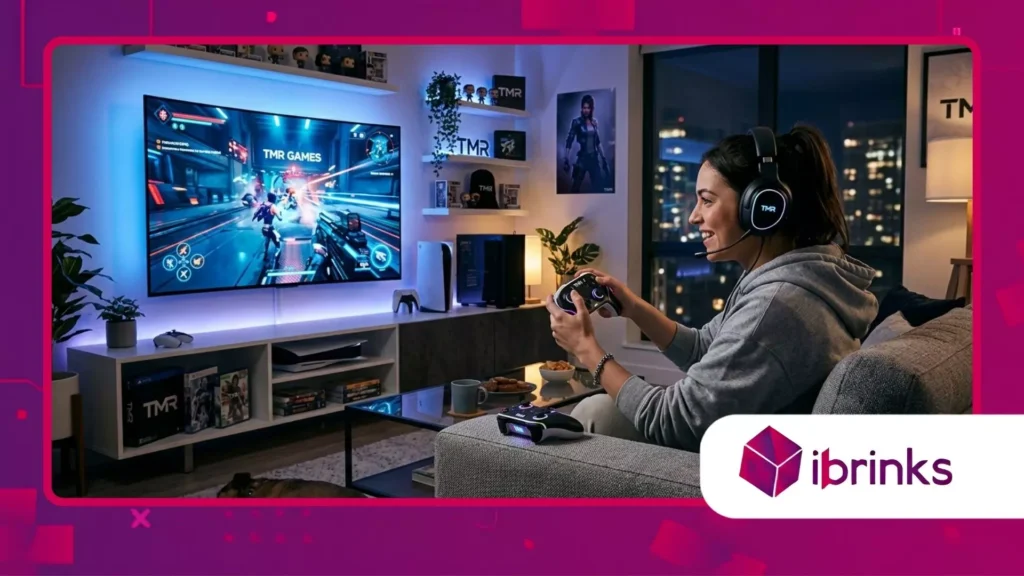
Kenyamanan bukan sekadar kemewahan dalam permainan kompetitif; itu adalah persyaratan mendasar untuk mempertahankan fokus selama jam-jam turnamen yang panjang.
Produsen Pengontrol TMR Menekankan pada pegangan yang dibentuk khusus dan sistem pemberat yang dapat disesuaikan untuk mengakomodasi berbagai ukuran tangan dan gaya memegang.
Ketika tangan Anda merasa nyaman saat menggunakan perangkat, pikiran Anda dapat mencurahkan seluruh daya pemrosesannya untuk strategi taktis dan kesadaran situasional.
Selain itu, material yang digunakan pada unit-unit kelas atas ini seringkali memiliki tekstur yang menyerap kelembapan untuk mempertahankan cengkeraman yang kuat di bawah tekanan.
Tidak ada yang lebih cepat merusak fokus pemain profesional selain permukaan yang licin pada momen krusial.
Perhatian cermat terhadap desain eksternal ini mencerminkan keunggulan yang ditemukan pada sensor internal, menciptakan pengalaman premium yang benar-benar seimbang.
Baca selengkapnya: Memilih pijakan kaki yang tepat untuk kenyamanan bermain game.
Apakah Tersedia Profil Sensitivitas yang Dapat Disesuaikan?
Sebagian besar model menyertakan perangkat lunak khusus yang memungkinkan pemain untuk menyesuaikan ketegangan stik dan jarak pergerakan pemicu.
Kemampuan penyesuaian yang presisi ini berarti kontroler beradaptasi dengan kebutuhan spesifik dari berbagai judul game, mulai dari game tembak-menembak yang mengutamakan refleks cepat hingga game strategi yang lebih sistematis.
Anda dapat membuat profil unik untuk setiap game di perpustakaan Anda, dan beralih di antara keduanya secara instan hanya dengan menekan sebuah tombol.
Mengapa Penggantian Komponen Modular Penting?
Modularitas memastikan bahwa perangkat dapat berkembang seiring dengan gaya bermain pribadi Anda, memungkinkan penggantian thumbstick atau D-pad dengan cepat.
Jika Anda lebih menyukai stik yang lebih panjang untuk presisi yang lebih tinggi dalam menembak jitu, Anda dapat memasangnya dalam hitungan detik.
Fleksibilitas jangka panjang ini melindungi investasi awal Anda, menjadikan perangkat ini jauh lebih tahan lama dan serbaguna daripada pilihan ritel standar yang tidak modular.
Bagaimana dengan daya tahan baterai dan konektivitas?
Perangkat modern menyediakan performa baterai nirkabel yang lebih lama yang menyaingi koneksi kabel, memastikan Anda tidak pernah kehabisan daya selama pertandingan penting.
Dengan memanfaatkan sel lithium berkapasitas tinggi dan firmware manajemen daya yang dioptimalkan, perangkat ini menawarkan waktu bermain hingga puluhan jam.
Protokol nirkabel yang andal juga menjamin Anda tidak akan mengalami gangguan sinyal, bahkan di lingkungan acara yang ramai dengan puluhan perangkat aktif.
Apa Kata Data Pasar Tentang Perangkat Tambahan untuk Bermain Game?
Pada tahun 2026, pasar perlengkapan gaming premium mengalami peningkatan pesat seiring dengan rekor baru jumlah penonton esports di berbagai platform streaming global.
Sebuah laporan industri terbaru menunjukkan bahwa 65% dari perangkat kelas profesional kini menggabungkan teknologi sensor magnetik khusus dengan sensitivitas tinggi.
Peningkatan signifikan ini menegaskan bahwa tim profesional memandang perangkat keras berkualitas tinggi sebagai investasi penting dalam strategi kemenangan mereka, bukan sekadar pilihan kosmetik.
Bagi yang penasaran dengan angkanya, peningkatan metrik performa sangat mencengangkan ketika beralih dari komponen lama.
Pengontrol standar mungkin mencatat fluktuasi input hingga 5%, sedangkan perangkat modern ini secara konsisten mempertahankan varians di bawah 0,5%.
Perbedaan statistik ini cukup untuk mengubah hasil turnamen profesional berisiko tinggi mana pun, di mana setiap sepersekian detik sangatlah penting.
Apakah Teknologi Ini Cocok untuk Gamer Kasual?
Meskipun para gamer profesional paling diuntungkan dari presisi yang ekstrem, pemain kasual juga mendapatkan manfaat besar dari kualitas pembuatan yang lebih baik dan daya tahan jangka panjang.
Berinvestasi pada perangkat yang tidak mudah rusak setelah beberapa bulan akan menghemat uang dalam jangka panjang. Selain itu, kesenangan menggunakan perangkat yang merespons perintah Anda dengan sempurna akan meningkatkan pengalaman bermain game apa pun.
Bagaimana Cara Kerja Integrasi dengan Konsol?
Perangkat periferal ini dirancang untuk integrasi yang mulus dengan semua platform game utama, seringkali hanya memerlukan pengaturan plug-and-play sederhana.
Driver khusus memastikan Anda dapat menyesuaikan pengaturan di PC dan kemudian mentransfer profil tersebut langsung ke konsol Anda.
Kompatibilitas lintas platform ini tetap menjadi landasan pengalaman bermain game modern bagi banyak penggemar setia.
Mengapa Anda Harus Berinvestasi Sekarang?
Menunggu perangkat keras rusak sebelum melakukan peningkatan adalah strategi yang sering kali menyebabkan frustrasi dan performa yang tidak konsisten dalam game yang Anda sukai.
Dengan melakukan peningkatan ke Pengontrol TMR Sekarang, Anda mengamankan keunggulan kompetitif yang andal yang membuat Anda tetap berada di puncak selama bertahun-tahun.
Mengapa harus puas dengan perangkat keras yang membatasi potensi Anda, padahal Anda bisa menggunakan alat yang dirancang untuk membantu Anda unggul?
Metrik Komparatif: Analisis Kinerja Input
Tabel berikut merangkum perbedaan teknis antara input berbasis potensiometer tradisional dan sensor magnetik canggih yang terdapat pada perangkat keras berkinerja tinggi saat ini.
| Metrik Kinerja | Pengontrol Tradisional | Teknologi Sensor Canggih |
| Varians Akurasi | Lebih tinggi (5% hingga 8%) | Minimal (Di bawah 0,5%) |
| Keausan dan Kerusakan | Tinggi (Degradasi kontak fisik) | Rendah (Penginderaan magnetik tanpa kontak) |
| Latensi Sinyal | Standar (Garis dasar variabel) | Sangat Rendah (Penundaan mendekati nol) |
| Kustomisasi | Dasar (Pemetaan terbatas) | Komprehensif (Dukungan perangkat lunak yang mendalam) |
| Umur panjang | Sedang (Masalah drifting sering terjadi) | Tinggi (Ketahanan terhadap pergeseran jangka panjang) |
Kesimpulan
Meningkatnya popularitas Pengontrol TMR merupakan respons langsung terhadap budaya game yang lebih menuntut dan canggih di tahun 2026.
Perangkat-perangkat ini memberikan presisi, daya tahan, dan kemampuan kustomisasi yang dibutuhkan pemain modern untuk sukses di arena digital yang kompetitif.
Dengan beralih dari desain mekanis yang sudah ketinggalan zaman, para gamer memilih perangkat keras yang benar-benar menghargai keterampilan dan dedikasi mereka terhadap keunggulan.
Berinvestasi pada peralatan Anda, pada akhirnya, adalah investasi pada performa dan kenikmatan Anda sendiri.
Apakah Anda siap meningkatkan kemampuan bermain game Anda dan melihat apa yang sebenarnya mampu Anda capai? Bagikan pengalaman pribadi Anda dengan periferal gaming kelas atas di kolom komentar di bawah!
Pertanyaan yang Sering Diajukan
Apakah kontroler ini kompatibel dengan konsol game lama?
Sebagian besar perangkat berkinerja tinggi modern memiliki kompatibilitas mundur yang luas melalui USB-C, memungkinkan perangkat tersebut berfungsi pada perangkat keras lama yang mendukung driver input standar.
Namun, fitur perangkat lunak canggih tertentu seperti pengaturan ulang tombol kustom mungkin terbatas pada generasi konsol yang lebih baru atau lingkungan PC. Selalu periksa daftar kompatibilitas produk resmi sebelum melakukan pembelian akhir.
Apakah proses pengaturannya sulit bagi pengguna yang tidak memiliki latar belakang teknis?
Pengaturannya biasanya mudah, seringkali hanya memerlukan pembaruan firmware singkat melalui aplikasi pendamping di PC atau perangkat seluler Anda.
Setelah kalibrasi awal selesai, pengontrol akan mengingat pengaturan Anda, sehingga memberikan pengalaman plug-and-play yang sesungguhnya. Situs web dukungan produsen juga menawarkan tutorial video yang jelas untuk setiap model jika Anda memerlukan panduan tambahan.
Bagaimana cara merawat perangkat-perangkat ini agar memiliki umur pakai maksimal?
Bersihkan permukaan secara teratur dengan kain kering dan jaga kebersihan port pengisian daya untuk memastikan kontak listrik yang sempurna demi konektivitas.
Hindari memaparkan sensor internal ke medan magnet yang ekstrem, meskipun pelindung modern membuat hal ini kecil kemungkinannya menjadi masalah di lingkungan rumah tangga biasa.
Menyimpan kontroler Anda dengan benar di dalam wadah khusus saat tidak digunakan juga mencegah penumpukan debu yang tidak perlu.
