
Gaming and Mental Health
Video games have become a global phenomenon, captivating millions of players and shaping the landscape of digital entertainment. As the gaming industry evolves, so does our understanding of its impact on mental health. From pixelated screens to immersive virtual worlds, the psychological effects of gaming continue to intrigue researchers and players alike.
Anúncios
The relationship between video games and mental health is complex and multifaceted. While some worry about potential negative impacts, others champion the positive psychological effects of gaming. This exploration delves into how digital play influences our minds, emotions, and overall well-being.
As we navigate the ever-changing realm of digital entertainment, it’s crucial to examine both the benefits and challenges that gaming presents to our mental health. From stress relief to cognitive enhancement, the world of video games offers a unique lens through which we can better understand the human psyche in the digital age.
Key Takeaways
- Video games significantly impact mental health and well-being
- Gaming can provide stress relief and cognitive benefits
- The psychological effects of gaming vary among individuals
- Digital entertainment shapes modern social interactions
- Balancing gaming with real-life activities is essential
The Evolution of Gaming and Its Psychological Effects
Gaming has come a long way since its humble beginnings. From arcade machines to virtual reality headsets, the world of digital entertainment has transformed dramatically. This evolution has had profound effects on our brains and mental processes.
From Arcade to Virtual Reality: Gaming’s Journey
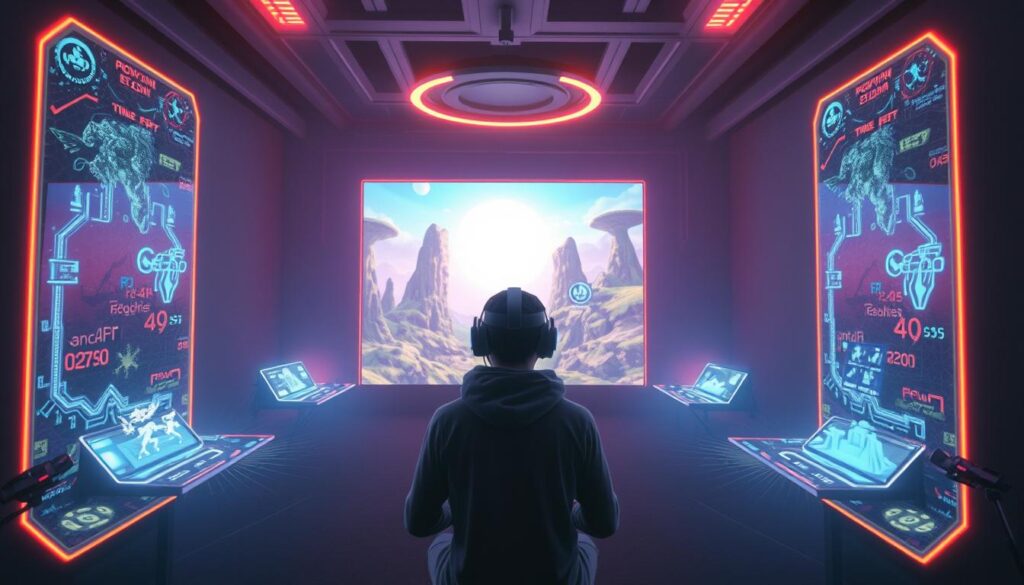
The gaming history is rich with innovation. Arcades once ruled, offering simple yet addictive games. Home consoles brought gaming into living rooms, sparking a revolution. Now, virtual reality immerses players in stunning digital worlds, pushing the boundaries of what’s possible.
The Brain’s Response to Digital Entertainment
Digital games trigger unique brain activity patterns. Fast-paced action games boost visual processing. Strategy games enhance problem-solving skills. The brain adapts to these digital challenges, rewiring itself for improved performance.
| Game Type | Brain Area Stimulated | Cognitive Benefit |
|---|---|---|
| Action | Visual Cortex | Improved Reaction Time |
| Strategy | Prefrontal Cortex | Enhanced Planning Skills |
| Puzzle | Parietal Lobe | Better Spatial Reasoning |
Modern Gaming Landscapes and Mental Stimulation
Today’s gaming landscapes offer unprecedented cognitive stimulation. Open-world games challenge players to explore vast territories. Multiplayer games foster teamwork and social skills. Educational games make learning fun and engaging. This diversity ensures that gaming can cater to various mental needs and preferences.
As gaming continues to evolve, its potential for positive mental impact grows. The interplay between gaming and psychology promises exciting developments in cognitive enhancement and mental health support.
Positive Mental Health Benefits of Games
Gaming offers surprising perks for mental well-being. From stress relief to cognitive growth, games can boost our minds in unexpected ways.
Stress Relief and Relaxation Through Gaming
Games provide a fun escape from daily pressures. Engaging in virtual worlds helps unwind and recharge. Many find puzzle games or peaceful simulations particularly calming, offering much-needed stress relief after long days.

Building Cognitive Skills and Problem-Solving Abilities
Strategy games and brain teasers sharpen our minds. They challenge us to think critically, plan ahead, and solve complex problems. Regular gaming can improve memory, attention, and decision-making skills.
Social Connection in Online Gaming Communities
Online communities in games create spaces for friendships and teamwork. Players connect across distances, sharing experiences and building relationships. These social bonds can combat feelings of isolation and loneliness.
Emotional Regulation and Gaming
Games teach emotional balance through challenges and victories. Learning to manage frustration, celebrate wins, and persist through difficulties in games can translate to real-life emotional skills. This practice helps players develop better coping mechanisms for everyday stress.
| Gaming Benefit | Impact on Mental Health |
|---|---|
| Stress Relief | Reduces anxiety and tension |
| Cognitive Skills | Enhances problem-solving abilities |
| Online Communities | Fosters social connections |
| Emotional Regulation | Improves coping mechanisms |
Identifying Gaming-Related Mental Health Concerns
Gaming has become a popular pastime, but it’s crucial to recognize when it might affect mental health. Excessive play can lead to gaming addiction, a serious concern that impacts daily life. Spotting the signs early helps prevent long-term mental health risks.
- Skipping meals or sleep to game
- Neglecting personal hygiene
- Isolating from friends and family
- Lying about time spent gaming
Gaming addiction can affect work, school, and relationships. It’s not just about time spent playing; it’s about the impact on daily life. If gaming interferes with normal activities, it’s time to seek help.
“Gaming becomes a problem when it takes precedence over other important aspects of life.”
Mental health risks associated with excessive gaming include anxiety, depression, and social withdrawal. Physical health can suffer too, with issues like poor posture and eye strain. Recognizing these problems is the first step toward finding balance.
Not all gaming is harmful. Moderation is key. Set time limits, take regular breaks, and maintain other hobbies and social connections. If you’re concerned about your gaming habits or those of a loved one, don’t hesitate to reach out to a mental health professional for guidance.
The Role of Gaming in Anxiety and Depression Management
Gaming has emerged as a powerful tool for anxiety management and depression treatment. Research shows that certain video games can help people cope with mental health challenges. This new approach to therapeutic gaming opens up exciting possibilities for those seeking alternative coping strategies.
Therapeutic Applications of Video Games
Some healthcare providers now use specially designed games to help patients. These games aim to reduce stress, improve mood, and build resilience. For example, games that encourage deep breathing or mindfulness can be effective for anxiety management. Others focus on problem-solving skills to boost confidence and combat depression symptoms.
Gaming as a Coping Mechanism
Many people turn to gaming as a way to deal with tough emotions. It can provide a much-needed break from worries and negative thoughts. Engaging in favorite games can lift spirits and offer a sense of accomplishment. This makes gaming a valuable coping strategy for those struggling with anxiety or depression.
Balance Between Escape and Reality
While gaming can be helpful, it’s crucial to maintain balance. Using games as a temporary escape is fine, but it shouldn’t replace real-world interactions or professional help. The key is to use therapeutic gaming as part of a broader approach to mental health care. This balanced strategy can lead to better outcomes in anxiety and depression treatment.
FAQ
How does gaming affect mental health?
Can video games help with anxiety and depression?
What are the signs of gaming addiction?
How has gaming evolved over the years?
Are there cognitive benefits to playing video games?
How do online gaming communities impact mental health?
