
Games built to be watched: designing gameplay for stream-first audiences
In 2026, the concept of Games built to be watched has transitioned from a niche marketing strategy into the primary blueprint for successful game development.
Anúncios
We have entered an era where “watchability” is as crucial as playability, forcing studios to design mechanics that prioritize the spectator’s thrill.
My analysis of current trends shows that the most successful titles today, such as Valorant and Helldivers 2, are crafted specifically to generate viral moments.
These experiences are no longer just about the player’s journey; they are about the narrative resonance shared with thousands of live viewers globally.
Spectator-First Design Essentials
- Interactive Influence: Direct audience impact on game variables, popularized by titles like Marbles on Stream.
- Visual Legibility: High-contrast UI and clear combat signals that ensure viewers understand the action instantly.
- Streamer Toolkits: Integrated HUD overlays and direct-to-chat feedback loops now standard in 2026 releases.
- Viral Geometry: Level designs engineered to create “clippable” high-stakes encounters and hilarious physics failures.
What is the “Stream-First” design philosophy?
The design of Games built to be watched focuses on creating a symbiotic relationship between the person holding the controller and the thousands watching.
This philosophy demands that every mechanical action from a headshot in Apex Legends to a betrayal in Among Us is visually and audibly distinct for a remote observer.
Developers now prioritize “visual storytelling through action,” ensuring that even a casual viewer can grasp the stakes of a match within seconds. In 2026, a game’s success is often measured by its “Viewership-to-Player Ratio,” a metric that identifies titles capable of sustaining massive audiences.
I believe this shift is like turning a private game of backyard catch into a televised stadium event, where every move is choreographed for impact.
You aren’t just playing a game anymore; you are performing within a digital theater specifically optimized for maximum audience engagement and retention.
Games like Phasmophobia and Dead by Daylight exemplify this by using suspense and jump-scares that trigger identical reactions from both player and viewer.
This shared emotional state creates a powerful bond, turning the act of watching into a communal experience that traditional single-player games struggle to replicate.
++ The rise of living game worlds: titles that evolve even when you’re offline
How does spectator agency change the game?
Modern titles are increasingly incorporating “Spectator Agency,” allowing Twitch or YouTube audiences to vote on environmental hazards or supply drops in real-time.
This mechanic effectively turns the chat into a secondary player, making Games built to be watched more interactive than any static broadcast could ever be.
Take the 2026 breakout indie hit R.E.P.O., which allows viewers to sabotage players’ equipment via a specialized browser extension.
This level of integration transforms the streamer’s struggle into a narrative controlled by the fans, fostering a deep sense of ownership over the broadcast’s outcome.
Also read: How AI-generated questlines are changing replay value in modern games
Why is visual legibility the new gold standard?
Designers now avoid “visual clutter” that might look impressive on a 4K monitor but turns into a muddy mess during a 720p live stream.
Legibility ensures that a viewer on a mobile phone can still track the projectile paths in Overwatch 2 or the inventory shifts in Minecraft.
My observation is that games lacking this clarity often fail to gain traction in the competitive streaming landscape of 2026.
A spectator who is confused by the screen will eventually look away, making “at-a-glance” comprehension a top-tier requirement for modern UI/UX design teams.
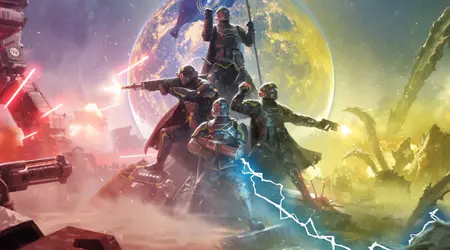
Why are “Viral Physics” essential for modern hits?
The rise of Games built to be watched has led to a renaissance of unpredictable, physics-based interactions that result in hilarious or awe-inspiring clips.
When a ragdoll goes flying in Party Animals or a building collapses unexpectedly in The Finals, it generates free, high-value marketing for the studio.
These “organic highlights” are more effective than any paid advertisement because they showcase the genuine, unscripted joy of the gaming experience.
In 2026, developers intentionally build “loose” physics systems that allow for these emergent, unexpected moments to occur frequently during a standard three-hour stream.
According to data from the 2025 Creator Economy Report, 74% of gamers discovered their latest purchase through a short-form clip or live stream.
This statistic proves that the initial purchase decision is now heavily influenced by how much fun a game looks when played by someone else.
Relying on scripted events is a relic of the past; today, we demand dynamic systems that can surprise the streamer themselves.
This unpredictability is the engine of Games built to be watched, ensuring that no two broadcasts ever feel identical to the dedicated fan base.
Read more: The rise of sandbox biomechanics in sports games
What role does the “Clippable Moment” play?
A “clippable moment” is a 15-to-30-second window of high intensity or humor that can be easily shared across social media platforms like TikTok.
Developers now engineer “lulls and peaks” into gameplay loops to ensure players have the mental bandwidth to react vocally when something significant happens.
By creating these specific emotional peaks, studios ensure that their Games built to be watched are constantly being redistributed by the community.
This decentralized marketing strategy is the primary driver of growth for modern titles like Rustler and Carmageddon: Rogue Shift in the 2026 market.
How do social sandbox worlds foster viewership?
Social sandboxes like Roblox and Fortnite have evolved into digital hangouts where the “game” is often secondary to the social interaction taking place.
Streamers in these worlds act as hosts of a digital party, where viewers feel like they are “hanging out” rather than just observing a competition.
This shift toward “social-first” gaming means that tools for expression emotes, skins, and custom builds are just as important as the combat mechanics.
In 2026, a game’s “watchability” is intrinsically tied to how well it allows the player to perform their unique personality to the world.
How is AI reshaping the spectator experience?
Artificial Intelligence is now being used to generate real-time “Highlight Reels” for streamers, automatically cutting and tagging the most exciting parts of a broadcast.
These AI tools identify the Games built to be watched and help content creators maintain a 24/7 presence across all social media platforms without manual editing.
Furthermore, AI-driven NPCs in games like Star Trek: Voyager Across the Unknown can now react to chat sentiment, changing their dialogue based on audience mood.
This creates a surreal, living world where the boundary between the game, the player, and the audience has completely dissolved into a single entity.
Engagement Features in Top 2026 Stream-First Games
| Game Title | Interaction Level | Visual Legibility | Clip Potential | Key Streamer Feature |
| Helldivers 2 | Medium | High | Extreme | Shared Galactic Map |
| PUBG: BLINDSPOT | High | Ultra-High | High | Chat-Driven Supply Drops |
| Lethal Company 2 | Low (Proximity) | Stylized/Clear | Maximum | Dynamic Voice Echo |
| Vampire Survivors | None | Low (Chaotic) | Medium | Progress Visualizer |
| Jackbox N-Gen | Absolute | Maximum | High | Direct Phone Connection |
The evolution of Games built to be watched marks a permanent change in how we define “fun” in the digital age of 2026.
We are moving away from solitary experiences toward a future where every click of a mouse has the potential to entertain millions of people.
For developers, this means balancing the needs of the person holding the controller with the desires of the person watching the screen.
This duality is the new frontier of creativity, blending cinematography, social psychology, and software engineering into a single, cohesive art form.
As the lines between playing and watching continue to blur, the most successful games will be those that realize the audience is not just a witness, but a vital part of the world itself.
The era of the “passive viewer” is dead, replaced by an era of active participation that is redefining the global entertainment landscape.
What was the last game you bought because a streamer made it look like an absolute blast to play with friends? Share your experience in the comments!
Frequently Asked Questions
Does “stream-first” design make games less fun for solo players?
Not necessarily; many of these features, like clear UI and emergent physics, actually enhance the solo experience by making the game more polished and unpredictable.
Why are indie games leading the “watchable” trend?
Indie developers can take bigger risks with experimental, quirky mechanics that are perfect for viral clips, whereas AAA studios often stick to safer, more traditional formulas.
Are there specific genres that work best for streaming?
Horror, Battle Royales, and Physics-Simulators currently dominate because they provide clear stakes and high-intensity emotional reactions that are easy for an audience to follow.
How do I know if a game is “stream-friendly” before I buy it?
Look for “Twitch Integration” or “Streamer Mode” in the settings menu, which usually indicates the developers have included features specifically for content creators.
Will AI eventually replace the human streamer?
While AI-vtubers exist, the audience still craves genuine human reaction and community building, which AI currently cannot replicate with the same level of authentic empathy.
