
Game Publishers vs Independent Leagues: Who Owns the Esports Scene?
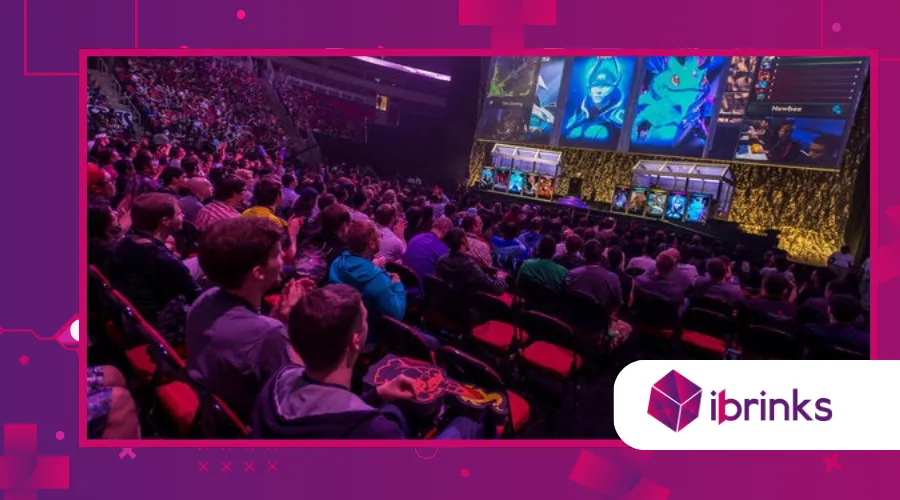
In the electrifying arena of esports, the tug-of-war between Game Publishers vs Independent Leagues shapes the industry’s future.
Anúncios
Game publishers, wielding intellectual property (IP) rights, hold immense power, dictating rules, formats, and even player careers.
Meanwhile, independent leagues champion grassroots innovation, fostering diversity and community-driven competition.
This clash isn’t just about control—it’s about vision, sustainability, and the soul of competitive gaming.
Who truly owns the esports scene?
Let’s dive into this dynamic struggle, exploring its nuances, stakes, and what it means for fans, players, and the industry at large.
The Powerhouse of Publishers: Control Through Ownership
Game publishers like Riot Games, Activision Blizzard, and Valve are the architects of esports’ biggest titles—League of Legends, Call of Duty, and Dota 2.
Owning the IP gives them unparalleled authority.
They craft the games, set competitive rules, and often run their own leagues, like Riot’s League of Legends Championship Series (LCS) or Activision’s Call of Duty League.
This control ensures consistency, high production values, and brand alignment.
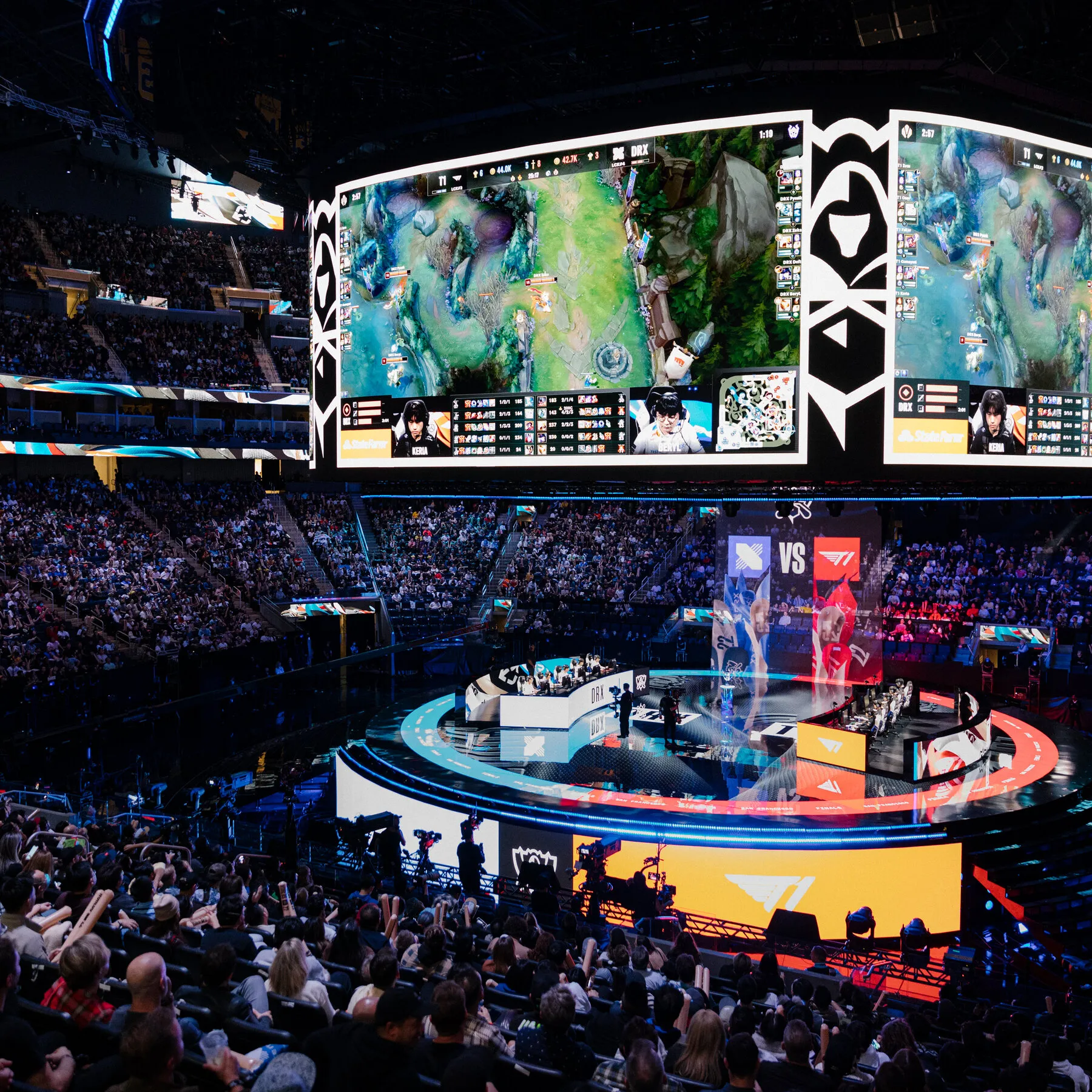
For instance, Riot’s 2024 League of Legends World Championship drew 24 million concurrent viewers, showcasing the polish and scale only a publisher can deliver.
Yet, this dominance comes at a cost.
Publishers prioritize their commercial interests, often tying esports viability to a game’s profitability.
When Blizzard scaled back Heroes of the Storm in 2018, canceling tournaments and slashing resources, players and coaches faced career upheaval overnight.
This move highlighted a harsh reality: publishers can pull the plug without warning, leaving communities scrambling.
Their model resembles a corporate boardroom, where decisions prioritize revenue over passion.
Can a scene thrive when its fate hinges on a single entity’s balance sheet?
Moreover, the influence of publishers extends beyond just game development.
They shape the narratives and branding of esports, often sidelining grassroots movements that challenge their authority.
As a result, the landscape can feel homogenized, lacking the diversity of voices that independent leagues bring.
This tension raises critical questions about the long-term sustainability of publisher-led initiatives and their impact on the broader esports ecosystem.
Independent Leagues: The Heartbeat of Grassroots Innovation
Contrastingly, independent leagues like ESL, DreamHack, and BLAST embody the spirit of esports’ early days.
These organizers operate without IP ownership, relying on licensing agreements to host tournaments for games like Counter-Strike or Dota 2.
Their strength lies in flexibility and experimentation.
For example, in 2023, BLAST introduced a unique Rainbow Six Siege tournament format with dynamic tiebreakers, sparking fan excitement and player engagement—something a publisher’s rigid structure might not risk.
Independent leagues also nurture niche titles and communities.
Consider Super Smash Bros., where grassroots organizers like Beyond the Summit built a vibrant competitive scene despite Nintendo’s minimal involvement.
These leagues thrive on community passion, creating spaces for players and fans to shape the narrative.
However, their reliance on publisher licenses makes them vulnerable.
In 2022, Nintendo’s sudden withdrawal of support for the Smash World Tour left organizers and players devastated, underscoring the precarious balance of Game Publishers vs Independent Leagues.
The independent league model fosters innovation by allowing for diverse formats and community input.
This approach often leads to unique tournament experiences that resonate deeply with fans.
As independent leagues continue to evolve, they may challenge the status quo, pushing for more equitable partnerships with publishers that respect their contributions while ensuring sustainability.
+ The Importance of Mental Coaching in Esports
The Economic Battlefield: Investment and Sustainability
The financial dynamics of Game Publishers vs Independent Leagues reveal stark contrasts.
Publishers pour millions into their ecosystems—Riot invests over $100 million annually in League of Legends esports alone—but expect returns through in-game purchases and sponsorships.
Their franchised leagues, like the Overwatch League, charge teams hefty fees (up to $20 million) to participate, creating a high-stakes, high-reward model.
Yet, this approach often alienates smaller organizations and risks financial instability when interest wanes.
Independent leagues, by contrast, operate leaner, relying on sponsorships, ticket sales, and streaming revenue.
Their events, like DreamHack’s open qualifiers, democratize access, allowing unknown players to rise to stardom.
However, profitability remains elusive.
A 2024 Newzoo report estimated that only 15% of independent esports events turn a profit, highlighting their struggle against publisher-backed juggernauts.
The table below compares the financial models:
| Aspect | Game Publishers | Independent Leagues |
|---|---|---|
| Primary Funding | Franchise fees, in-game purchases | Sponsorships, ticket sales, streaming |
| Investment Scale | $50M-$100M+ annually (e.g., Riot, Blizzard) | $1M-$10M per event (e.g., ESL, DreamHack) |
| Profitability | Revenue-driven, often unprofitable directly | 15% profitable (Newzoo, 2024) |
| Risk | High (tied to game success) | High (license dependency) |
This economic disparity fuels tension.
Publishers wield the capital to dominate, but independent leagues offer a lifeline for diversity and accessibility.
As the industry evolves, the financial landscape could shift, leading to new models of collaboration.
Innovative funding strategies, such as shared revenue from streaming platforms or joint sponsorships, might bridge the gap between publishers and independent leagues.
Such initiatives could enhance sustainability for both sides while enriching the overall esports ecosystem.
Creative Control: Innovation vs. Uniformity
Creativity is another battleground in Game Publishers vs Independent Leagues.
Publishers enforce standardized formats to protect their brand.
Riot’s LCS, for instance, follows a polished, predictable structure—weekly matches, studio broadcasts, and scripted ceremonies.
This uniformity ensures global consistency but can stifle innovation.
When Riot tweaked Valorant’s competitive rules in 2024 to prioritize faster matches, some fans felt it diluted strategic depth, a decision no independent organizer could influence.
Independent leagues, however, thrive on bold experiments.
Take ESL’s 2025 Counter-Strike 2 Major, which introduced a fan-voted “wild card” slot, injecting unpredictability and excitement.
Such innovations resonate with fans craving authenticity over corporate sheen.
Yet, without publisher approval, these experiments risk rejection.
Valve’s 2023 decision to open CS2 qualifiers reduced organizer influence, showing how Game Publishers vs Independent Leagues can clash over creative control.
The tension between standardization and innovation highlights the need for a balanced approach.
Publishers could benefit from embracing more flexible formats that allow for experimentation while maintaining brand integrity.
This synergy could lead to a more vibrant competitive scene, where creativity thrives alongside established structures.
++ The Evolution of Prize Pools in Competitive Gaming
The Fan Perspective: Engagement and Loyalty
Fans are the lifeblood of esports, and their loyalty often sways the Game Publishers vs Independent Leagues debate.
Publisher-run leagues excel at spectacle—think League of Legends Worlds with its cinematic opening ceremonies and celebrity performances.
These events create unforgettable moments, like the 2014 Seoul championship featuring Imagine Dragons, which drew 40,000 live attendees.
But their polished nature can feel distant, more like a product than a passion.
Independent leagues, conversely, foster intimacy.
DreamHack’s community-driven festivals blend gaming, cosplay, and LAN parties, creating a cultural hub where fans feel like participants, not just spectators.
For example, a fictional mid-tier team, “Nexus Rising,” gained a cult following through ESL’s open qualifiers in 2024, a feat less likely in a publisher’s tightly controlled franchise.
Fans crave these underdog stories, but publisher dominance often overshadows them.
Which approach truly captures the heart of esports: the grandeur of a publisher’s vision or the raw connection of independent events?
Furthermore, fan engagement strategies are evolving.
Publishers are increasingly leveraging social media and community platforms to foster direct interaction with fans.
This shift could help bridge the gap between the polished image of publisher-led events and the grassroots authenticity that independent leagues offer, creating a more holistic fan experience.
The Player’s Plight: Opportunity vs. Stability
For players, the Game Publishers vs Independent Leagues dynamic shapes careers.
Publisher leagues offer stability—salaries, benefits, and global exposure.
A Call of Duty League player in 2025 might earn $50,000-$200,000 annually, with health benefits and sponsorship deals.
But this comes with strings: publishers can dictate formats, as when Activision switched Call of Duty to 4v4 in 2020, axing 20% of rosters overnight.
Players like “Blaze” (a fictional pro) could find their careers derailed by a single executive decision.
Independent leagues, while less lucrative, provide opportunity.
Open qualifiers let amateurs like “SkyeVortex,” a fictional Dota 2 prodigy, break into the scene through DreamHack’s 2025 open bracket.
These platforms nurture talent but lack the financial security of publisher ecosystems.
The table below contrasts player experiences:
| Aspect | Game Publishers | Independent Leagues |
|---|---|---|
| Earnings | $50K-$200K+ (salaries, sponsorships) | $0-$50K (prize pools, variable) |
| Stability | High (contracts, benefits) | Low (event-based, no guarantees) |
| Access | Restricted (franchise rosters) | Open (qualifiers, amateur-friendly) |
| Creative Freedom | Low (publisher-dictated rules) | High (varied formats, experimentation) |
Players must navigate this trade-off: security with control or freedom with uncertainty.
As the esports landscape evolves, players may begin to demand more agency in their careers.
Advocacy for player rights and representation within both publisher-led and independent leagues could lead to improved conditions and more equitable opportunities across the board.
The Analogy: Esports as a Walled Garden
Imagine esports as a walled garden.
Publishers are the landlords, owning the land and deciding what grows.
They plant manicured roses—beautiful, consistent, but uniform.
Independent leagues are the wildflowers, sprouting wherever seeds land, vibrant but vulnerable to the landlord’s whim.
This analogy captures the Game Publishers vs Independent Leagues struggle: one offers structure, the other diversity.
A thriving garden needs both—publishers’ resources and independents’ spontaneity—but the balance is delicate.
To cultivate this garden effectively, collaboration between publishers and independent leagues is essential.
By sharing resources and knowledge, both sides can create a more robust ecosystem that benefits everyone involved, from players to fans.
For further insights into the evolving dynamics of esports, visit Esports Insider, a platform dedicated to news and analysis in the esports industry.
The Future: Collaboration or Conquest?
The Game Publishers vs Independent Leagues debate isn’t black-and-white.
Publishers bring scale and polish, but their control can suffocate innovation.
Independent leagues fuel passion and accessibility, yet their dependence on licenses limits their power.
A 2024 shift offers hope: Riot’s partnership with ESL/FACEIT for the Esports World Cup suggests a hybrid model, blending publisher resources with independent expertise.
This collaboration could balance control and creativity, but only if publishers loosen their grip.
The esports scene thrives on tension—between control and freedom, profit and passion.
Neither side “owns” it outright; the scene belongs to the fans, players, and organizers who breathe life into it.
The challenge lies in fostering a system where Game Publishers vs Independent Leagues isn’t a battle but a partnership.
Will the industry embrace this synergy, or will one side dominate, risking the vibrancy that makes esports unique?
