
The Importance of Mental Coaching in Esports
Anúncios
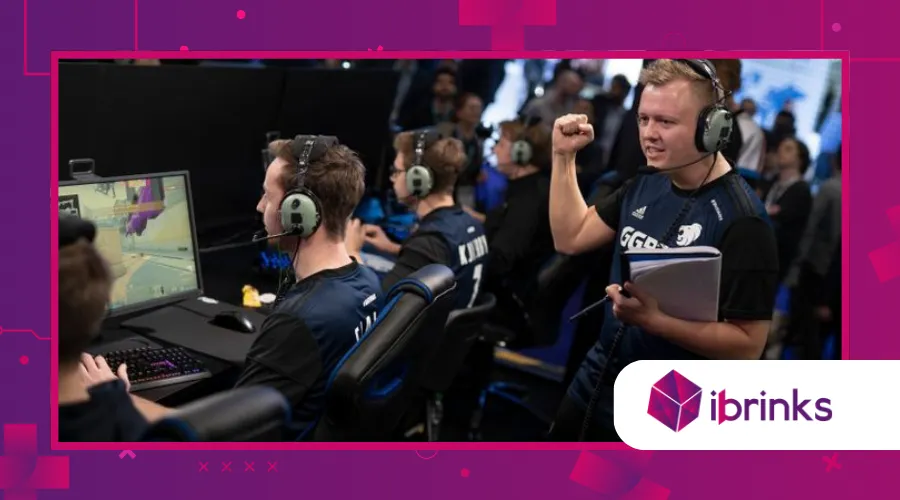
Mental coaching in esports has emerged as a game-changer, transforming how players navigate the high-stakes world of competitive gaming.
As esports skyrockets in popularity, with global audiences surpassing 600 million in 2024 according to Newzoo’s Global Esports Market Report, the pressure to perform consistently at elite levels intensifies.
Gone are the days when raw talent and mechanical skill alone could secure victory.
Today’s top players, from League of Legends prodigies to Valorant sharpshooters, lean on mental coaching to sharpen their focus, manage stress, and outsmart opponents.
But why is this psychological edge so critical in a field often mistaken for “just gaming”?
Anúncios
This article dives into the pivotal role of mental coaching in esports, exploring its impact on performance, team dynamics, and career longevity.
Mental coaching is not just about improving individual performance; it also encompasses the mental health and well-being of players.
As the competitive landscape evolves, understanding the psychological aspects of gaming becomes increasingly important for success.
The Mental Battlefield of Esports
Competitive gaming is a pressure cooker.
Players face split-second decisions, unrelenting scrutiny from fans, and the weight of multimillion-dollar tournaments.
Unlike traditional sports, where physical exertion often takes center stage, esports demands cognitive endurance.
A single lapse in concentration during a 40-minute Dota 2 match can cost a team the game.
Mental coaching in esports equips players to handle this intensity, teaching techniques like mindfulness and cognitive reframing to stay calm under fire.
Consider the example of Alex “Nex” Carter, a fictional Counter-Strike 2 pro.
During a major tournament, Alex struggled with anxiety after missing a crucial shot in the semifinals.
His mental coach introduced visualization exercises, helping him replay successful moments to rebuild confidence.
By the finals, Alex’s focus was razor-sharp, leading his team to victory.
This isn’t just a feel-good story—it’s a testament to how mental coaching in esports can turn potential breakdowns into breakthroughs.
The ability to maintain composure under pressure is a skill that can be developed through practice.
Players who invest in their mental training often find themselves performing better during critical moments.
Building Team Synergy Through Mental Coaching
Esports is rarely a solo endeavor.
Teams like T1 in League of Legends or Team Spirit in Dota 2 rely on seamless coordination, where trust and communication are non-negotiable.
Mental coaching in esports fosters these intangibles, helping players navigate interpersonal conflicts and align their goals.
A coach might use group exercises, like role-playing scenarios, to improve empathy and reduce friction during heated matches.
+ The Evolution of Prize Pools in Competitive Gaming
Take the fictional Overwatch team, Apex Pulse, as an example.
After a string of losses, the team’s synergy faltered due to clashing egos.
Their mental coach implemented “trust circles,” where players shared personal challenges, fostering vulnerability and mutual respect.
Within weeks, Apex Pulse’s in-game communication improved, reflected in their climb from mid-tier to top-five in their league.
This illustrates how mental coaching in esports goes beyond individual performance, knitting teams into cohesive units.

Key Benefits of Mental Coaching for Team Dynamics
| Aspect | Without Mental Coaching | With Mental Coaching |
|---|---|---|
| Communication | Sporadic, reactive | Clear, proactive, empathetic |
| Conflict Resolution | Personal grudges | Structured mediation |
| Team Cohesion | Fragmented, individualistic | Unified, trust-based |
Sustaining Long-Term Success
Esports careers are notoriously short, with burnout lurking around every corner.
The grind of 12-hour practice days, coupled with public scrutiny, can erode even the most talented players.
Mental coaching in esports acts like a pressure valve, helping players manage stress and avoid the dreaded burnout.
Techniques like goal-setting and time management ensure players balance practice, rest, and personal growth.
A 2023 study by the University of Chichester found that 68% of professional esports players reported symptoms of burnout, including fatigue and diminished motivation.
Mental coaching counters this by teaching players to prioritize recovery.
Coaches might introduce journaling to process emotions or progressive muscle relaxation to reduce physical tension from long gaming sessions.
These tools don’t just preserve careers—they extend them.
++ Women Rising: The Unstoppable Ascent in Competitive Gaming Arenas
Think of an esports career like a marathon, not a sprint.
Without pacing, even the fastest runners collapse before the finish line.
Mental coaching provides the roadmap to sustain peak performance over years, not just seasons.
It’s why veterans like Faker, a League of Legends icon, credit mental preparation for their longevity in a cutthroat industry.
The Science Behind the Mindset
The brain is the ultimate gaming peripheral, and mental coaching in esports leverages neuroscience to optimize it.
Techniques like biofeedback help players regulate heart rate and stress responses, enhancing focus during clutch moments.
Cognitive behavioral therapy (CBT) principles are also common, enabling players to challenge negative thought patterns—like “I always choke in finals”—and replace them with constructive ones.
Comparison of Training Types
| Training Type | Focus | Outcome |
|---|---|---|
| Traditional Training | Mechanics, strategy, reflexes | Skill proficiency, tactical knowledge |
| Mental Coaching | Resilience, focus, emotional regulation | Sustained performance, stress management |
This scientific approach isn’t just theory—it’s measurable.
Teams employing mental coaches often report improved win rates and player satisfaction.
For instance, OG’s Dota 2 squad, after integrating mental coaching in 2019, went on to dominate The International, showcasing how psychological preparation translates to tangible results.
Breaking the Stigma
Despite its benefits, mental coaching in esports faces skepticism.
Some players view it as a sign of weakness, equating it to admitting they can’t “handle the game.”
This stigma, rooted in outdated notions of mental toughness, ignores the reality: even the best need support to stay at the top.
Coaches work to normalize these conversations, framing mental training as a strength, not a crutch.

Engaging players early is key.
Academies like those run by Fnatic or G2 Esports now integrate mental coaching into their youth programs, preparing the next generation for the psychological demands of pro play.
By treating mental health as a core component of training, the industry is slowly dismantling the stigma, ensuring players see coaching as essential as practicing aim or map awareness.
For more insights on mental health in esports, you can visit the Esports Healthcare website, which provides resources and articles dedicated to the well-being of gamers.
The Future of Mental Coaching in Esports
As esports evolves, so does the role of mental coaching.
With virtual reality tournaments and AI-driven analytics reshaping the landscape, coaches are adapting, using data to tailor strategies for individual players.
Imagine a future where AI tracks a player’s stress levels in real-time, feeding insights to coaches who adjust tactics on the fly.
This isn’t science fiction—it’s the next frontier.
What’s more, mental coaching in esports is expanding beyond players.
Coaches are now working with streamers and content creators, helping them manage the mental toll of constant audience interaction.
The principles of focus, resilience, and emotional regulation apply universally, making mental coaching a cornerstone of the broader esports ecosystem.
So, what’s holding back the full embrace of mental coaching in esports?
Resistance from traditionalists and budget constraints in smaller organizations are hurdles, but the tide is turning.
As more teams witness the competitive edge it provides, investment in mental coaching will likely become as standard as hiring a strategic coach.
Conclusion: The Mind as the Ultimate Weapon
In the high-octane world of esports, where milliseconds and pixels decide fates, the mind is the ultimate battleground.
Mental coaching in esports isn’t a luxury—it’s a necessity, empowering players to conquer pressure, build stronger teams, and extend their careers.
From Alex Carter’s clutch performance to Apex Pulse’s turnaround, the evidence is clear: those who master their mindset dominate the game.
As the industry grows, embracing mental coaching will separate the good from the great, ensuring players don’t just play—they thrive.
