
Pourquoi les graphismes stylisés vieillissent mieux que le photoréalisme
Annonces
Stylized graphics defined the aesthetic foundation of modern gaming while proving that artistic direction consistently outlasts technical fidelity.
High-end hardware moves forward rapidly every single generation, turning last decade’s state-of-the-art realistic rendering into today’s outdated artifact.
Have you ever wondered why vintage hyper-realistic titles look surprisingly blurry today, while classic cel-shaded adventures still look utterly breathtaking on modern displays?
Modern game development relies heavily on expressive visual identity to survive shifting technology cycles, ensuring timeless player appeal and immediate brand recognition across diverse platforms.
Beyond pure visual endurance, artistic direction shapes how players emotionally connect with digital worlds, turning technical limitations into iconic aesthetic statements that remain vibrant for decades.
Annonces
This deep dive explores the lasting durability of non-photorealistic visual design:
- What Makes Visual Aesthetics Truly Timeless in Video Games?
- Why Does Pursuit of Realism Age Faster Than Art?
- How Does Expressive Artistry Outlast High Polygon Counts?
- What Role Does Color Theory Play in Long-Term Visual Clarity?
- How Do Iconography and Art Direction Drive Technical Longevity?
- Why Do Cel-Shaded Worlds Retain High Rendering Value?
- How Does Art Direction Reduce Performance Overhead Efficiently?
- What Lessons Can Modern Studios Learn From Classic Aesthetics?
- Which Distinctive Visual Approaches Offer the Best Future Preservation?
- Why Does Hand-Crafted Pixel Art Maintain Strong Modern Appeal?
- How Do Low-Poly Designs Thrive Across Cross-Platform Ecosystems?
- What Financial Benefits Do Unique Art Styles Bring Developers?
- Comparative Breakdown: Visual Longevity Across Game Design Eras
- Beyond Pixels: The Future of Art-Driven Game Experiences
- Questions fréquemment posées
What Makes Visual Aesthetics Truly Timeless in Video Games?
Why Does Pursuit of Realism Age Faster Than Art?
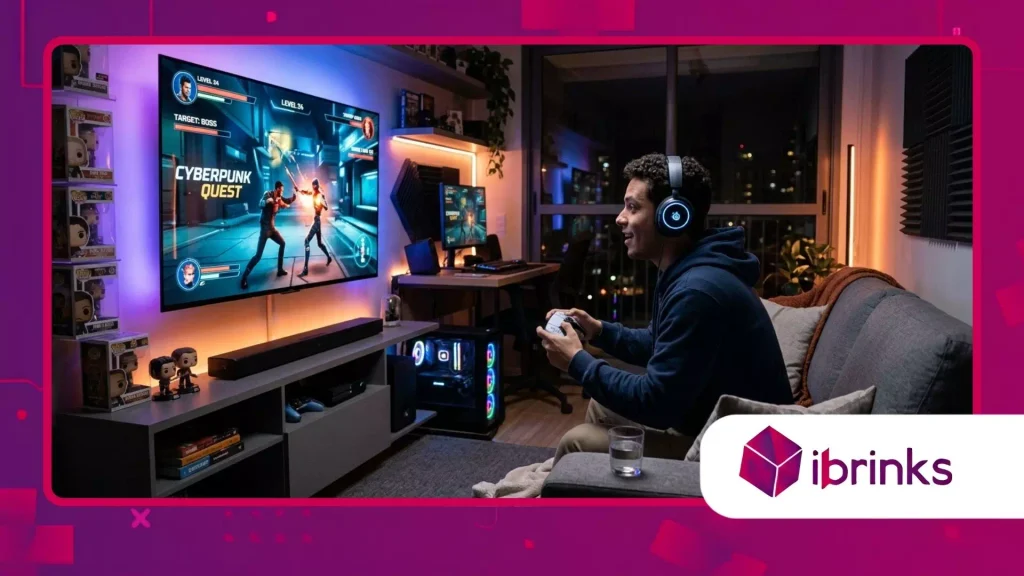
Technological progress constantly redefines photorealism, making hyper-realistic titles instantly vulnerable to hardware shifts.
When studio engineers build games exclusively around cutting-edge ray tracing, skin shaders, and complex polygon budgets, those assets reflect a temporary peak.
Within five years, newer rendering pipelines make those once-groundbreaking character models appear uncanny, stiff, and visibly dated to contemporary audiences.
Conversely, intentional artistic decisions bypass hardware races by establishing coherent internal logic rather than mimicking reality.
A game anchored in bold artistic direction remains visually striking because its value rests on composition, rhythm, and distinct identity.
When game creators prioritize stylized aesthetics, their visual language naturally resists the immediate decay that affects technically dependent graphics over time.
How Does Expressive Artistry Outlast High Polygon Counts?
High polygon density offers diminishing visual returns once hardware generations progress past baseline fidelity thresholds.
Early three-dimensional titles that attempted anatomical perfection now reveal awkward textures, harsh lighting artifacts, and rigid animations that disrupt player immersion completely.
Human perception easily catches minor flaws in realistic representations, creating an uncomfortable visual barrier often referred to as the uncanny valley effect.
Distinct artistic abstraction bypasses this psychological hurdle by inviting the player’s imagination to complete the visual picture comfortably.
Unique artistic choices transform environmental constraints into memorable design features that feel deliberate rather than compromised.
By emphasizing artistic vision over raw graphical horsepower, studios build games that maintain emotional resonance regardless of display resolution upgrades.
++ Pourquoi les licences originales gagnent du terrain face aux séries établies
What Role Does Color Theory Play in Long-Term Visual Clarity?
Color harmony establishes immediate readable contrast, guiding player attention far more effectively than hyper-detailed environmental clutter.
Photorealistic titles frequently suffer from muddy color palettes designed to mimic real-world lighting conditions, which degrades visual clarity on modern high-dynamic-range displays.
When developmental teams utilize intentional stylized graphics, color palettes remain vivid, clear, and visually satisfying across diverse display technologies without losing context.
Saturated hues, deliberate light placement, and distinct silhouette designs create clean screen readability that survives hardware transitions gracefully.
Games built around strong visual contrast allow players to instantly interpret combat scenarios, navigation routes, and interactive objects effortlessly.
This functional clarity ensures that the gameplay experience feels fresh, sharp, and engaging even decades after original platform launch dates.
How Do Iconography and Art Direction Drive Technical Longevity?
Why Do Cel-Shaded Worlds Retain High Rendering Value?
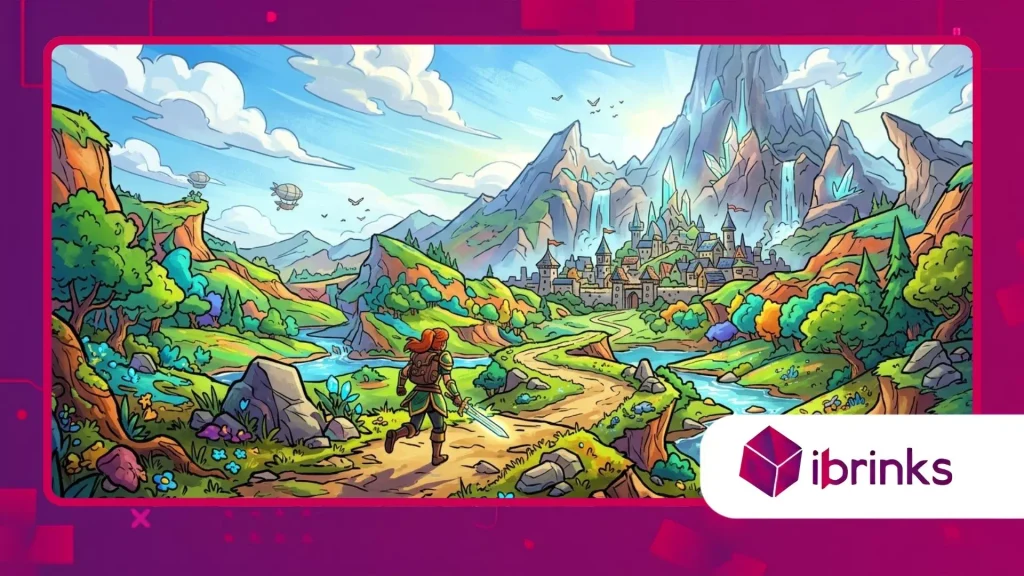
Cel-shading creates defined contours and smooth ink-like shading that scale effortlessly across higher display resolutions.
Titles utilizing outline-based rendering look practically native when rendered in modern 4K resolutions, requiring minimal remastering work from software developers.
Ink lines, flat shading, and hand-painted surface textures maintain crisp boundaries regardless of how many display pixels represent them today.
According to a comprehensive industry study published by the Game Developers Conference (GDC), stylized art direction significantly reduces long-term asset refactoring costs during remastering projects compared to photorealistic titles.
This technical scalability allows classic releases to transition seamlessly into cloud streaming services and handheld gaming consoles without requiring complete graphical overhauls.
Cel-shaded visual design functions like timeless comic illustration, retaining its elegance across changing presentation mediums.
Lire aussi : L'essor des feuilles de route élaborées par la communauté en remplacement des plans de développement fixes
How Does Art Direction Reduce Performance Overhead Efficiently?
Optimized visual design allows games to achieve rock-solid frame rates while demanding far lower hardware resource allocations overall.
Photorealistic games require immense memory bandwidth, complex shadow maps, and constant GPU computational overhead to render realistic light behavior continuously.
By stepping away from photorealistic rendering pipelines, developers can allocate vital system memory toward advanced game mechanics, physics, and fluid artificial intelligence.
This performance efficiency directly benefits players by ensuring stable performance on entry-level hardware and mobile gaming setups.
Lower rendering demands yield reduced thermal throttling, extended battery life on portable consoles, and smoother multiplayer frame rates.
Striking visual identity combined with lightweight technical overhead creates an optimal balance between visual satisfaction and gameplay responsiveness across platforms.
En savoir plus: Comment les jeux modernes trouvent un équilibre entre liberté et accompagnement sans prise par la main
What Lessons Can Modern Studios Learn From Classic Aesthetics?
Classic game libraries prove that memorability stems from strong visual shape language rather than hyper-detailed skin textures.
Timeless franchises remain recognizable through simple silhouette design, iconic character proportions, and thoughtful environmental lighting arrangements.
Modern independent developers frequently leverage these historical design principles to stand out within saturated digital marketplaces dominated by generic, hyper-realistic graphical releases.
Studios that analyze historical visual design understand that technology should serve art, rather than dictate its artistic boundaries completely.
Emphasizing distinct visual branding helps smaller teams compete directly with massive triple-A budgets while delivering unique visual experiences.
By prioritizing timeless aesthetic coherence over raw technical complexity, developers create enduring properties that cultivate passionate player communities long-term.
Which Distinctive Visual Approaches Offer the Best Future Preservation?
Why Does Hand-Crafted Pixel Art Maintain Strong Modern Appeal?
Pixel art represents an intentional artistic medium similar to pointillism or woodblock printing rather than an outdated technical compromise today.
When artists carefully place every pixel, they craft expressive character designs and atmospheric environments that age with remarkable grace.
Modern high-resolution screens enhance crisp pixel layouts, allowing retro-inspired indie titles to look exceptionally clean on contemporary displays.
This enduring visual language resonates strongly across multiple player demographics, bridging nostalgic gaming history with modern design sensibilities seamlessly.
Hand-crafted pixel aesthetics allow developers to evoke deep emotional tone through motion, color contrast, and imaginative sprite work.
Because pixel art operates entirely outside photorealistic expectations, its artistic integrity remains completely unbothered by advancing graphics processing hardware over time.
How Do Low-Poly Designs Thrive Across Cross-Platform Ecosystems?
Low-polygon geometry combined with expressive lighting creates a striking minimalist aesthetic that performs brilliantly across diverse device ecosystems.
Low-poly art styles emphasize strong geometric silhouettes, clean angular facets, and bold color blocking to convey complex environmental atmospheres effortlessly.
This artistic approach allows titles to run fluidly on smartphones, budget laptops, and dedicated high-end gaming rigs without compromising visual charm.
Cross-platform scalability has become essential in an era dominated by seamless cloud saves and multi-device gaming habits worldwide.
Low-poly visual frameworks minimize download file sizes dramatically while maintaining fast loading sequences across modern solid-state drives.
By leaning into geometric simplicity, developers create memorable visual universes that remain lightweight, accessible, and instantly readable for global gaming audiences everywhere.
What Financial Benefits Do Unique Art Styles Bring Developers?
Investing in custom artistic direction yields immense long-term financial stability for game production studios operating in competitive markets.
Photorealistic game development requires massive production budgets dedicated to motion capture, scanning real-world materials, and fine-tuning complex shader pipelines continuously.
Choosing expressive stylized graphics drastically cuts asset generation costs while delivering an instantly recognizable product identity that stands out on digital storefronts.
Furthermore, timeless visual design extends a game’s commercial lifespan through long-tail sales, remasters, and successful ports onto future hardware generations.
Games with distinct visual identity remain appealing to new generations of players without requiring expensive graphical remakes every few years.
This financial efficiency provides independent studios with operational independence, allowing them to fund creative original intellectual properties reliably over time.
Comparative Breakdown: Visual Longevity Across Game Design Eras
| Aesthetic Style | Aging Resistance | Scalability to 4K+ | Performance Efficiency | Key Architectural Example |
| Photoréalisme | Low (Ages quickly) | Moderate (Requires heavy remastering) | Low (Demands high GPU load) | Early generation realistic shooters |
| Cel-Shaded | High (Timeless look) | Excellent (Scales vectors effortlessly) | High (Smooth frame rates) | La Légende de Zelda : The Wind Waker |
| Pixel Art | High (Pure art form) | Excellent (Crisp on modern displays) | Very High (Minimal system footprint) | Celeste / Stardew Valley |
| Low-Poly Minimalist | Very High (Iconic geometry) | High (Clean vector-like shapes) | Very High (Ideal for cross-platform) | Deep Rock Galactic / Superhot |
Beyond Pixels: The Future of Art-Driven Game Experiences
Visual longevity relies on expressive artistic vision rather than chasing temporary hardware peaks that fade with every console cycle.
As hardware capabilities expand, relying purely on photorealistic visual fidelity yields diminishing artistic returns for creative software teams worldwide.
Embrasser stylized graphics enables game creators to build imaginative, performance-friendly worlds that remain vibrant, memorable, and visually enchanting across future gaming generations.
Which classic game style do you think aged best? Share your experience in the comments!
Questions fréquemment posées
Why do photorealistic video games age much faster than stylized titles over time?
Photorealistic games rely strictly on current hardware limits, making their textures, lighting, and character models look outdated as newer tech emerges.
In contrast, stylized titles rely on timeless artistic vision, composition, and color theory, allowing them to retain their aesthetic charm long after release without feeling visually obsolete.
How does choosing a stylized visual direction benefit game development budgets?
Adopting stylized visual design reduces the need for expensive real-world material scanning, motion capture, and computational shader rendering.
This allows development teams to allocate resources toward smooth gameplay mechanics, engaging narrative design, and extensive platform optimization while creating a distinct, market-ready brand identity.
Does cel-shading scale better on modern high-resolution displays than realistic rendering?
Yes, cel-shading uses clean line work, bold outlines, and flat color shading that naturally scales to high resolutions like 4K without losing clarity.
Photorealistic games often reveal low-resolution texture artifacts and lighting imperfections when rendered on modern displays, requiring extensive graphical remasters to look acceptable today.
Can low-poly art styles improve performance across modern cross-platform games?
Low-polygon graphics significantly reduce computational demands on processing units, leading to stable frame rates, smaller file installation sizes, and reduced thermal output.
This lightweight footprint makes low-poly titles exceptionally well-suited for seamless performance across mobile devices, handheld consoles, and desktop computer platforms alike.
Why is pixel art considered a timeless artistic medium rather than an outdated graphical style?
Pixel art has evolved into a deliberate visual medium focused on meticulous layout design, vibrant color harmony, and expressive animation.
Because pixel art does not attempt to mimic real-world visual fidelity, it remains completely unaffected by advancing hardware standards, ensuring its creative appeal lasts across generations of players.
