
Comment les communautés de joueurs rétro préservent l'histoire du jeu vidéo
Annonces
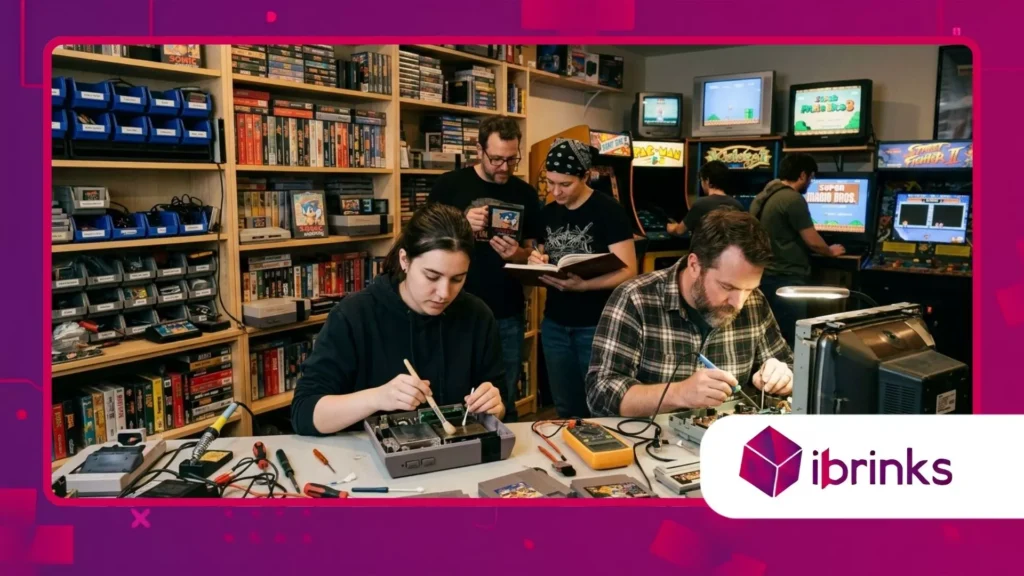
Les communautés de joueurs rétro préservent l'histoire du jeu vidéo à une époque où les grandes maisons d'édition abandonnent régulièrement leurs catalogues classiques pour maximiser leurs profits numériques modernes.
Cette mission de sauvetage culturel citoyenne transforme des supports interactifs vulnérables, réduits à des données obsolètes, en artefacts historiques accessibles de façon permanente pour les générations futures.
À l'aube de 2026, les fragiles supports physiques de la fin du XXe siècle seront confrontés à une menace structurelle agressive : la dégradation chimique naturelle.
Des réseaux d'archivistes spécialisés s'attaquent directement à cet immense vide systémique, en utilisant des outils logiciels personnalisés et des méthodologies matérielles rigoureuses pour sauvegarder notre patrimoine électronique collectif.
Domaines clés de préservation
- Restauration de matérielConception de modifications personnalisées modernes pour maintenir en toute sécurité les consoles de salon vieillissantes bien au-delà de leur durée de vie opérationnelle prévue.
- Archivage de logicielsCréer des copies numériques parfaitement exactes pour contrer la dégradation physique qui détruit les disques de stockage classiques.
- Traduction communautaire: Traduire des titres rétro régionaux dans différentes langues, rendant ainsi accessibles des jeux auparavant injouables à des fans du monde entier.
Pourquoi l'histoire du jeu vidéo est-elle en danger imminent ?
Quelle est la réalité de la dégradation des données et des médias ?
Les disquettes magnétiques et les premiers formats de CD-ROM optiques souffrent d'une dégradation matérielle grave et irréversible, connue dans le milieu technologique sous le nom de « pourriture des bits ».
Annonces
Au fil des décennies, l'exposition à l'humidité ambiante et aux variations de température ambiante provoque la dégradation complète des couches de données sur ces supports de stockage physique.
Cette dégradation structurelle efface définitivement le code source original, rendant toute réplication future du jeu ou émulation officielle absolument impossible pour les équipes d'ingénierie modernes.
Une étude marquante publiée par la Video Game History Foundation a révélé une réalité terrifiante : un nombre stupéfiant de 871 TP3 000 jeux vidéo classiques sortis aux États-Unis restent en danger critique d'extinction ou totalement indisponibles.
Cette perte culturelle dévastatrice signifie que la grande majorité de notre histoire de l'art numérique est actuellement enfermée derrière des murs matériels obsolètes et délabrés.
Sans intervention extérieure immédiate, les étapes créatives fondamentales de notre culture du design interactif disparaîtront à jamais de notre mémoire collective.
Pourquoi les éditeurs commerciaux ne protègent-ils pas les jeux plus anciens ?
Les grandes entreprises du secteur du divertissement considèrent les anciens catalogues de logiciels avec un regard froid et strictement financier, concentrant leurs capitaux uniquement sur les modèles de services en ligne contemporains à forte marge.
Maintenir des infrastructures serveur anciennes ou résoudre des accords de licence complexes et à plusieurs niveaux pour des logiciels vieux de trente ans génère rarement des profits immédiats suffisants pour satisfaire les conseils d'administration traditionnels.
Par conséquent, les titres classiques tombent fréquemment dans un vide juridique, officiellement indisponibles à l'achat mais strictement protégés par des équipes de défense des droits d'auteur très actives.
Cette négligence structurelle rend des milliers de titres historiques brillants totalement injouables pour les publics modernes désireux d'explorer les racines de la conception de jeux.
Lorsqu'un médium créatif tout entier dépend de la bienveillance des entreprises pour sa survie à long terme, il risque de perdre ses chapitres artistiques les plus expérimentaux et les plus novateurs.
Heureusement, des fans passionnés refusent de laisser ces piliers interactifs fondamentaux disparaître dans l'oubli le plus total.
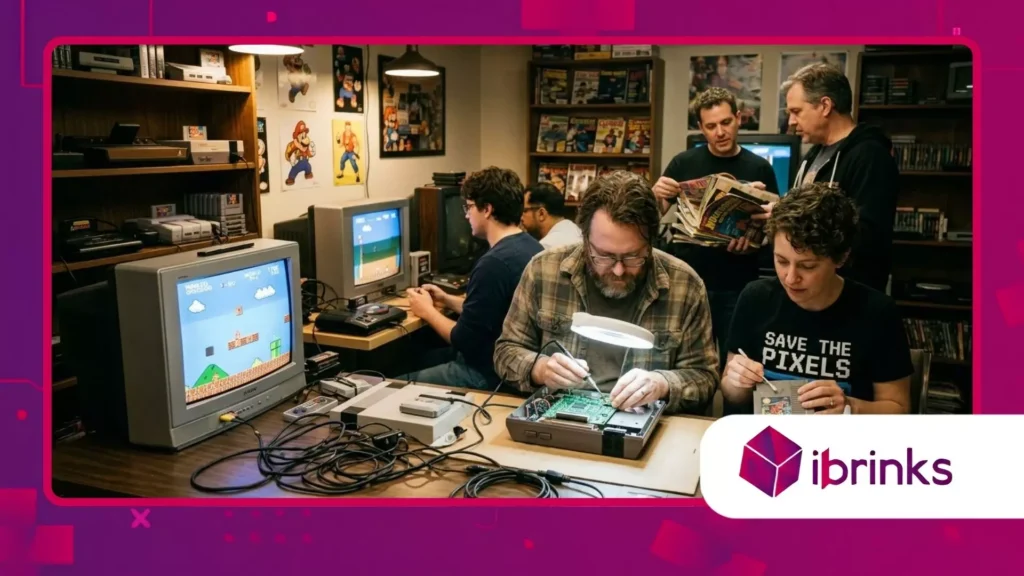
Comment les archivistes sauvent-ils les médias interactifs menacés ?
Quel est le rôle des logiciels d'émulation modernes ?
L'émulation logicielle fonctionne exactement comme une machine à remonter le temps numérique sophistiquée, traduisant avec précision l'architecture des anciens systèmes propriétaires en un code qui fonctionne parfaitement sur les ordinateurs modernes.
De brillants programmeurs indépendants consacrent des milliers d'heures non rémunérées à la rétro-ingénierie de puces personnalisées afin de reproduire les performances de la console originale avec une précision mathématique absolue.
Ce processus complexe garantit que les futurs historiens pourront étudier les mécanismes de jeu originaux exactement tels que les joueurs les ont vécus à la fin des années 1980.
Parce que Les communautés de jeux rétro préservent l'histoire du jeu vidéo Grâce à ces plateformes virtuelles open source, des logiciels rares bénéficient d'un refuge permanent, à l'abri des supports physiques fragiles.
L'émulation permet également aux chercheurs d'ajouter des états de sauvegarde modernes, des filtres d'affichage avancés et un suivi des entrées très précis aux titres anciens fragiles.
Ces améliorations techniques transforment d'anciens logiciels en outils pédagogiques dynamiques et très accessibles pour les universités proposant des formations en conception de jeux vidéo dans le monde entier.
++ Exploration de prototypes rares de jeux d'arcade classiques
Comment la préservation du code source permet-elle de découvrir les secrets du jeu vidéo ?
Lorsque les communautés de joueurs parviennent à récupérer des cartouches prototypes non commercialisées auprès de studios de développement abandonnés, elles s'empressent de diffuser les données brutes sur des réseaux de stockage publics.
L'analyse de ce code de développement brut révèle les étapes créatives et évolutives fascinantes et cachées que les concepteurs ont suivies avant de commercialiser leurs produits finaux sur les marchés de détail mondiaux.
Ces fouilles numériques révèlent des niveaux abandonnés, des mécanismes expérimentaux et des éléments narratifs oubliés qui bouleversent complètement notre compréhension de franchises de jeux vidéo célèbres.
Par exemple, la réapparition soudaine de versions inédites de jeux classiques offre un aperçu unique des limitations matérielles importantes des premières consoles de salon.
Étudier comment les programmeurs pionniers ont réussi à intégrer des effets visuels complexes dans de minuscules puces de stockage enseigne aux ingénieurs modernes de précieuses leçons en matière d'optimisation logicielle.
Ces initiatives de récupération menées par la communauté enrichissent notre compréhension historique de la façon dont nos conventions de conception interactive préférées se sont formées à l'origine.
Lire aussi : Explication de la révolution des jeux d'arcade dans les années 70
Quel est l'impact social des réseaux rétro de base ?
Pourquoi les projets de traduction amateur permettent-ils de combler les fossés culturels ?
Des milliers de jeux rétro à forte composante narrative, sortis exclusivement sur les marchés asiatiques dans les années 1990, sont restés totalement injouables pour les passionnés occidentaux en raison d'importantes barrières linguistiques.
Des équipes dévouées de linguistes et de programmeurs amateurs se réunissent régulièrement sur des forums internet pour extraire manuellement des fichiers texte, traduire des dialogues et réinsérer du code localisé personnalisé.
Ces marathons de traduction exténuants exigent une connaissance culturelle approfondie afin de garantir que l'humour régional et les subtilités de l'intrigue conservent leur impact émotionnel d'origine.
Ce magnifique travail collaboratif, fruit d'une véritable passion, offre un accès mondial à des chefs-d'œuvre oubliés que les éditeurs commerciaux jugeaient trop confidentiels pour une distribution internationale.
En faisant tomber les barrières géographiques, ces communautés de fans favorisent une appréciation internationale et profondément connectée de l'histoire mondiale partagée du développement du jeu vidéo.
Cela prouve que le langage universel du divertissement interactif peut unir des communautés passionnées par-delà les océans et les profondes divisions culturelles.
En savoir plus: Analyse de l'essor des remasters rétro : marketing et nostalgie
Comment les ROM hacks redonnent-ils vie aux logiciels classiques ?
Les amateurs novateurs utilisent fréquemment des logiciels d'édition personnalisés pour modifier les fichiers de jeu originaux, générant ainsi des niveaux entièrement nouveaux, équilibrant les mécanismes et apportant des ajustements modernes pour une meilleure qualité de vie.
Ces modifications créatives, communément appelées ROM hacks, transforment efficacement des logiciels statiques vieux de trente ans en projets communautaires vivants et évolutifs qui attirent de nouveaux publics dynamiques.
Les joueurs peuvent découvrir des mondes familiers et nostalgiques entièrement réinventés grâce au regard créatif de concepteurs de niveaux et d'experts en équilibrage modernes.
Cette pratique créative brillante considère les jeux classiques comme une partition musicale vivante, ouverte à une infinité d'interprétations, de remixages et de célébrations communautaires au fil du temps.
Cela démontre que Les communautés de jeux rétro préservent l'histoire du jeu vidéo non pas en enfermant les logiciels dans les archives froides des musées, mais en les faisant utiliser régulièrement.
Ces remixes interactifs garantissent que les titres plus anciens restent très pertinents, attrayants et stimulants, tant pour les joueurs chevronnés que pour les jeunes nouveaux venus curieux.
Analyse technique des approches de préservation numérique
Le tableau d'information ci-dessous compare systématiquement les principales stratégies utilisées par les réseaux de préservation indépendants pour protéger les actifs numériques vieillissants.
| Méthodologie de conservation | Outil technique principal | Avantage historique clé | Limite pratique critique |
| Émulation logicielle | Noyaux logiciels libres | Exécute facilement le code existant sur les systèmes d'exploitation modernes. | Nécessite une puissance de traitement importante pour une précision matérielle absolue |
| Clonage matériel FPGA | Réseaux de portes programmables sur site | Réplique la logique du système d'origine au niveau matériel sans latence | Coût élevé des cartes de développement spécialisées pour le consommateur moyen de produits rétro |
| Simulation de lecteur optique | Émulateurs de disques SSD | Remplace les blocs laser défectueux tout en utilisant les consoles d'origine vendues au détail. | Nécessite une modification physique permanente des circuits imprimés anciens et fragiles |
| Localisation des fans | Éditeurs hexadécimaux et scripts de texte personnalisés | Permet à un public mondial et multilingue de découvrir des chefs-d'œuvre régionaux jusqu'alors inaccessibles. | Exige un travail non rémunéré immense et des difficultés complexes en matière de navigation sur les droits d'auteur. |
| Extraction de données | Éjecteurs de cartouches haute résolution | Crée des sauvegardes numériques impeccables de puces ROM physiques menacées. | Vulnérable aux fermetures de sites web par des entités juridiques d'entreprises |
Préserver l'héritage des médias interactifs
Préserver notre histoire interactive exige de reconnaître que Les communautés de jeux rétro préservent l'histoire du jeu vidéo grâce à une passion et une ingéniosité technique inégalées.
Ces collectifs d'archivistes indépendants parviennent à devancer l'inéluctable dégradation matérielle, garantissant ainsi la survie de nos monuments culturels numériques bien après que les supports physiques se soient désintégrés.
Leur travail inlassable transforme les jeux vidéo, de simples jouets commerciaux jetables, en œuvres d'art historiques respectées, dignes d'être étudiées tout au long de sa vie.
Soutenir les plateformes d'archivage open source, faire don de matériel informatique ancien aux musées et célébrer les efforts de traduction menés par les fans contribuent à préserver ce riche patrimoine artistique pour les siècles à venir.
La responsabilité de maintenir en vie ces mondes virtuels classiques incombe en fin de compte aux joueurs qui comprennent véritablement leur immense valeur culturelle.
Protégeons ces terrains de jeu numériques afin que les générations futures puissent connaître la joie pure, l'innovation et le talent artistique des premiers jeux vidéo.
Avez-vous déjà joué à un classique traduit par des fans ou utilisé un émulateur pour redécouvrir un jeu de votre enfance ? Partagez votre expérience dans les commentaires et rejoignez le débat sur la préservation des jeux !
Questions fréquemment posées
Le téléchargement d'émulateurs et de fichiers de jeux classiques est-il légal à des fins de préservation historique ?
Les émulateurs sont des logiciels libres parfaitement légaux, mais le téléchargement de fichiers de jeux protégés par le droit d'auteur reste une zone grise juridique complexe qui varie considérablement d'un pays à l'autre.
Quelle est la différence entre l'émulation logicielle et le clonage matériel FPGA ?
L'émulation logicielle imite une console à l'aide de code informatique, tandis que les puces FPGA réorganisent leurs circuits physiques pour se comporter exactement comme le matériel vintage d'origine.
Comment puis-je protéger efficacement ma collection personnelle de vieux jeux physiques contre la pourriture ?
Conservez vos cartouches et disques optiques anciens dans un endroit frais, sec et sombre, à l'abri de la lumière directe du soleil et des variations importantes de température.
Pourquoi les communautés de joueurs rétro préservent-elles l'histoire du jeu vidéo plutôt que les bibliothèques universitaires ?
Les établissements d'enseignement supérieur publics manquent souvent des outils techniques spécialisés, de l'expertise en génie logiciel et du financement flexible nécessaires à la maintenance de systèmes multimédias interactifs très complexes.
Les traductions de fans peuvent-elles un jour être considérées comme faisant partie du canon historique officiel ?
Bien qu'il s'agisse de produits strictement réalisés par la communauté, les traductions de fans sont très appréciées des historiens car elles représentent la seule version accessible des logiciels régionaux pour l'étude.
