
« L'histoire des prototypes perdus de l'Atari 2600 »
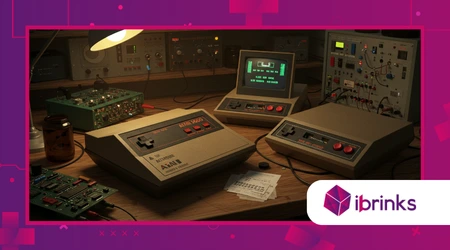
Atari 2600 prototypes spark fascination among retro gaming enthusiasts, whispering tales of what could have been in the dawn of home consoles.
Annonces
These elusive artifacts, often incomplete or abandoned, embody the raw creativity and ambition of Atari’s early engineers.
They’re not just relics; they’re windows into a time when gaming was a bold experiment. This article dives into the captivating history of these lost prototypes, exploring their origins, significance, and the enduring allure they hold in 2025’s nostalgia-driven gaming culture.
Why do these unfinished creations still captivate us? Let’s unravel their story.
The Atari 2600, launched in 1977 as the Video Computer System (VCS), revolutionized gaming with swappable ROM cartridges. It wasn’t just a console; it was a cultural phenomenon.
Yet, behind its iconic success lies a graveyard of unrealized ideas Atari 2600 prototypes that never saw store shelves. From experimental hardware to unfinished games, these prototypes reveal the risks and dreams of a fledgling industry.
This journey through their stories blends technical insight, historical context, and the emotional pull of nostalgia, offering a fresh perspective on retro gaming’s hidden chapters.
The Dawn of the Atari 2600: A Breeding Ground for Innovation
The Atari 2600 emerged in an era of audacious experimentation. Engineers like Joe Decuir and Jay Miner, working under the codename “Stella,” crafted a console that pushed the limits of 1970s technology.
With a MOS Technology 6507 processor and the TIA chip for graphics and sound, the 2600 was a marvel of constraints.
Developers squeezed magic from 2 KB cartridges, creating classics like Aventure et Envahisseurs de l'espace. But not every idea made it to market.
Prototypes were the lifeblood of Atari’s creative process. Hardware experiments, like the Atari 2600 prototypes for the CX2000 and CX2700, aimed to redefine the console experience.
The CX2000, a cost-reduced “Val” model, featured built-in joysticks but flopped in consumer tests due to poor design.
++ Restaurer des bornes d'arcade vintage à petit prix
The CX2700, a wireless VCS, was scrapped when its controllers interfered with other units within a 1,000-foot radius. These failures highlight the trial-and-error spirit of the era.
Beyond hardware, game prototypes flourished. Developers sketched bold concepts, from sequels to hits like Keystone Kapers to entirely new genres.
Yet, tight deadlines and market pressures often left these ideas unfinished. The chaos of Atari’s rapid growth meant many Atari 2600 prototypes were lost to time, buried in archives or destroyed.
Their rediscovery today fuels a vibrant collector’s market and a hunger for gaming’s untold stories.

Why Prototypes Were Left Behind
Atari’s ambition outpaced its resources. The company’s meteoric rise in the late 1970s brought intense pressure to churn out hits. Prototypes often fell victim to shifting priorities.
For instance, the Atari 2600 prototypes for “The Graduate Computer,” a VCS keyboard add-on, promised to turn the console into a budget PC. Developed by Peripheral Visions, Inc., it was abandoned as Atari pivoted to the 5200.
Market dynamics played a brutal role. The 1983 video game crash flooded shelves with low-quality titles, forcing Atari to prioritize proven sellers over risky experiments.
Unreleased games like S.A.C. Alert vanished, with only ROMs surviving in private collections. Technical limitations also stifled innovation; the 2600’s hardware struggled with complex designs, dooming some prototypes.
Lire aussi : La guerre Sega Genesis contre SNES : laquelle gagne encore les cœurs ?
Corporate upheaval sealed many fates. When Warner Communications sold Atari in 1984, projects were shelved en masse. Prototypes, often stored haphazardly, were lost or discarded.
Today, collectors and historians piece together fragments, like detectives solving a decades-old mystery. Each rediscovered Atari 2600 prototype is a testament to the industry’s chaotic infancy.
The Allure of Lost Prototypes in 2025
In 2025, retro gaming thrives on nostalgia, and Atari 2600 prototypes are holy grails for collectors. The Atari 2600+ console, released in 2023, reignited interest by playing original cartridges, including rare prototypes.
A 2022 Internet Archive collection notes over 500 curated 2600 ROMs, including prototypes like S.A.C. Alert, highlighting their cultural value. These artifacts aren’t just code; they’re time capsules.
Collectors chase prototypes for their rarity and stories. A prototype of Keystone Kapers II, featuring a train-chasing cop, surfaced in a 2025 auction, fetching $12,000.
En savoir plus: Top 10 des RPG SNES que les joueurs modernes devraient revisiter
Its unique mechanics, like rotating train wheels, showcase developers’ ingenuity. Fans on platforms like X speculate about “what-ifs,” imagining how these games could have shaped gaming history.
The emotional pull is undeniable. Prototypes evoke a sense of discovery, like finding a lost vinyl record from a favorite band.
They remind us of gaming’s scrappy roots, when developers took wild swings. In 2025, with AAA games dominating, these relics offer a refreshing glimpse into a less polished, more daring era.
Rediscovering and Preserving the Lost
Efforts to preserve Atari 2600 prototypes have gained momentum. Communities like AtariAge and the Video Game History Foundation digitize ROMs and document hardware.
A 2025 Atari Compendium update detailed prototypes like the CX2500, a budget VCS variant. These projects ensure history isn’t lost to decaying media or forgotten storage units.
Museums and exhibitions play a role too. The Strong National Museum of Play in Rochester, New York, showcased Atari prototypes in a 2024 exhibit, drawing thousands.
Fans can now play emulated prototypes online, thanks to sites like RetroGames.cz. These efforts bridge past and present, letting new generations experience gaming’s early experiments.
Preservation faces challenges, though. Many prototypes exist only as single cartridges or incomplete code. Legal battles, like Atari Interactive’s 2025 removal of 2600 games from free80sarcade.com, complicate access.
Still, the community’s passion drives progress, ensuring these artifacts endure as more than just collector’s items but as vital pieces of gaming heritage.
The Cultural Impact of Prototypes
Lost prototypes aren’t just collectibles; they’re cultural touchstones. The Atari 50 interactive documentary, released in 2022, explored unreleased games, framing them as art.
This perspective resonates in 2025, as gamers view prototypes as creative experiments, not failures. They reveal the human side of development ambition, risk, and sometimes heartbreak.
Considérer The Graduate Computer. Its vision of a $29.95 VCS computer could have democratized computing. Though it failed, it foreshadowed later educational consoles.
Prototypes like these show Atari’s willingness to push boundaries, influencing modern indie developers who embrace experimental design.
The nostalgia factor is potent. For Gen X and Millennials, prototypes evoke childhood memories of blocky sprites and chiptune sounds.
In 2025, with retro gaming surging Atari sold 100,000 2600+ units last year these artifacts connect fans to a simpler, more imaginative era, fueling a vibrant subculture of collectors and creators.
Prototypes as a Mirror of Modern Gaming

Reflecting on Atari 2600 prototypes reveals parallels with today’s gaming industry. Modern indie studios, like those behind Hollow Knight, echo Atari’s risk-taking spirit.
Yet, where prototypes once died due to market crashes, today’s crowdfunding platforms like Kickstarter let niche ideas thrive. The contrast highlights how far gaming has come.
Prototypes also expose the fragility of digital history. Like a half-written novel found in an attic, these unfinished games remind us to preserve creativity.
Modern developers face similar risks cancelled projects, lost code but digital archives offer hope. The 2600’s story urges us to safeguard today’s innovations.
The passion for prototypes reflects a broader cultural trend: valuing authenticity. In an era of polished blockbusters, the raw, unfiltered nature of Atari’s lost works feels rebellious.
They’re a reminder that gaming’s heart lies in bold ideas, not just commercial success, inspiring creators and players alike.
A Table of Notable Atari 2600 Prototypes
| Prototype Name | Taper | Description | Status |
|---|---|---|---|
| CX2000 (Val) | Matériel | Budget VCS with built-in joysticks | Scrapped after testing |
| CX2700 | Matériel | Wireless VCS with integrated controllers | Cancelled due to interference |
| S.A.C. Alert | Jeu | Unreleased action game, ROM in private hands | Preserved digitally |
| Keystone Kapers II | Jeu | Train-based sequel to the 1983 hit | Prototype sold in 2025 |
| The Graduate Computer | Peripheral | VCS keyboard for computing, by Peripheral Visions | Abandoned in 1983 |
Conclusion: The Enduring Legacy of Atari’s Lost Prototypes
The saga of lost Atari 2600 prototypes is more than a footnote in gaming history; it’s a vibrant narrative of creativity and resilience.
These unfinished works, from the CX2000’s clunky joysticks to Keystone Kapers II’s innovative train chase, capture the audacity of Atari’s golden age. They remind us that failure is often the shadow of ambition, and in that shadow lies inspiration.
In 2025, as retro gaming surges, these prototypes are more than collectibles they’re a call to embrace bold ideas.
Preservation efforts ensure their stories endure, connecting past pioneers with today’s creators. Like an old photo album, they evoke nostalgia while challenging us to keep dreaming.
What lost treasures will future generations uncover in our digital age?
Questions fréquemment posées
What makes Atari 2600 prototypes so valuable to collectors?
Their rarity, historical significance, and unique insights into Atari’s creative process drive demand, with some fetching thousands at auctions.
How are Atari 2600 prototypes preserved today?
Communities like AtariAge digitize ROMs, while museums and sites like RetroGames.cz offer access, though legal hurdles persist.
Can I play Atari 2600 prototypes in 2025?
Yes, emulators and the Atari 2600+ console allow access to some prototypes, though availability depends on preservation efforts.
Why were so many Atari prototypes abandoned?
Market pressures, technical limitations, and corporate changes, like the 1983 crash and 1984 sale, led to many projects being shelved.
