
Construire des puissances locales : les ligues régionales alimentent les stars des championnats mondiaux de jeux vidéo
Annonces
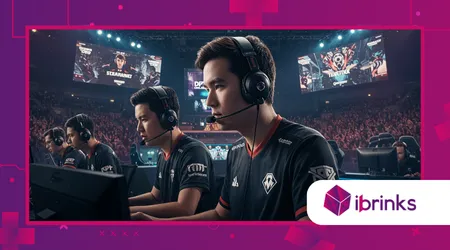
ligues régionales sont le cœur battant de l'esport, transformant les talents locaux en stars des championnats mondiaux de jeux vidéo.
Ces écosystèmes compétitifs développent les compétences, favorisent le développement communautaire et ouvrent la voie à la réussite internationale.
En 2025, le paysage de l'e-sport prospère grâce à la synergie entre la passion locale et l'ambition mondiale.
Des circuits de Mobile Legends en Asie du Sud-Est aux affrontements de League of Legends en Europe, ligues régionales Ce sont bien plus que de simples tournois, ce sont de véritables incubateurs culturels.
Cet article explore comment ces acteurs locaux influents façonnent l'avenir du jeu compétitif, en mettant en lumière des exemples et des données concrets pour révéler leur impact.
Annonces
L'eSport est passé de simples LAN parties de niche à un phénomène mondial, avec ligues régionales faisant office de tremplins essentiels.
Il ne s'agit pas seulement de couronner des champions locaux ; il s'agit de bâtir des carrières durables et d'obtenir une reconnaissance mondiale.
En examinant leur rôle, nous découvrirons comment ces ligues permettent aux talents locaux d'accéder à la scène internationale, en nous posant les questions suivantes : Qu’est-ce qui fait d’une ligue régionale le tremplin idéal pour devenir une star de l’e-sport ?
La fondation des ligues régionales : de la base à la gloire
C'est dans les tournois locaux que les rêves prennent racine. ligues régionales comme la Pacific Championship Series (PCS) qui offre aux joueurs une plateforme pour briller.
En 2025, ces ligues sont structurées de manière à concilier accessibilité et compétition. Elles offrent aux joueurs amateurs la possibilité d'affronter des professionnels chevronnés, favorisant ainsi leur progression.
Par exemple, le PCS intègre des équipes de Taïwan, de Hong Kong et d'Asie du Sud-Est, créant ainsi un véritable creuset de talents.
Prenons l'exemple de « Karsa », un joueur taïwanais de League of Legends. Il a débuté sur le PCS, perfectionnant ses compétences face à des rivaux régionaux.
++ Comment le métavers transforme l'expérience des championnats de jeu vidéo
Ses performances sur les circuits locaux lui ont permis de se faire une place sur la scène internationale, notamment lors du Mid-Season Invitational (MSI). Ce parcours n'est pas exceptionnel. ligues régionales sont conçus pour repérer et mettre en valeur des joyaux cachés.
Ils proposent des formats structurés, allant des qualifications en poules aux éliminatoires à enjeux élevés, garantissant ainsi que les joueurs soient confrontés à des défis variés.
L'impact est mesurable. Selon Esports Charts, la saison 2024 du PCS a attiré plus de 1,2 million de spectateurs en pic d'audience, témoignant de son influence croissante. ligues régionales Ce ne sont pas seulement des phénomènes locaux, ce sont de véritables aimants à attention à l'échelle mondiale, attirant aussi bien les recruteurs que les fans.
Leur accessibilité permet aux joueurs issus de marchés plus petits de participer à des compétitions sans avoir à déménager, démocratisant ainsi l'esport.
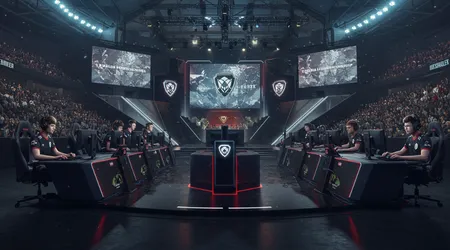
Catalyseurs culturels : comment les ligues régionales façonnent l'identité
Le jeu vidéo n'est pas qu'une question de mécanique ; c'est une culture. ligues régionales Intégrer la fierté locale au cœur même de l'esport, pour créer des identités uniques.
Au Brésil, par exemple, la CBLOL mêle des retransmissions rythmées par la samba à des matchs acharnés de League of Legends.
Les supporters se rassemblent derrière des équipes comme LOUD, dont la domination régionale reflète l'esprit dynamique du Brésil. Cette résonance culturelle fidélise les supporters et renforce leur engagement.
Prenons l'exemple d'un chef local qui perfectionne un plat avant de le présenter à un festival gastronomique international. ligues régionales Ce sont les cuisines où les joueurs perfectionnent leur art, imprégnées de saveurs locales.
Au Japon, la Ligue japonaise de League of Legends (LJL) intègre une esthétique inspirée des animés, transformant les matchs en une véritable fête culturelle. Ce lien renforce la fierté de la communauté et encourage les jeunes joueurs à avoir de grandes ambitions.
Lire aussi : Au cœur du premier championnat mondial de jeux vidéo respectueux de l'environnement
Ces ligues s'adaptent également aux goûts régionaux. Les compétitions d'e-sport sur mobile, comme Honor of Kings en Chine, dominent l'Asie grâce à l'accessibilité des jeux mobiles.
En 2025, le Honor of Kings Brazil Championship (CHOKBR) reflète la culture brésilienne du jeu mobile, attirant des milliers de joueurs aux qualifications locales. Cette convergence culturelle garantit ligues régionales résonner profondément, stimulant la participation.
Moteurs économiques : Financer l'avenir de l'e-sport
L'argent parle, et ligues régionales Ce sont des moteurs économiques. Elles attirent des sponsors comme Qualcomm et Red Bull, qui reconnaissent la valeur des marchés locaux.
En 2025, les qualifications régionales du PUBG Mobile Global Championship en Asie du Sud-Est ont généré 143 millions de dollars de prix, selon Liquipedia. Ce soutien financier contribue à améliorer la qualité de la production et les revenus des joueurs, faisant de l'e-sport une véritable carrière.
Le parrainage ne se résume pas à de l'argent, il concerne aussi l'infrastructure. ligues régionales financer les infrastructures d'entraînement, le personnel d'encadrement et les équipes de diffusion.
Par exemple, la Kings League (MKL) de Malaisie, qui opère sous le nom d'Honor of Kings, collabore avec des entreprises technologiques locales pour diffuser des matchs de haute qualité. Cet investissement crée des emplois et professionnalise le secteur, ce qui profite aux joueurs et aux communautés.
En savoir plus: L'avenir des championnats de jeux vidéo : combiner la réalité augmentée, la réalité virtuelle et la réalité virtuelle
Les retombées sont considérables. Les économies locales prospèrent grâce à la fréquentation des événements en direct par les fans, ce qui stimule le tourisme.
La Coupe du monde d'e-sport 2025 de Riyad, avec sa cagnotte de $70 millions de yuans, illustre comment les pôles régionaux peuvent attirer l'attention mondiale. ligues régionales jeter les bases, en veillant à ce que les joueurs disposent des ressources nécessaires pour concourir au plus haut niveau.
| Ligue régionale | Jeu | Cagnotte (2025) | Pic de fréquentation (2024) |
|---|---|---|---|
| PCS (Pacifique) | Ligue des Légendes | $200,000 | 1,2 M |
| CBLOL (Brésil) | Ligue des Légendes | $150,000 | 800K |
| MKL (Malaisie) | Honneur des rois | $500,000 | 600K |
| LJL (Japon) | Ligue des Légendes | $100,000 | 400K |
Accéder à la scène mondiale : les voies vers la célébrité
ligues régionales Ce sont des tremplins vers la gloire mondiale. Leur structure leur permet de participer à des tournois internationaux comme le Championnat du monde de League of Legends.
En 2025, le LCP (League of Legends Championship Pacific) offrira trois places qualificatives pour les Championnats du monde, selon GosuGamers. Ce parcours clairement défini incite les joueurs à exceller d'abord au niveau local.
Prenons l'exemple de « Paraboy » de PUBG Mobile. Son parcours a débuté dans les circuits régionaux chinois, où il a maîtrisé les stratégies d'escouade.
Sa domination dans les ligues locales lui a permis de remporter des titres mondiaux au Championnat mondial de PUBG Mobile.
ligues régionales assurer une progression structurée, des qualifications à la grande finale, préparant les joueurs aux compétitions internationales de haut niveau.
Les recruteurs s'appuient sur ces ligues pour repérer les talents. Des équipes comme Fnatic et Team Liquid suivent les performances régionales et signent les joueurs les plus prometteurs.
La LCK en Corée du Sud, par exemple, est une véritable pépinière de talents, produisant des stars comme Faker. ligues régionales S'assurer que les joueurs ne se contentent pas de participer, ils sont aussi vus.
Défis et opportunités : la voie à suivre
La croissance engendre des défis. ligues régionales Ils sont confrontés à des problèmes tels que l'épuisement professionnel des joueurs et un financement irrégulier. Sur les marchés plus petits, le manque d'intérêt des sponsors peut freiner le développement.
Pourtant, les opportunités sont nombreuses. L'essor de l'e-sport mobile, comme le circuit 2025 de Valorant Mobile, ouvre de nouvelles perspectives de participation, notamment dans les régions où la pénétration des smartphones est élevée.
L'innovation est essentielle. Des ligues comme la LCP mettent en place des systèmes de promotion et de relégation, selon GosuGamers, afin de stimuler la concurrence.
Cela dynamise la scène compétitive, permettant aux nouvelles équipes de défier les vétérans. De plus, le commentaire communautaire, comme on l'a vu avec Rift Legends en Pologne, augmente l'audience en mobilisant les streamers locaux, selon Esports Charts.
L'avenir réside dans l'inclusion. Des initiatives comme le tournoi féminin Mobile Legends Invitational de la Coupe du monde d'e-sport 2025 donnent du pouvoir aux groupes sous-représentés.
En relevant ces défis, ligues régionales peuvent maintenir leur rôle de pôles de talents, garantissant un écosystème esports diversifié et dynamique.
L'impact mondial : redéfinir l'héritage de l'e-sport
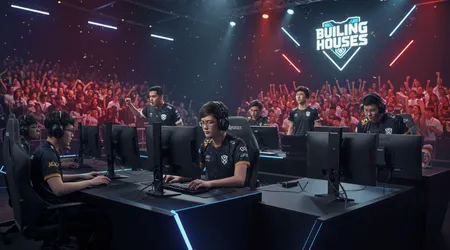
ligues régionales Ils ne se contentent pas de former des joueurs, ils redéfinissent l'esport. Ils créent des récits qui trouvent un écho mondial, comme le parcours de T1, de la LCK au titre de champions de l'EWC.
Ces histoires inspirent les fans et les joueurs, confirmant le statut de l'e-sport comme force culturelle. En 2025, le Championnat du monde de League of Legends en Chine devrait attirer jusqu'à 6,94 millions de spectateurs, selon Esports Charts, notamment grâce aux rivalités régionales.
Les ligues locales sont également un moteur d'innovation. Des formats comme le système en trois phases de la LCP, avec le coup d'envoi de la saison et les finales, contribuent à dynamiser la compétition.
Ils expérimentent des événements hybrides, à la fois en ligne et en présentiel, en s'adaptant aux tendances mondiales. Cette flexibilité garantit ligues régionales demeurer pertinent et façonner l'avenir de l'esport.
Enfin, ils créent une communauté. Les fans au Brésil ou au Japon se sentent liés à des stars internationales qui ont débuté localement.
Ce sentiment d'appartenance alimente l'engagement, rendant ligues régionales L'épine dorsale de l'héritage mondial de l'e-sport. Ce ne sont pas seulement des compétitions, ce sont l'âme du jeu vidéo.
Conclusion : Le cœur de l'eSport
ligues régionales Ils sont le moteur de l'esport, transformant les talents locaux en icônes mondiales. Ils mêlent culture, compétition et opportunités, créant un écosystème dynamique.
De l'ascension de Karsa dans la PCS à la domination mondiale de Paraboy, ces ligues prouvent que la grandeur commence chez soi.
Avec l'essor de l'e-sport en 2025, son rôle de pépinière de talents et de centre culturel ne fera que s'amplifier. L'e-sport ne se contente pas de former des joueurs, il façonne l'avenir du jeu vidéo.
Alors, quel est le prochain défi pour ces héros locaux prêts à conquérir le monde ?
Questions fréquemment posées
Que sont les ligues régionales dans l'e-sport ?
ligues régionales Ce sont des tournois locaux ou régionaux qui permettent de développer les talents, en offrant une compétition structurée et des voies d'accès à des événements mondiaux comme les Championnats du monde ou l'EWC.
Comment les ligues régionales aident-elles les joueurs à accéder aux championnats mondiaux ?
Elles offrent des plateformes compétitives, une visibilité auprès des recruteurs et des places qualificatives, comme les trois places de la LCP pour les Championnats du monde, permettant aux joueurs de briller à l'international.
Pourquoi les ligues régionales sont-elles importantes pour les supporters ?
Ils favorisent la fierté locale, créent des liens culturels et construisent des récits autour des stars locales, stimulant ainsi l'engagement et l'investissement communautaire dans l'esport.
Quels jeux auront des ligues régionales solides en 2025 ?
League of Legends (LCK, LCP, CBLOL), PUBG Mobile, Honor of Kings et Mobile Legends sont en tête grâce à des circuits régionaux robustes qui stimulent la compétition mondiale.
Comment les nouveaux joueurs peuvent-ils intégrer les ligues régionales ?
Les amateurs peuvent participer via des qualifications ouvertes ou des événements de base, souvent organisés par des ligues comme la PCS ou la MKL, et progresser grâce à leurs performances.
