
Fatal Fury: City of the Wolves – The Revival of SNK in Fighting Games
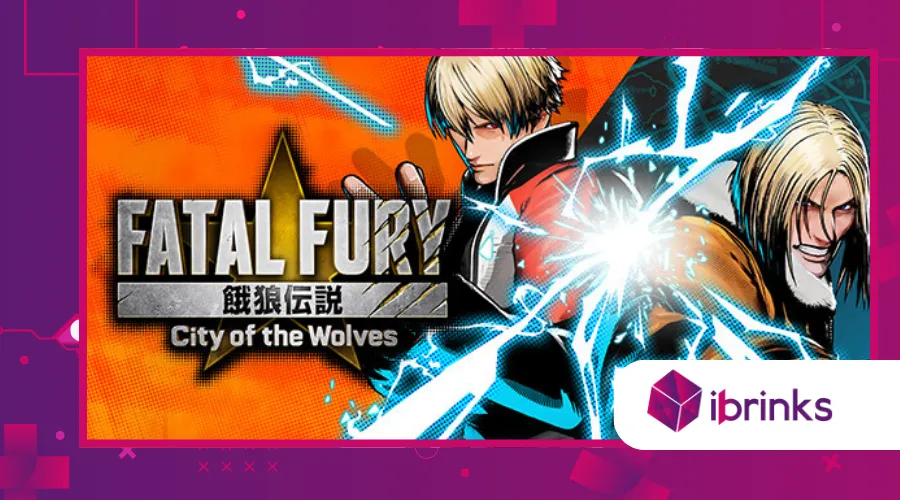
The return of Fatal Fury: City of the Wolves marks a seismic moment for SNK, a company that once ruled arcades with its electrifying 2D fighters.
Anúncios
After a 26-year hiatus, this sequel to Garou: Mark of the Wolves doesn’t just resurrect a beloved franchise—it signals SNK’s bold ambition to reclaim its throne in the modern fighting game renaissance.
With a comic book-inspired art style, innovative mechanics, and a roster blending nostalgia with fresh faces, SNK is crafting a love letter to its legacy while eyeing a new generation of players.
But can this revival truly compete in a genre dominated by giants like Street Fighter and Tekken?
Let’s dive into why Fatal Fury: City of the Wolves is more than a comeback—it’s a statement.
The anticipation surrounding this release highlights the enduring legacy of fighting games and the impact they have on gaming culture.
A Legacy Reborn with Modern Flair
SNK’s history reads like a saga of triumphs and tribulations.
In the ‘90s, the company was a titan, with Fatal Fury, The King of Fighters, and Samurai Shodown defining the arcade era alongside Capcom’s Street Fighter.
Yet, financial struggles and a shift in focus left Fatal Fury dormant since 1999.
Now, Fatal Fury: City of the Wolves emerges as a direct sequel to Garou, continuing the story of Rock Howard and Terry Bogard in South Town.
Unlike a mere remaster, this game reimagines the franchise for 2025, blending SNK’s signature anime-infused aesthetic with cutting-edge visuals.
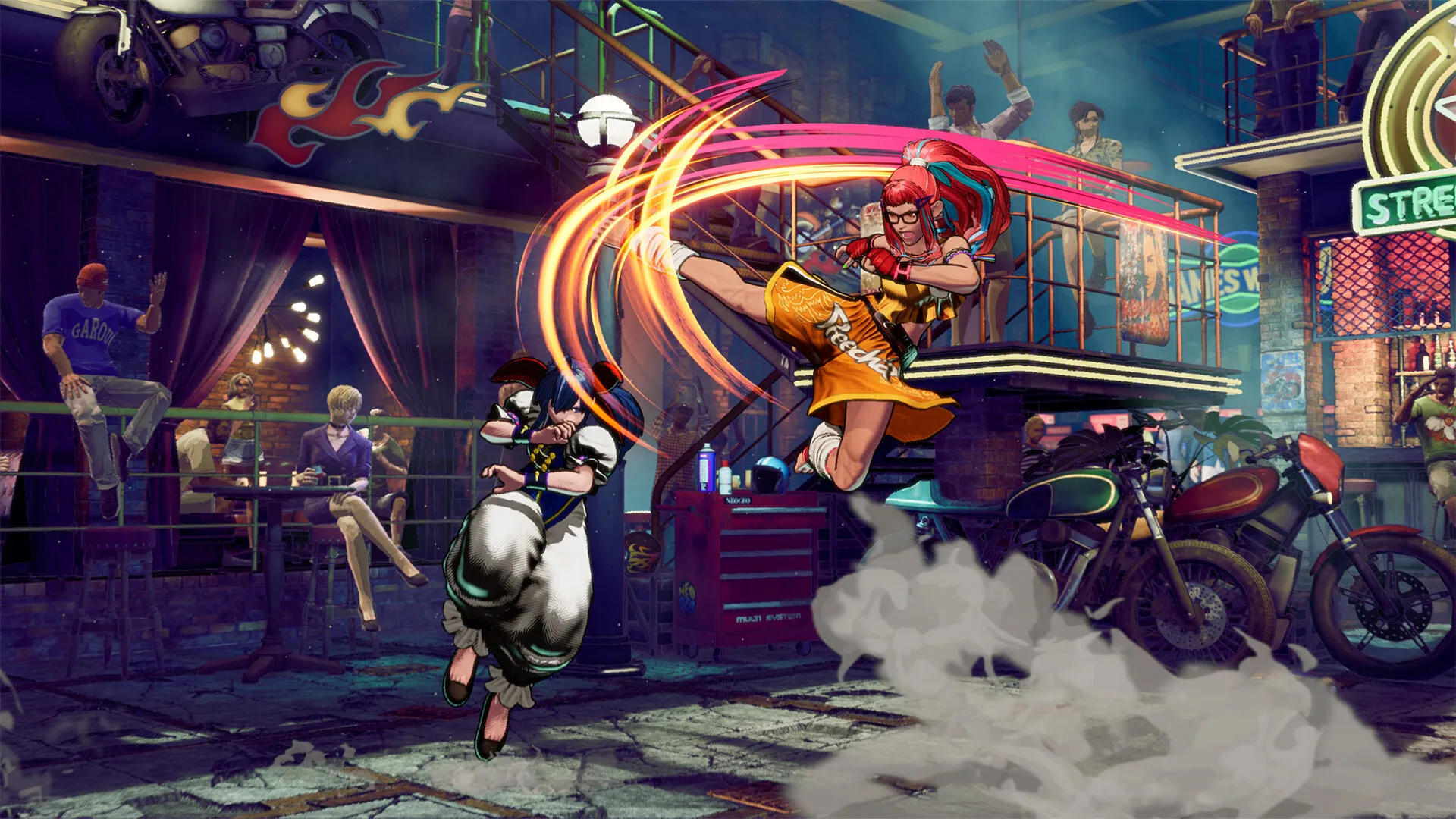
The game’s cel-shaded, comic book-inspired art style sets it apart in a crowded field.
Characters like Mai Shiranui and newcomer Preecha pop off the screen, their animations fluid and expressive, evoking Marvel vs. Capcom 3’s vibrant energy.
SNK’s decision to lean into this aesthetic isn’t just stylistic—it’s strategic.
By avoiding the hyper-realism of Tekken 8 or the exaggerated grit of Street Fighter 6, Fatal Fury: City of the Wolves carves a unique visual identity.
This choice resonates with fans craving something distinct in an era where graphical fidelity often overshadows personality.
Moreover, SNK's commitment to storytelling through character design enhances the emotional connection players have with the game.
+ GTA 6: Characters, Story, and New Gameplay Features Revealed
The REV System: A Game-Changer in Mechanics
What makes a fighting game endure?
It’s the mechanics—the heartbeat of every combo, parry, and mind game.
Fatal Fury: City of the Wolves introduces the REV System, a dynamic meter that fuels offensive and defensive options.
Unlike Street Fighter 6’s Drive Gauge, which depletes with use, the REV Meter builds from 0% as players block or execute special moves like REV Arts or REV Blows.
Hit 100%, and you risk Overheat, locking out REV techniques and exposing you to guard breaks.
This push-and-pull creates a thrilling risk-reward dynamic, rewarding aggression while punishing recklessness.
| Mechanic | Description | Strategic Impact |
|---|---|---|
| REV Arts | Enhanced special moves consuming REV Meter. | Encourages combo creativity but risks Overheat. |
| REV Blow | Armored attacks during S.P.G. (Selective Potential Gear). | Counters aggressive opponents, but timing is critical. |
| REV Guard | Special guard with pushback, avoids chip damage. | Bolsters defense, but increases meter toward Overheat. |
The REV System’s complexity might intimidate newcomers, but SNK counters this with dual control schemes: Arcade Style for veterans and Smart Style for beginners.
Smart Style simplifies inputs, letting casual players execute flashy combos with minimal effort.
This accessibility mirrors Street Fighter 6’s modern controls, ensuring Fatal Fury: City of the Wolves welcomes all skill levels without diluting its depth.
Imagine a high-stakes chess match where novices can still checkmate—it’s that kind of balance.
The introduction of the REV System not only modernizes gameplay but also invites players to engage more deeply with the mechanics, fostering a competitive environment.
A Roster That Bridges Past and Future
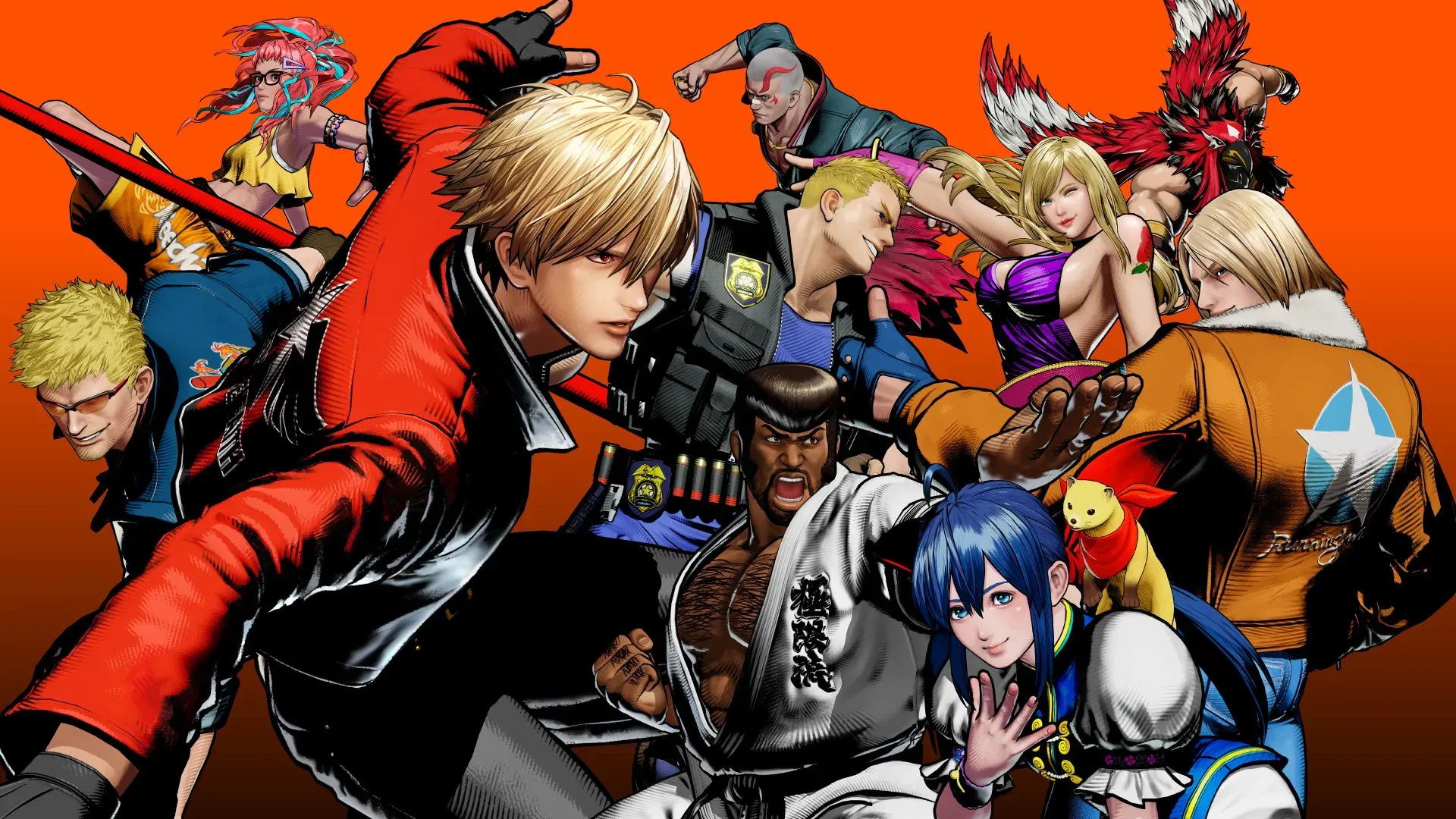
A fighting game’s soul lies in its characters, and Fatal Fury: City of the Wolves delivers a roster that’s both nostalgic and forward-thinking.
Returning icons like Terry Bogard and Mai Shiranui anchor the lineup, their redesigns respectful yet modern.
Mai, for instance, retains her femme fatale charm but ditches the ‘90s hyper-sexualized look for a more tasteful design, akin to Cammy’s evolution in Street Fighter 6.
Newcomers like Vox Reaper, a dark karate assassin, and Preecha, a bookish kickboxer, inject fresh energy, their playstyles distinct yet cohesive with SNK’s legacy.
However, the inclusion of real-life guest characters—soccer star Cristiano Ronaldo and DJ Salvatore Ganacci—has sparked debate.
These additions, tied to SNK’s Saudi Arabian ownership, feel jarring in South Town’s gritty world.
Picture a Michelin-starred chef tossing fast food into a gourmet dish—it’s bold, but divisive.
While Ronaldo’s soccer-based moveset is surprisingly fun, many fans argue these slots could’ve gone to classic SNK characters like Joe Higashi or Andy Bogard (both confirmed as DLC).
Despite this misstep, the 17-character launch roster offers variety, with Season 1 DLC promising crossovers like Street Fighter’s Ken and Chun-Li.
| Character | Type | Playstyle |
|---|---|---|
| Terry Bogard | All-Rounder | Balanced mix of rushdown and zoning. |
| Vox Reaper | Rushdown | Aggressive, combo-heavy dark karate. |
| Preecha | Zoner | Kickboxing with long-range control. |
| Ronaldo | Gimmick | Soccer-based, unpredictable moveset. |
The diverse roster not only appeals to long-time fans but also aims to attract newcomers, ensuring a broader audience for the game.
Single-Player Depth: Episodes of South Town
Fighting games thrive online, but single-player content is crucial for casual audiences.
Fatal Fury: City of the Wolves introduces Episodes of South Town, an RPG-like mode where players navigate a 2D map, fight under unique conditions, and level up their fighter’s skills.
Unlike Street Fighter 6’s expansive World Tour, this mode prioritizes narrative over open-world fluff, weaving character-driven stories with comic-style cutscenes.
For example, playing as Rock Howard might pit you against a rival gang, unlocking lore about his past while earning XP for new moves.
This mode’s depth surprised critics, with PCMag praising it as “a cool diversion with fun surprises” in their April 2025 review.
It’s not just filler—it’s a gateway for newcomers to learn mechanics while engaging with South Town’s lore.
For veterans, it’s a nostalgic nod to SNK’s storytelling, like revisiting a favorite comic book arc.
Yet, the mode’s reliance on internet connectivity for updates could frustrate offline players, a minor blemish in an otherwise robust package.
The inclusion of character-driven narratives enriches the overall experience, making it more than just a fighting game but a journey through the lore of South Town.
++ Borderlands 4: Here’s What’s Coming in the Most Insane Shooter RPG
Online Play: Rollback Netcode and Competitive Potential
In 2025, no fighting game can survive without stellar online play.
Fatal Fury: City of the Wolves delivers with rollback netcode, ensuring smooth matches across continents.
Early reviews, like Tom’s Guide’s 4.5/5 score, laud its “dependable online play,” a marked improvement over the beta’s rocky netplay.
SNK’s commitment to post-launch support, including free Season 1 DLC and regular updates, positions the game as an esports contender.
Consider this statistic: at CEO2025, Fatal Fury: City of the Wolves drew over 1,200 entrants, surpassing The King of Fighters XV’s turnout, per snk_esports_hub on X.
This competitive traction suggests SNK’s revival isn’t just nostalgic—it’s viable.
However, matchmaking needs work, as newbies often face seasoned players, creating a steep climb.
SNK’s promise of patches to refine matchmaking offers hope, but the game’s esports dreams hinge on sustained community support.
The focus on competitive integrity and community engagement will be crucial for maintaining player interest and fostering a robust esports scene.
The Saudi Arabian Influence: Blessing or Bane?
SNK’s 2021 acquisition by Saudi Arabia’s Public Investment Fund has fueled both progress and controversy.
The funding gave Fatal Fury: City of the Wolves a budget rivaling Capcom’s, evident in its polish and marketing.
Yet, the inclusion of Ronaldo and Ganacci, tied to Saudi interests, has alienated some players.
A Vice report from May 2025 estimates the game sold only 26,594 copies globally in its first two weeks, lagging behind Street Fighter 6’s launch.
While not a definitive flop, these numbers reflect a marketing misstep—SNK leaned too hard into mainstream gimmicks, diluting its core appeal.
This tension raises a question: can SNK balance its artistic vision with external pressures?
The game’s quality suggests yes, but the guest characters highlight a disconnect.
Fans crave authenticity, and SNK must prioritize its legacy over flashy cameos to rebuild trust.
For example, imagine a modder replacing Ronaldo with Art of Fighting’s Mr. Big—fan forums would erupt with joy.
SNK’s challenge is to channel that passion without losing its newfound resources.
The ongoing dialogue about the influence of external ownership on game development will be crucial in shaping the future of the franchise.
Why This Revival Matters
The fighting game genre is hotter than ever, with Street Fighter 6, Tekken 8, and Mortal Kombat 1 driving a renaissance.
Yet, Fatal Fury: City of the Wolves stands out by honoring its roots while pushing boundaries.
It’s not just a game—it’s a testament to SNK’s resilience.
After years of financial woes, the company is back, not as a relic but as a contender.
The game’s comic book aesthetic, deep mechanics, and robust modes make it a must-play for fans and newcomers alike.
Think of Fatal Fury: City of the Wolves as a phoenix rising from arcade ashes.
It carries the weight of SNK’s legacy but soars with modern innovation.
While flaws like controversial guest characters and matchmaking hiccups exist, they don’t overshadow the game’s brilliance.
SNK has crafted a fighter that respects its past, embraces the present, and eyes the future—a rare feat in a genre where nostalgia often trumps ambition.
The success of this revival could pave the way for more classic franchises to return, revitalizing interest in the fighting game genre as a whole.
For more information, you can check out the official SNK website here.
Conclusion: A New Legend Unfolds
As Fatal Fury: City of the Wolves hits PlayStation, Xbox, and PC, it’s more than a game—it’s SNK’s declaration of intent.
With a vibrant roster, groundbreaking mechanics, and a visual style that pops, it’s poised to carve a niche in a competitive landscape.
Despite stumbles, like the divisive guest characters, SNK’s passion shines through.
For fans, it’s a long-awaited homecoming; for newcomers, it’s a thrilling entry point.
Will you step into South Town and unleash your fury?
The wolves are howling—join the fight.
This revival not only rekindles the excitement for SNK’s legacy but also reinforces the importance of innovation in keeping the fighting game genre alive and thriving.
