
Sistemas de clasificación competitivos liderados por los jugadores: cuando las comunidades desafían a los desarrolladores
Anuncios
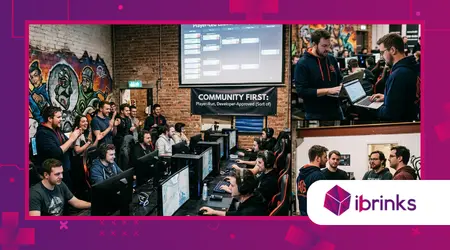
Escaleras competitivas dirigidas por los jugadores Representan un cambio trascendental en el ecosistema de los videojuegos, empoderando a las comunidades para que tomen el control total de sus entornos multijugador favoritos.
Este fenómeno orgánico se produce cuando los jugadores apasionados rechazan los sistemas oficiales de emparejamiento para construir, en su lugar, sus propias infraestructuras de torneos independientes y altamente estructuradas.
Cuando los estudios de desarrollo corporativos dan prioridad a los jugadores ocasionales o implementan parches de monetización controvertidos, la base de usuarios más dedicada y comprometida a menudo se siente completamente abandonada e ignorada.
Nuestro análisis periodístico de 2026 explora cómo estos movimientos de base desafían activamente a los creadores de videojuegos, remodelando el equilibrio competitivo y salvando de la extinción a títulos multijugador clásicos.
Puntos clave de la infraestructura comunitaria
- Equilibrio democrático: Cómo los jugadores ajustan las reglas y prohíben ciertos elementos para crear un entorno más justo y competitivo.
- Autonomía antitrampas: La implementación de protocolos de seguridad estrictos y supervisados por la comunidad para eliminar a los hackers al instante.
- Preservación de la nostalgia: Revivir las escenas competitivas inactivas de títulos clásicos que los desarrolladores ya no respaldan oficialmente.
- La paradoja financiera: Por qué los grandes estudios suelen luchar contra estas plataformas comunitarias independientes o absorberlas.
¿Qué son las clasificaciones competitivas dirigidas por los jugadores y por qué se forman?
El concepto de Escaleras competitivas dirigidas por los jugadores pone de manifiesto una creciente división ideológica entre los objetivos de diseño de juegos de las empresas y las expectativas reales de la comunidad.
Anuncios
Los sistemas de clasificación oficiales a menudo se basan en algoritmos ocultos diseñados para maximizar la participación diaria de los jugadores en lugar de poner a prueba la verdadera habilidad competitiva.
Frustrados por estos parámetros poco transparentes, los jugadores de élite construyen plataformas digitales externas utilizando software de terceros y herramientas de modificación personalizadas.
Estos sistemas independientes ofrecen una distribución transparente de los puntos, reglamentos estrictos y un camino claro hacia el reconocimiento profesional para las personas con talento.
¿Cómo consiguen las comunidades sortear los servidores oficiales del juego?
Los programadores expertos desarrollan clientes de software especializados que se ejecutan junto con el juego principal, capturando estadísticas de los jugadores en tiempo real directamente a través de una integración avanzada de la API de red.
Esta metodología permite a los usuarios formar grupos de emparejamiento exclusivos y de alto nivel, evitando por completo las salas públicas caóticas y no reguladas que ofrecen las editoriales.
++ Cómo las integraciones de conciertos virtuales están cambiando los espacios sociales multijugador
¿Por qué las decisiones de diseño corporativas alejan a los jugadores más apasionados?
Las editoriales suelen equilibrar las armas o los personajes para complacer a los consumidores ocasionales, que representan el segmento más grande de compradores de microtransacciones en el mercado.
Esta filosofía a menudo reduce drásticamente el nivel de habilidad, destruyendo los matices tácticos que los jugadores competitivos dedican miles de horas a practicar hasta alcanzar la perfección.
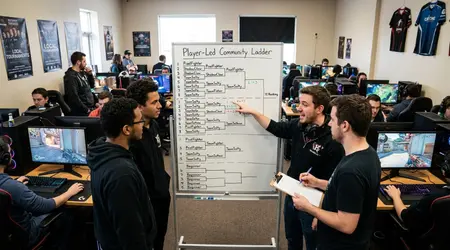
¿Cómo suponen los sistemas de clasificación independientes un desafío para los grandes estudios?
Implementación Escaleras competitivas dirigidas por los jugadores Envía una señal clara y contundente de que la comunidad rechaza la dirección actual de un título oficial de servicio en vivo.
Cuando los influencers de primer nivel y los organizadores de torneos migran a plataformas privadas, las métricas de participación pública en las principales plataformas de streaming disminuyen drásticamente.
Esta migración se asemeja a una huelga sindical, donde los consumidores más valiosos retiran su trabajo y atención para exigir una mejor gestión empresarial.
Ante una pérdida repentina de relevancia cultural, los desarrolladores inteligentes a menudo ceden y ajustan sus planes de diseño para satisfacer las demandas de la comunidad.
Lea también: Colaboración con los fans: concursos de fan art
¿Qué ocurre cuando los desarrolladores se resisten a estos movimientos?
Nintendo intentó, como es bien sabido, cerrar el software de torneos gestionado por la comunidad. Super Smash Bros. Melee, lo que provocó una inmensa indignación pública en todo el mundo.
La escena se negaba a desaparecer, demostrando que una comunidad apasionada puede mantener un ecosistema competitivo sin una pizca de financiación oficial de los desarrolladores.
Leer más: Creación de guías y wikis de juegos comunitarios
¿Pueden las plataformas independientes alcanzar una escala comercial importante?
Faceit y ESEA transformaron por completo el panorama competitivo de Contraataque, estableciendo estándares de referencia para el emparejamiento que Valve finalmente integró en su plataforma.
Estas organizaciones demostraron que las iniciativas impulsadas por los jugadores podían generar premios millonarios y conseguir patrocinios masivos de marcas de hardware globales de forma independiente.
¿Qué demuestran los indicadores de competitividad de 2026?
Un informe exhaustivo de 2026 elaborado por la Red de Investigación de Deportes Electrónicos destaca que 42% de partidos competitivos de alto nivel ahora se llevan a cabo en plataformas independientes.
Esta estadística subraya un cambio estructural, demostrando que los jugadores buscan activamente entornos especializados diseñados específicamente para la competición seria y de alto riesgo.
Cuando las comunidades se despliegan Escaleras competitivas dirigidas por los jugadoresDe esta forma, descentralizan eficazmente los deportes electrónicos, eliminando el monopolio corporativo sobre lo que constituye un ecosistema de torneos legítimo.
La tabla exhaustiva que aparece a continuación muestra la retención de espectadores y la estabilidad de los torneos en los principales sistemas gestionados por la comunidad que operan en el panorama actual de los videojuegos.
Indicadores de rendimiento de las plataformas impulsadas por la comunidad (2026)
| Nombre de la plataforma | Base de jugadores activos | Juego principal compatible | Eficiencia antitrampas |
| Bóveda Challenger | 650,000 | Tiradores tácticos | Tasa de detección TP3T del 99,41%. |
| Liga del Legado | 320,000 | Juegos de lucha retro | Revisión del manual 100% |
| Arena Nexus | 890,000 | Títulos de Battle Royale | Bloque automatizado 98.2% |
| Gridiron Pro | 150,000 | Simulaciones deportivas | 95.7% ID verificado |
¿Por qué la eficacia de los sistemas antitrampas es tan alta en estas plataformas?
Los organizadores de la comunidad utilizan revisiones de vídeo manuales y colaborativas junto con software intrusivo, lo que permite a los jugadores veteranos de confianza juzgar directamente los comportamientos sospechosos.
Este factor humano detecta fallos sutiles que el software antitrampas genérico basado en aprendizaje automático suele pasar por alto durante las caóticas partidas competitivas de alto nivel.
¿Cómo influyen estas estadísticas en el diseño de futuros juegos?
Actualmente, las empresas de capital riesgo analizan las métricas de participación de la comunidad de base antes de invertir en nuevas propiedades intelectuales multijugador no anunciadas.
Los inversores comprenden que un juego no puede sobrevivir a largo plazo sin el respaldo activo y apasionado de estas subculturas competitivas autoorganizadas.
¿Cómo pueden las comunidades gestionar eficazmente las estructuras jerárquicas internas?
Mantener el éxito Escaleras competitivas dirigidas por los jugadores Requiere miles de horas de moderación voluntaria no remunerada, una estricta transparencia financiera y una inmensa habilidad diplomática.
Los organizadores deben establecer códigos de conducta inequívocos para evitar que la toxicidad perjudique la integridad competitiva de su ecosistema digital privado.
Piensa en una liga independiente como en un parque infantil construido por la comunidad; si los usuarios no recogen la basura, el espacio se vuelve inutilizable.
El uso de bots automatizados para gestionar la mediación inmediata de disputas ayuda a mantener la eficiencia operativa, lo que permite a la liga crecer sin sobrecargar al personal humano.
¿Cómo financian los organizadores los costes de infraestructura?
La mayoría de las ligas dependen de pequeñas suscripciones mensuales premium, campañas de financiación colectiva o acuerdos de colaboración específicos con fabricantes regionales de hardware informático.
Esta independencia financiera garantiza que la comunidad pueda pagar el alojamiento de servidores de alta velocidad sin depender de las inestables subvenciones de los desarrolladores corporativos.
¿Cuál es el objetivo final de estos movimientos de base?
En definitiva, estas ligas pretenden fomentar una relación de colaboración con los desarrolladores, garantizando que las opiniones de los jugadores guíen directamente las futuras actualizaciones de equilibrio.
Cuando los ejecutivos de las empresas tratan a los jugadores como socios respetados en lugar de como meras métricas, toda la industria multijugador alcanza un equilibrio más saludable.
El nuevo equilibrio del poder multijugador
El auge de las plataformas competitivas independientes marca el final de una era en la que los desarrolladores tenían el control absoluto sobre el destino competitivo de un juego.
Hemos visto cómo la organización de jugadores puede recuperar el equilibrio, implementar una seguridad superior y preservar títulos queridos mucho después de que desaparezca el apoyo corporativo.
Un videojuego pertenece a la empresa que posee los derechos de autor, pero el ámbito competitivo pertenece enteramente a quienes lo juegan.
Al asumir la responsabilidad de su propio entretenimiento, los jugadores están reescribiendo las reglas de la interacción moderna con los servicios en vivo, con resultados espectaculares.
De cara al futuro, los estudios que adopten esta energía popular crearán inevitablemente las experiencias multijugador más sólidas.
¿Alguna vez has abandonado el sistema de emparejamiento oficial para jugar en una liga comunitaria independiente? ¡Comparte tu experiencia en los comentarios!
Preguntas frecuentes
¿Es legal participar en estas escaleras gestionadas por la comunidad?
Sí, siempre y cuando la plataforma no distribuya archivos de juegos pirateados ni viole los acuerdos de licencia de usuario final fundamentales en lo que respecta a la modificación del software.
¿Cómo puedo unirme a una liga competitiva independiente?
La mayoría de las organizaciones exigen que vincules tu cuenta oficial de juego a su plataforma web segura, verificando tu nivel de habilidad antes de concederte el acceso.
¿Los cazatalentos profesionales consultan las ligas comunitarias en busca de nuevos talentos?
Por supuesto, las principales organizaciones de deportes electrónicos suelen reclutar jugadores desconocidos directamente de los niveles más altos de estas clasificaciones independientes altamente competitivas.
¿Pueden los desarrolladores prohibir a los jugadores el uso de estos servicios externos de emparejamiento?
Si bien técnicamente es posible, hacerlo genera enormes desastres de relaciones públicas y aleja a la comunidad principal, por lo que la mayoría de los estudios optan por mirar hacia otro lado.
