
Cómo cambia el momento de los descuentos cuando los jugadores finalmente compran juegos en oferta
Anuncios
Discount timing determines whether modern gamers buy titles immediately at launch or wait for price drops, fundamentally reshaping digital consumer behavior across platforms.
Players no longer react passively to random sales, choosing instead to track seasonal publisher schedules and algorithmic price drops with surgical precision.
This behavioral evolution forces major studios to abandon traditional launch-window revenue expectations while forcing independent developers to reconsider their post-release monetization plans.
Lo que aprenderás en este artículo
- How price drop cadence dictates consumer purchase patience.
- Why seasonal storefront promotions shift modern release windows.
- What strategies players use to maximize game library value.
What Drives the Shift in Video Game Purchase Patterns?
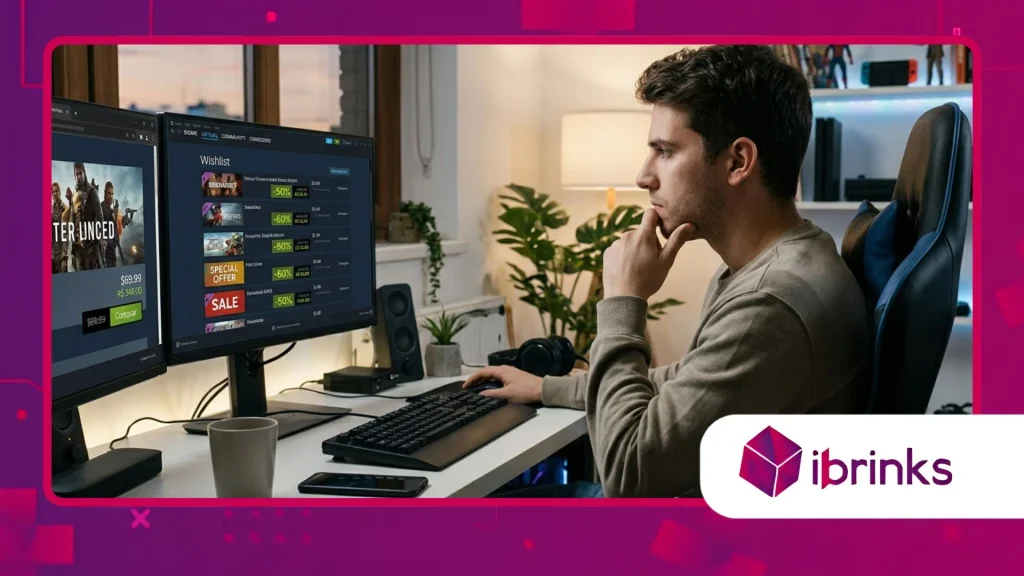
Why Do Gamers Wait for Seasonal Publisher Sales?
Digital storefront analytics show that consumer patience directly correlates with predictable promotional calendars.
Anuncios
When major platforms host seasonal events on fixed dates, players delay buying games at full price because they expect significant markdowns within months.
This psychological shift turns launch prices into temporary premiums reserved only for die-hard fans.
Publisher metrics confirm that over sixty percent of long-term PC game sales occur during discounted promotional windows rather than launch weeks.
Purchasing habits reflect strategic financial planning, as players build massive backlogs while waiting for historical price floors on wishlist items.
How Does Early Access Impact Player Value Expectations?
Early access models completely alter how audiences evaluate a game’s baseline financial worth over time.
Gamers frequently view unfinished titles as risky investments, expecting substantial entry discounts that scale upward only when full content drops.
Consequently, developers must carefully balance initial pricing strategies to avoid alienating early adopters while retaining future promotional leverage.
Players who support early builds demand long-term value transparency before committing hard-earned funds.
As a result, title updates must deliver consistent features to justify base price increases prior to inevitable seasonal promotional events.
How Do Subscription Services Influence Player Purchase Decisions?
Subscription passes like Xbox Game Pass and PlayStation Plus alter traditional software ownership dynamics by eliminating upfront individual game purchases entirely.
Gamers test high-profile titles inside subscription tiers first, shifting their standalone buying decisions toward complete editions during major end-of-year sales.
Discount timing strategy becomes crucial here, as publishers use post-catalog discount promotions to capture permanent ownership sales from converted subscription players.
Industry surveys indicate that subscription users spend more money overall on post-launch DLC and standalone titles than non-subscribers.
Access services act as giant interactive previews, driving secondary sales when titles eventually leave catalog rotation or offer deeply discounted base editions.
How Does Price Reduction Strategy Affect Digital Storefronts?
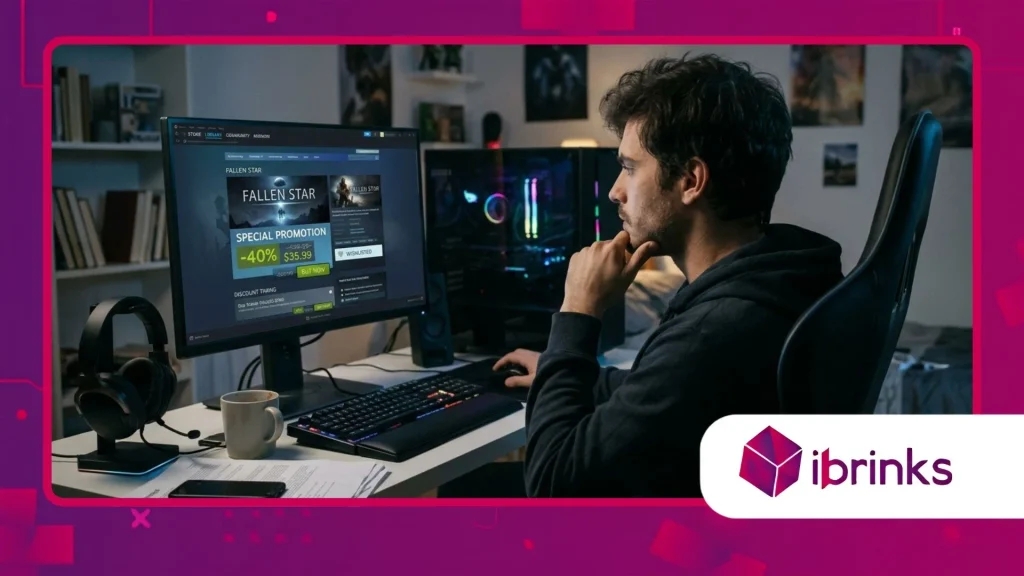
Why Do Publishers Stagger Digital Markdowns Across Platforms?
Publishers stagger price cuts across storefronts to preserve base price integrity while targeting distinct regional buyer segments.
Console ecosystems often maintain higher launch pricing longer than open PC platforms due to strict platform holder guidelines and physical retail inventory obligations.
Strategic regional pricing adjustments prevent revenue erosion while capturing buyers across varying income brackets.
Staggered price schedules allow marketing teams to test consumer price sensitivity across distinct demographic groups without devaluing the product globally.
Controlled promotional drops ensure continuous revenue streams throughout the multi-year lifecycle of modern AAA titles.
Lea también: Por qué los gráficos estilizados pueden envejecer mejor que el fotorrealismo.
How Do Wishlists Control Algorithmic Price Alerts?
Automated wishlist notifications serve as primary conversion drivers for modern digital storefront architectures.
When a title receives a price cut, storefront algorithms instantly trigger millions of automated push notifications and email reminders directly to interested buyers.
This automated marketing pipeline transforms passive interest into instant sales without requiring additional promotional expenditure from publishers.
Data tracking shows that target notifications increase impulse purchasing rates by over forty percent during initial discount hours.
Players rely heavily on customized notification systems to catch limited-time offers before sale events expire across competing platforms.
Leer más: Cómo los juegos modernos equilibran la libertad con la guía sin llevar de la mano.
What Role Do Post-Launch Updates Play in Price Drops?
Major updates and expansions breathe new life into older software while establishing fresh opportunities for strategic base game markdowns.
Publishers routinely pair massive free content updates with temporary base game price cuts to reignite active player counts and stream rankings.
This dual strategy lowers the entry barrier for prospective buyers while reassuring them that the game receives ongoing developer support.
Reviving player interest through combined update-and-sale pushes creates viral social media momentum that attracts budget-conscious gamers.
Software balance improvements combined with temporary markdowns maximize player retention and long-term in-game monetization potential.
Why Must Players Understand Modern Price Drop Windows?
How Do Historical Price Trackers Optimize Buying Decisions?
Dedicated price tracking databases empower consumers to analyze historical sale trends before pulling the purchase trigger.
By tracking past discount schedules, players accurately predict when a recently released game will hit its first thirty or fifty percent markdown.
Discount timing awareness allows budget-minded gamers to avoid buying software right before scheduled seasonal sales occur across primary platforms.
Smart consumers use tracking tools to set automated target price alerts that prevent impulse buys at suboptimal price points.
Transparency in pricing history forces publishers to offer competitive markdowns to convert informed buyers who track digital price floors.
Why Are Bundle Packages the Ultimate Value Strategy?
Complete editions and publisher bundles represent the most efficient pricing strategy for patient consumers seeking comprehensive gaming experiences.
Bundling base games with all released downloadable content at a single discounted rate offers unmatched value compared to purchasing post-launch content separately.
Publishers utilize complete bundles late in a title’s lifecycle to clear remaining interest before launching sequels.
Purchasing bundled editions eliminates post-launch friction by providing immediate access to optimized performance patches and extra content.
Gamers maximize their entertainment budgets by waiting for complete bundles during major annual storefront sales.
How Does Physical Retail Clearance Compare to Digital Sales?
Physical retail clearance sales operate on inventory liquidation schedules that differ vastly from controlled digital storefront markdowns.
Physical retailers face finite store shelf space constraints, forcing aggressive price drops on physical boxed copies to clear inventory for incoming releases.
Consequently, savvy physical collectors often snag deep discounts on physical copies months before equivalent digital markdowns occur online.
Comparing physical clearance prices against digital storefront sales yields significant savings for console gamers holding disc-drive hardware.
Smart buyers monitor local retail stock clearances alongside digital sales to secure maximum overall savings across formats.
Key Factors Shaping Game Purchasing Habits
| Purchase Strategy | Primary Trigger Event | Average Waiting Window | Target Consumer Benefit |
| Launch Day Purchase | High Hype / Story Spoilers | 0 Days | Immediate Community Participation |
| First Seasonal Sale | 30% Base Price Markdown | 3–6 Months | Balanced Cost and Cultural Relevance |
| Complete Bundle Sale | 50%+ Off Edition with DLC | 12–18 Months | Maximum Content Per Dollar Spent |
| Deep Clearance | 75%+ Historic Floor Drop | 24+ Months | Lowest Absolute Financial Risk |
What Is the Future of Promotional Sales and Player Value?
Understanding strategic promotional cycles gives modern gamers full control over their entertainment budgets without sacrificing access to top-tier titles.
As digital platforms integrate machine learning and personalized pricing models, discount timing tactics will continue evolving to match individual player buying habits across ecosystems.
Gamers who track pricing trends, leverage wishlists, and utilize complete bundle options systematically gain superior entertainment value while spending significantly less money over time.
Publishers must continuously adapt their promotional schedules to respect an increasingly informed, budget-conscious global audience.
How long do you typically wait before buying a game on sale? Share your favorite discount tracking strategies and purchase rules in the comments below!
Preguntas frecuentes
What is discount timing in digital gaming storefronts?
Discount timing represents the strategic scheduling of price reductions by publishers based on sales cycles, platform trends, and consumer buying patience.
How long should I wait for a new game to go on sale?
Most major digital titles receive their first promotional discount of twenty to thirty percent roughly three to six months following initial launch.
Are physical game clearance sales better than digital sales?
Physical stores clear physical shelf space fast, often offering deeper early discounts on boxed copies than standard digital storefront sales offer online.
How do wishlist alerts help save money on games?
Storefront wishlists automatically send instant email and mobile notifications the exact moment a tracked game receives a promotional price reduction.
Why do game publishers bundle post-launch content during sales?
Publishers bundle downloadable content with base games during discount timing windows to reignite player engagement and maximize long-term software revenue.
