
Cómo las giras de presentación de torneos acercan los deportes electrónicos a los aficionados locales
Anuncios
Tournament roadshows have permanently transformed how competitive gaming connects with local audiences worldwide.
Major esports organizations no longer rely solely on central arenas in mega-cities to host premier events.
Instead, traveling circuits pack up professional stages, broadcast rigs, and elite rosters to bring high-stakes competition straight to regional venues.
Fans who once spent years watching streams from home can now meet top players in person, experience live stadium atmospheres, and participate in grassroots open qualifiers right in their hometowns.
This decentralized approach creates sustainable fan engagement across diverse markets while providing brands with direct, impactful touchpoints in regional communities.
Anuncios
- What Are Regional Competitive Circuit Tours?
- How Do Local Venues Elevate Live Fan Engagement?
- Why Are Regional Arena Circuits Essential for Esports Ecosystems?
- Preguntas frecuentes
What Are Regional Competitive Circuit Tours?
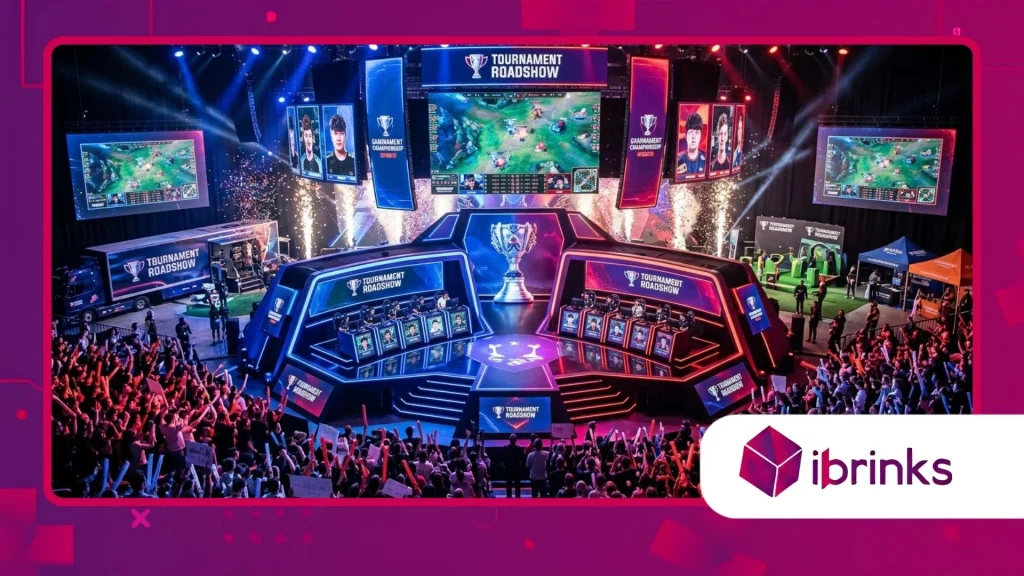
How Do Mobile Arena Tours Work in Practice?
Organizers design traveling esports events to recreate top-tier tournament atmospheres across diverse regional locations.
Advanced transport logistics move massive LED screens, broadcast equipment, and player setups between regional sports arenas and convention halls seamlessly.
A primary example is ESL FACEIT Group’s Intel Extreme Masters y ESL Challenger circuits, which regularly bring elite counter-strike competition to smaller European and American markets.
These tours operate on tight schedules, converting standard municipal venues into fully functioning broadcast hubs within days. Fans gain access to professional-grade production values without traveling to national capitals or overseas stadiums.
Beyond main-stage matches, traveling esports tours integrate local amateur tournaments directly into the event schedule.
Local players compete in open qualifiers hosted on-site, giving rising talent a rare chance to perform before live crowds.
Prominent organizers allocate designated arena space for publisher stations, meet-and-greet zones, and hardware testing booths.
Tournament roadshows effectively bridge the gap between digital broadcasting and physical community building by turning static broadcasts into immersive local festivals.
This structure gives regional gaming hubs direct access to global esports culture while boosting local venue revenues.
What Makes Physical Arena Events Distinct from Online Streams?
Physical tour stops offer high-density sensory experiences that home broadcasts simply cannot replicate. Hearing thousands of spectators react to a clutch play creates immediate emotional resonance for attendees.
Investigación publicada en el Journal of Interactive Marketing highlights that physical brand activations generate significantly higher emotional recall and audience loyalty than purely digital ad placements.
Attending a live event turns solitary screen viewing into a shared passion project among peers. Fans interact directly with team mascot displays, merchandise pop-ups, and interactive gaming lounges.
Live spectator venues also facilitate direct social networking for amateur players and creators.
Local gaming communities use traveling tournaments as annual meetup points to form teams, network with regional recruiters, and test competitive equipment.
The presence of professional shoutcasters and influencers elevates the prestige of regional venues.
While digital streaming remains the foundation of esports media consumption, live traveling circuits transform passive viewers into active community members.
The energy inside a local stadium establishes long-term fandom that digital broadcasts reinforce throughout the year.
How Do Local Venues Elevate Live Fan Engagement?
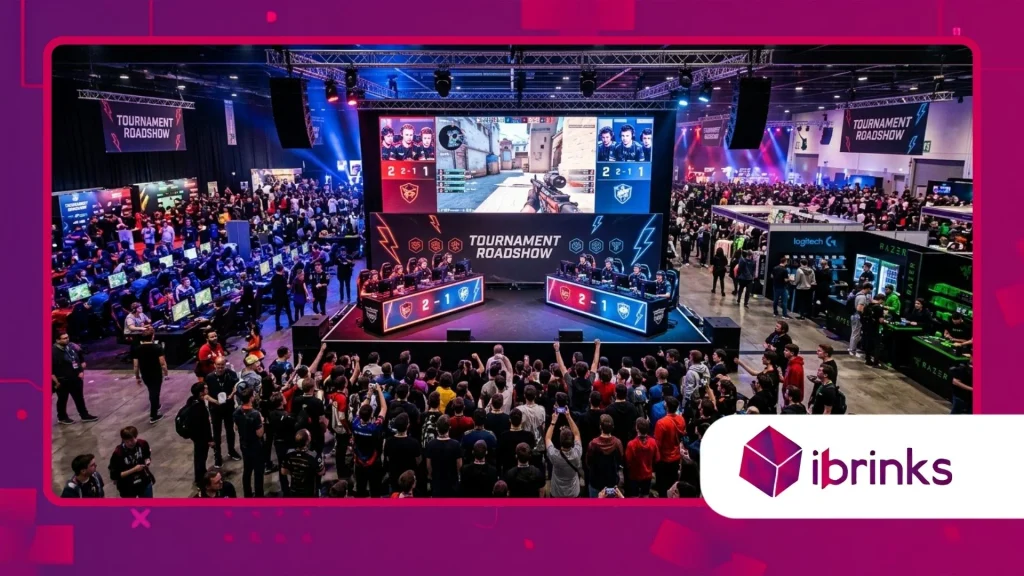
How Do City Tournaments Strengthen Local Gaming Communities?
Bringing professional leagues directly to regional cities validates local fanbases that major tournament operators often overlook.
When an organization books an arena in a mid-sized city, local gaming cafes, university clubs, and amateur leagues experience immediate spikes in participation.
Fans gather in physical spaces to celebrate shared gaming cultures, creating memories tied directly to specific regional venues.
Traveling tours often partner with local collegiate esports programs, offering students hands-on internships in event production, broadcast management, and team operations.
Local fan engagement grows even stronger through customized regional activations. Event hosts invite local influencers, regional food vendors, and homegrown indie game developers to showcase their work alongside main-stage competitions.
Tournament roadshows act as economic and cultural catalysts for regional tech scenes, demonstrating that competitive gaming belongs everywhere, not just in central hubs.
Fans leave these events with stronger local connections, renewed passion for competitive play, and deeper loyalty to participating teams.
This localized focus builds a resilient foundation for the broader gaming industry.
Lea también: El auge de las divisiones femeninas en los circuitos mundiales de deportes electrónicos.
Why Do Global Brands Invest in Regional Event Circuits?
Sponsors recognize that regional audience activations deliver far higher conversion rates than generic banner ads on streaming platforms.
Direct interaction allows brands to showcase high-end hardware, peripherals, and consumer goods directly to engaged buyers.
Attendees test gaming rigs, try low-latency peripherals, and receive exclusive physical merchandise unavailable elsewhere.
This hands-on access builds brand trust fast, especially among younger demographics who value authentic, experiential marketing over traditional media buys.
Regional tour stops also provide sponsors with valuable localized data and direct consumer feedback.
Brands can run targeted promotions tailored to specific geographic markets, testing product appeal across diverse demographic segments.
Furthermore, co-branded fan zones and interactive stages create organic social media content generated directly by attendees.
By funding traveling event structures, corporate sponsors secure high-impact engagement while expanding their footprint beyond saturated major metropolitan markets.
This strategy yields measurable returns on investment while supporting regional gaming growth.
Why Are Regional Arena Circuits Essential for Esports Ecosystems?
How Do Regional Events Drive Long-Term Industry Growth?
Expanding event footprints into regional markets secures the financial and cultural future of competitive gaming.
While mega-events in flagship cities attract massive international viewership, they leave large portions of the global audience isolated from physical experiences.
By decentralizing tournament structures, organizers unlock untapped revenue streams in secondary and tertiary markets.
Local ticket sales, regional vendor partnerships, and municipal tourism grants create sustainable revenue models less dependent on volatile online advertising markets.
Regional circuits also cultivate the next generation of professional talent and broadcast professionals. Emerging players get early exposure to high-pressure stage environments, preparing them for international competition.
Production crews hone logistics management across varied venue spaces, building operational flexibility.
Tournament roadshows establish a functional bridge between grassroots gaming hubs and premier international leagues, ensuring a steady pipeline of skilled players, passionate fans, and experienced event organizers across the global gaming ecosystem.
Leer más: El nuevo papel de los puntos de clasificación en los circuitos de esports
What Challenges Do Organizers Face When Touring Globally?
Executing multi-city arena tours requires complex logistical coordination and strict risk management.
Freight transport of high-value broadcast equipment across national borders involves complex customs clearances, equipment redundancy protocols, and technical staging adjustments.
Organizers must adapt stage designs to fit vastly different venue architectures while maintaining uniform broadcast quality for online viewers.
Operational costs can escalate quickly if travel schedules face delays or technical failures occur on-site.
Despite these operational hurdles, the long-term strategic benefits far outweigh the initial logistical challenges.
Organizers who master regional event execution build resilient brand equity and establish dominant positions in key growth markets.
By partnering with experienced local production crews and municipal venues, tournament providers mitigate logistical risks while maximizing community impact.
The continuous refining of touring infrastructure ensures that mobile esports events remain economically viable and operationally scalable worldwide.
Key Operational Metrics: Regional Tours vs. Centralized Events
| Métrico | Regional Event Tours | Centralized Mega-Events |
| Alcance de audiencia | Distributed across multiple regional cities | Concentrated in single major metro area |
| Nivel de participación de los fans | High personal interaction and local community focus | High-density spectator atmosphere |
| Sponsor ROI Potential | Direct regional activations and high product trial | Massive digital broadcast reach |
| Logistical Complexity | High transport, setup, and venue adaptability needs | Fixed infrastructure and single venue setup |
| Local Talent Impact | Direct path for amateur players and regional staff | High barrier to entry for local talent |
Transforming Grassroots Passion into Global Fandom
Tournament roadshows have redefined modern sports entertainment by bringing elite competition directly to fan doorsteps.
By decentralizing live events, tournament operators strengthen regional communities, provide immense value to sponsors, and build sustainable growth paths for the entire gaming industry.
Physical event activations bridge the gap between digital spectator content and real-world human connection, proving that the heart of competitive gaming beats strongest in local arenas.
As esports continues to mature globally, regional event circuits will remain the primary vehicle for expanding fanbases and fostering authentic gaming culture worldwide.
Have you attended a live traveling gaming event in your city? Share your experience in the comments below!
Preguntas frecuentes
What equipment is required to host a professional touring gaming event?
Organizers utilize modular LED walls, low-latency networking switches, player isolation booths, professional broadcast control units, and dedicated power generators.
This hardware travels in customized freight transports designed for rapid deployment and teardown across municipal sports arenas.
How do local amateur players earn spots in traveling esports circuits?
Most tournament operators host open online or on-site LAN qualifiers prior to main-stage matches.
Top-performing regional teams advance to play on the main stage alongside invited professional teams, providing direct pathways for grassroots talent discovery.
Why do municipal governments support regional esports tour stops?
Local governments recognize that traveling gaming events drive significant economic activity through hotel bookings, restaurant sales, and tourism revenue.
Hosting professional esports also showcases municipal venues as modern, tech-forward spaces capable of holding major youth culture events.
How do traveling circuits maintain broadcast consistency across different venues?
Production teams deploy standardized mobile broadcast trucks and cloud-based workflow systems that enforce consistent audio, visual, and graphic overlays regardless of location.
Technical crews conduct extensive site surveys to ensure network stability and stage alignment before going live.
What is the typical duration of a regional tournament circuit stop?
A standard tour stop lasts between two to four days, featuring group stages, community activations, hardware showcases, and live weekend finals.
Setup and teardown usually require an additional two days of technical staging before and after the public event window.
