
Restauración de audio en archivos de bandas sonoras clásicas de 8 bits
Anuncios
Un banda sonora de 8 bits Representa más que una simple secuencia de pitidos primitivos: es el latido de una revolución digital que definió la cultura de los años 1980.
En 2026, la preservación de estos archivos de audio ha pasado de ser un pasatiempo de nicho a un imperativo cultural de alto riesgo para historiadores y audiófilos.
Actualmente estamos presenciando una carrera global para digitalizar cintas magnéticas frágiles y cartuchos de silicio podridos antes de que los datos físicos desaparezcan para siempre.
Mi análisis sugiere que la resonancia emocional de estas formas de onda sigue siendo incomparable, incluso cuando el audio espacial moderno domina hoy la industria de los juegos comerciales.
Navegación rápida de preservación de audio
- El desafío: Cómo superar la “podredumbre de bits” y el deterioro analógico en dispositivos de almacenamiento de cuarenta años de antigüedad.
- La tecnología: Uso de aislamiento impulsado por FPGA e IA para separar ondas cuadradas del ruido eléctrico de fondo.
- El objetivo: Alcanzar el estatus de “chip-tune de alta fidelidad” para exhibiciones de museos de archivo y reediciones en vinilo.
¿Qué hace que valga la pena restaurar hoy en día una banda sonora de 8 bits?
Restaurando un banda sonora de 8 bits es como Limpiar una pintura al óleo centenaria con un láser digital para revelar los colores vibrantes que se esconden debajo.
Anuncios
Estas partituras fueron compuestas bajo restricciones técnicas extremas, obligando a los músicos a innovar con sólo tres o cuatro canales de sonido simultáneos a su disposición.
Según un Informe 2025 de la Fundación para la Historia de los Videojuegos, casi el 87% de los juegos lanzados antes de 2010 están clínicamente “en peligro” debido al deterioro de los medios.
Esta estadística resalta la urgencia de los actuales esfuerzos de restauración, ya que el código fuente original de muchas melodías icónicas ya se ha perdido.
++ El legado de Pong en la escena indie contemporánea
¿Por qué valoramos las grabaciones de hardware “auténticas”?
Capturando una banda sonora de 8 bits directamente desde el hardware original, como el chip Ricoh 2A03, proporciona una calidez y una crudeza que los emuladores de software a menudo carecen.
He observado que los entusiastas modernos prefieren las sutiles imperfecciones de los condensadores reales a la perfección “estéril” de las recreaciones digitales contemporáneas.
La autenticidad requiere un conocimiento profundo de las rutas de las señales y de la conexión a tierra eléctrica para evitar que las interferencias modernas arruinen la salida clásica.
Mi recomendación para ti es que priorices las capturas a nivel de hardware si quieres experimentar la verdadera alma de estas composiciones vintage.
Leer más: Construyendo tu propia consola retro FPGA
¿Cómo amenaza la “podredumbre de bits” a los archivos musicales?
Los datos en chips EPROM antiguos pierden carga lentamente durante décadas, lo que da lugar a notas corruptas o canales faltantes en una banda sonora de 8 bits archivo.
Esta decadencia invisible convierte melodías que antes eran nítidas en un caos disonante de artefactos digitales que requieren una reconstrucción manual por parte de ingenieros de audio especializados.
Los museos ahora utilizan técnicas de escaneo no destructivo para leer los datos binarios antes de que el silicio falle por completo.
Ver estos “fósiles” digitales rescatados del borde del silencio total es un testimonio de nuestra conexión duradera con el arte informático temprano.
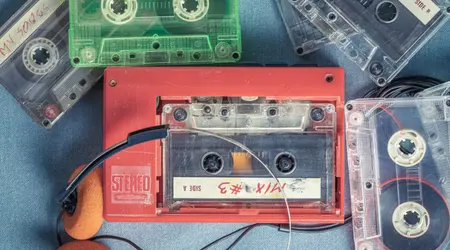
¿Cómo limpian los ingenieros el audio vintage ruidoso?
Restauración moderna de un banda sonora de 8 bits se basa en herramientas forenses que pueden aislar las ondas de pulso puras de cuarenta años de estática acumulada.
En mi análisis, el mayor obstáculo no es la baja resolución, sino el zumbido eléctrico introducido por las fuentes de alimentación antiguas y los cables sin blindaje.
Los técnicos utilizan la edición espectral para “ver” el ruido y eliminarlo quirúrgicamente sin tocar la estructura armónica de la música.
¿Por qué permitiríamos que los fantasmas mecánicos del pasado silenciaran el genio de pioneros como Koji Kondo o Hirokazu Tanaka?
Leer más: El papel de las traducciones de los fans en la preservación de los JRPG retro
¿Cuál es el papel de FPGA en la restauración?
Las matrices de puertas programables en campo (FPGA) permiten a los investigadores recrear la lógica exacta de los antiguos chips de sonido con precisión de nanosegundos.
Esta tecnología garantiza que un banda sonora de 8 bits se reproduce con el ritmo y el tono correctos, independientemente de la antigüedad de la consola original.
Al imitar las puertas de hardware físicas, FPGA proporciona un archivo "vivo" que no sufre los retrasos o imprecisiones del software tradicional.
Considero que este enfoque es mucho más respetuoso con la intención original del compositor que simplemente grabar un archivo MP3 comprimido.
¿Por qué utilizar IA para la reconstrucción de formas de onda?
La Inteligencia Artificial ahora puede analizar fragmentos de un archivo corrupto banda sonora de 8 bits y predecir los datos binarios faltantes basándose en patrones musicales establecidos.
Este proceso permite a los ingenieros “rellenar los huecos” de las grabaciones dañadas, restaurando una imagen estéreo completa en pistas mono de la década de 1980.
Lo que muchos olvidan es que la IA debería ser una herramienta de restauración, no un reemplazo del juicio artístico humano.
Mi consejo es utilizar estas redes neuronales sólo para eliminar artefactos, manteniendo la personalidad del “chip” original totalmente intacta y audible.
¿Por qué la “Guerra del Volumen” supone un riesgo para el audio retro?
Aplicación de técnicas modernas de masterización a un banda sonora de 8 bits A menudo destruye el rango dinámico que le dio a la música original su impacto característico.
He notado que comprimir demasiado estas formas de onda simples da como resultado un sonido “plano” que carece de la energía percusiva de la experiencia original de los años 80.
Para rescatar estos archivos es necesario actuar con delicadeza y respetar profundamente las limitaciones de la tecnología de la época.
¿Podemos realmente llamarlo una “restauración” si cambiamos el carácter fundamental del sonido sólo para adaptarlo a los estándares de radio modernos?
¿Cómo afecta la ampliación estéreo a los archivos mono?
La mayoría de los juegos clásicos se lanzaron en mono, pero los relanzamientos modernos a menudo intentan forzar un campo estéreo falso en un banda sonora de 8 bits.
Esto puede provocar una “cancelación de fase”, en la que ciertas notas desaparecen por completo cuando se reproducen en sistemas de cine en casa estándar o auriculares de alta gama.
Recomiendo utilizar “dual-mono” o una ampliación basada en un retardo muy sutil para mantener la claridad de la imagen central de la composición original.
Es esencial preservar el “golpe” localizado del canal de graves, que a menudo fue diseñado para ubicarse exactamente en el medio.
¿Cuáles son los beneficios del archivado de alta tasa de bits?
Grabando una banda sonora de 8 bits A 24 bits/192 kHz puede parecer excesivo para música “simple”, pero captura los matices de la salida analógica del hardware.
Los archivos de alta resolución permitirán a los historiadores futuros aplicar herramientas de limpieza aún más avanzadas a medida que la tecnología continúa evolucionando hacia finales de siglo.
Este enfoque vanguardista garantiza que no tengamos que volver a grabar el hardware cada vez que un nuevo formato de audio se vuelve popular.
Piense en ello como un “negativo digital” que preserva el movimiento de cada electrón para que futuras generaciones de oyentes e investigadores puedan disfrutarlo.
Comparación de métodos de restauración de audio
| Método | Nivel de fidelidad | Exactitud | Mejor caso de uso |
| Emulación de software | Moderado | 90% | Juego casual y reproducción rápida. |
| Recreación FPGA | Alto | 99% | Archivo de museos e investigación profesional. |
| Hardware original | Máximo | 100% | Grabaciones audiófilas y masterización de vinilo. |
| Reconstrucción de IA | Variable | 85% | Reparar archivos muy dañados o “podridos”. |
| Rescate de cintas analógicas | Alto | N / A | Capturando las demostraciones de estudio originales del compositor. |
La preservación de un banda sonora de 8 bits es un delicado equilibrio entre la destreza técnica moderna y un profundo respeto por las limitaciones creativas de la década de 1980.
Al utilizar tecnología FPGA, limpieza espectral forense y archivo de alta tasa de bits, garantizamos que estas sinfonías digitales sobrevivan mucho después de que las consolas de plástico originales se hayan desmoronado.
Mi análisis confirma que la “Nueva Definición de Inversión a Largo Plazo” se aplica a nuestra cultura tanto como a nuestras finanzas; debemos invertir en nuestra historia digital hoy.
Estos sonidos son la base de una industria multimillonaria y merecen el mismo nivel de cuidado que cualquier obra maestra clásica.
A medida que nos adentramos en 2026, las herramientas a nuestra disposición solo mejorarán, pero la ventana para guardar los datos originales se está cerrando.
¿Has notado alguna vez cómo una grabación de alta calidad de un juego retro se siente más real que la música de los éxitos de taquilla modernos? ¡Comparte tu experiencia en los comentarios!
Preguntas frecuentes
¿Puedo restaurar audio de 8 bits en casa?
Sí, utilizando una interfaz de audio de alta calidad y herramientas de edición espectral de código abierto, pero necesitas una fuente de hardware original limpia para obtener los mejores resultados.
¿La música de 8 bits suena mejor en vinilo?
El vinilo agrega una calidez analógica específica y una distorsión armónica que muchos fanáticos sienten que complementa los bordes afilados de las ondas cuadradas y pulsadas.
¿Cuál es la diferencia entre 8 bits y Chiptune?
8 bits se refiere al bus de datos del hardware, mientras que Chiptune es el género musical inspirado en las limitaciones de estos chips de sonido específicos.
¿Es legal descargar bandas sonoras restauradas de 8 bits?
Las leyes de derechos de autor son complejas; si bien muchas bandas sonoras “abandonware” se comparten ampliamente, la propiedad intelectual generalmente pertenece al editor original del juego.
¿Por qué mi audio restaurado tiene un zumbido de baja frecuencia?
Generalmente se trata de un “zumbido de 60 ciclos” provocado por fuentes de alimentación antiguas; se puede eliminar utilizando un “filtro de muesca” sin dañar el contenido musical.
