
Multiplayer Game Modes: Ranked vs. Casual
Anúncios
In the world of online multiplayer gaming, players often face a choice between two main game modes: ranked and casual. These modes offer different experiences in competitive gaming, catering to various player preferences and skill levels. Understanding the distinctions between ranked and casual play is crucial for gamers looking to enhance their skills and enjoy diverse gaming experiences.
Popular esports titles like League of Legends, Counter-Strike: Global Offensive, and Overwatch feature both ranked and casual modes. Each mode serves a unique purpose in the gaming ecosystem. While ranked play focuses on intense competition and skill-based matchmaking, casual modes offer a more relaxed environment for players to enjoy the game without the pressure of climbing the competitive ladder.
Key Takeaways
- Ranked and casual modes offer different gaming experiences
- Understanding mode differences helps players improve skills
- Popular esports titles feature both ranked and casual play
- Ranked mode emphasizes intense competition
- Casual mode provides a more relaxed gaming environment
Understanding the Core Differences Between Ranked and Casual Play
Multiplayer games offer diverse experiences through ranked and casual modes. These modes cater to different player preferences and skill levels, shaping the gaming landscape.
Skill-Based Matchmaking Systems
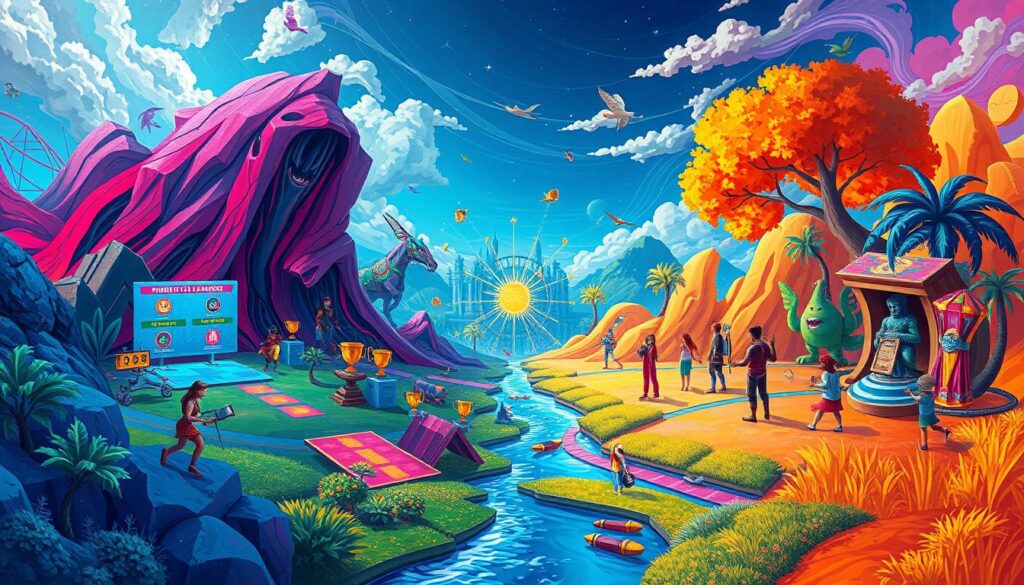
Ranked play relies on matchmaking algorithms to pair players of similar skill. This system uses MMR (Matchmaking Rating) to create balanced matches. Casual gaming, in contrast, focuses on quick, fun gameplay without strict skill matching.
Anúncios
Competitive Environments and Stakes
The competitive ladder in ranked modes creates high-stakes environments. Players climb ranks, earn rewards, and face intense competition. Research shows that competitive gaming can impact mental health, both positively and negatively.
| Aspect | Ranked Play | Casual Gaming |
|---|---|---|
| Matchmaking | Strict skill-based | Relaxed, varied skill levels |
| Stakes | High, rank progression | Low, focus on fun |
| Pressure | Intense competition | Relaxed atmosphere |
Time Commitment and Dedication Requirements
Ranked play demands significant time and dedication. Players must stay current with meta changes and practice regularly. Casual gaming offers flexibility, allowing players to enjoy the game without strict time commitments.
“The competitive nature of ranked play can be both motivating and stressful, while casual modes provide a more relaxed gaming experience.”
Community and Multiplayer Experience in Different Modes
Gaming communities shape the multiplayer experience in both casual and competitive modes. The way players interact and work together varies greatly depending on the game mode they choose.
Social Dynamics in Casual Gaming
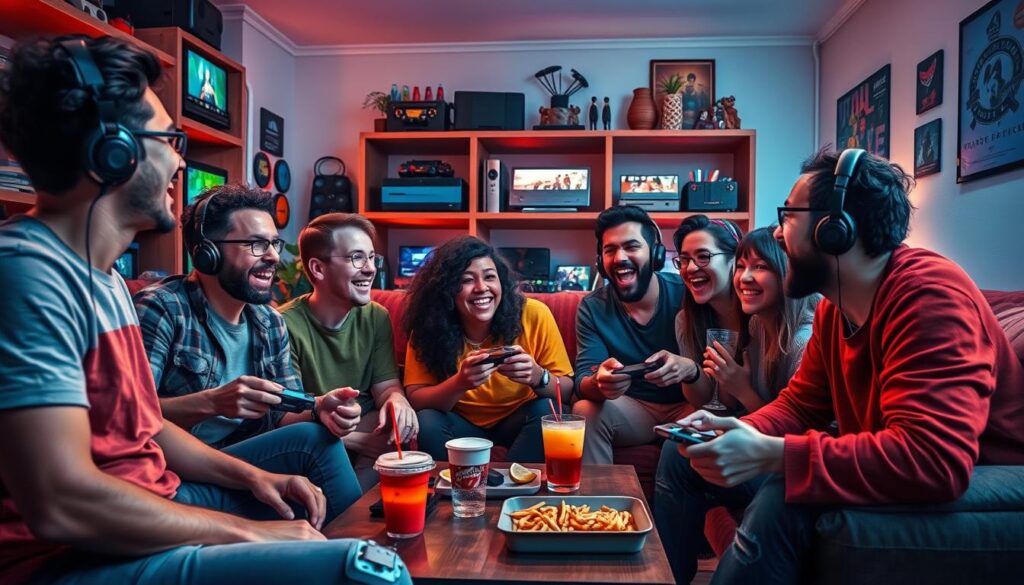
Casual gaming fosters a relaxed environment. Players often chat, joke, and experiment with different strategies without fear of consequences. This laid-back atmosphere encourages friendships and creates a welcoming space for newcomers to learn the ropes.
Competitive Community Behavior
In ranked play, the stakes are higher. Players focus intensely on winning, which can lead to both positive and negative outcomes. Teamwork becomes crucial, but the pressure can sometimes result in toxicity when things don’t go as planned.
Team Communication Differences
Communication styles vary between modes. Casual games often feature lighthearted banter, while ranked matches involve strategic callouts and coordinated plays. Effective teamwork in competitive settings requires clear, concise communication to outmaneuver opponents.
| Aspect | Casual Mode | Ranked Mode |
|---|---|---|
| Player Interaction | Friendly, relaxed | Intense, goal-oriented |
| Communication | Casual chatter | Strategic callouts |
| Teamwork Focus | Moderate | High |
| Toxicity Risk | Low | Higher |
Understanding these differences helps players navigate the social landscape of gaming communities and choose the mode that best fits their play style and social preferences.
Rewards and Progression Systems
Ranked and casual play in multiplayer games offer distinct reward structures. Ranked modes typically feature more enticing in-game rewards to motivate competitive play. These often include exclusive cosmetic items, unique titles, and special emblems that showcase a player’s skill level.
Ranking systems in competitive modes drive player engagement through seasonal rewards. As players climb the competitive ladder, they unlock increasingly valuable prizes. This tiered approach encourages consistent participation and improvement throughout each season.
Casual modes, in contrast, have more relaxed progression systems. They focus on providing a fun, low-pressure environment where players can enjoy the game without the stress of ranking up. While casual play may offer some rewards, they are usually less exclusive than those in ranked modes.
| Feature | Ranked Play | Casual Play |
|---|---|---|
| Reward Types | Exclusive cosmetic items, titles, emblems | Basic cosmetic items, experience points |
| Progression System | Tiered ranking system | Simple level-up system |
| Seasonal Rewards | Yes, based on final rank | No or limited |
The allure of exclusive rewards in ranked play serves as a powerful motivator for players to improve their skills and climb the competitive ladder. This system not only enhances player engagement but also creates a sense of accomplishment and recognition within the gaming community.
Impact on Player Development and Skills
Ranked and casual play shape player growth in unique ways. Each mode offers distinct paths for skill improvement and mastering game mechanics.
Learning Curves in Ranked Play
Ranked modes push players to climb steep learning curves. The pressure of competition drives rapid skill development. Players face tougher opponents, forcing them to adapt and refine their techniques quickly.
Casual Mode as Training Ground
Casual play serves as a low-stakes training ground. It’s ideal for testing new strategies without fear of losing rank. Players can experiment with different game mechanics and refine their skills in a relaxed setting.
Strategic Thinking Development
Both modes foster strategic thinking, but in different ways. Ranked play rewards well-planned competitive strategies. Casual modes allow players to try out creative tactics without immediate consequences.
Mechanical Skill Enhancement
Practice modes in both ranked and casual play are crucial for honing mechanical skills. Ranked matches demand precision, pushing players to perfect their moves. Casual games provide space to practice new techniques without pressure.
| Mode | Skill Focus | Learning Environment |
|---|---|---|
| Ranked | Competitive strategies | High-pressure, fast-paced |
| Casual | Experimental tactics | Relaxed, exploratory |
Balancing time between ranked and casual play can lead to well-rounded skill improvement. Each mode offers unique benefits for player development, from refining competitive edge to exploring new game mechanics.
Conclusion
Ranked and casual play each bring unique benefits to the multiplayer gaming world. Ranked modes offer intense competition and skill-based matchmaking, pushing players to improve. Casual modes provide a relaxed environment for fun and experimentation. Together, they create a balanced gaming experience that caters to diverse player preferences.
Gamers can gain from both styles of play. Ranked matches sharpen skills and offer prestigious rewards. Casual games let players unwind and try new strategies without pressure. By engaging in both, gamers develop a well-rounded approach to their favorite titles.
Looking ahead, the competitive gaming future seems bright. Esports continue to grow, driving interest in ranked play. Yet casual modes remain vital for building communities and welcoming new players. As game developers refine both experiences, we can expect an even richer multiplayer landscape that satisfies all types of gamers.
FAQ
What’s the main difference between ranked and casual play in multiplayer games?
Do I need to commit more time to ranked play compared to casual?
Are there different rewards for ranked and casual play?
Is the community different in ranked versus casual modes?
How does ranked play affect skill development compared to casual play?
Are there popular games that offer both ranked and casual modes?
What is MMR in ranked play?
Can I play with friends in both ranked and casual modes?
How often do ranked seasons typically last?
Is it better to focus on ranked or casual play as a new player?
