
Upcoming Consoles: What to Expect from the Next Generation of Video Games
Anúncios
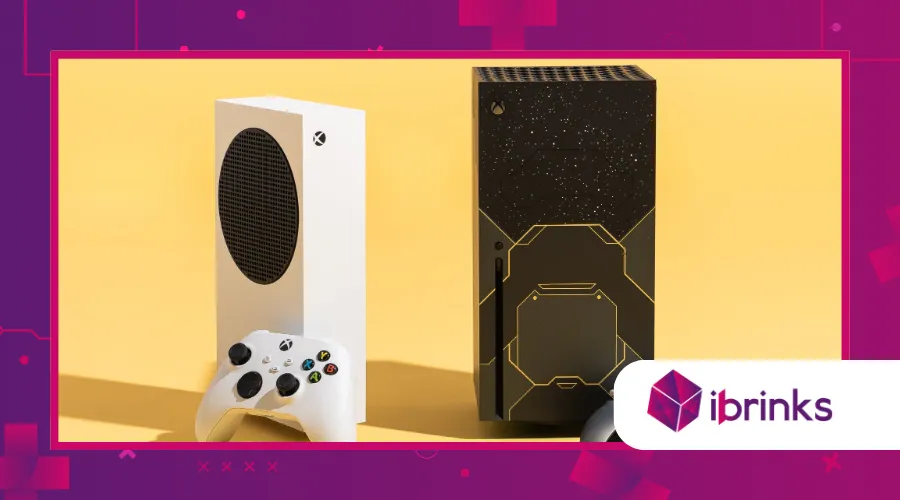
The gaming industry stands on the cusp of a transformative era, with upcoming consoles poised to redefine how we play, connect, and experience interactive entertainment.
As technology accelerates, the next generation of video game systems promises not just incremental upgrades but a bold leap into uncharted territory.
From enhanced processing power to innovative input methods, these machines aim to blur the lines between virtual and real, delivering experiences that captivate both casual players and hardcore enthusiasts.
But what exactly should gamers anticipate from this new wave of hardware?
Let’s dive into the trends, technologies, and possibilities shaping the future of gaming.
Anúncios
The Evolution of Hardware: Power Meets Efficiency
Next-generation consoles are gearing up to deliver unprecedented performance, driven by cutting-edge silicon and architectural advancements.
Unlike past generations, where raw power often trumped efficiency, upcoming consoles are expected to balance high fidelity with sustainability.
For instance, leaks suggest Sony’s PlayStation 6, slated for a potential 2027-2028 release, may utilize a 3nm system-on-chip (SoC) designed for energy efficiency, offering performance rivaling high-end PCs while consuming less power.
This shift reflects a broader industry trend: creating consoles that deliver stunning visuals without the environmental cost of excessive energy use.
Consider the analogy of a sports car.
Older consoles were like gas-guzzling muscle cars—powerful but inefficient.
The next generation, however, resembles a sleek electric supercar, combining blistering speed with eco-conscious design.
This balance is critical as gamers demand 8K resolutions, ray-traced lighting, and 120 FPS gameplay without skyrocketing electricity bills.
Moreover, solid-state drives (SSDs) will continue to evolve, with faster read/write speeds reducing load times to near-instantaneous levels, ensuring seamless transitions between game worlds.
| Feature | Current Gen (PS5/Xbox Series X) | Next Gen Expectation |
|---|---|---|
| Processor | 7nm Zen 2 CPU, RDNA 2 GPU | 3nm SoC, advanced AI integration |
| Storage | 825GB-1TB SSD | 2TB+ SSD, faster throughput |
| Resolution/FPS | 4K/60 FPS, some 120 FPS | 8K/60 FPS, 120 FPS standard |
+ GameCube: The Full History of Nintendo’s Most Underrated Console
Redefining Immersion: Beyond the Screen
Immersion lies at the heart of gaming, and upcoming consoles are set to push sensory boundaries in ways we’ve only dreamed of.
Haptic feedback, introduced with devices like the PS5’s DualSense controller, will evolve into more nuanced systems.
Imagine a controller that not only vibrates but simulates textures—like the grit of sand or the chill of frost—enhancing the tactile connection to virtual worlds.
Companies are also exploring brain-computer interfaces (BCIs), though still in early stages, to translate player intent directly into gameplay, bypassing traditional inputs.
Take Aether’s Call, a hypothetical open-world RPG on a next-gen console.
As you traverse a frozen tundra, your controller mimics the crunch of snow underfoot, while adaptive triggers resist your grip to simulate drawing a bowstring.
Such innovations make environments feel alive, pulling players deeper into the narrative.
Additionally, augmented reality (AR) integration could overlay game elements onto the real world, transforming your living room into a battlefield or a puzzle-solving arena.
Why settle for a screen when the game can surround you?
Moreover, advancements in audio technology will complement these immersive experiences.
Spatial audio systems that adapt to player movement will create a soundscape that enhances realism, making players feel as though they are truly in the game world.
Imagine hearing footsteps approaching from behind or the rustle of leaves as an enemy sneaks up on you, adding layers of tension and excitement to gameplay.
The Rise of Portable Powerhouses
Portability is reshaping gaming, and upcoming consoles are embracing this trend with gusto.
Leaks from industry insiders, such as KeplerL2, indicate Sony is developing a portable PlayStation 6 variant, potentially launching after the main console in 2027-2028.
This device, less powerful than the PS5 but optimized for mobility, aims to compete with handhelds like the Steam Deck.
Microsoft, too, is rumored to be exploring a cloud-based portable Xbox, leveraging Azure to stream high-end games to a lightweight device.
This shift caters to a growing demographic: gamers who crave flexibility.
A 2024 Statista survey found that 68% of gamers play on multiple devices, including mobiles and handhelds, highlighting the demand for on-the-go experiences.
Picture Starforge, a sci-fi shooter exclusive to a portable Xbox.
You’re on a train, blasting aliens on a crisp OLED screen, with cloud saves syncing seamlessly to your home console.
This convergence of power and portability ensures gaming fits into modern, fast-paced lifestyles.
As technology evolves, we may see devices that seamlessly switch between handheld and console modes, offering the best of both worlds.
Imagine docking your portable console at home to play on a big screen, then detaching it to continue your adventure on the go.
This flexibility will redefine how and where we play, making gaming more accessible than ever.

| Console | Rumored Release | Key Features |
|---|---|---|
| Portable PS6 | 2028 | 3nm SoC, 1080p OLED, 15W power draw |
| Xbox Portable | 2027-2029 | Cloud streaming, 5G integration, lightweight |
AI and Procedural Worlds: Infinite Playgrounds
Artificial intelligence is no longer a buzzword—it’s a game-changer for upcoming consoles.
Next-gen systems will harness AI to craft dynamic, ever-evolving game worlds.
Procedural generation, powered by machine learning, can create vast landscapes with unique ecosystems, quests, and NPCs that adapt to player choices.
This technology promises replayability on an unprecedented scale, as no two playthroughs are identical.
For example, NVIDIA’s DLSS 3.5, which enhances frame rates and visual fidelity through AI upscaling, is expected to be standard in next-gen consoles, ensuring smooth performance even in graphically intensive titles.
Beyond graphics, AI-driven NPCs could simulate human-like behavior, making dialogue and interactions feel organic.
Imagine negotiating with a merchant in a fantasy RPG, where the NPC remembers your past deals and adjusts prices based on your reputation.
Such depth transforms games into living, breathing worlds.
Furthermore, AI can analyze player behavior to tailor challenges and experiences, making each session feel unique.
This adaptability could lead to personalized gaming experiences, where the game learns your preferences and adjusts accordingly, enhancing engagement and enjoyment.
++ Nintendo Switch 2: New Design, Hardware, and Expected Games
Connectivity and Community: The Social Frontier
Gaming is inherently social, and upcoming consoles will amplify this aspect through robust connectivity features.
5G integration and low-latency cloud gaming will enable seamless multiplayer experiences, even on portable devices.
Platforms like Discord are already being integrated into current-gen consoles, but the next wave will embed social ecosystems directly into the hardware, allowing players to stream, chat, and collaborate without third-party apps.
Cross-platform play will also mature, breaking down barriers between consoles, PCs, and mobiles.
This inclusivity fosters larger, more vibrant communities, as friends can play together regardless of their device.
Additionally, user-generated content tools, like those seen in Dreams or Roblox, will empower players to create and share their own games, turning consoles into creative hubs.
Isn’t it thrilling to think your next favorite game could be designed by a fellow player?
Moreover, the rise of social features may lead to gaming events that blend virtual and physical interactions, such as tournaments or community meetups, enhancing the sense of belonging among players.
As gaming evolves into a more connected experience, friendships forged online could translate into real-world connections, enriching the gaming community.

The Role of Subscriptions and Ecosystems
The business of gaming is evolving, with subscriptions becoming central to console ecosystems.
Services like Xbox Game Pass and PlayStation Plus are likely to expand, offering day-one access to first-party titles and exclusive perks.
Upcoming consoles may double down on this model, bundling hardware with multi-year subscriptions to create a Netflix-like experience for gaming.
This approach lowers the upfront cost barrier, making high-end gaming more accessible.
However, this shift raises questions about ownership.
As games move to digital-only formats, particularly on disc-less consoles like the PS5 Digital Edition, players may lose the ability to resell or trade physical copies.
Developers, in turn, must balance monetization with player satisfaction, ensuring subscriptions deliver value without nickel-and-diming users through microtransactions.
For more insights on gaming subscriptions, check out GamesIndustry.biz.
Challenges and Ethical Considerations
While the future of upcoming consoles is bright, challenges loom.
Supply chain issues, which plagued the PS5 and Xbox Series X launches, could delay next-gen rollouts, especially with complex 3nm chip production.
Ethical concerns also arise, particularly around data privacy in AI-driven games and the environmental impact of manufacturing.
Console makers must prioritize sustainable practices, such as recyclable materials and carbon-neutral production, to align with consumer values.
Moreover, the accessibility of gaming remains a hurdle.
High-end consoles often carry premium price tags, potentially alienating lower-income players.
Initiatives like cloud gaming and affordable handhelds aim to bridge this gap, but broader efforts are needed to ensure gaming remains inclusive.
As the industry evolves, ongoing dialogue about these challenges will be crucial to shaping a future that benefits all gamers.
The Cultural Impact: Gaming as Art and Connection
Beyond technology, upcoming consoles will solidify gaming’s place as a cultural force.
Next-gen titles will tackle complex narratives, exploring themes like identity, climate change, and human connection.
Indies, empowered by accessible development tools, will rival AAA studios in creativity, delivering experiences that resonate emotionally.
Consoles will also serve as hubs for virtual concerts, art galleries, and social spaces, blurring the lines between gaming and other entertainment forms.
Reflecting on this, gaming’s evolution mirrors the growth of cinema—from silent films to immersive IMAX spectacles.
Just as movies became a universal language, gaming is becoming a global canvas for storytelling and connection.
The next generation of consoles will amplify this, inviting players to not just play but to feel, create, and belong.
As gaming continues to evolve, we may witness a blending of artistic expression and interactive experiences, enriching the cultural landscape.
Conclusion: A New Dawn for Gaming
The horizon of gaming is ablaze with possibility, as upcoming consoles prepare to usher in an era of unparalleled innovation.
From AI-crafted worlds to portable powerhouses, these systems will redefine what it means to play.
Yet, their success hinges on balancing cutting-edge tech with accessibility, sustainability, and community.
As we await their arrival, one question lingers: What stories will you tell, and what worlds will you explore, in this next chapter of gaming?
The future is yours to shape.
With each advancement, we move closer to a gaming experience that transcends mere entertainment, fostering connections and inspiring creativity across the globe.
