
How Retro Gaming Influencers Are Shaping Modern Collecting
廣告
Retro gaming influencers are fundamentally reshaping how video game enthusiasts source, preserve, and trade legendary legacy hardware across the global market.
Today, online content creators have transformed niche garage hobbies into a dynamic multibillion-dollar preservation industry through viral gameplay broadcasts and restorative tech tutorials.
Collectors no longer rely solely on localized flea markets or obscure auction boards, as digital opinion leaders set valuation benchmarks in real time.
What drove this sudden structural shift in physical media preservation? How do streaming showcases inflate vintage software demand overnight?
In this comprehensive journalistic investigation, we dissect the financial, cultural, and technological mechanisms driving modern collecting practices.
廣告
Key Highlights of This Investigation
- 市場動態: How viral unboxing streams accelerate immediate scarcity and inflate valuations.
- Preservation Tech: The transition from CRT displays to digital upscallers and FPGA hardware restoration.
- Community Culture: How audience consensus replaces traditional price guides across global marketplaces.
- Collector Data Matrix: A comparative structured overview of influencer-driven market impacts.
- Strategic Outlook: Navigating future market volatility and authentic physical media curation.
What Drives the Rise of Digital Content Creators in Video Game Preservation?
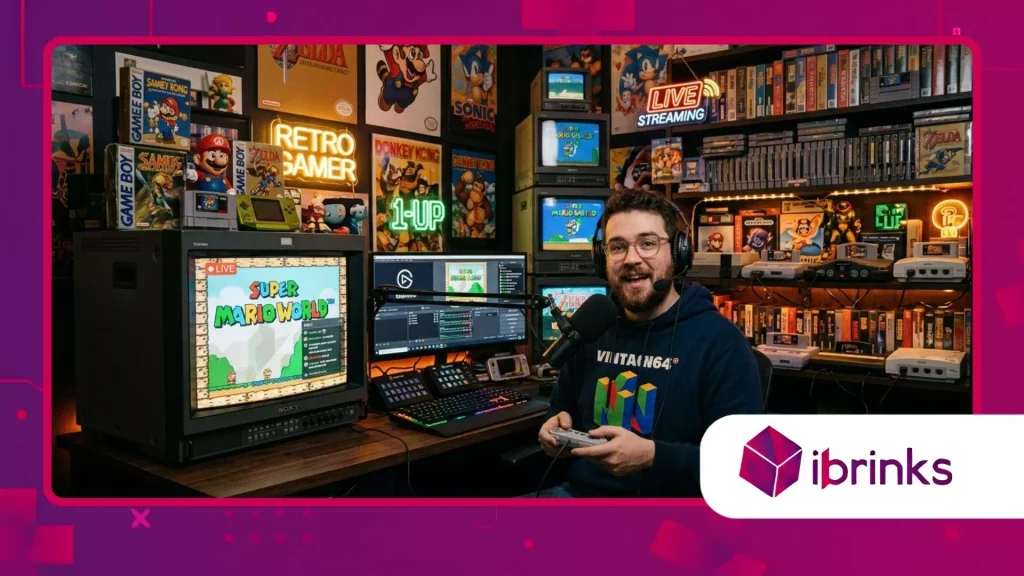
How Do Viral Unboxing Streams Transform Obscure Titles into High-Value Assets?
Content creation ecosystems now act as real-time pricing catalysts across digital marketplaces like eBay and specialized auction houses.
When prominent creators feature forgotten titles during live broadcasts, immediate search volume surges force market inventories to deplete within mere hours.
Strategic content showcasing directly converts passive viewer nostalgia into active competitive bidding across global auction networks.
Consequently, regional price discrepancies vanish rapidly as digital market transparency exposes global supply constraints.
Consider the dramatic price trajectory of obscure physical media like Rule of Rose 或者 Haunting Ground following widespread streaming coverage.
Retro gaming influencers routinely spark speculative buying sprees by highlighting rare physical variations and obscure regional regionalities to millions of viewers.
This immediate demand shift demonstrates how digital editorial content dictates physical media valuation far more effectively than static historical pricing guides.
Authentic passion combined with high production values transforms niche software titles into prime collectible commodities.
Why Are Younger Generations Investing in Physical Media They Never Experienced Firsthand?
Digital ownership anxieties have driven younger audiences to seek tangible physical media connection in an era dominated by ephemeral server licensing.
Gamers who grew up with digital downloads now value permanent physical cartridges and tactile instruction manuals as authentic historical artifacts.
Online creators bridge this generational gap by contextualizing classic titles through entertaining retrospective documentary videos.
Watching dedicated enthusiasts analyze pixel art, sound design, and chip architecture instills profound cultural appreciation in younger viewers.
Is physical ownership becoming the ultimate statement of gaming passion among digital natives?
Modern digital storefront closures continuously remind collectors that digital access remains fragile and subject to corporate license terminations.
By broadcasting the tangible joy of physical collecting, retro gaming influencers inspire a new demographic to build personal physical libraries.
This cross-generational movement transforms forgotten legacy software into prized domestic display pieces and secure long-term personal assets.
How Are Technical Reviews Changing Hardware Valuation Standard Practices?
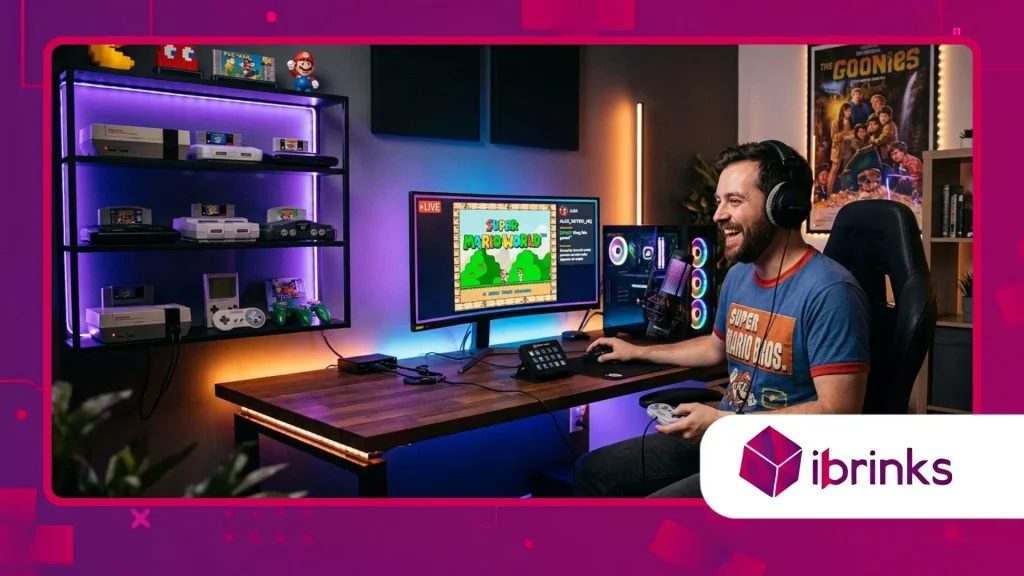
What Role Do Modern Upscalers and Optical Drive Emulators Play in Market Trends?
Legacy hardware collecting expanded dramatically as modern display technology rendered native analog video signals functionally obsolete on modern televisions.
Specialist video creators educated the community on sophisticated upscaling devices like the Retrotink 5X and OSSC.
These detailed hardware demonstrations proved that vintage consoles could deliver pristine digital visual output without input latency.
Consequently, consumer demand shifted toward pristine hardware capable of supporting advanced video modifications and RGB signal extraction.
Furthermore, content creators accelerated the mainstream adoption of Optical Drive Emulators (ODEs) like the xStation and Fenrir.
Retro gaming influencers thoroughly documented how solid-state storage solutions preserve original hardware while bypassing fragile mechanical optical lasers.
By demystifying intricate solderless installation procedures through step-by-step video tutorials, influencers empowered average collectors to revitalize aging consoles.
This technological bridge ensures classic hardware remains fully operational, driving elevated valuation for pristine console chassis worldwide.
另請閱讀: 為什麼地區性遊戲雜誌塑造了當地的玩家社區
Why Has the Demand for Authentic Cathode-Ray Tube Displays Skyrocketed Recently?
The rapid resurgence of Cathode-Ray Tube (CRT) monitor collecting highlights the profound instructional power of online video coverage.
High-definition video comparisons conclusively demonstrated that period-accurate light-gun peripherals and motion clarity require native analog display hardware.
Enthusiasts quickly learned that original developer pixel art was explicitly designed to leverage CRT phosphors and natural shadow masks.
As a result, professional broadcast video monitors (PVMs) transitioned from discarded medical gear into premium luxury items.
This dramatic shift highlights how technical retro content transforms discarded industrial waste into highly sought-after display technology.
Influencer tutorials teaching viewers how to calibrate internal deflection yokes and perform capacitor replacements sparked a thriving restoration economy.
Local classified listings that once offered heavy CRT televisions for free now command premium prices from dedicated enthusiasts.
Through detailed educational video essays, retro gaming influencers successfully saved thousands of analog monitors from municipal landfills.
Why Is Community Consensus Replacing Traditional Collector Price Guides?
How Do Live Broadcasts Establish Authentic Market Values in Real Time?
Historical collecting relied heavily on printed price guides that suffered from significant publishing delays and regional biases.
Today, interactive streaming platforms allow collectors to observe real-time public auction dynamics and open bidding wars live on screen.
Viewers witness market sentiment form organically as community chat rooms evaluate item condition, completeness, and rarity collectively.
This transparent valuation process prevents isolated market manipulation while establishing clear, globally recognized price floors.
Like a high-stakes financial trading floor, live streams showcase instant price discovery across various legacy gaming platforms.
When an influencer conducts a live community haul review, market pricing adjusts instantly across linked digital storefronts.
Buyers gain immediate insight into current market liquidity, packaging variants, and authentic wear patterns through high-definition camera displays.
Consequently, community-driven price transparency protects novice collectors from overpaying while highlighting genuine market scarcity across regions.
閱讀更多: 分析復古重製版的興起:行銷與懷舊
Can Social Media Preservation Campaigns Save Endangered Gaming Software History?
Beyond simple market valuation, online creators regularly leverage their massive platforms to fund and organize software preservation initiatives.
Independent archivists frequently collaborate with prominent channels to locate, purchase, and dump unreleased prototype cartridges and regional localization builds.
These coordinated public campaigns raise thousands of dollars to acquire rare developer disc builds before magnetic decay ruins the data permanently.
Software preservation transformed from an underground technical subculture into an organized, publicly supported global movement.
According to a seminal 2023 study published by the 電玩歷史基金會, a staggering 87% of classic video games released in the United States remain critically endangered and out of print.
This alarming statistic galvanized online creators to aggressively advocate for legal institutional archiving and public access reforms.
By highlighting the fragile nature of physical media preservation, creators inspire their audiences to support historical data archival.
Through collective crowdfunding, retro gaming influencers actively safeguard digital interactive history for future academic research and enjoyment.
Collector Market Evolution Matrix
| Market Vector | Traditional Era (Pre-2015) | Influencer-Driven Era (2026) | Primary Market Impact |
|---|---|---|---|
| Price Discovery | Static printed guides and local market consensus | Real-time digital tracking and live stream auctions | Rapid price adjustments and unified global pricing |
| Hardware Standards | Composite video on consumer CRT screens | FPGA systems, HDMI upscallers, and ODE storage | Elevated demand for pristine modification-ready gear |
| Preservation Focus | Private individual collections and hoarding | Public digital archiving and open-source dumps | Accelerated software rescue and wide historical access |
| Demographic Reach | Older original players seeking childhood nostalgia | Multi-generational digital natives and tech enthusiasts | Sustained long-term market expansion and demand |
Navigating the Future of Physical Media Curation
The irreversible shift from physical media distribution to cloud-based subscription models guarantees that physical software will remain highly coveted.
Content creators continue to serve as vital cultural curators, educating new generations on interactive media history, hardware restoration, and fair market practices.
While speculative market bubbles present clear financial risks for novice buyers, creator-led education fosters an informed, passionate, and technically capable collector community.
Ultimately, dedicated online influencers ensure that classic video games remain vibrant, playable, and deeply respected cultural art forms forever.
Are you actively building a personal physical game library, or do you rely entirely on modern digital re-releases? Share your personal collecting journey, favorite legacy finds, and preservation thoughts in the comments section below!
常見問題解答
How do online creators impact the market value of rare video games?
Online creators significantly influence video game market values by bringing sudden public attention to obscure or forgotten software titles.
When a high-profile creator publishes a dedicated review or retrospective, viewer demand spikes instantly across digital marketplaces like eBay.
This sudden influx of buyers rapidly depletes available inventory, leading to immediate price increases based on supply and demand dynamics.
Additionally, detailed creator coverage helps establish clear condition standards, helping buyers identify authentic physical releases versus reproduction counterfeits.
What is the most effective way to protect legacy console hardware today?
Protecting legacy console hardware requires routine preventive maintenance, clean power delivery, and proper storage environments.
Enthusiasts should regularly clean edge connectors with high-purity isopropyl alcohol and replace aging electrolytic capacitors before they leak and damage circuit boards.
Utilizing modern solid-state storage devices, such as Optical Drive Emulators, reduces mechanical strain on original laser assemblies.
Furthermore, housing vintage hardware in temperature-controlled environments away from direct sunlight prevents plastic degradation and yellowing over time.
Why are CRT televisions preferred over modern flat screens for retro gaming?
Cathode-Ray Tube displays offer instantaneous response times, zero input latency, and superior motion clarity compared to modern flat panel displays.
Vintage console graphics were explicitly designed to utilize CRT scanlines and phosphor glow to naturally smooth out low-resolution pixel artwork.
Furthermore, legacy light-gun controllers rely entirely on the precise timing of CRT electron beams to register accurate hits on screen.
Without specialized external video upscalers, modern displays introduce noticeable input lag and harsh visual distortion when processing analog signals.
How can new collectors avoid buying counterfeit video game cartridges?
Novice collectors can protect themselves from counterfeit cartridges by inspecting label printing quality, board geometry, and microchip etchings closely.
Authentic cartridges feature crisp, high-resolution label printing with official manufacturer stampings embedded directly into the back plastic casing.
Opening the cartridge casing with specialized security bits allows collectors to verify genuine integrated circuits, proprietary board layouts, and official brand logos.
Utilizing online database references and creator inspection guides provides reliable verification standards before making high-value physical media purchases.
Will digital preservation replace the need for physical game collecting?
Digital preservation and physical game collecting serve complementary roles within the broader video game archival ecosystem today.
ROM archives and emulation projects ensure universal public access to software code, protecting digital interactive history against physical decay and disk rot.
However, physical game collecting preserves the tangible tactile experience, original packaging artwork, historical documentation, and native hardware performance.
While digital preservation provides essential educational access, physical collecting remains the gold standard for preserving complete video gaming heritage.
