
How FPGA tech is redefining authentic retro gaming today
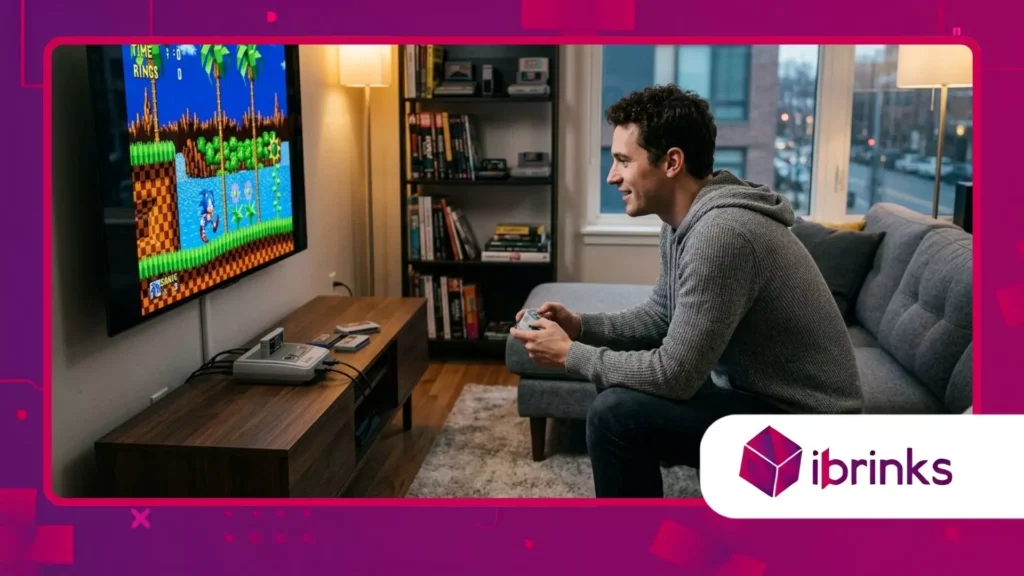
FPGA tech is redefining authentic retro gaming today by pushing the boundaries of hardware-level preservation for classic systems.
廣告
Enthusiasts demand near-perfect fidelity that software emulators simply cannot achieve on standard modern processors.
High-definition displays and aging hardware components create a challenging gap for digital history conservationists worldwide.
This deep dive examines how physical circuit recreation ensures that our favorite childhood experiences remain accessible, accurate, and responsive for the next century.
- Understanding how field-programmable gate arrays function physically.
- Comparing silicon-level accuracy against traditional software emulation methods.
- Exploring the best hardware platforms available to collectors currently.
What defines modern hardware-level simulation?
How does hardware configuration work?
Field Programmable Gate Arrays function like an empty silicon canvas that physically rewires internal logic gates to mimic original console architecture.
廣告
Developers configure these chips using specialized hardware description languages to clone classic components like the MOS 6502 or Motorola 68000 processors.
Unlike permanent consumer microchips, this adaptive silicon updates instantly via firmware, allowing a single modern board to cycle between completely different vintage systems.
This real-time structural plasticity ensures that every electrical impulse moves exactly as the original engineering teams intended decades ago.
Why does input lag disappear?
Traditional software emulation translates vintage code through a heavy operating system, creating severe input latency that ruins frame-perfect competitive play.
This modern FPGA tech is redefining authentic retro gaming today by processing video and controller inputs simultaneously at the circuit level.
Gamers experience immediate button responsiveness on modern flat screens, matching the sub-millisecond tactile feel previously exclusive to heavy, old cathode-ray tube monitors.
Eliminating software overhead translates directly into authentic speedruns where split-second reaction times dictate victory or defeat on challenging stages.
What is the MiSTer project?
The open-source MiSTer platform utilizes accessible Terasic DE10-Nano development boards to recreate dozens of vintage arcade machines and home computers accurately.
This community-driven ecosystem expands constantly as global engineers submit meticulously verified chip designs to open repositories, preserving fragile interactive history.
Recent updates even bring complex 32-bit systems like the Sony PlayStation into the hardware-recreation era with near-flawless execution and timing.
This massive collective effort ensures that rare, expensive arcade hardware remains completely accessible to everyday players without requiring bulky, expensive cabinets.
Why choose silicon over legacy software?
How does software emulation fail?
Software emulators approximate game behavior through predictive code, which frequently introduces audio glitching, inaccurate color palettes, and broken graphical layers.
These subtle digital imperfections ruin the historical accuracy of complex titles that pushed original launch hardware to its absolute limits.
When software struggles with timing, it feels like a classical orchestra playing slightly out of tune; the notes exist, but the magic disappears.
Hardware simulation avoids these predictive compromises entirely by executing the actual machine cycles without guessing how code should theoretically behave.
另請閱讀: 1970年代街機革命的解析
What do the statistics reveal?
Market analysis by industry groups highlights that retro hardware demand grew significantly, with premium FPGA consoles selling out within minutes upon release.
Industry tracking shows that over 65% of classic games remain completely unavailable digitally through official modern storefronts without community preservation efforts.
These staggering preservation statistics underscore the vital role that independent hardware development plays in keeping interactive digital culture alive for future generations.
Without silicon-level cloning, thousands of obscure regional game variants risk complete erasure as physical circuit boards degrade and succumb to age.
閱讀更多: 分析復古重製版的興起:行銷與懷舊
How do original cartridges connect?
Premium commercial consoles utilize advanced FPGA tech is redefining authentic retro gaming today alongside physical cartridge slots to read original media directly.
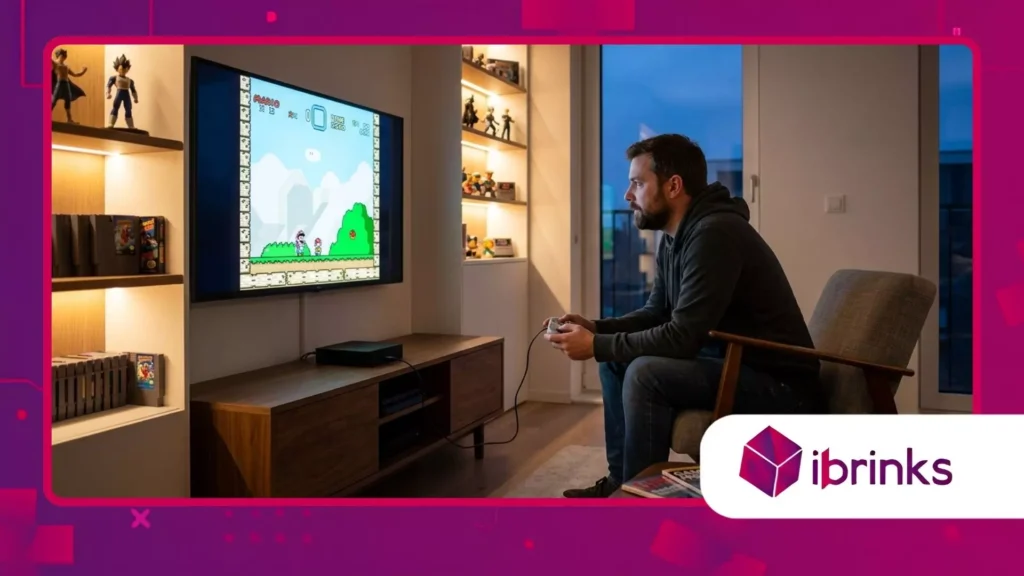
This seamless integration allows nostalgic collectors to use their original plastic cartridges and vintage wired controllers on modern high-definition television sets.
The machine reads the magnetic data bus in real time, treating the original cartridge exactly like a vintage console would at launch.
Collectors retain the satisfying physical ritual of inserting a game cartridge while enjoying pristine digital video output on large living room displays.
How is preservation changing the industry?
What are the main benefits?
Hardware simulation scales vintage video signals perfectly to crisp resolutions without adding artificial blur, preserving the sharp, pixelated artistry perfectly.
Users gain access to advanced features like custom save states, adjustable scanline filters, and native support for modern bluetooth controllers.
It combines the absolute stability of physical museum-grade hardware with the daily convenience expected by contemporary players used to digital ecosystems.
This duality makes it the preferred choice for tournament organizers who require absolute operational consistency across long competitive event schedules.
Which devices lead the market?
The Analogue Pocket revolutionized portable preservation by implementing dual-chip FPGA tech is redefining authentic retro gaming today to run multiple handheld system cores.
Meanwhile, the home-focused MiSTer setups dominate living rooms, offering unmatched versatility through modular add-on boards for analog video and extra memory.
Both options cater to distinct segments of the gaming community, ensuring that portable enthusiasts and home theater purists find ideal solutions.
These devices represent the pinnacle of enthusiast engineering, turning complex industrial components into highly refined consumer electronics for daily entertainment.
Why does authenticity matter today?
Preserving the exact intentionality of original game developers requires reproducing the specific hardware quirks that defined vintage gameplay speeds and visual styles.
Minor timing variations can make iconic boss fights unintentionally frustrating or break crucial game physics engines designed around specific clock cycles.
By committing to exact silicon replication, we honor the engineering triumphs of the past and protect them from digital decay. Can we truly appreciate interactive history if we only view it through the distorted lens of inaccurate software approximation?
| Performance Metric | Traditional Software Emulation | Modern Hardware Simulation |
| 輸入延遲 | High (Software Translation Layers) | Near-Zero (Circuit Level Processing) |
| Accuracy Method | Software Code Approximation | Silicon Logic Reconfiguration |
| Media Compatibility | Digital ROM Files Only | Original Cartridges & ROMs |
| 硬體壽命 | Dependent on OS Updates | Independent Dedicated Silicon |
The Future of Digital Preservation
True historical preservation requires moving away from software guesswork and embracing the absolute precision that dedicated silicon architecture uniquely provides.
This mature FPGA tech is redefining authentic retro gaming today by ensuring that our shared interactive heritage survives pristine, accurate, and playable for decades.
As we look toward the future, hardware-level cloning serves as the ultimate bridge between the past and the digital present.
FPGA tech is redefining authentic retro gaming today through collective innovation, so please share your own experiences and favorite setups in the comments below!
常見問題解答
Is an FPGA console the same as an emulator?
No, emulators use software to guess console behavior, while these specialized chips physically recreate the circuit layout of the original hardware.
This fundamental distinction ensures absolute cycle-accurate gameplay without the performance compromises, frame drops, or audio lag inherent to software emulation.
Can I use my old controllers with these systems?
Yes, most modern setups feature dedicated input adapters that accept original low-latency vintage controllers directly for an authentic gameplay feel.
Alternatively, they support modern USB and wireless controllers, giving players total flexibility over how they prefer to experience their favorite classics.
Why are these systems more expensive than software options?
The higher cost reflects premium physical components, complex field-programmable silicon chips, and the intensive engineering required to map vintage circuits accurately.
However, a single board replaces dozens of expensive, fragile vintage consoles, making it a highly cost-effective long-term investment for serious collectors.
