
The Social Impact of Multiplayer Gaming
Anúncios
Online gaming has transformed from a solo hobby into a vibrant social experience. As virtual communities grow, they’re reshaping how we connect and interact. Gamers now forge digital relationships across the globe, breaking down barriers and creating new forms of social connections.
These virtual worlds offer more than just entertainment. They’ve become platforms for teamwork, friendship, and personal growth. Players learn to work together, solve problems, and even develop leadership skills. The impact of these online spaces reaches far beyond the game screen, influencing real-world social skills and interactions.
As multiplayer gaming continues to evolve, it’s clear that its social impact is profound and far-reaching. From casual mobile games to complex MMORPGs, these digital playgrounds are shaping a new era of human connection and collaboration.
Key Takeaways
- Online gaming fosters global social connections
- Virtual communities promote teamwork and collaboration
- Digital relationships can lead to real-world friendships
- Multiplayer games enhance problem-solving skills
- Gaming experiences influence social interactions beyond the screen
- Online platforms offer opportunities for leadership development
The Evolution of Online Gaming Communities
Online gaming has come a long way since its humble beginnings. The journey from text-based adventures to immersive virtual worlds spans decades of gaming history. This evolution has shaped how players interact and form communities in digital spaces.
From Text-Based MUDs to Modern Virtual Worlds
MUDs, or Multi-User Dungeons, were the first multiplayer online games. These text-based environments allowed players to explore, fight monsters, and interact with each other through typed commands. As technology advanced, graphics improved, leading to the creation of visually rich virtual worlds we see today.
Anúncios
The Rise of Massive Multiplayer Online Games
MMOs took the gaming world by storm in the late 1990s and early 2000s. Games like World of Warcraft attracted millions of players, creating vast online communities. These games offered persistent worlds where players could build characters, form guilds, and embark on epic quests together.
The Birth of Esports Communities
Competitive gaming gave rise to esports, turning video games into spectator sports. Games like League of Legends and Counter-Strike: Global Offensive have built massive followings, with professional players, tournaments, and dedicated fan bases. Esports has become a billion-dollar industry, bringing together players and spectators from around the globe.
| Era | Game Type | Key Features | Community Impact |
|---|---|---|---|
| 1970s-1980s | MUDs | Text-based, multiplayer | Early online interaction |
| 1990s-2000s | MMOs | Graphical, persistent worlds | Large-scale social gaming |
| 2010s-Present | Esports | Competitive, spectator-friendly | Global competitions, fan cultures |
Community and Multiplayer: Building Digital Relationships
Gaming brings people together across the globe, creating unique opportunities for cultural exchange and teamwork. The digital world of multiplayer games fosters connections that transcend borders and time zones.
Cross-Cultural Connections Through Gaming
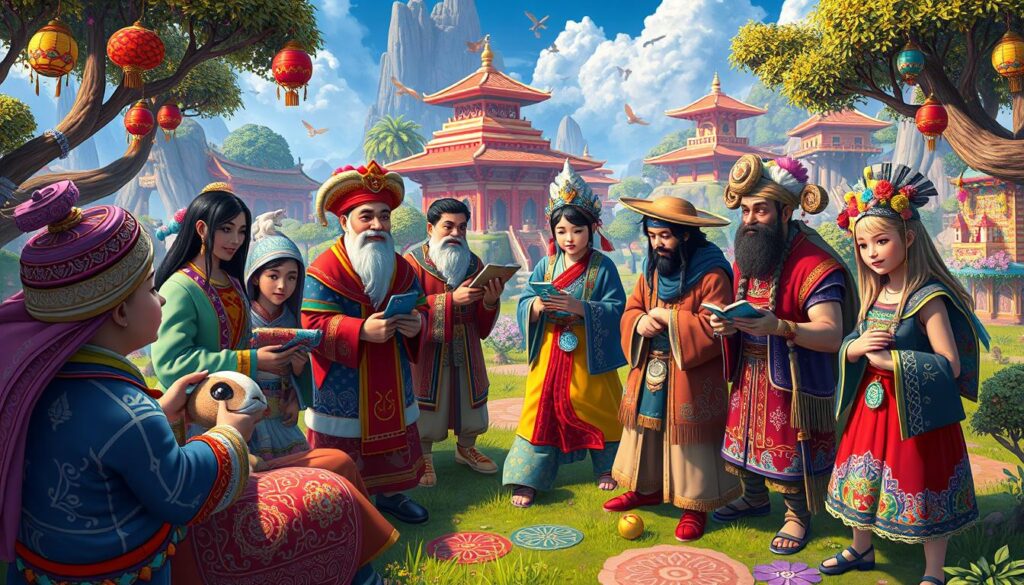
Online games serve as virtual melting pots, where players from diverse backgrounds interact. This cultural exchange enriches gaming experiences and broadens perspectives. Players learn about different customs, languages, and ways of life while working towards common goals in game worlds.
Forming Long-lasting Friendships Online
Many gamers forge strong online friendships that endure beyond the game. Shared adventures and challenges create bonds that often evolve into real-world connections. These digital bonds can be just as meaningful as traditional friendships, providing support, laughter, and companionship.
Virtual Team Building and Collaboration
Multiplayer games excel at promoting teamwork. Players must coordinate strategies, communicate effectively, and support each other to succeed. These skills transfer to real-life situations, making gaming an unexpected tool for developing collaboration abilities.
| Skill | Game Example | Real-World Application |
|---|---|---|
| Communication | Overwatch | Project management |
| Leadership | World of Warcraft | Team supervision |
| Problem-solving | Portal 2 | Engineering challenges |
The digital relationships formed through gaming often translate into valuable real-world connections and skills. As online gaming communities continue to grow, they play an increasingly important role in shaping social interactions and cultural understanding on a global scale.
The Psychological Effects of Social Gaming
Social gaming has become a significant part of our digital lives, shaping our mental health and cognitive abilities. The gaming psychology behind multiplayer experiences offers both benefits and challenges for players.
One positive aspect of social gaming is stress relief. Players often report feeling more relaxed after engaging in cooperative gameplay. This stress reduction can lead to improved mood and overall well-being.
Social interaction in gaming environments also contributes to cognitive benefits. Players develop problem-solving skills as they work together to overcome in-game challenges. These skills can translate to real-life situations, enhancing critical thinking abilities.
“Gaming fosters social connections and cognitive growth, but balance is key to maintaining mental health.”
While social gaming offers many advantages, it’s important to consider potential drawbacks. Some players may develop addictive behaviors, spending excessive time gaming at the expense of other activities. This can negatively impact mental health and social relationships outside the gaming world.
To maximize the positive effects of social gaming, players should:
- Set time limits for gaming sessions
- Balance online and offline social interactions
- Choose games that promote teamwork and communication
- Take regular breaks to avoid eye strain and fatigue
By approaching social gaming mindfully, players can reap the cognitive benefits while maintaining a healthy balance in their lives. The key lies in moderation and using gaming as a tool for social connection rather than a replacement for real-world interactions.
Digital Literacy and Social Skills Development
Gaming worlds offer unique spaces for building digital literacy and social skills. Players learn to navigate virtual environments, communicate effectively, and solve problems together. These skills often translate to real-world situations, making gaming a powerful tool for personal growth.
Communication Skills in Virtual Environments
Online communication in games helps players develop clarity and conciseness. Gamers learn to convey information quickly and effectively, a crucial skill in today’s fast-paced digital world. Studies suggest that emotionally sensitive individuals may find it easier to form friendships through online gaming, overcoming traditional social barriers.
Problem-Solving Through Cooperative Play
Multiplayer games often require teamwork to overcome challenges. This fosters problem-solving skills as players work together to develop strategies and overcome obstacles. The collaborative nature of these games enhances social skills and teaches valuable lessons in cooperation.
Leadership Development in Gaming Communities
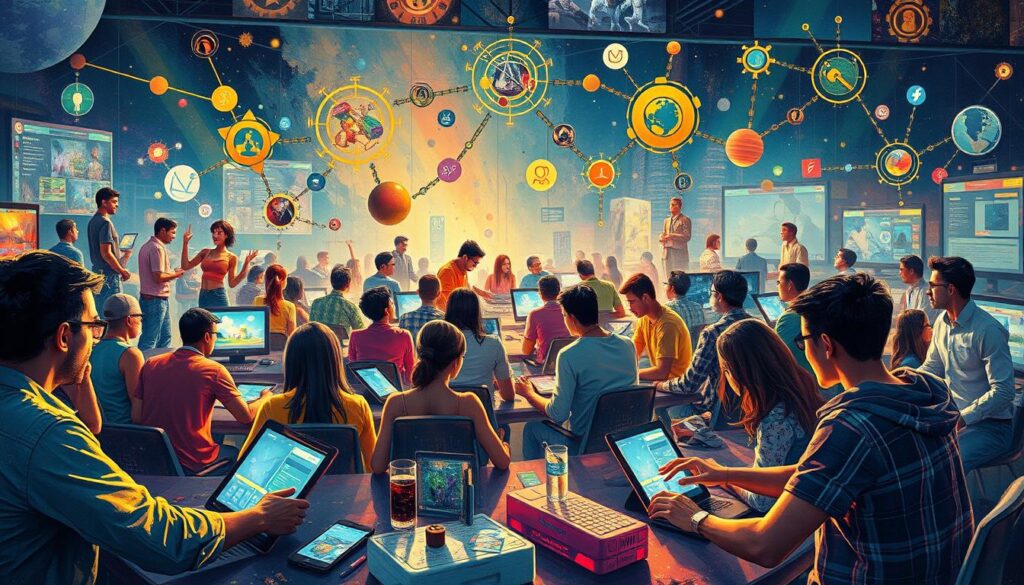
Gaming communities provide opportunities for leadership development. Players can take on roles such as guild leaders or team captains, learning to motivate, organize, and guide others. These experiences can build confidence and leadership skills that extend beyond the game world.
| Skill | In-Game Application | Real-World Benefit |
|---|---|---|
| Digital Literacy | Navigating virtual interfaces | Proficiency with digital tools |
| Social Skills | Interacting with diverse players | Improved interpersonal relationships |
| Online Communication | Coordinating strategies in-game | Effective remote collaboration |
| Leadership | Managing guilds or teams | Real-world leadership qualities |
The Impact of Gaming on Real-World Social Interactions
Gaming has transformed how people connect in the real world. Shared virtual experiences often lead to stronger offline relationships. This trend is evident in the growing popularity of gaming conventions and LAN parties.
Gaming conventions bring together thousands of players. These events create opportunities for face-to-face interactions. Fans discuss their favorite games, compete in tournaments, and form new friendships. The shared passion for gaming acts as a catalyst for social integration.
LAN parties offer a more intimate setting for gamers to connect. Friends gather in one location, linking their computers to play together. These events blend the digital and physical worlds, strengthening existing bonds and creating new ones.
“Gaming conventions and LAN parties have become crucial for fostering real-world connections in the gaming community.”
The impact of gaming on social interactions extends beyond organized events. Gamers often form online friendships that evolve into offline relationships. They meet up for coffee, attend local gaming meetups, or even travel together.
| Social Interaction | Impact of Gaming |
|---|---|
| Meeting new people | Increased opportunities through gaming events |
| Strengthening friendships | Shared gaming experiences deepen bonds |
| Cross-cultural connections | Gaming bridges cultural gaps |
| Social skills development | Improved communication and teamwork |
Gaming has become a powerful tool for social integration. It provides common ground for people from diverse backgrounds to connect and form meaningful relationships. As the gaming industry continues to evolve, its positive impact on real-world social interactions is likely to grow.
Conclusion
Multiplayer gaming has reshaped our social landscape. It’s not just about playing games anymore. It’s about building digital communities and forging real connections. From text-based MUDs to today’s vast virtual worlds, we’ve seen a huge shift in how people interact online.
The future of multiplayer gaming looks bright. As technology advances, we can expect even more immersive experiences. These games will continue to bring people together from all corners of the globe. They’ll offer new ways to learn, grow, and connect.
The social impact of gaming goes beyond the screen. It’s teaching us valuable skills like teamwork, leadership, and problem-solving. These skills carry over into our daily lives, shaping how we interact with others both online and offline.
As we look ahead, it’s clear that digital socialization through gaming will play a big role in our society. It’s changing how we form friendships, work together, and understand different cultures. The gaming world is no longer separate from “real life” – it’s become an integral part of our social fabric.
FAQ
How has multiplayer gaming affected social interactions?
What are some examples of popular multiplayer online games?
Can real friendships be formed through online gaming?
What are some psychological effects of social gaming?
How does multiplayer gaming contribute to skill development?
Do online gaming experiences affect offline social interactions?
What is the future of multiplayer gaming and its social impact?
