
The boom of retro gaming handhelds beyond mainstream classics
Anúncios
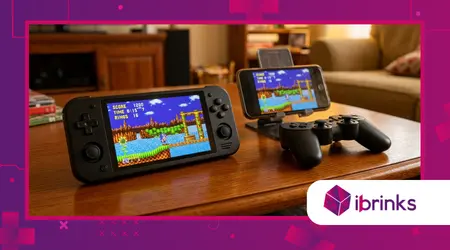
The boom of retro gaming handhelds represents a seismic shift in how we preserve digital history while embracing modern ergonomic and technological standards in 2026.
Collectors no longer settle for blurry emulation on smartphones when they can possess dedicated vertical or horizontal devices with pixel-perfect integer scaling displays.
This phenomenon transcends mere nostalgia, evolving into a sophisticated hardware arms race where niche manufacturers challenge the dominance of yesterday’s gaming giants.
Enthusiasts now demand hall-effect joysticks and vibrant OLED screens to revisit titles that once lived on humble, non-backlit screens in the late nineties.
Insights into the Portable Revolution
- Engineering Excellence: How specialized chips now perfect the emulation of complex 64-bit and 128-bit architectures in your pocket.
- Display Technology: The transition from low-resolution LCDs to high-refresh-rate panels that breathe new life into vintage sprite art.
- Community Software: The vital role of open-source developers in creating custom operating systems that outperform factory-installed firmware.
- Boutique Aesthetics: A look at limited-edition shells and premium materials that turn these consoles into genuine collector’s items.
What defines the current hardware landscape?
The boom of retro gaming handhelds has birthed a diverse ecosystem where devices are tailored for specific console libraries rather than generic play.
Anúncios
Micro-manufacturers now produce machines specifically designed for the aspect ratio of the original Game Boy, ensuring no black bars ruin the immersion.
Modern engineering allows these pocket-sized wonders to run for ten hours on a single charge while maintaining the tactile “clicky” feel of classic buttons.
Designers have successfully blended the charm of the past with the comfort of the present, creating a hybrid experience that feels both familiar and futuristic.
Why are niche brands winning over fans?
Companies like Anbernic and Retroid release iterative updates almost monthly, responding to user feedback with a speed that larger corporations simply cannot match.
This rapid development cycle ensures that the latest screen technology and button membranes are always in the hands of the most demanding players.
++ How retro gaming preservation is shaping 2026 culture
How does FPGA technology change the game?
Field Programmable Gate Arrays act like a digital chameleon, recreating the original hardware circuits rather than just simulating software through traditional emulation.
This results in zero input lag and perfect audio synchronization, satisfying the “purists” who previously only played on original, bulky CRT televisions.
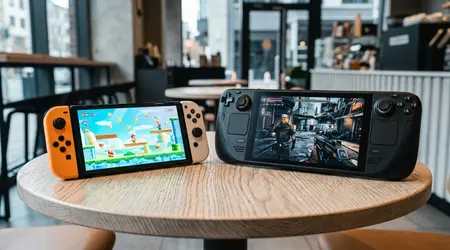
Why has the market expanded beyond Nintendo and Sega?
Enthusiasts are now diving deep into the libraries of forgotten systems like the WonderSwan, Neo Geo Pocket, and obscure Japanese home computers.
The boom of retro gaming handhelds facilitates this exploration by providing pre-configured environments that make loading these rare titles incredibly simple and intuitive.
Players are discovering that some of the best 16-bit experiences never left their home countries, sparking a massive global interest in fan-translated RPGs.
Portable devices act as a gateway to these hidden gems, allowing a new generation to appreciate the artistry of developers from the eighties.
Also read: The Arcade revolution in the ’70s explained
What is the role of fan translations?
Dedicated communities work tirelessly to translate obscure titles into English, making previously “unplayable” foreign classics accessible to a worldwide audience for free.
Having these translated masterpieces on a high-quality handheld transforms a long commute into a journey through a lost piece of gaming history.
Read more: Analyzing the rise of retro remasters: marketing and nostalgia
Is there a demand for indie “de-makes”?
Modern developers are creating new games for old hardware, proving that 8-bit limitations still inspire incredible creativity in the current gaming scene.
These “new-retro” titles often receive physical releases, further fueling the desire for hardware that can run them with authentic fidelity and style.
How do these devices impact game preservation?
Digital decay is a real threat, but the boom of retro gaming handhelds creates a decentralized archive of games that might otherwise vanish forever.
When a classic console dies, the software remains alive on these modern handhelds, protected from the physical failure of aging capacitors and leaking batteries.
A 2025 report from the Video Game History Foundation noted that nearly 87% of classic games are critically “at risk” without active emulation efforts.
These handhelds serve as the frontline of defense, ensuring that the work of pioneering programmers remains playable for those who value digital heritage.
Why is physical media losing its grip?
Original cartridges are becoming prohibitively expensive, turning retro gaming into an elitist hobby for those with significant disposable income and storage space.
Handhelds democratize the experience, allowing anyone to carry thousands of titles in their pocket without spending a fortune on plastic and cardboard.
Can software truly replicate the feel?
Modern shaders can mimic the distinct scanlines and phosphor glow of old monitors, recreating the specific visual “warmth” that defined our childhood memories.
This visual customization allows users to tailor their experience, choosing between a crisp modern look or a nostalgic, grainy aesthetic from the past.
What does the data reveal about this trend?
Market analysis shows that the portable gaming segment grew by 35% in the last fiscal year, largely driven by adults aged thirty to forty-five.
This demographic seeks high-quality builds that feel like premium electronics rather than cheap plastic toys, justifying the rise in “pro” model handhelds.
The boom of retro gaming handhelds is no longer a fringe movement; it is a multi-million dollar industry that influences modern controller design and ergonomics.
The following table summarizes the key features that consumers prioritize when selecting a new retro device in the current 2026 market.
Consumer Preferences in Retro Handhelds (2026)
| Feature | Importance Rating | Market Standard | User Benefit |
| Screen Quality | 95% | OLED / 1440p | Vibrant colors & Sharpness |
| Battery Life | 88% | 5000mAh+ | Extended play sessions |
| Ergonomics | 82% | Sculpted Grips | Reduced hand fatigue |
| OS Flexibility | 90% | Open Source / Linux | Customization & Performance |
How does the community influence development?
GitHub remains the heart of this industry, where volunteer coders refine drivers that eventually make their way into the official software of new devices.
This symbiotic relationship between hardware sellers and software hobbyists creates a unique market dynamic where the product actually improves long after purchase.
The analog stick sensitivity, screen brightness curves, and even the menu sounds are often perfected by the community, not the original manufacturers themselves.
It is this collective passion that prevents these devices from becoming e-waste, as software updates keep the hardware relevant for several years of use.
How to choose the right device for your needs?
Prospective buyers should first identify which “era” of gaming they wish to conquer before investing in one of the many available models.
If you crave the simplicity of the NES, a small vertical device might suffice, whereas PlayStation 2 titles require a much more powerful processor.
Think of these consoles like different types of bicycles; you wouldn’t take a racing bike on a mountain trail, nor a heavy mountain bike to a sprint.
Matching the power of the chip to the complexity of the console library is the golden rule for avoiding disappointment and ensuring smooth gameplay.
What about “All-in-One” solutions?
High-end handhelds can now emulate almost everything up to the seventh generation, but they often come with increased bulk and a higher price tag.
Weight is a crucial factor; a device that is too heavy will quickly become uncomfortable during the long sessions required for epic RPG titles.
Are vertical or horizontal layouts better?
Vertical layouts offer a nostalgic “Game Boy” aesthetic, but horizontal designs generally provide better ergonomics for games that require the use of shoulder buttons.
Ultimately, the choice is personal, but most long-term collectors eventually find room in their drawers for at least one of each style.
A Living Museum in the Palm of Your Hand
The current era of portable play proves that our connection to the past is stronger than ever, fueled by innovation and community spirit.
We have moved beyond simple nostalgia into a phase of technological refinement where the best way to play an old game is often on new hardware.
The preservation of our digital culture is now a participatory act, supported by every enthusiast who picks up a modern handheld to beat an old boss.
As we look toward the future, these devices will only become more powerful, further blurring the line between original hardware and digital perfection.
Keep exploring the archives, keep sharing your high scores, and most importantly, keep the history of gaming alive in your own hands.
Which classic game was the first one you loaded onto your modern handheld? Tell us your story in the comments below!
Frequently Asked Questions
Is it legal to use these handhelds?
Owning the hardware is perfectly legal; however, users should always use their own legally dumped game files to comply with local copyright laws.
Do these devices support multiplayer?
Many modern handhelds include Wi-Fi and Bluetooth, allowing for “Netplay” where you can play classic local-multiplayer games with friends over the internet.
Can I connect these to my TV?
Most mid-range to high-end models feature HDMI output or DisplayPort over USB-C, effectively turning your portable device into a home console whenever you wish.
How do I update the software?
Most devices allow for “Over-The-Air” (OTA) updates via Wi-Fi, or you can manually flash a new image onto your SD card using a simple computer program.
