
Why Tournament Format Is Becoming Part of the Entertainment
Anúncios
A modern tournament format can transform standard competitive gaming broadcasts into compelling narrative spectacles that captivate millions of esports fans worldwide.
Organizers continuously redesign match brackets to produce non-stop drama, eliminations, and unpredictable lower-bracket runs.
Every strategic structural choice directly influences broadcast viewership, audience engagement, fan retention, and overall commercial growth across global esports channels.
Organizers no longer view brackets merely as mechanical tools to determine the best team fairly.
Instead, modern tournament architecture actively builds tension, creates instant rivalries, and shapes viewer sentiment throughout every stage of the event.
Anúncios
Understanding how structural designs drive engagement allows tournament hosts to deliver unforgettable competitive experiences every season.
Key Highlights
- Structural Impact: How competitive bracket design creates emotional viewing arcs for global audiences.
- Format Comparison: Analyzing Swiss systems, double elimination, and gauntlet setups across major leagues.
- Viewer Engagement: Why match pacing and lower-bracket stakes drive record-breaking stream metrics.
- Broadcast Evolution: The direct link between bracket innovation and media rights valuation.
How Does a Tournament Format Drive Viewer Engagement?
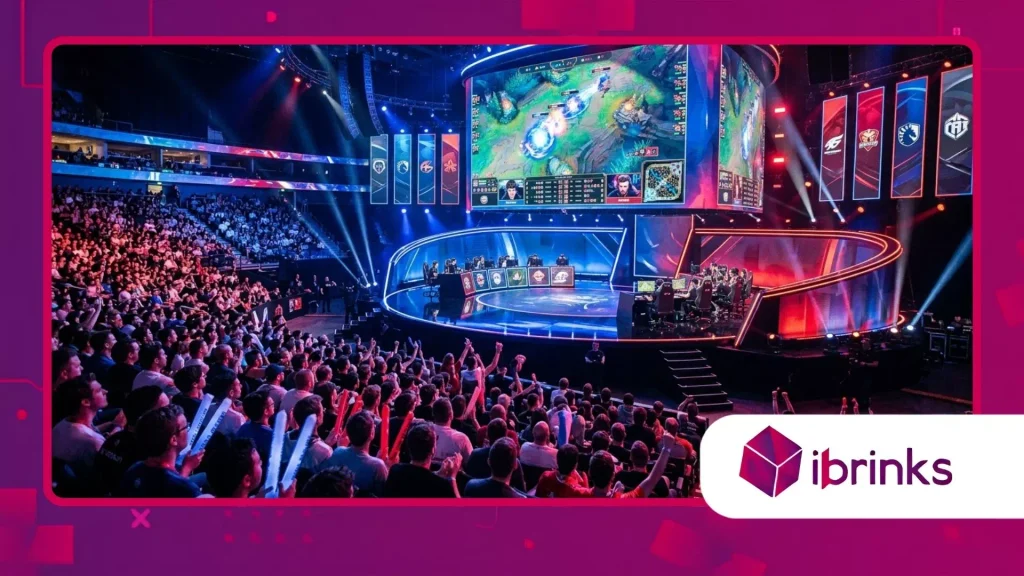
O tournament format directly shapes how storytelling unfolds during live broadcasts, turning routine matches into high-stakes athletic theater.
Traditional single-elimination brackets often result in predictable blowouts or anti-climactic early exits for fan-favorite rosters.
Modern hybrid structures ensure that top-tier teams remain in competition longer, generating sustainable narrative momentum across multi-week broadcasts.
Esports broadcasts thrive when every individual series carries visible consequences, forcing players to adapt under intense psychological pressure.
When organizers implement dynamic seeding and double-elimination ladders, viewers witness desperate comebacks and heart-wrenching eliminations.
This calculated tension keeps fans glued to live streams, dramatically increasing average minute audience metrics.
What Is the Swiss System in Esports?
The Swiss-system format pairs teams with identical win-loss records during early tournament stages, ensuring balanced, high-stakes competition throughout.
Unlike rigid group stages, this dynamic pairing mechanism prevents early dead-rubber matches that alienate casual viewers and drain stream metrics.
Every single game directly impacts a roster’s survival, creating continuous narrative tension across opening weekend broadcasts.
By continually matching evenly performing rosters, the Swiss system generates dramatic unexpected upsets without prematurely knocking out powerhouse organizations.
Fans experience unpredictable matchups that test tactical versatility while preventing dominant squads from cruising through effortless groups.
This balanced competitive environment keeps social media discussions active and maximizes viewer retention across long broadcast sessions.
++ A ascensão dos torneios com múltiplos títulos nos jogos competitivos.
Why Do Fans Love Double Elimination Brackets?
Double-elimination brackets provide a built-in safety net that allows elite teams to recover from temporary tactical missteps.
When a favorite roster falls to the lower bracket, their subsequent matches turn into tense, high-stakes elimination battles.
Viewers rally behind these desperate survival runs, creating passionate emotional investment that drives record peak concurrent viewership numbers.
Consider how a lower-bracket run resembles a dramatic redemption movie, where every victory brings a team closer to salvation.
A prominent example occurred during the 2023 League of Legends World Championship, where T1 navigated intense knockout pressure to claim the trophy, captivating millions of live viewers.
This structural flexibility guarantees that the grand finals feature truly battle-tested rosters, delivering a satisfying narrative payoff.
Leia também: A Ascensão dos Formatos Multigênero nos Campeonatos de Jogos
How Do Gauntlet Formats Build Championship Hype?
Gauntlet formats create a continuous ladder where lower-seeded teams must win consecutive series to challenge top-seeded squads.
This king-of-the-hill structure builds immense psychological momentum as a rising contender continuously defeats higher-ranked opponents.
Viewers tune in to see whether an exhausted underdog can sustain their miracle run against rested, waiting opponents.
The physical and mental fatigue experienced by gauntlet runners adds a compelling human element to competitive gaming broadcasts.
Top seeds wait in the final stages, preparing strategic counter-picks while watching their potential opponents battle through exhausting series.
This inherent asymmetry generates intense pre-match speculation, driving user interaction across live stream chat platforms and community forums.
Why Are Esports Organizers Redesigning Traditional Brackets?
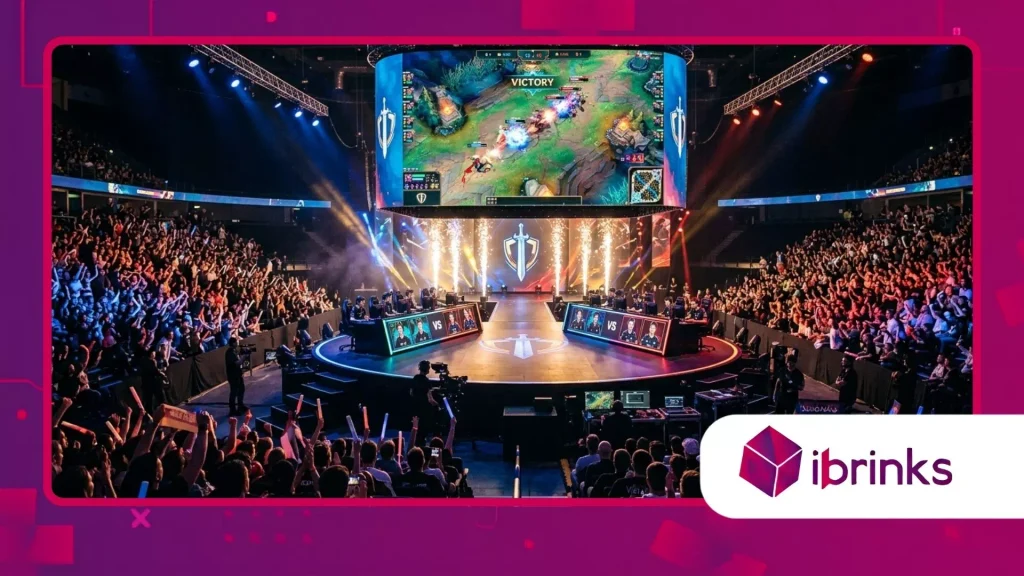
Implementing an innovative tournament format allows tournament operators to optimize broadcast schedules for global audience consumption across time zones.
Modern viewers demand concise, high-yield action without enduring hours of uncompetitive matches between mismatched teams.
By refining competitive structures, production companies ensure every airtime hour delivers peak entertainment value to sponsors and viewers.
Data reveals that viewers tune out when match outcomes feel predetermined or lack immediate competitive consequences.
According to Esports Charts analytics, events featuring dynamic bracket adjustments record significantly higher average audience retention than rigid traditional tournaments.
This economic reality drives tournament directors to adopt hybrid frameworks that preserve competitive integrity while maximizing broadcast metrics.
Leia mais: Como a propriedade dos dados impacta um campeonato global de jogos
How Does Seeding Affect Broadcast Viewership?
Proper seeding prevents top-tier contenders from eliminating each other in opening rounds, preserving marquee matchups for championship weekends.
Strategic bracket placement ensures that regional rivalries and storyline-driven encounters occur when viewer interest reaches its national peak.
When organizers mismanage seeding, tournament storylines collapse early, leading to diminished audience enthusiasm during final broadcasts.
Modern competitive circuits utilize live performance data and international rankings to refine initial seeding placements accurately.
This analytical approach creates balanced brackets where every match presents a genuine competitive challenge for both rosters.
As a result, broadcasts maintain high production value and deliver consistent viewership growth throughout the entire event lifecycle.
What Role Does Lower-Bracket Redemption Play in Storytelling?
The lower bracket serves as an emotional engine for esports broadcasts, turning potential early exits into epic survival stories.
Teams fighting through the elimination bracket play with zero margin for error, forcing aggressive, entertaining tactical choices.
This desperation creates unforgettable broadcast moments that resonate deeply with fans long after the tournament concludes.
Would any fan prefer a predictable tournament over an edge-of-your-seat redemption arc that defies all analyst predictions?
Lower-bracket matches frequently generate higher viewership than early upper-bracket series due to their absolute, immediate stakes.
Tournament operators leverage this organic drama to build anticipation for championship Sunday, ensuring maximum global stream reach.
How Do Group Stages Impact Final Playoff Metrics?
Group stage design sets the structural foundation for the entire playoff phase, establishing team momentum and viewer expectations.
Formats that eliminate too many teams rapidly risk alienating large regional fanbases before the main event begins.
Conversely, overly lenient group stages dilute match significance, causing casual viewers to skip early broadcast days entirely.
Optimal group designs strike a careful balance by providing ample match volume while maintaining clear qualification thresholds.
Utilizing dynamic round-robin or GSL-style groups keeps fans engaged without exhausting players through endless low-stakes matches.
This strategic balance ensures that qualified playoff teams arrive with compelling narrative momentum that drives peak viewership.
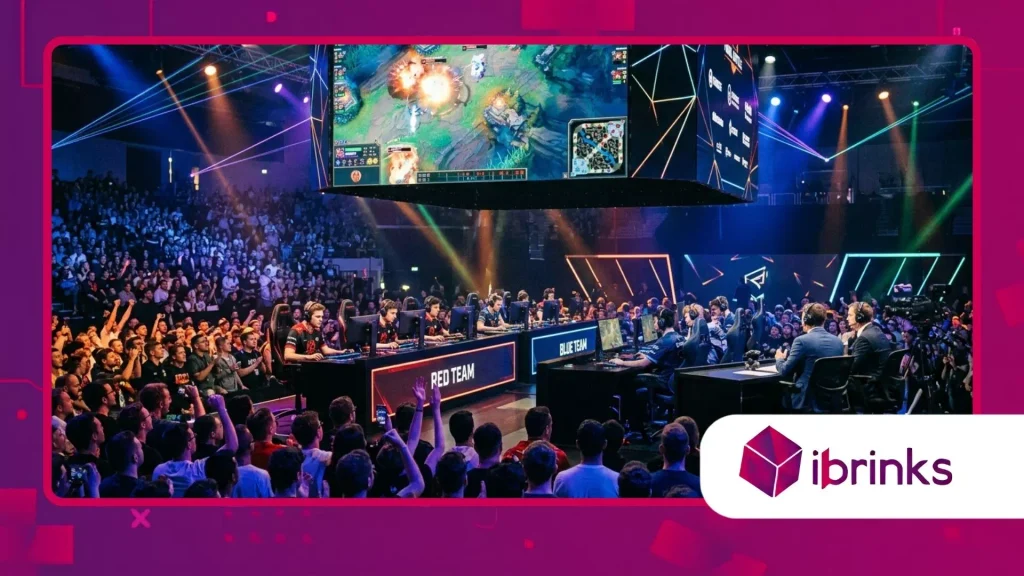
Which Competitive Structures Generate the Highest Engagement?
A refined tournament format consistently delivers superior engagement metrics compared to outdated, rigid bracket designs of the past.
Broadcast networks evaluate tournament success through concurrent viewer peaks, average watch time, and digital social media interactions.
Selecting the ideal structural framework directly dictates whether an esports event breaks viewership records or fails to attract sponsor attention.
As the competitive gaming industry matures, organizers continue testing hybrid models that blend traditional sports fairness with digital broadcast demands.
The following comparative analysis illustrates how different tournament structures perform across critical broadcast metrics, highlighting why modern operators prioritize flexible, multi-stage bracket designs for major international championships.
| Format Type | Fan Engagement Level | Competitive Fairness | Broadcast Flexibility | Lower-Bracket Drama |
|---|---|---|---|---|
| Swiss System | Muito alto | Excelente | Alto | Moderado |
| Double Elimination | Alto | Alto | Moderado | Muito alto |
| Gauntlet Ladder | Alto | Moderado | Baixo | Alto |
| Single Elimination | Moderado | Baixo | Muito alto | Nenhum |
How Structural Innovation Shapes the Future of Esports
Selecting a dynamic tournament format remains essential for keeping esports broadcasts engaging, competitive, and commercially profitable in 2026.
Organizers who master bracket design create sustainable broadcast ecosystems that captivate global audiences and attract major corporate sponsorships.
As competitive gaming continues evolving, innovative tournament structures will remain the cornerstone of elite digital sports entertainment. Share your thoughts on favorite tournament brackets in the comments below!
Perguntas frequentes
Why is the Swiss system becoming so popular in major esports events?
The Swiss system eliminates non-consequential matches while continually pairing teams with identical records. This creates balanced, high-stakes competition early in the tournament, keeping broadcast viewership consistently high.
How does double elimination guarantee a fairer tournament outcome?
Double elimination reduces the impact of single bad games or temporary tactical missteps by granting teams a second chance. This ensures the best roster wins while generating compelling lower-bracket comeback storylines for fans.
What is the main drawback of traditional single elimination formats?
Single elimination can result in top teams being eliminated early due to minor mistakes or bad bracket draws. This often leads to unbalanced, less exciting final matches that reduce overall broadcast viewership metrics significantly.
How do tournament formats impact media rights and sponsorship deals?
Engaging tournament structures maintain high average minute audiences and peak concurrent views throughout multi-week events. High viewer retention allows organizers to negotiate lucrative media rights and secure premier corporate brand sponsorships.
Can dynamic tournament formats adapt to tighter broadcast schedules?
Yes, modern hybrid formats allow organizers to condense match days while preserving high-stakes competitive integrity. Operators can run simultaneous stream channels during early rounds to keep broadcasts running efficiently on schedule.
