
Carry the Glass and the Power of Cooperation: How to Play as a Team
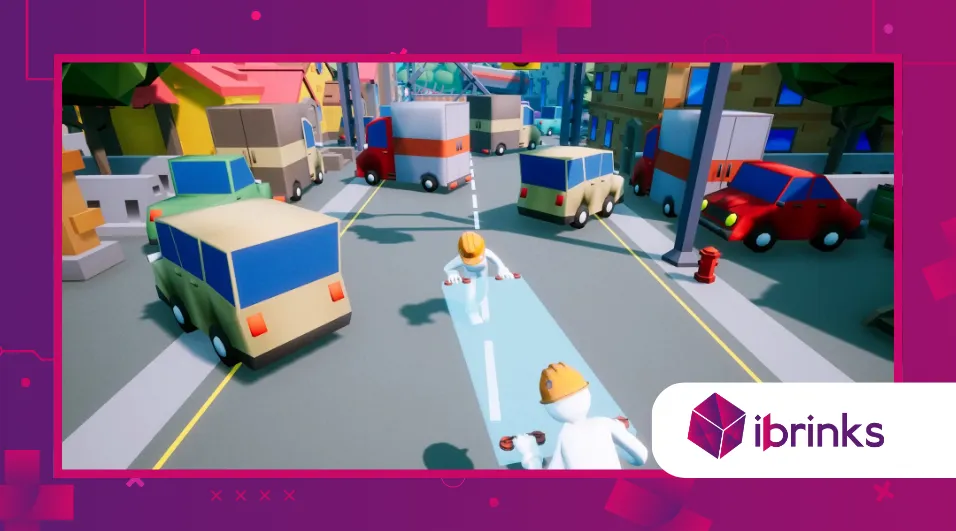
In the world of gaming, few concepts are as transformative as the power of cooperation.
Anúncios
Whether you’re navigating a high-stakes heist, surviving a zombie apocalypse, or building a virtual empire, teamwork often separates victory from defeat.
Games like Carry the Glass exemplify this principle, challenging players to rely on one another to achieve shared goals.
But what makes cooperation so powerful, and how can players harness it effectively?
Let’s dive into the mechanics, psychology, and strategies behind playing as a team.
The Essence of Teamwork in Gaming
Cooperation isn’t just about working together—it’s about leveraging each player’s strengths to overcome obstacles.
In Carry the Glass, for instance, players must balance precision, communication, and timing to transport fragile objects without breaking them.
This mechanic mirrors real-world scenarios where collaboration is key.
According to a 2022 study by the Entertainment Software Association, 65% of gamers prefer multiplayer experiences, highlighting the growing demand for cooperative gameplay.
The power of cooperation shines brightest when players embrace their roles.
Whether you’re the strategist, the executor, or the support, understanding your contribution is crucial.
Games like Overwatch and Among Us have mastered this dynamic, creating environments where individual skills complement the team’s overall strategy.
Moreover, successful teamwork often leads to a deeper sense of community among players.
This camaraderie can enhance the gaming experience, making it more enjoyable and engaging for everyone involved.
The Psychology Behind Cooperative Play
Why does teamwork feel so rewarding?
Psychologists point to the concept of "shared goals."
When players work toward a common objective, they experience a sense of belonging and achievement.
This is amplified in games like Carry the Glass, where failure is immediate and visible—drop the glass, and everyone loses.
Moreover, cooperative play fosters empathy.
A 2021 study published in Computers in Human Behavior found that players who engage in teamwork-based games exhibit higher levels of emotional intelligence.
They learn to read cues, adapt to others’ playstyles, and resolve conflicts—skills that translate beyond the screen.
This emotional growth can lead to improved relationships and communication skills in real life, benefiting players in various social settings.
Additionally, the shared experiences in cooperative gaming can create lasting bonds, sometimes leading to friendships that extend outside of the game.
Strategies for Effective Team Play
Mastering the power of cooperation requires more than good intentions.
Here are some actionable strategies to elevate your team game:
1. Clear Communication
In Carry the Glass, silence can be deadly.
Players must constantly update each other on their status, movements, and challenges.
Tools like voice chat or quick-text commands can streamline this process.
Effective communication also involves active listening, where players genuinely consider each other's input.
This ensures that everyone feels valued and understood, fostering a positive team environment.
2. Role Specialization
Not everyone can be the leader.
Assign roles based on strengths—some players excel at precision, while others thrive under pressure.
This division of labor ensures efficiency and reduces overlap.
Moreover, having defined roles can enhance accountability, as each player knows their responsibilities.
This clarity helps prevent confusion during critical moments and allows for smoother gameplay.
+ How Online Co-op Games Strengthen Social Bonds and Friendships
3. Practice and Patience
Cooperation isn’t instant.
Teams need time to gel, learn each other’s rhythms, and build trust.
Regular practice sessions can accelerate this process.
Additionally, reflecting on past games can provide valuable insights into what worked and what didn’t.
This continuous improvement mindset is essential for long-term success in cooperative gaming.

4. Adaptability
Even the best-laid plans can fail.
Teams that adapt quickly to changing circumstances—like a sudden obstacle in Carry the Glass—are more likely to succeed.
Flexibility allows teams to pivot strategies on the fly, which can be crucial in high-pressure situations.
Moreover, encouraging a culture of adaptability helps players feel more comfortable experimenting with new tactics.
The Role of Trust in Cooperative Gaming
Trust is the glue that holds teams together.
In Carry the Glass, players must rely on each other to navigate complex challenges.
This reliance builds a unique bond, fostering a sense of accountability and mutual respect.
However, trust isn’t automatic.
It’s earned through consistent performance and open communication.
Teams that prioritize transparency and honesty are better equipped to handle setbacks and celebrate victories.
Furthermore, trust enhances overall team morale, making players more willing to take risks and try new strategies.
This can lead to innovative gameplay and unexpected successes, reinforcing the importance of trust in cooperative environments.
The Evolution of Cooperative Games
Cooperative gameplay has come a long way since the days of split-screen couch co-op.
Modern titles like It Takes Two and Phasmophobia have pushed the boundaries of what teamwork can achieve.
These games incorporate innovative mechanics that require players to think, act, and react as one.
Carry the Glass is part of this evolution, offering a fresh take on the power of cooperation.
Its minimalist design and focus on precision make it a standout in the genre, proving that sometimes, less is more.
Moreover, the rise of online gaming has expanded the reach of cooperative experiences, allowing friends and strangers from around the world to team up.
This global connectivity enhances the richness of cooperative gameplay, introducing diverse perspectives and strategies.
The Social Impact of Cooperative Gaming
Beyond entertainment, cooperative games have a profound social impact.
They bring people together, bridging gaps of geography, language, and culture.
In a world increasingly divided, games that emphasize teamwork remind us of our shared humanity.
For example, during the COVID-19 pandemic, multiplayer games saw a 75% increase in engagement, according to a report by Newzoo.
Players turned to virtual worlds to stay connected, proving that the power of cooperation extends far beyond the game itself.
Additionally, cooperative gaming can serve as a platform for social change, raising awareness about important issues through collaborative storytelling.
Games that highlight social themes can inspire players to engage with real-world challenges, fostering a sense of community and activism.

Tables: Cooperative Gaming at a Glance
| Aspect | Single-Player Games | Cooperative Games |
|---|---|---|
| Player Interaction | Minimal | High |
| Skill Development | Individual | Team-based |
| Emotional Reward | Personal achievement | Shared success |
| Top Cooperative Games (2023) | Key Mechanic |
|---|---|
| Carry the Glass | Precision and communication |
| It Takes Two | Puzzle-solving and teamwork |
| Phasmophobia | Investigation and coordination |
++ Honor of Kings: The Highest-Grossing Multiplayer Game of 2024 and Its Secret to Success
The Future of Cooperative Gaming
As technology advances, so too will the ways we cooperate in games.
Virtual reality (VR) and augmented reality (AR) are poised to revolutionize the genre, offering immersive experiences that blur the line between virtual and real.
Imagine a VR version of Carry the Glass, where players physically pass objects to one another—this is the future of cooperative play.
Moreover, artificial intelligence (AI) is enhancing team dynamics.
AI-driven teammates can adapt to human players, providing a seamless experience for those who prefer solo play but still want to enjoy the power of cooperation.
This integration of AI could lead to more sophisticated gameplay, where players can engage with intelligent systems that understand their strategies and preferences.
As a result, the line between human and AI collaboration may become increasingly blurred, creating new possibilities for cooperative gaming.
Conclusion: Embrace the Power of Cooperation
In gaming, as in life, teamwork is often the difference between success and failure.
Games like Carry the Glass remind us of the beauty of collaboration, challenging us to communicate, trust, and adapt.
By mastering these skills, players not only improve their gameplay but also enrich their relationships and broaden their perspectives.
So, the next time you pick up a controller, remember: the power of cooperation isn’t just a mechanic—it’s a mindset.
And with the right team, there’s no limit to what you can achieve.
