
Hoe gedeelde gamebibliotheken de manier waarop vrienden games ontdekken kunnen veranderen.
Anúncios
Shared game libraries are quietly revolutionizing how multiplayer communities discover hidden gems, share digital collections, and maintain connected social circles today.
Digital ecosystems like Steam Families have replaced traditional physical disc swaps with seamless cloud-based ecosystem sharing across modern platforms.
Players no longer need to convince friends to spend sixty dollars on untested titles, as shared access instantly lowers barrier entry across gaming groups.
Shared digital shelves encourage spontaneous co-op gaming sessions while creating persistent organic discovery networks across diverse gaming demographics.
Beknopt overzicht
- The Evolution of Game Sharing: How modern digital frameworks expanded from physical media into unified cloud libraries.
- Economic & Discovery Drivers: Why shared access reduces financial risk while accelerating indie game visibility.
- Community Dynamics & Future: How collective digital ownership strengthens multiplayer bonds and alters publishing strategies.
What Are Shared Game Libraries and How Do They Work?
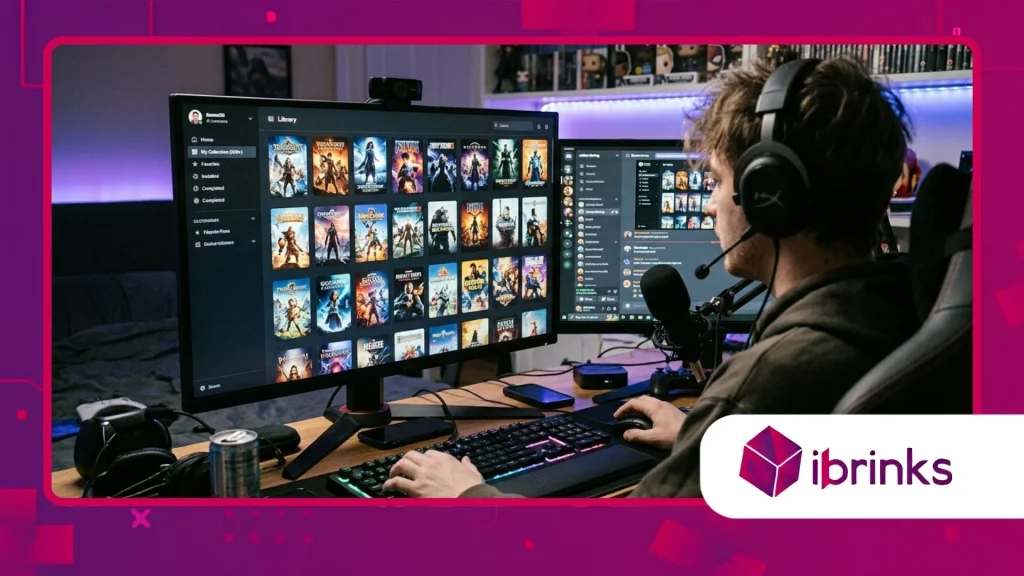
How Did Digital Ecosystems Transform Traditional Media Sharing?
Physical disc sharing once defined how friend groups discovered new interactive experiences during previous console generations.
Anúncios
Modern digital platforms have reinvented this dynamic by allowing multiple accounts to pool owned titles into unified digital vaults.
Systems like Steam Families enable up to six household members to access a collective pool of titles seamlessly.
This cloud-based infrastructure maintains individual save files, separate achievement progress, and personalized settings across every authorized user account.
Players can access shared titles simultaneously provided multiple copies exist within the collective vault.
Consequently, digital distribution platforms have successfully digitized the nostalgic experience of lending cartridges to friends without losing physical media.
What Technical Features Power Modern Shared Library Systems?
Behind the user interface lies complex rights management technology designed to balance user flexibility with developer copyright protections.
Platform mechanics automatically sync licensing keys across authorized devices while enforcing concurrent usage rules to prevent authorization abuse.
Advanced parental controls and region locks ensure compliance with local content rating boards and localized pricing structures.
Developers retain granular control over which specific titles support shared access, keeping competitive or always-online titles separate when necessary.
Steam’s updated infrastructure replaced legacy authorization methods with streamlined family management, simplifying access for non-technical users.
These robust architectural improvements ensure that authorization management remains friction-free for legitimate gaming households.
++ Hoe interne grappen de culturele identiteit van gamingcommunities worden
Why Are Shared Libraries Gaining Massive Popularity Today?
Rising game prices and expansive subscription catalogs have made gamers far more cautious with their discretionary entertainment budgets.
Shared access provides an immediate safety net, allowing players to sample diverse titles without committing personal financial resources upfront.
Collective cataloging transforms individual purchasing decisions into shared community investments that benefit whole friend groups.
Furthermore, the rise of steam deck handhelds and cross-platform desktop setups makes accessible library sharing feel natural.
Friends frequently discover niche indie releases purely because another member of their shared group purchased the title quietly.
This frictionless availability creates continuous engagement loops that keep active player groups connected across multiple genres.
How Do Shared Libraries Reshape Friend Discovery and Multiplayer Gaming?
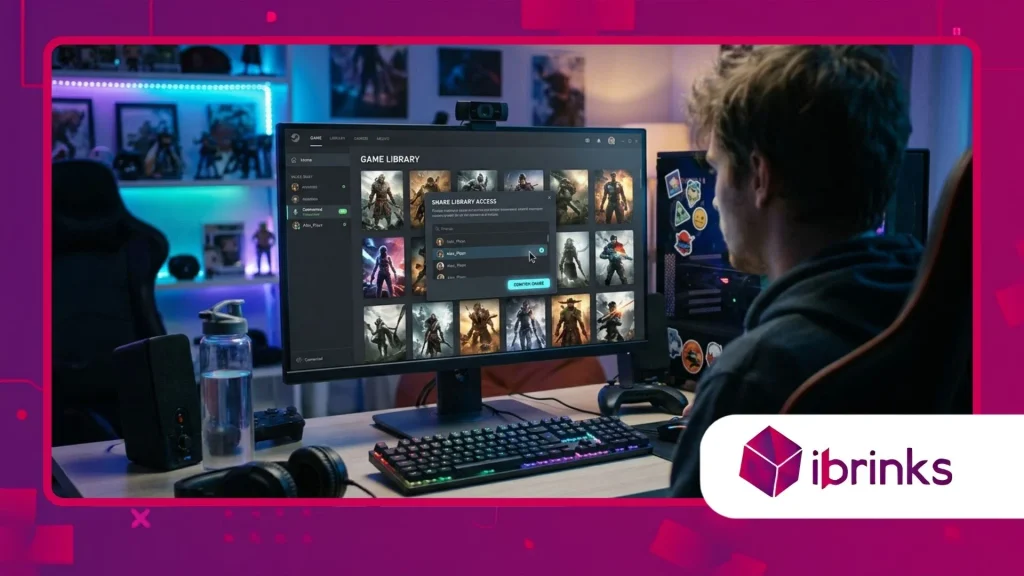
How Do Shared Digital Shelves Accelerate Organic Game Discovery?
Organically stumbling upon a new favorite title feels significantly easier when the financial barrier to entry drops to zero.
Wanneer shared game libraries feature unplayed titles, players routinely experiment with genres they would otherwise ignore on digital storefronts.
A player interested in tactical simulators can sample niche titles risk-free simply because a friend owns the license.
This frictionless trial environment generates powerful word-of-mouth marketing that algorithms cannot match within standard store interfaces.
Instead of relying on targeted trailer advertisements, players trust real-time recommendations backed by immediate playable access.
Valve reported that millions of players actively participate in family sharing groups, driving record engagement metrics across mid-tier indie releases.
Lees ook: Waarom sociale games verder gaan dan traditionele multiplayer-modi
Why Do Shared Libraries Strengthen Multiplayer Group Dynamics?
Cooperative multiplayer gaming relies heavily on low barriers to entry so entire social groups can jump into matches together instantly.
Shared library mechanics eliminate the awkward negotiation period where friends hesitate to buy niche multiplayer titles for a single session.
Social friction disappears when group members already possess authorized access to the host’s entire game catalog.
Think of a shared game libraries setup as a virtual LAN party board where everyone brings their entire shelf to share.
This shared access encourages spontaneous gaming nights, encouraging groups to explore forgotten co-op campaigns or experimental indie multiplayer titles.
As a result, multiplayer communities remain active longer, sustained by steady streams of curious players from shared networks.
What Impact Do Shared Libraries Have on Independent Developers?
Independent game studios often struggle to gain visibility in crowded digital marketplaces dominated by massive marketing budgets.
Shared access acts as an organic discovery engine, propelling innovative indie titles into active multiplayer rotation through direct peer exposure.
Players who discover an indie gem through shared access frequently purchase individual copies to support developers or unlock simultaneous play.
Data from gaming analytics firms indicates that shared access increases long-term wishlisting and full purchases for participating indie studios.
When one group member buys an innovative title, five potential advocates gain immediate access to experience the game firsthand.
This viral discovery pipeline transforms passive library sharing into a proven revenue generator for creative independent development teams.
What Challenges and Future Opportunities Lie Ahead for Shared Libraries?
What Structural and Financial Challenges Do Publishers Face?
Publishers frequently express valid concerns regarding potential revenue cannibalization when single purchases grant access to multiple distinct user accounts.
Balancing consumer friendly sharing policies against protection for early access sales figures requires precise regional pricing and policy adjustments.
Some major publishers selectively opt out of shared library features during initial launch windows to maximize launch sales.
However, historical data suggests that strict anti-sharing protections often backfire by alienating dedicated community advocates and reducing organic reach.
Modern platforms mitigate revenue risk by restricting simultaneous access to identical titles unless secondary licenses are explicitly purchased.
Striking this delicate operational balance remains essential for maintaining publisher trust while delivering genuine value to gaming communities.
How Will Cloud Gaming and Subscriptions Evolve Shared Access?
Cloud streaming integration promises to make shared digital libraries instantly accessible across mobile devices, smart televisions, and low-spec laptops.
Combining cloud streaming with shared game libraries allows players to join multiplayer sessions instantly without waiting for massive downloads.
Imagine joining a friend’s campaign in seconds simply by clicking an invitation link attached to a shared vault license.
Platform holders are currently testing hybrid subscription models that combine cloud convenience with permanent owned library sharing privileges.
These upcoming innovations will further democratize game discovery, enabling seamless cross-device play regardless of hardware limitations.
As cloud bandwidth expands globally, shared digital collections will become the standard foundation for multiplayer community engagement.
Why Are Shared Libraries Essential for Long-Term Digital Preservation?
Beyond social discovery and immediate financial benefits, shared access systems play an indispensable role in preserving digital gaming history.
As physical media fades, community library vaults help keep legacy titles accessible to younger generations of players.
Shared access ensures that historic single-player experiences and classic multiplayer titles remain playable long after marketing pushes end.
Preserving interactive media requires accessible platforms where historical titles can be rediscovered naturally by curious gaming enthusiasts.
By maintaining backward compatibility alongside unified family sharing, platforms build enduring digital legacies for historical releases.
Shared libraries safeguard interactive art forms, ensuring great games continue inspiring players for generations to come.
Comparative Feature Analysis Across Digital Platforms
| Platform / Service | Max Shared Users | Simultaneous Play Allowed? | Custom Save Files? | Developer Opt-Out Supported? |
| Steam Families | 6 Members | Yes (with multiple copies) | Ja | Ja |
| PlayStation Console Sharing | 2 Consoles | Ja | Ja | Nee |
| Xbox Home Console | 2 Consoles | Ja | Ja | Nee |
| Nintendo Switch Family | 8 Accounts | No (primary console priority) | Ja | Nee |
Shared Access Redefining Gaming Connections
Modern digital catalog sharing has fundamentally transformed how gaming communities explore interactive media, turning isolated collections into collaborative networks.
By lowering financial entry barriers, shared digital shelves empower player groups to discover unique titles and build lasting multiplayer memories together.
Have you explored hidden gems through shared game libraries with your friends? Share your favorite shared library discovery stories with our gaming community in the comments below!
Veelgestelde vragen
How does Steam Families handle simultaneous play across shared accounts?
Steam Families allows multiple members to play games from the shared pool simultaneously, provided the library contains sufficient total copies of that specific title.
If your shared vault holds two copies of a game, two family members can play it at the same time on separate devices.
If only one copy exists, members must take turns or purchase an additional license for concurrent multiplayer sessions.
Can developers prevent their games from being included in shared libraries?
Yes, digital distribution platforms allow game developers and publishers to opt out of library sharing features due to licensing restrictions or technical requirements.
Certain online multiplayer titles, third-party subscription games, or titles requiring dedicated external accounts may disable family sharing.
However, the majority of standard single-player and cooperative indie titles fully support shared access across authorized player groups.
Do shared game library features work across different geographic regions?
Most platform terms of service require members of a shared library group to reside in the same country or geographic region.
Region restrictions prevent players from abusing localized currency pricing and ensure compliance with regional digital content distribution laws.
Attempting to join family groups across international borders may result in authorization errors or regional lock restrictions on specific shared titles.
Will my personal save data and achievements be mixed with other shared users?
No, shared library architecture ensures complete separation of user profiles, cloud save files, achievement records, and in-game settings.
When you access a shared game through your personal account, the platform creates isolated save data linked exclusively to your profile credentials.
Other members of your shared group will never overwrite your campaign progress or affect your unlockable achievement history.
Are child safety controls supported within modern shared library environments?
Yes, major digital platforms include comprehensive parental oversight tools directly within their family sharing interfaces.
Account administrators can restrict access to age-inappropriate titles, set strict daily playtime limits, and monitor active gaming history for junior accounts.
These robust controls give parents total peace of mind while allowing younger family members to safely explore approved titles from the shared catalog.
