
Het analyseren van spelersgedrag via big data.
Anúncios
Spelersgedrag Analyse transformeert de moderne videogame-ontwikkeling door enorme hoeveelheden telemetriegegevens om te zetten in bruikbare inzichten die de ontwerpfase van live-services en de balansupdates sturen.
Spelstudio's verwerken miljoenen telemetriegegevens per seconde om te begrijpen hoe gebruikers door virtuele werelden navigeren, eindbazen verslaan of wedstrijden voortijdig verlaten.
Moderne analysepipelines stellen ontwikkelaars in staat om knelpunten direct te diagnosticeren, waardoor virtuele economieën en matchmaking-algoritmes perfect geoptimaliseerd blijven.
Het begrijpen van deze datapatronen onthult de verborgen wetenschap achter de huidige interactieve entertainmentindustrie, die miljarden dollars waard is.
Om je weg te vinden op dit complexe snijvlak van datawetenschap en game-ontwerp, is het nodig om telemetriegegevens, voorspellende machine learning-modellen en realtime balanceringssystemen te bestuderen.
Anúncios
Ontwikkelaars vertrouwen niet langer alleen op intuïtie; empirische telemetrie bepaalt elke aanpassing van personages, elk herontwerp van maps en elke wijziging in de verdienmodellen.
Zie data-analisten als meestercartografen die de onzichtbare digitale voetafdrukken van miljoenen actieve gamers in kaart brengen. Ben je klaar om te ontdekken hoe telemetrie jouw favoriete interactieve ervaringen vormgeeft?
Het navigeren door telemetrie en analytisch game-ontwerp
- Onderzoek naar realtime telemetrie-pipelines en mechanismen voor het verzamelen van telemetrie-gebeurtenissen.
- Het analyseren van algoritmen voor het voorspellen van klantverlies en statistieken voor het optimaliseren van klantbehoud voor live-service games.
- Het evalueren van aanpassingen in de competitieve matchmaking op basis van telemetrie-analyses.
- Het documenteren van telemetrie-toepassingen in de strijd tegen toxisch online gedrag en valsspelen.
Hoe verzamelen en verwerken gamestudio's enorme hoeveelheden telemetriegegevens?
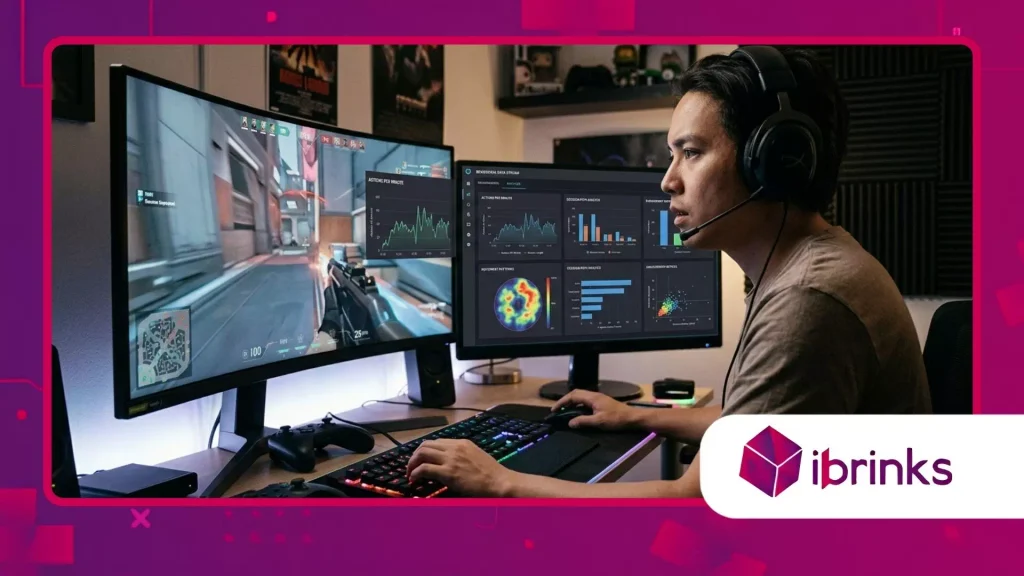
Spelersgedrag Telemetrie wordt verzameld door middel van continue gebeurtenisregistratie, waarbij elke knopdruk, inventariswissel, bewegingscoördinaat en wedstrijdresultaat in realtime wordt vastgelegd.
Cloudgebaseerde datawarehouses verwerken dagelijks miljarden individuele telemetriepakketten en organiseren chaotische gebruikersinvoer in gestructureerde analytische dashboards voor ontwerpteams.
Stel je een enorm digitaal zenuwstelsel voor dat realtime operationele feedback van miljoenen actieve clientcomputers rechtstreeks naar centrale servers verzendt.
Industrieonderzoek gepubliceerd door de Game Analytics Association Uit onderzoek blijkt dat toonaangevende live-service studio's dagelijks meer dan vijftig terabyte aan gebruikersgegevens verwerken.
Het verwerken van deze enorme hoeveelheid data vereist geavanceerde machine learning-clusters die in staat zijn om subtiele anomaliepatronen binnen milliseconden na de start van het spel te identificeren.
Wanneer een specifieke wapenconfiguratie plotseling dominant wordt op een competitieve map, signaleren geautomatiseerde analysescripts de onevenwichtigheid voordat menselijke QA-testers dit opmerken.
Ontwikkelaars implementeren hotfixes snel, waardoor de concurrentiepositie en het vertrouwen van spelers op wereldwijde servers behouden blijven. Datagestuurde responsiviteit is de definitie van uitmuntende softwareontwikkeling in de moderne tijd.
Welke specifieke telemetriegebeurtenissen registreren ontwikkelaars?
Studio's monitoren cruciale prestatie-indicatoren, waaronder heatmaps van de kaart, locaties waar spelers sterven, sessieduur en de frequentie van aankopen van microtransacties in de game, verdeeld over verschillende spelersgroepen.
Deze gedetailleerde gegevenspunten leggen precieze knelpunten bloot waar spelers problemen ondervinden of stoppen.
++ Hoe door gebruikers gegenereerde content de loyaliteit binnen een community vergroot.
Hoe verwerken cloudopslagfaciliteiten terabytes aan data?
Gedistribueerde cloudcomputingarchitecturen maken gebruik van parallelle verwerkingsknooppunten om enorme gamedatabases direct te bevragen zonder serververtraging of framedrops voor actieve gebruikers. Schaalbaarheid garandeert een continue data-invoer.
Lees ook: De opkomst van door de gemeenschap gedreven routekaarten die vaste ontwikkelingsplannen vervangen.
Waarom is realtimeverwerking cruciaal voor live games?
Door plotselinge beveiligingslekken of pieken in serververbindingen direct te detecteren, kunnen engineeringteams noodpatches uitrollen voordat frustratie binnen de community de reputatie van het spel of het behoud van actieve gebruikers schaadt. Snelheid redt online ecosystemen.
Hoe vermindert voorspellende analyse het verloop onder spelers?

Spelersgedrag Voorspellingsmodellen gebruiken historische telemetriegegevens om subtiele gedragsveranderingen te identificeren die erop wijzen dat een gebruiker op het punt staat een spel definitief te verlaten.
Machine learning-algoritmen analyseren dalende wedstrijdfrequenties, veranderde bestedingspatronen en oplopende verliesreeksen om automatisch risicovolle accounts te signaleren.
Zie voorspellende turbulentiemodellen als een vroegtijdig waarschuwingssysteem dat onzichtbare turbulentie detecteert voordat een vliegtuig structurele schade oploopt.
Speluitgevers gebruiken deze inzichten om gerichte beloningen voor spelersbehoud, gepersonaliseerde in-game evenementen of aanpassingen in de moeilijkheidsgraad in te zetten.
Uit marktgegevens blijkt dat het behouden van een bestaande klant aanzienlijk minder kost dan het werven van een nieuwe klant via traditionele marketingkanalen.
Wanneer analysesystemen gefrustreerde gamers correct identificeren en gerichte incentives aanbieden, daalt het opzegpercentage merkbaar bij competitieve multiplayergames.
Intelligente interventies transformeren niet-betrokken gebruikers in loyale, langdurige merkambassadeurs. Proactieve zorg vervangt passief afwachten in moderne studio-omgevingen.
Welke vroege signalen duiden op een dreigend verloop van spelers?
Plotselinge dalingen in het aantal dagelijkse inlogpogingen, lange wachttijden voor matchmaking en toenemende frustratie tijdens specifieke baasgevechten gaan steevast vooraf aan het definitief verlaten van een account.
Het herkennen van deze patronen maakt tijdige interventies mogelijk.
Hoe werken geautomatiseerde beloningsprogramma's voor klantbehoud?
Wanneer algoritmes frustratie bij gebruikers detecteren, kennen geautomatiseerde systemen bonuservaringspunten, cosmetische cadeaus of speciale samenwerkingsmissies toe om de betrokkenheid te vergroten en het plezier te herstellen. Personalisatie houdt gemeenschappen levendig.
Waarom is het verminderen van klantverlies cruciaal voor het succes van live-services?
Het behouden van een gezond aantal gelijktijdige spelers is essentieel voor snelle matchmaking-wachtrijen en een levendige in-game economie. Retentieoptimalisatie is daarom de ultieme financiële prioriteit voor uitgevers. Een gezond spelersbestand zorgt voor duurzame inkomsten.
Hoe worden matchmaking-algoritmes verfijnd door middel van data-analyse?
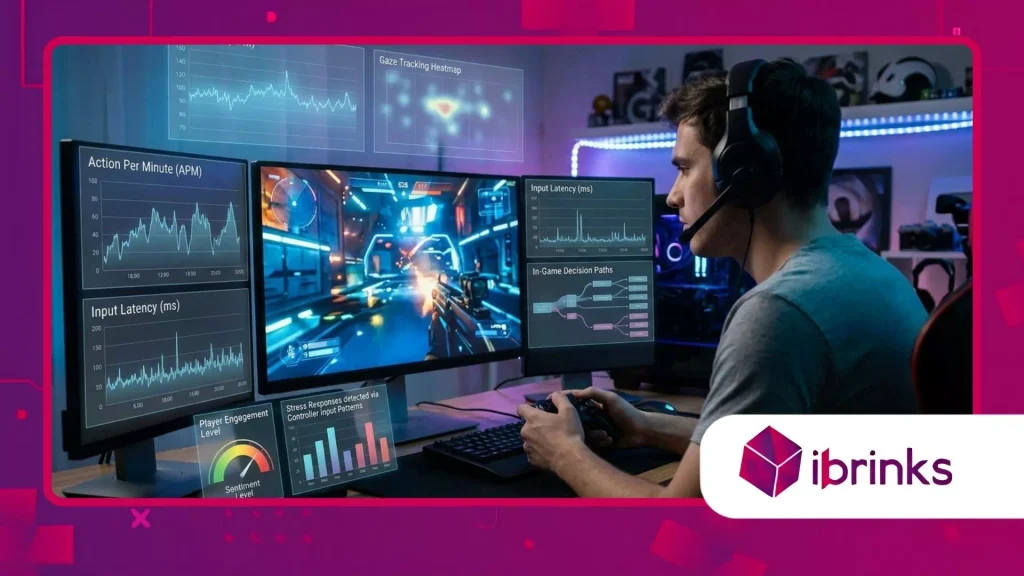
Spelersgedrag Met behulp van statistieken kunnen ontwikkelaars geavanceerde, op vaardigheden gebaseerde matchmaking-systemen bouwen die concurrenten koppelen op basis van daadwerkelijke prestaties in plaats van op oppervlakkige ranglijsten.
Telemetrie registreert de schietnauwkeurigheid, kaartkennis, deelname aan doelstellingen en samenwerkingsneigingen om de werkelijke competentie van spelers nauwkeurig te beoordelen.
Stel je een draft voor in de elitesport, waar scouts elke atletische statistiek analyseren om evenwichtige, uiterst competitieve teams samen te stellen.
Geavanceerde algoritmes voorkomen onevenwichtige wedstrijden, waardoor deelnemers tijdens elke sessie spannende, gelijkwaardige competities ervaren.
Analytische balancering gaat ook toxisch gedrag tegen door chatlogs, meldingen van pestgedrag en incidenten met eigen vuur te monitoren om storende deelnemers in aparte matchmakingpools te isoleren.
Door toxische spelers buiten de algemene communityservers te houden, wordt de algehele spelerssatisfactie en het mentale welzijn in online omgevingen aanzienlijk verbeterd.
Op data gebaseerd bestuur creëert veiligere en meer gastvrije digitale omgevingen voor iedereen. Eerlijk spel is gebaseerd op rigoureus empirisch toezicht.
Welke criteria bepalen de moderne, op vaardigheden gebaseerde matchmaking?
Naast eenvoudige winst-verliesstatistieken evalueren algoritmes de gevechtsefficiëntie, ondersteunende bijdragen en tactische aanpassingsvermogen om nauwkeurige vaardigheidsbeoordelingen voor elke geregistreerde deelnemer vast te stellen. Uitgebreide meetgegevens zorgen voor accurate koppelingen.
Hoe isoleren systemen leden van de gemeenschap die voor overlast zorgen?
Geautomatiseerde moderatietools signaleren beledigend taalgebruik en opzettelijk opzettelijk trollen, waardoor recidivisten direct worden doorgestuurd naar speciale lobby's die uitsluitend gevuld zijn met andere regelovertreders. Deze afscherming beschermt de bredere spelersbasis.
Waarom zorgen evenwichtige wedstrijden voor een hogere spelersretentie?
Spannende, zeer competitieve wedstrijden stimuleren een gezonde dopamine-respons en langdurige betrokkenheid, terwijl grote verschillen leiden tot onmiddellijke frustratie en het stoppen na de wedstrijd. De juiste balans is essentieel voor spelplezier op de lange termijn.
Vergelijkingsmatrix voor analyses van spelersgedrag
De onderstaande tabel vergelijkt traditionele, op intuïtie gebaseerde spelbalancering met moderne, datagestuurde analysemethoden aan de hand van belangrijke ontwikkelingsstatistieken.
| Ontwikkelingsdimensie | Balanceren op basis van intuïtie | Datagestuurde telemetrie-analyse |
| Nauwkeurigheid van de balanspatch | Subjectief giswerk van ontwikkelaars en trage feedbackloops | Empirische telemetrie die exacte meta-onevenwichtigheden identificeert |
| Interventie bij klantverloop | Reactieve maatregelen na een massale terugval van spelers. | Voorspellende machine learning identificeert gebruikers met een verhoogd risico vroegtijdig. |
| Kwaliteit van de matchmaking | De basiswinst-verliesverhoudingen zorgen voor onevenwichtige lobby's. | Uitgebreide scoreberekening van gedragsvaardigheden voor evenwichtige matches. |
| Toxiciteitsbeheer | Handmatige spelersrapportage met vertraagde disciplinaire maatregelen | Geautomatiseerde gedragsmarkering en directe isolatie van de lobby |
De toekomst van interactief entertainment optimaliseren
Spelersgedrag Analyse toont aan dat succesvolle moderne game-ontwikkeling afhankelijk is van een voortreffelijke synthese van creatieve visie en gedegen datawetenschap.
Door gebruik te maken van realtime telemetrie, voorspellende modellen voor klantverloop en geavanceerde matchmaking-algoritmes, leveren studio's zeer boeiende, eerlijke en duurzame virtuele werelden.
Door datagestuurde inzichten te omarmen, zorgen we ervoor dat games zich dynamisch blijven ontwikkelen, in lijn met de verwachtingen van de community en technologische vooruitgang.
Neem even de tijd om na te denken over je eigen recente gamesessies. Hoe hebben slimmere matchmaking en een betere balans je favoriete online games verbeterd? Deel je ervaringen in de reacties hieronder!
Veelgestelde vragen
Hoe beschermen gamestudio's de privacy van gebruikers bij het verzamelen van telemetriegegevens?
De studio's anonimiseren alle telemetriegegevens van de gameplay door persoonlijke gegevens te verwijderen vóór de gegevensoverdracht. Dit garandeert naleving van de wereldwijde privacywetgeving en zorgt tegelijkertijd voor een veilige registratie van gameplaypatronen.
Kunnen voorspellende modellen voorkomen dat spelers definitief stoppen?
Hoewel modellen niet elke gebruiker kunnen behouden, maakt het vroegtijdig herkennen van frustratiesignalen het voor geautomatiseerde systemen mogelijk om gerichte stimulansen in te zetten die een aanzienlijk percentage van de risicovolle gamers succesvol terugwinnen.
Hoe helpt telemetrie ontwikkelaars bij het balanceren van competitieve multiplayergames?
Telemetrie onthult exacte winstpercentages, wapenkeuzefrequenties en succespercentages op verschillende levels, waardoor ontwikkelaars objectieve gegevens krijgen om de personagestatistieken nauwkeurig aan te passen.
Waarom is op vaardigheden gebaseerde matchmaking afhankelijk van gedetailleerde gedragsgegevens?
Het uitsluitend afgaan op winst-verliesstatistieken houdt geen rekening met meegesleepte spelers of individuele prestaties, waardoor uitgebreide gedragsanalyse essentieel is voor een eerlijke en nauwkeurige lobbyopbouw.
Worden singleplayer-games gebruikt voor analyse van spelersgedrag?
Ja, ontwikkelaars van singleplayergames analyseren telemetriegegevens om bij te houden waar spelers herhaaldelijk doodgaan, welke puzzels verwarring veroorzaken en wanneer gebruikers campagnes afbreken. Deze informatie wordt gebruikt om toekomstige patches en DLC-ontwerpen te optimaliseren.
