
Mengapa penerbitan acara langsung sama pentingnya dengan perlawanan
Annúncios
Produksi acara langsung mengubah kejohanan permainan kompetitif standard menjadi tontonan budaya yang tidak dapat dilupakan yang memikat berjuta-juta peminat di seluruh dunia.
Arena e-sukan moden sangat bergantung pada paparan visual yang menakjubkan, kejuruteraan akustik yang imersif dan arahan pentas yang tepat untuk meningkatkan perlawanan digital.
Apabila atlet terkemuka bertanding di atas pentas, skrin LED yang besar dan pencahayaan dinamik menguatkan setiap detik permainan yang dramatik. Peminat menuntut kualiti sinematik yang setanding dengan siaran hiburan sukan tradisional.
Penonton mengembara merentasi benua bukan sahaja untuk menonton pasukan bermain, tetapi untuk merasai tenaga kolektif yang dihasilkan oleh pementasan arena bertaraf dunia.
Penganjur melabur berjuta-juta dolar dalam infrastruktur siaran canggih bagi memastikan penonton jarak jauh merasai denyutan arena yang sama.
Annúncios
Anggapkan pemain sebagai pemuzik ulung yang persembahannya bergantung sepenuhnya pada dewan konsert akustik. Adakah anda bersedia untuk meneroka bagaimana pementasan arena membentuk permainan kompetitif moden?
Menavigasi Seni Bina Hiburan Arena
- Menganalisis bagaimana reka bentuk pencahayaan dan bunyi yang imersif meningkatkan ketegangan persaingan.
- Menilai pelaburan teknologi siaran yang diperlukan untuk berjuta-juta penonton global.
- Mengkaji psikologi orang ramai dan penglibatan deria di dalam stadium e-sukan moden.
- Mengimbangi logistik tempat fizikal dengan permintaan penstriman digital berkelajuan tinggi.
Apakah yang Menjadikan Pementasan Arena Penting untuk Integriti Kompetitif?
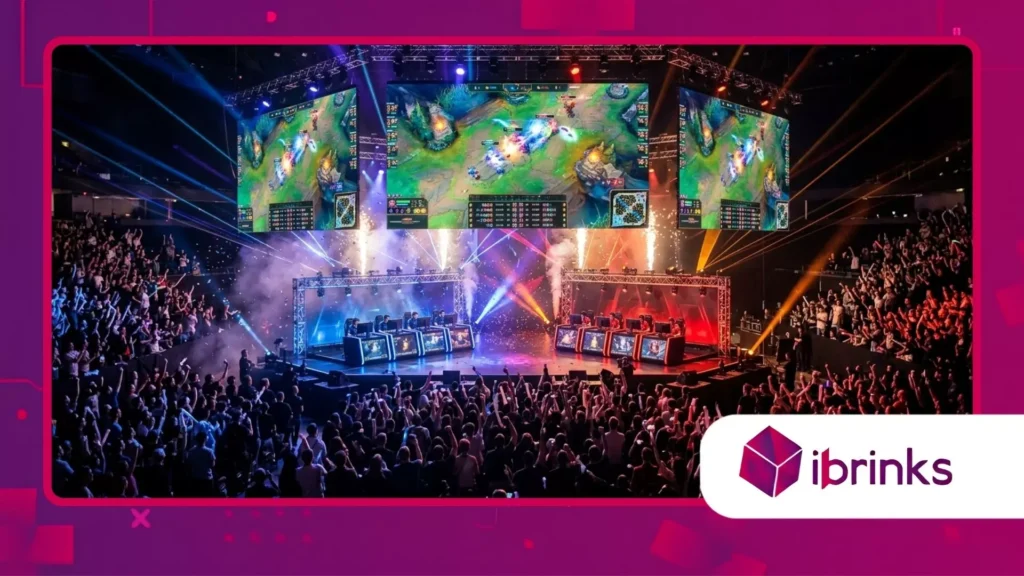
Produksi acara langsung mewujudkan persekitaran imersif yang secara langsung mempengaruhi fokus pesaing dan penglibatan emosi peminat di dalam stadium.
Apabila penganjur membina gerai kalis bunyi yang besar dan peringkat pemetaan unjuran dinamik, pemain memasuki zon terpencil yang mempunyai tumpuan mutlak.
Bayangkan sebuah teater besar di mana isyarat pencahayaan menentukan klimaks emosi; pentas permainan kompetitif beroperasi di bawah prinsip psikologi yang sama.
Setiap kilatan visual dan penurunan audio mengukuhkan lagi taruhan besar perlawanan kejuaraan.
Analisis industri yang diterbitkan oleh Newzoo mendedahkan bahawa pendapatan penonton e-sukan global sangat bergantung pada tontonan siaran premium dan jualan tiket fizikal.
Piawaian pengeluaran yang tinggi mengesahkan legitimasi profesional e-sukan, menarik penaja korporat bukan endemik utama di seluruh dunia.
Tanpa arahan pentas yang teliti, perlawanan akhir kejohanan yang paling mendebarkan sekalipun akan terasa hambar dan tidak menarik minat penonton. Produksi yang imersif menjadikan perlawanan digital sebagai peristiwa penting budaya yang bersejarah.
Bagaimanakah Reka Bentuk Bunyi Menguatkan Ketegangan?
Jurutera akustik menggunakan tatasusunan talian berbilang saluran untuk mengepam ulasan penyiar yang rancak dan audio permainan kelas bawah melalui arena.
Kejuruteraan bunyi yang tepat ini bergetar melalui tempat duduk stadium, menjadikan setiap letupan dalam permainan dapat dirasai secara fizikal oleh hadirin secara langsung. Kejelasan audio yang unggul menghalang bunyi bising orang ramai daripada mengganggu komunikasi pasukan.
++ Bagaimana Infrastruktur Awan Meningkatkan Kejohanan Permainan Global
Mengapakah Koreografi Pencahayaan Penting?
Lampu kepala bergerak dinamik menjejaki perkembangan perlawanan, memancarkan warna pasukan yang pekat setiap kali skuad meraih kemenangan penting.
Pencahayaan serentak ini membimbing tumpuan penonton merentasi pentas yang besar, menonjolkan permainan yang hebat serta-merta. Ritma visual menentukan degupan jantung emosi seluruh tempat.
Baca juga: Kebangkitan Format Pelbagai Genre dalam Permainan Kejohanan Permainan
Apakah Peranan Pemetaan Unjuran?
Projektor laser canggih mengubah lantai pentas fizikal menjadi medan perang digital interaktif yang mewakili persekitaran peta maya.
Lapisan visual yang menakjubkan ini merapatkan jurang antara perisian digital dan realiti fizikal untuk peminat. Penonton menyaksikan perlawanan yang dimanifestasikan secara langsung merentasi permukaan seni bina tiga dimensi.
Bagaimanakah Pengarah Penyiaran Mengendalikan Permintaan Penstriman Global?
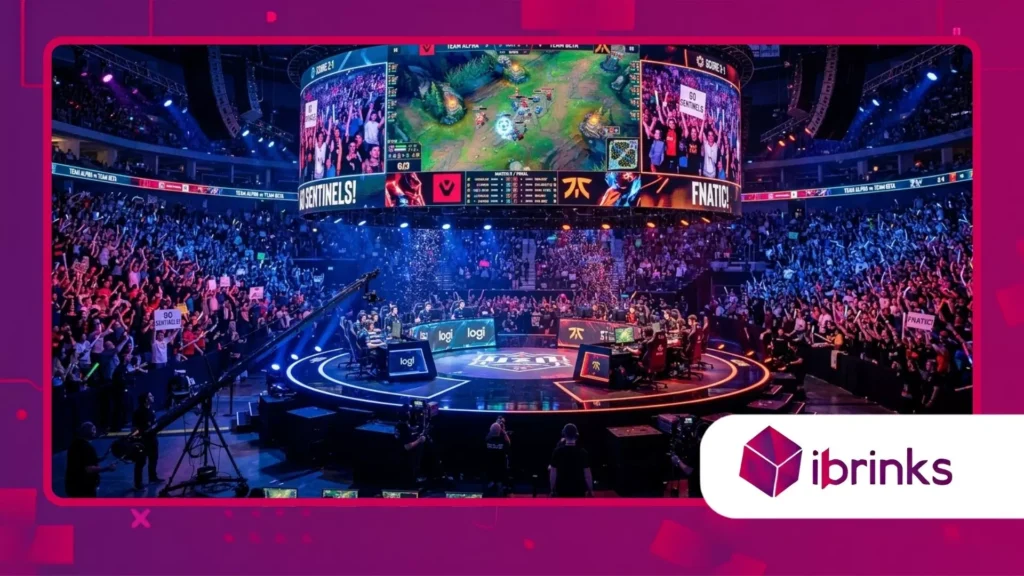
Produksi acara langsung memerlukan orkestrasi berbilang kamera yang kompleks untuk menyiarkan suapan yang jernih kepada berjuta-juta penonton digital serentak di seluruh dunia.
Pengarah bertukar antara kamera muka pemain, peta mini atas dan tangkapan kren menyapu dalam pecahan sesaat.
Bayangkan bilik kawalan sebagai kokpit orkestra di mana setiap juruteknik memainkan peranan penting dalam menentukan masa. Satu gangguan teknikal boleh mengganggu aliran siaran antarabangsa yang ditonton oleh berjuta-juta orang.
Melaksanakan peralihan yang lancar memerlukan rangkaian gentian optik yang berlebihan dan pelayan siaran sandaran yang ditempatkan betul-betul di bawah lantai arena.
Kru produksi berlatih helaian kiu selama berminggu-minggu sebelum pintu dibuka untuk menjamin kependaman sifar semasa peringkat akhir yang bertekanan tinggi.
Balet teknologi halimunan ini memastikan penonton di rumah tidak mengalami sebarang gangguan semasa urutan pertarungan berpasukan yang puncak. Kejuruteraan jitu memisahkan strim amatur daripada siaran kejuaraan profesional.
Baca lebih lanjut: Bagaimana Pemilikan Data Memberi Kesan kepada Kejohanan Permainan Global
Rig Kamera Apakah yang Merakam Sudut Dinamik?
Jurukamera menggunakan kamera labah-labah yang digantung kabel berkelajuan tinggi untuk menyambar dengan anggun di atas orang ramai yang sesak dan meja pemain yang kompetitif.
Kamera PTZ robot yang dipasang di dalam gerai kalis bunyi merakam reaksi emosi yang jelas tanpa menghalang pandangan penonton. Perspektif yang pelbagai ini membenamkan peminat dalam talian ke dalam suasana arena.
Mengapakah Penstriman Latensi Rendah Penting?
Khalayak digital global menuntut gelung maklum balas masa nyata di mana reaksi sembang dalam talian disegerakkan serta-merta dengan deruman stadium fizikal.
Saluran pengekodan video lanjutan memampatkan suapan kadar bingkai tinggi sambil mengekalkan kejelasan visual yang tulen merentasi peranti mudah alih. Meminimumkan kelewatan siaran memelihara integriti persaingan semasa pertaruhan langsung dan pesta menonton.
Bagaimanakah Bilik Kawalan Mengurus Kekacauan?
Penerbit eksekutif memantau berpuluh-puluh monitor berbilang paparan secara serentak, mengeluarkan potongan kamera dalam sekelip mata semasa pertempuran berpasukan yang huru-hara.
Penolong pengarah memberi isyarat ulangan segera penyingkiran penting sementara pengulas langsung menghuraikan gerakan taktikal. Kepimpinan yang tenang di bawah tekanan ekstrem mentakrifkan pasukan penyiaran elit.
Mengapakah Peminat Mengutamakan Pengalaman Arena Secara Bersemuka Berbanding Tontonan di Rumah?
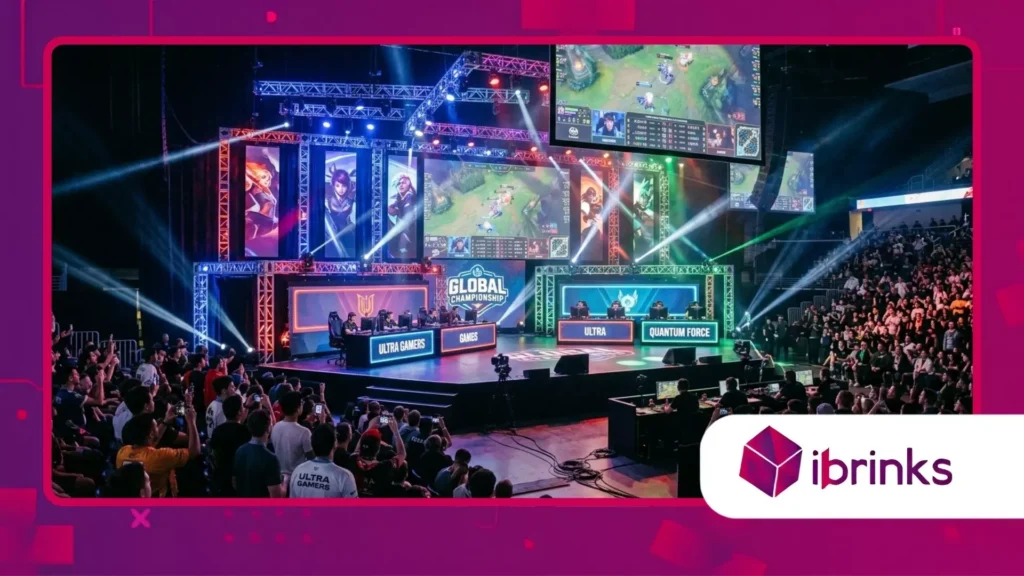
Produksi acara langsung memberikan keseronokan deria yang tidak dapat direplikasi oleh persediaan hiburan rumah mewah pada skrin ruang tamu peribadi.
Menyedut udara elektrik yang sama seperti sepuluh ribu peminat yang menjerit mewujudkan rasa kekitaan yang mendalam dalam komuniti permainan.
Pertimbangkan perbezaan antara mendengar album menggunakan fon kepala berbanding menghadiri festival muzik secara langsung yang besar-besaran. Deruman kolektif stadium yang meraikan persembahan yang memenangi kejuaraan bergema jauh di lubuk hati anda.
Para hadirin boleh menikmati gerai barangan eksklusif, sesi bertemu dan beramah mesra pasukan profesional dan zon pengaktifan penaja yang imersif di luar auditorium utama.
Titik sentuhan fizikal ini mengubah kejohanan hujung minggu yang ringkas menjadi satu ziarah percutian yang tidak dapat dilupakan bagi penyokong setia.
Melabur dalam infrastruktur tempat yang mantap menjamin pemegang tiket menerima nilai hiburan maksimum untuk wang hasil titik peluh mereka. Kehadiran fizikal meningkatkan semangat fandom ke tahap yang luar biasa.
Bagaimanakah Zon Pengaktifan Melibatkan Peserta?
Gerai penaja menampilkan stesen ujian perkakasan mewah di mana peminat boleh mencuba peranti permainan yang belum dikeluarkan sebelum pelancaran runcit.
Permainan mini interaktif dan gerai foto dengan cosplayer profesional menghiburkan orang ramai antara siri perlawanan yang dijadualkan. Ruang yang menarik ini memupuk kesetiaan jenama yang kukuh dalam kalangan peserta.
Apakah Uniknya Komuniti Peminat?
Penyokong global mengembara beribu-ribu batu bersama-sama, memakai jersi tersuai dan mengibarkan sepanduk yang dicat untuk menghormati atlet kegemaran.
Minat bersama ini melangkaui halangan bahasa dan budaya, menyatukan orang yang tidak dikenali melalui kecintaan bersama terhadap kecemerlangan kompetitif. Stadium menjadi negara berdaulat sementara bagi budaya permainan.
Mengapakah Pertandingan Cosplay Penting?
Penganjur menganjurkan pertunjukan cosplay rasmi di pentas utama, yang membolehkan artis komuniti berbakat mempamerkan perisai kejuaraan buatan tangan.
Memuji sumbangan kreatif ini memberi penghormatan kepada ekosistem yang lebih luas di sekitar liga esports profesional. Kreativiti berkembang maju apabila komuniti berkumpul di ruang fizikal.
Matriks Perbandingan Penerbitan dan Siaran Esports
Jadual berstruktur di bawah membandingkan penstriman kejohanan dalam talian amatur sahaja dengan piawaian penerbitan kejohanan peringkat arena profesional.
| Metrik Pengeluaran | Strim Dalam Talian Amatur | Arena Kejohanan Profesional |
| Infrastruktur Pentas | Persediaan komputer jauh tunggal | Dinding LED besar-besaran dan pemetaan unjuran |
| Kejuruteraan Audio | Suapan mikrofon stereo asas | Susunan berbilang saluran dan bunyi ruang setempat |
| Liputan Kamera | Pandangan pemerhati permainan tunggal | Jib berbilang kamera, kamera labah-labah dan kamera muka pemain |
| Penglibatan Khalayak | Interaksi teks sembang dalam talian | Sepuluh ribu penonton stadium menjerit secara langsung |
Meningkatkan Permainan Kompetitif Melalui Spectacle
Penguasaan penerbitan acara langsung memastikan kejohanan e-sukan moden kekal sebagai detik budaya yang legenda dan bukannya siaran video yang sekejap.
Dengan menggabungkan teknologi penyiaran canggih dengan reka bentuk tempat fizikal yang mengagumkan, penganjur menghargai dedikasi pemain dan peminat.
Kegemilangan persaingan sejati memerlukan pentas seni bina yang cukup besar untuk mencerminkan magnitud pencapaian manusia.
Luangkan sedikit masa untuk menghargai ahli sihir teknikal yang tidak kelihatan yang bekerja di sebalik tabir di setiap kejohanan utama.
Kejohanan arena langsung yang manakah memberikan kenangan penonton kegemaran anda setakat ini? Kongsikan pengalaman anda di ruangan komen di bawah!
Soalan Lazim
Mengapakah kejohanan esports memerlukan tempat fizikal yang begitu besar?
Arena yang besar menyediakan kapasiti akustik, ruang pementasan visual dan tenaga kolektif yang diperlukan untuk meraikan pertandingan olahraga bertaraf dunia.
Tempat fizikal menyatukan komuniti digital global di bawah satu bumbung untuk pengalaman bersama yang tidak dapat dilupakan.
Berapa ramai juruteknik yang bekerja di belakang tabir semasa perlawanan akhir utama?
Siaran kejuaraan biasa memerlukan kru yang diselaraskan yang terdiri daripada lebih seratus jurutera audio, pengendali kamera, pengarah pencahayaan dan juruteknik rangkaian.
Setiap ahli kru melaksanakan helaian kiu yang tepat untuk memastikan penghantaran langsung yang sempurna.
Bolehkah penonton dalam talian menikmati keseronokan yang sama seperti peserta secara langsung?
Walaupun penonton di rumah menikmati sudut tontonan taktikal yang sempurna dan keselesaan, penonton secara langsung mengalami rendaman deria, ikatan komuniti dan tenaga stadium yang tiada tandingan.
Kedua-dua format tontonan menawarkan pengalaman hiburan yang berbeza dan sangat berharga.
