
Why Games Are Getting Longer While Players Have Less Time to Play
Anúncios
Games are getting longer than ever before, creating an intriguing friction in an era where the average adult player struggles to find free time.
The modern video game industry has shifted dramatically toward massive open worlds, live-service ecosystems, and endless progression systems designed to maximize player retention.
While developers aim to offer maximum value per dollar, gamers face a growing backlog of titles requiring 80 to 100 hours each to complete.
Balancing this digital inflation against demanding daily schedules has become one of the most significant challenges for contemporary consumers.
How did the interactive entertainment industry arrive at a moment where spending dozens of hours is the minimum threshold for a narrative experience?
Anúncios
Examining the mechanical shifts in design, the economic pressure on studios, and the actual psychological impact on players provides a clear picture of why modern campaigns keep expanding.
Through structural analysis and industry metrics, we can better understand how to navigate this ongoing shift in digital entertainment without burning out.
What You Will Learn in This Article
- Why Game Lengths Expanded: The historical transition from arcade design to massive open-world ecosystems.
- How Business Models Drive Scale: The connection between live services, monetization, and engagement hours.
- How Players Can Manage Time: Practical strategies to enjoy sprawling adventures on a tight schedule.
- Industry Data Comparison: A breakdown comparing average completion times across major releases.
Why Are Modern Video Games Expanding Their Main Campaigns?
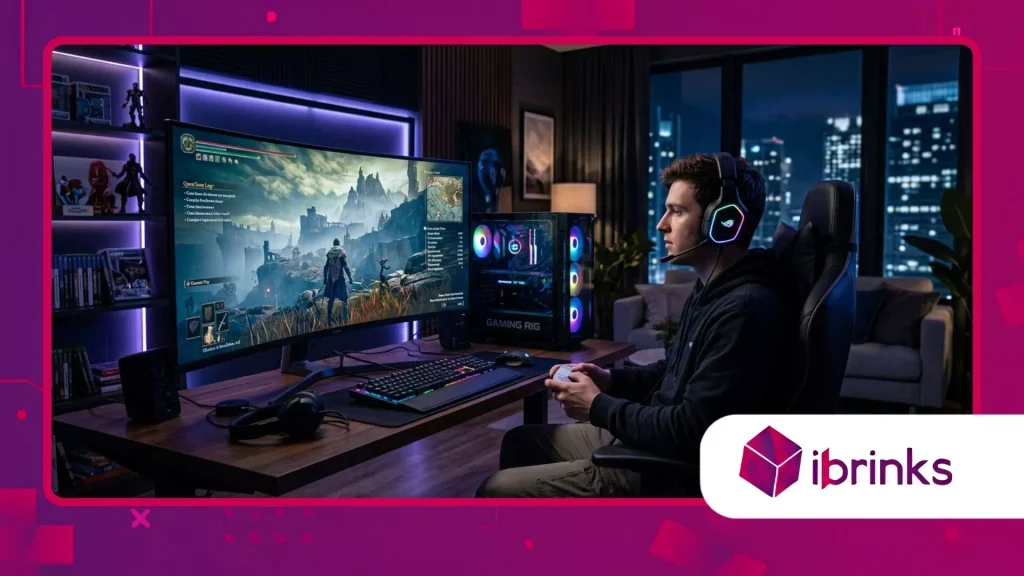
How Did Game Length Evolve Over the Last Decade?
The evolution of campaign duration traces back to an economic shift in how software value is perceived.
In earlier console generations, hardware constraints limited memory, forcing studios to create challenging but short experiences that players repeated to master.
However, as storage technology advanced, developers began inflating map sizes and introducing hundreds of side activities to justify higher retail prices.
오늘, games are getting longer as studios leverage procedural generation, complex skill trees, and branching narrative paths to keep users immersed for months.
This physical expansion alters the core pace of interactive storytelling.
Where older titles delivered dense, six-hour narrative rides, contemporary releases often stretch content using repetitive tasks, collect-a-tons, and padded dialogue sequences.
Players find themselves spending hours traveling across giant virtual landscapes just to reach a single brief cutscene.
Consequently, the sheer volume of content frequently overwhelms players who only have a few hours each week to dedicate to their favorite hobby.
Why Do Publishers Prioritize Engagement Hours Over Brevity?
Publisher strategy focuses heavily on daily active users and prolonged engagement metrics to satisfy investors.
When a player remains engaged with a single title for months, they are statistically far less likely to trade in the physical disk or move on to a competitor’s product.
This design philosophy directly aligns with microtransaction ecosystems, battle passes, and expansion packs that rely on sustained attention to drive recurring revenue.
Because of these financial incentives, games are getting longer to transform single purchases into long-term service platforms.
Furthermore, production budgets for high-profile releases have inflated into hundreds of millions of dollars over recent years.
To mitigate the immense financial risk of a commercial flop, decision-makers view expansive content as a safe marketing guarantee for consumers seeking maximum play duration per dollar.
Unfortunately, this business strategy often prioritizes length over density, resulting in inflated play times filled with fetch quests rather than meaningful narrative beats or innovative mechanical design.
How Does Infinite Design Impact the Modern Player Experience?
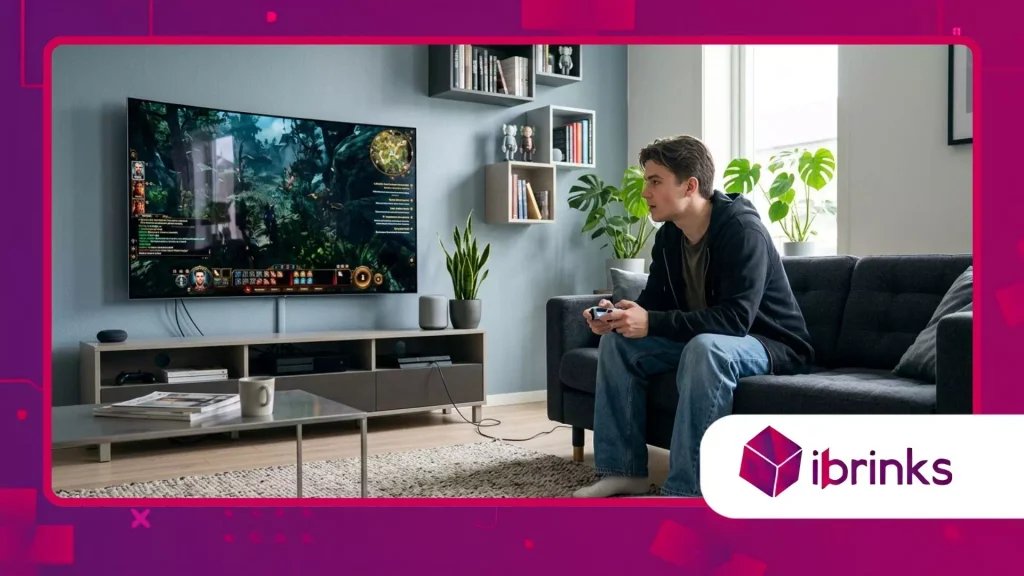
What Is the Psychological Cost of Endless Open Worlds?
Navigating a map cluttered with hundreds of icons creates cognitive fatigue that transforms entertainment into a demanding chore.
Players face a constant tension between wanting to complete stories and managing limited personal schedules.
This dynamic often leads to choice paralysis, where gamers spend more time managing inventory menus or deciding what quest to track than actually enjoying rich gameplay mechanics.
As a result, many narrative-driven titles are abandoned midway through their main campaigns because the finish line keeps moving further away.
Consider the reality of a busy professional trying to play a massive role-playing title for just thirty minutes after work.
In that short window, they might manage to walk across a kingdom, clear out one minor enemy camp, and sort their equipment storage before needing to log off.
That fragmented style of engagement breaks narrative continuity and severely dilutes emotional resonance.
Are we truly enjoying these vast digital worlds, or are we simply completing virtual checklists out of habit?
다음 글도 읽어보세요: 고정된 개발 계획을 대체하는 커뮤니티 주도형 로드맵의 부상
Why Do Microtransactions Flourish in Padded Titles?
Longer play durations create natural pressure points where players feel tempted to skip grinding mechanics through real-money purchases.
Studios frequently introduce deliberate friction, such as steep level gates or scarce crafting resources, to encourage purchasing experience boosters or resource packs.
By engineering obstacles that require hours of repetitive grinding to overcome, developers build a subtle bridge toward monetization.
Therefore, games are getting longer not always to enrich the player experience, but sometimes to monetize their impatience.
This design approach shifts the fundamental relationship between the user and the software from pure enjoyment to labor management.
Games begin to mirror second jobs, rewarding routine repetition rather than skill mastery or narrative curiosity.
When progress relies on clocking hours rather than overcoming meaningful obstacles, the intrinsic satisfaction of gaming diminishes significantly.
Players end up paying twice first with their initial purchase, and again to skip the filler designed into the product.
How Can Gamers Balance Huge Titles With Limited Free Time?
What Strategies Help Players Complete Long Releases?
Managing a personal media schedule requires adopting a focused, intentional approach to how one approaches broad interactive environments.
First, players should aggressively ignore secondary map markers and non-essential side quests that do not contribute to core narrative arcs or character development.
Second, leveraging modern console features like quick-resume modes or cloud streaming allows users to jump into action instantly without wasting precious minutes navigating launcher menus.
By setting strict boundaries, gamers can extract high-quality narrative experiences without letting titles consume all their available leisure time.
Another effective strategy is alternating between massive role-playing adventures and compact indie experiences that respect the user’s schedule.
Playing a tight, three-hour puzzle adventure or narrative platformer between massive open-world titles provides a refreshing palette cleanser and a quick sense of accomplishment.
This habit prevents burnout and keeps the gaming hobby diverse, enjoyable, and manageable.
Prioritizing quality of play over completion metrics ensures that gaming remains a relaxing escape rather than an overwhelming obligation.
더 읽어보기: 현대 게임은 어떻게 자유와 안내 사이의 균형을 유지하면서도 직접적인 도움을 주지 않는가?
Why Are Concise Games Experiencing a Major Resurgence?
An increasing segment of the global gaming audience actively seeks shorter, highly polished experiences that deliver impact without filler.
Independent developers have capitalized on this demand by releasing tightly scoped projects that value player time and deliver concentrated creativity.
According to recent industry analytics from Newzoo, while a few mega-hits capture total play hours, smaller indie releases consistently achieve higher completion rates among adult demographics.
따라서, games are getting longer in the AAA space, but independent studios are thriving by offering concise, memorable adventures.
This market division provides a healthy ecosystem where different types of players can find experiences tailored to their lifestyle needs.
Gamers with limited time can turn to short, narrative-driven titles that tell complete stories in a single weekend. Meanwhile, those seeking hundred-hour epics still have access to massive open-world franchises.
Recognizing your own available time and choosing titles accordingly is the key to maintaining a healthy balance with interactive media.
Comparing Playtime Metrics Across Major Industry Releases
| 게임 제목 | 장르 | Main Story Average | Completionist Average | 출시 연도 |
| The Witcher 3: Wild Hunt | Open-World RPG | 50 Hours | 170 Hours | 2015 |
| 레드 데드 리뎀션 2 | 액션 어드벤처 | 50 Hours | 180 Hours | 2018 |
| Assassin’s Creed Valhalla | Action RPG | 60 Hours | 140 Hours | 2020 |
| 엘든 링 | Action RPG | 55 Hours | 130 Hours | 2022 |
| 발더스 게이트 3 | Tactical RPG | 70 Hours | 150 Hours | 2023 |
Reclaiming the Joy of Interactive Entertainment
Understanding why software scope continues to expand helps players make smarter choices about how they invest their limited free time.
As production models continue to prioritize massive engagement hours, consumers must set clear personal boundaries to avoid media fatigue.
Focus on rich storytelling, embrace shorter independent titles, and do not hesitate to abandon padded content that fails to respect your schedule.
Ultimately, gaming should remain a fulfilling source of entertainment rather than an endless checklist of digital obligations.
If you find yourself overwhelmed by an ever-growing backlog, take a step back and curate your collection around experiences that truly respect your valuable time.
Games are getting longer, but your personal approach to enjoying them is entirely under your control. Share your thoughts and personal strategies for managing game time in the comments below!
자주 묻는 질문
Why are AAA studios making their campaign lengths so long?
Studios expand campaign lengths primarily to justify high retail prices, boost player retention metrics, and support long-term monetization strategies like live-service add-ons and microtransactions.
How can I finish a 100-hour RPG if I only have 3 hours a week?
Focus exclusively on main story missions, skip repetitive side content, and utilize instant-resume console features to maximize active play time during short gaming sessions.
Are indie games generally shorter than AAA titles?
Yes, independent studios usually focus on tight, innovative gameplay mechanics and concise narratives that can be completed in 5 to 15 hours without unnecessary map filler.
Do longer games always offer better value for money?
Not necessarily; value depends on content quality rather than sheer duration. A dense, memorable 10-hour experience often provides far greater entertainment value than a padded 80-hour campaign.
What is the average completion rate for long open-world games?
Industry trophy and achievement data reveal that most major open-world titles have a main story completion rate of only 25% to 35% among total players.
