
오늘날 직업 시뮬레이션 게임이 평범한 직장 생활을 놀랍도록 재미있게 만드는 이유는 무엇일까요?
Anúncios
Job simulator games have quietly evolved from niche PC curiosities into one of the most resilient and commercially successful categories in modern interactive entertainment.
Millions of players clock out from stressful corporate shifts, demanding academic schedules, or retail routines only to boot up titles dedicated to washing dirty patios, stocking supermarket shelves, or repairing broken diesel engines.
Far from feeling like unpaid overtime, these digital workplaces offer an immediate, predictable sense of agency that real-world employment rarely provides.
When a player picks up a virtual pressure washer or organizes inventory in a cozy corner shop, every action produces visible, unambiguous progress without office politics, vague performance reviews, or shifting deadlines.
Understanding why mundane labor transforms into captivating gameplay reveals much about modern player psychology, reward loops, and the design craft behind today’s top simulation studios.
Anúncios
What You Will Explore in This Article:
- The psychological mechanics that turn repetitive virtual chores into deeply satisfying mental recovery.
- How leading titles design tactile feedback, clear progression systems, and risk-free mastery.
- Real-world industry metrics showing how workplace simulations dominate digital storefronts in 2026.
- A direct comparison of standout titles, core gameplay loops, and player satisfaction triggers.
- Answers to common questions about the appeal, therapeutic value, and future of work-based gaming.
Why Do Players Crave Virtual Chores After Finishing Real Work?
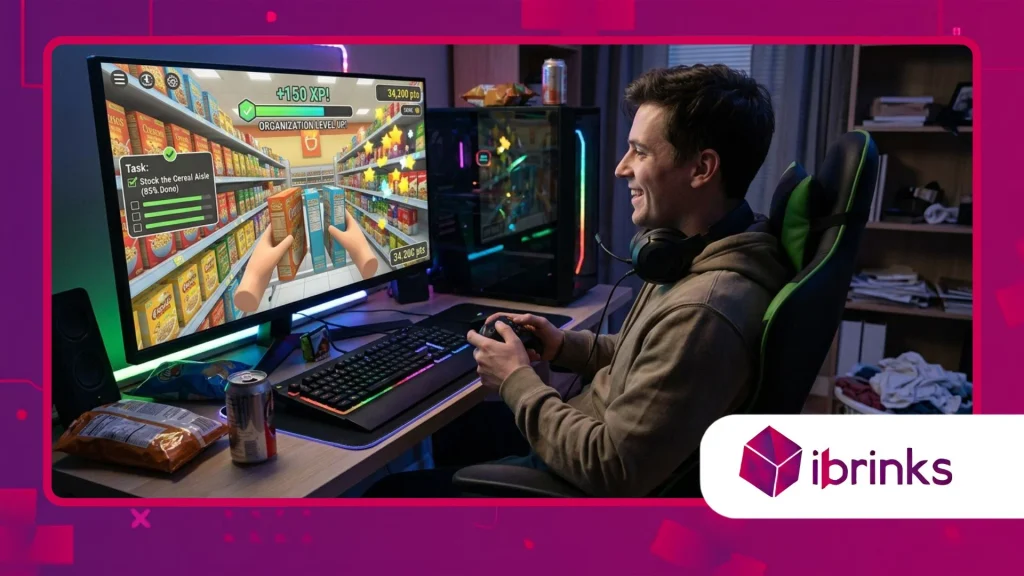
What Psychological Needs Do Digital Workplaces Satisfy?
Modern knowledge work often leaves professionals feeling disconnected from the tangible results of their daily effort.
Sending emails, attending endless video calls, and updating cloud spreadsheets rarely produce a physical object you can admire at five o’clock.
Virtual labor bridges that gap by compressing hours of physical exertion into clean, legible, and rewarding digital tasks.
Psychologists studying self-determination theory point out that humans thrive when they experience autonomy, competence, and clear feedback loops.
When a digital task lets you see dirt vanish inch by inch or watch a chaotic warehouse become spotless, your brain registers genuine accomplishment.
That immediate visual payoff restores a sense of personal control that fragmented real-world schedules frequently erode.
Have you ever wondered why cleaning a digital driveway feels far more relaxing than scrubbing your own kitchen floor?
In the physical world, chores carry financial costs, physical fatigue, time pressure, and the dread of inevitable mess returning tomorrow.
Inside a well-crafted job simulator games environment, every tool works reliably, supplies never run out unexpectedly, and every completed contract deposits crisp virtual currency straight into your account.
Players dictate their own pace without a supervisor hovering nearby or an urgent notification interrupting their flow state.
This friction-free structure turns ordinary labor into a soothing sandbox where effort reliably equals reward.
How Does Tactile Audio-Visual Design Elevate Mundane Tasks?
Developers behind top simulation releases treat sensory feedback with the same rigor that action studios reserve for combat mechanics.
The steady hiss of a high-pressure nozzle stripping grime off a vintage van, the crisp chime of a barcode scanner at a checkout counter, or the metallic click of a wrench tightening a cylinder head creates an ASMR-like rhythm.
Designers calibrate sound frequencies, particle effects, and subtle controller vibrations so every micro-action feels weighty and responsive.
Instead of rushing players toward an explosive climax, these titles invite sustained focus on small, rhythmic interactions.
Each completed step triggers a gentle dopamine release that keeps players engaged for hours without overwhelming their senses.
어떻게 생각해 보세요 PowerWash Simulator by FuturLab transforms a commercial cleaning gig into an almost meditative ritual.
As stubborn mud dissolves to reveal bright paint underneath, a crisp audio ping confirms you have finished a specific section, marking clear progress toward a spotless result.
Similarly, in Supermarket Simulator, scanning items, placing change into a register drawer, and restocking empty aisles follow a steady cadence that rewards spatial organization.
By stripping away physical exhaustion while amplifying sensory satisfaction, developers turn routine manual labor into a tactile playground.
++ 플레이어들이 할인된 게임을 구매할 때 할인 시기는 어떻게 변할까요?
Why Is Risk-Free Mastery So Appealing in 2026?
Real-world careers punish mistakes harshly, whether through lost revenue, damaged equipment, or strained professional relationships.
Digital work environments replace high-stakes anxiety with safe experimentation, allowing anyone to operate heavy machinery, run a bustling tavern, or manage a city transit network without real consequences.
If you miscalculate a cargo route or drop a pallet of goods, the worst penalty is a minor reduction in virtual profit or a quick restart.
That safety net encourages curiosity and steady skill acquisition, letting players learn complex workflows organically through trial and error.
According to data published by the Entertainment Software Association (ESA), stress relief and mental relaxation remain primary motivations for over seventy percent of regular video game players across age groups.
Job simulator games tap directly into that demand by offering structured, predictable challenges where improvement is always measurable.
You start with basic tools and small contracts, gradually unlocking upgraded equipment, faster workflows, and larger workspaces.
Watching your efficiency double over a few sessions delivers a clean, earned sense of mastery that feels deeply gratifying.
How Do Top Studios Design Compelling Workplace Gameplay Loops?
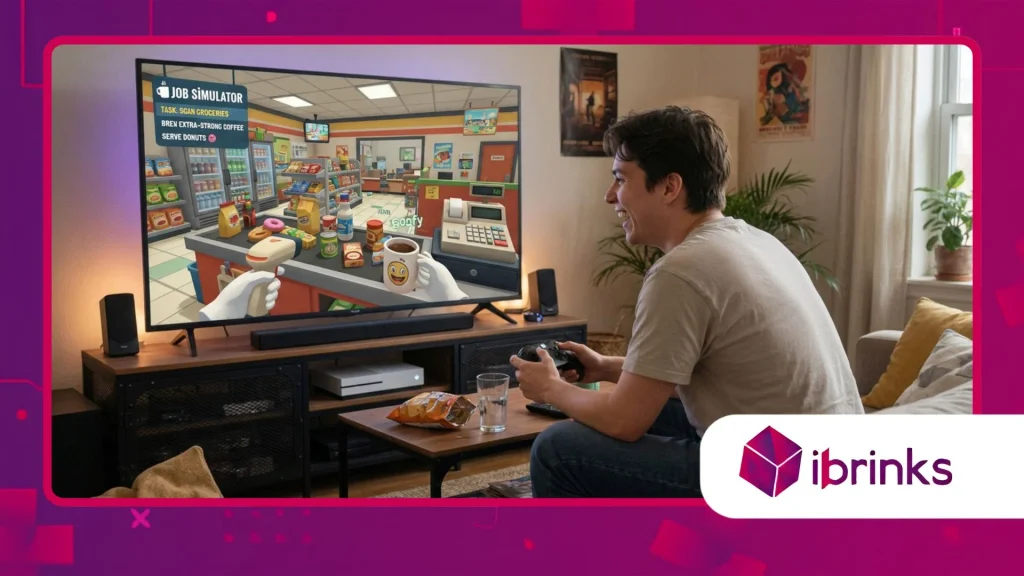
What Makes Progression Systems Feel Fair and Addictive?
Great simulation design relies on transparent economics where every minute of labor translates into meaningful upgrades.
Rather than hiding rewards behind randomized loot boxes or convoluted currency conversions, workplace titles show exact payouts before you accept a contract.
You know precisely how many jobs it takes to afford a wider mower deck, an automated checkout lane, or a larger workshop bay.
That clarity respects the player’s time and fosters strategic planning, turning simple tasks into stepping stones toward entrepreneurial growth.
Think of a well-designed work simulator like tending a bonsai tree rather than sprinting through an obstacle course.
You trim small branches, adjust the soil, and shape the structure bit by bit, enjoying steady visual transformation instead of sudden adrenaline spikes.
Every upgrade noticeably reduces friction in your next shift, creating a virtuous cycle where smarter tools unlock bigger contracts.
Players remain motivated not because the game manipulates them with artificial scarcity, but because every improvement feels genuinely earned through focused effort.
++ 인디 게임들이 블록버스터급 게임들에 어떻게 도전장을 내밀고 있는가
How Do Physics and Emergent Chaos Keep Shifts Unpredictable?
While predictability provides comfort, pure repetition without variation can quickly grow stale. Smart developers inject controlled chaos through responsive physics engines, dynamic customer behavior, and unexpected environmental hurdles.
제목은 다음과 같습니다. Overcooked! 또는 PlateUp!, kitchen workflows start simple before slippery floors, shifting counters, and impatient diners test your coordination.
Even solo simulations such as 유로 트럭 시뮬레이터 2 introduce sudden rainstorms, narrow European roundabouts, and tight loading docks that demand real concentration.
For example, imagine running a late-night convenience store shift in a simulation where an unexpected delivery truck arrives just as a busload of customers queues at the register.
You must decide whether to leave boxes stacked in the aisle temporarily, prioritize rapid scanning, or restock the chilled drinks before shelves empty completely.
Those micro-decisions transform a routine checklist into an engaging logistical puzzle. Emergent moments ensure that no two shifts feel identical, keeping veteran players alert and invested.
다음 글도 읽어보세요: 스타일화된 그래픽이 사실적인 사진보다 시간이 지나도 더 잘 어울리는 이유는 무엇일까요?
Why Do Niche Professions Outperform Generic Fantasy Settings?
Players increasingly gravitate toward hyper-specific professions because authenticity breeds fascination.
Instead of offering vague resource gathering, modern hits dive deep into the real procedures of shipbreaking, crime scene cleanup, border inspection, or medieval blacksmithing.
제목은 다음과 같습니다. Hardspace: Shipbreaker teach players how to depressurize hulls, cut structural beams with precision lasers, and safely extract nuclear reactors in zero gravity.
Learning the internal logic of a specialized trade makes players feel like genuine experts mastering an intricate craft.
Another compelling original example is a botanical conservatory restoration simulator where players diagnose soil acidity, prune rare ferns, repair Victorian glass panes, and regulate misting schedules.
By grounding gameplay in authentic horticultural tasks rather than abstract point totals, the experience becomes both educational and deeply absorbing.
Specificity turns ordinary labor into a window into unfamiliar worlds, satisfying human curiosity while honoring the quiet dignity of skilled trades.
What Does the Market Data Show About Simulation Popularity Today?
Which Workplace Titles Dominate Player Engagement Metrics?
Digital storefronts across PC and consoles demonstrate that simulation titles boast some of the highest retention rates in the entire industry.
SteamDB concurrent player tracking and Valve’s annual “Best of Steam” revenue charts consistently place titles like 유로 트럭 시뮬레이터 2, Farming Simulator 25, 그리고 American Truck Simulator among top-grossing releases year after year.
Unlike blockbuster narrative adventures that players finish in twenty hours and uninstall, job simulator games regularly command hundreds of hours of active engagement per user.
Community longevity thrives because players treat these titles as ongoing hobbies rather than finite campaigns.
Modding communities expand maps, add authentic machinery, and introduce realistic economic rules that keep the core loop fresh for years.
Studios support this momentum with regular seasonal updates and licensed partnerships with real-world equipment manufacturers, reinforcing authenticity and deepening player attachment.
How Do Core Simulation Titles Compare Across Key Gameplay Pillars?
To understand how different studios transform distinct professions into engaging entertainment, it helps to examine their core mechanics, sensory hooks, and progression structures side by side.
| 게임 제목 | Simulated Profession | Primary Gameplay Loop | Key Satisfaction Trigger | Average Session Vibe |
| PowerWash Simulator | Exterior Surface Cleaner | Spraying grime off vehicles, homes, and monuments | Visual contrast of dirt vanishing and crisp audio chimes | Meditative, unhurried, solo focus |
| 유로 트럭 시뮬레이터 2 | Long-Haul Freight Driver | Planning routes, hauling cargo, and parking trailers | Scenic highway cruising and fleet expansion economics | Relaxing, rhythmic, steady immersion |
| Hardspace: Shipbreaker | Zero-G Salvage Technician | Cutting decommissioned spaceships into sorted scrap | Precision dismantling without triggering volatile hazards | Tense, methodical, high-skill mastery |
| Supermarket Simulator | Retail Store Manager | Ordering stock, pricing goods, and running checkouts | Turning a cramped shop into a bustling, tidy store | Brisk, organizational, entrepreneurial |
| Farming Simulator 25 | Modern Agricultural Operator | Plowing fields, harvesting crops, and managing livestock | Operating authentic heavy machinery across seasonal cycles | Grounded, strategic, long-term growth |
What Economic Trends Fuel Independent Simulation Development?
Independent studios have discovered that focused workplace simulations offer an ideal balance between manageable production budgets and passionate niche audiences.
Rather than competing with massive studios on photorealistic cinematics, small teams invest in tight mechanical loops, responsive physics, and clean user interfaces.
Streamers and content creators further amplify visibility because watching someone organize a chaotic shop or meticulously clean a muddy monument sparks immediate viewer engagement.
When audiences watch creators play job simulator games, the experience feels approachable and relatable compared to high-speed competitive shooters.
Viewers quickly grasp the rules, offer advice in live chat, and often purchase the game themselves to try a cleaner strategy.
This organic word-of-mouth loop sustains steady sales long after launch week, proving that thoughtful gameplay design matters far more than bloated marketing budgets.
The Future of Digital Labor and Meaningful Play
Ordinary work becomes extraordinary inside well-crafted job simulator games because developers strip away real-world stress while preserving the deep human joy of purposeful effort.
By combining crisp sensory feedback, transparent progression systems, risk-free mastery, and authentic trade mechanics, these titles turn everyday chores into restorative digital rituals.
Whether you prefer hauling freight across quiet highways, salvaging orbital vessels, or keeping neighborhood shelves neatly stocked, virtual workplaces remind us that honest labor feels great when your effort is respected and your progress is visible.
Which simulated profession has captured your free time lately, and what everyday task do you think deserves its own video game next? Share your favorite titles and experiences in the comments below!
자주 묻는 질문
Why do people enjoy playing job simulator games after working all day?
Players enjoy them because virtual jobs eliminate real-world stressors like office politics, tight deadlines, physical exhaustion, and financial risk.
Every action produces immediate, visible progress and fair rewards, allowing the brain to enter a calming flow state while still experiencing a rewarding sense of accomplishment.
Are work simulation games considered good for stress relief and focus?
Yes, many players use slow-paced workplace simulations as a mindfulness tool to unwind after demanding days.
Repetitive, structured tasks like cleaning surfaces, driving scenic routes, or organizing inventory provide gentle cognitive engagement without triggering the anxiety associated with competitive multiplayer games.
What are the most popular job simulator games available right now?
Standout titles include PowerWash Simulator, 유로 트럭 시뮬레이터 2, American Truck Simulator, Farming Simulator 25, Hardspace: Shipbreaker, 그리고 Supermarket Simulator.
Each offers a distinct blend of tactile mechanics, steady progression, and authentic professional workflows tailored to different play styles.
Do job simulator games require expensive gaming hardware to run well?
Most workplace simulations are designed to run smoothly on mid-range PCs, laptops, handheld devices like the Steam Deck, and modern consoles.
Because their appeal centers on mechanics, physics, and audio feedback rather than demanding ray-traced graphics, they remain accessible to a wide audience.
How do developers keep repetitive tasks from becoming boring?
Studios prevent monotony by introducing gradual tool upgrades, larger and more complex contracts, dynamic physics challenges, and business management layers.
Unlocking faster equipment and optimizing your workflow creates a satisfying sense of growth that keeps routine tasks engaging over dozens of hours.
