
Come gli ecosistemi dei campionati di gaming stanno diventando di proprietà delle piattaforme
Annunci
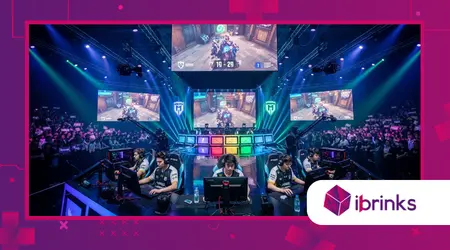
Gli ecosistemi stanno diventando di proprietà delle piattaforme Nel 2026, con il consolidamento del controllo da parte degli editori di videogiochi su ogni aspetto competitivo, e l'allontanamento dagli organizzatori di tornei indipendenti del passato, si assisterà a una trasformazione del settore.
Questo cambiamento epocale riflette il desiderio di un allineamento totale del marchio, in cui lo sviluppatore detta le regole, lo stile di trasmissione e la distribuzione finanziaria.
I tempi in cui gli eSport erano un Far West, dove chiunque poteva organizzare un torneo importante, sono ormai un ricordo del passato, lasciando spazio a una realtà altamente patinata e incentrata sulle esigenze aziendali.
Ora, la piattaforma stessa funge da arbitro, promotore e stadio, garantendo che ogni partita professionistica serva perfettamente l'ecosistema commerciale a lungo termine del gioco.
Analisi strategica degli eSport
- La morte degli organizzatori terzi: Perché i colossi indipendenti faticano a mantenere la propria influenza di fronte alle leghe guidate dagli editori.
- Monetizzazione e controllo: Analisi del flusso di entrate derivanti dalle sponsorizzazioni direttamente nelle casse degli sviluppatori di videogiochi e dei colossi dell'hardware.
- Governance dei giocatori: Come la proprietà delle piattaforme influisce sui diritti legali e sulla stabilità professionale degli atleti professionisti di eSport in tutto il mondo.
- L'esperienza dello spettatore: L'integrazione di strumenti di visualizzazione in-game e beni digitali accessibili esclusivamente tramite canali ufficiali e di proprietà.
Perché il panorama competitivo si sta orientando verso l'integrazione verticale?
La transizione dove Gli ecosistemi stanno diventando di proprietà delle piattaforme è motivato dalla necessità di sicurezza dei dati e di un'immagine coordinata coerente nei mercati globali.
Annunci
Gli editori hanno capito che la loro proprietà intellettuale ha più valore quando controllano la narrazione, dalle qualificazioni regionali alle finali mondiali.
Avendo il controllo dell'intera infrastruttura, gli sviluppatori possono sincronizzare gli aggiornamenti del gioco con i calendari dei tornei, prevenendo i bug critici che spesso affliggevano gli eventi indipendenti negli anni precedenti.
Questo livello di sincronizzazione crea un ambiente più stabile per gli sponsor che puntano in alto e che esigono la perfezione prima di investire milioni in una campagna.
In che modo ciò influisce sulla diversità dei tornei?
Un tempo, gli organizzatori indipendenti offrivano una varietà di formati e regole sperimentali che mantenevano la scena competitiva fresca e imprevedibile per i fan.
Oggi, la standardizzazione richiesta dalla proprietà delle piattaforme spesso porta a uno stile di trasmissione più uniforme e "sicuro", che rispecchia quello dei campionati sportivi televisivi tradizionali.
Sebbene questa professionalità attragga inserzionisti più importanti, alcuni tifosi di vecchia data sostengono che "l'anima" della comunità di base venga barattata con una patina aziendale.
La sfida per il 2026 è quella di trovare un equilibrio tra questa produzione di alto livello e l'energia grezza che ha reso il gaming competitivo un fenomeno globale.
Qual è la realtà finanziaria per le squadre?
Oggi le organizzazioni professionali operano più come franchising all'interno di un sistema chiuso, piuttosto che come club indipendenti che competono in un mercato aperto.
Questo modello offre maggiore stabilità e una quota garantita di ricavi digitali, ma richiede anche un ingente investimento iniziale che limita l'ingresso di nuovi operatori.
Ora i team devono allineare la propria presenza sui social media e la propria immagine aziendale alle rigide linee guida dell'editore per rimanere parte dell'ecosistema e del circuito ufficiali.
Questo compromesso garantisce longevità ai nomi affermati, ma rende significativamente più difficile la nascita di "storie di successo" provenienti dalle divisioni inferiori.
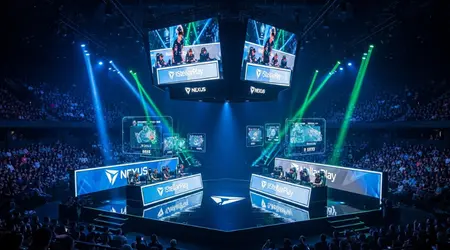
In che modo gli editori utilizzano le risorse digitali per finanziare i loro campionati?
Una ragione principale per cui Gli ecosistemi stanno diventando di proprietà delle piattaforme si tratta dell'esplosione di montepremi "finanziati tramite crowdfunding" attraverso la vendita di oggetti cosmetici e pass battaglia all'interno dei giochi.
Oggi gli editori possono generare centinaia di milioni di dollari vendendo skin in edizione limitata direttamente collegate al marchio del torneo.
Questo modello di vendita diretta al consumatore aggira i tradizionali accordi sui diritti mediatici, consentendo alla piattaforma di trattenere una percentuale maggiore del fatturato totale generato.
Trasforma ogni giocatore occasionale in un soggetto finanziariamente coinvolto nella scena professionistica, creando un potente circolo virtuoso economico che alimenta la competizione durante tutto l'anno.
Leggi anche: Festeggia gli anniversari dei giochi con la tua community
Perché gli strumenti di visualizzazione in-game sono rivoluzionari?
I motori grafici moderni consentono ora ai fan di guardare i tornei direttamente dal client di gioco, scegliendo le proprie angolazioni di ripresa e visualizzando le statistiche dei giocatori in tempo reale.
Questa funzionalità è possibile solo quando l'editore possiede la piattaforma, poiché richiede una profonda integrazione tra il codice del gioco e il flusso di trasmissione.
Questi strumenti consentono una "visione interattiva", in cui i fan possono vincere premi digitali pronosticando i risultati delle partite o completando sfide durante la visione della diretta streaming.
Questo livello di coinvolgimento è il Santo Graal per i marketer, poiché mantiene il pubblico concentrato sull'ecosistema proprietario della piattaforma.
Per saperne di più: Come gestire i fusi orari nei team globali
Che impatto avrà questo sul meta del 2026?
Poiché i proprietari della piattaforma controllano l'equilibrio del gioco, possono modificare intenzionalmente il "meta" per rendere le partite professionistiche più avvincenti per un pubblico occasionale.
Questa "eccitazione forzata" può talvolta frustrare i giocatori professionisti che preferiscono un ambiente stabile, ma garantisce costantemente un aumento degli ascolti durante i grandi eventi.
L'applicazione strategica di patch garantisce che nessuna singola strategia diventi dominante per troppo tempo, mantenendo il prodotto competitivo dinamico e "fresco" per la trasmissione.
Questo potere è lo strumento definitivo per il controllo di una piattaforma, che permette al creatore di agire come regista di un dramma digitale globale.
Perché la stabilità della carriera di un giocatore è un problema nei sistemi di gioco di proprietà?
COME Gli ecosistemi stanno diventando di proprietà delle piattaforme, l'equilibrio di potere si è spostato nettamente a favore delle corporazioni, lasciando ai giocatori meno opzioni per una rappresentanza indipendente.
Poiché esiste un solo campionato "ufficiale", un giocatore che viene squalificato o inserito nella lista nera dall'editore non ha altre opportunità professionali.
Questo monopolio sul gioco professionistico ha portato a richieste di sindacati dei giocatori più forti e di accordi di contrattazione collettiva per proteggere gli atleti da modifiche arbitrarie delle regole.
In assenza di un mercato competitivo tra gli organizzatori di tornei, il proprietario della piattaforma detiene di fatto nelle proprie mani digitali la carriera di ogni giocatore professionista.
Quali sono i vantaggi del modello di franchising?
Nonostante i rischi, il modello di franchising offre ai giocatori una struttura salariale più prevedibile e l'accesso a migliori strutture per la salute e il benessere fornite dalla lega.
I sistemi di proprietà delle piattaforme hanno maggiori probabilità di far rispettare gli standard salariali minimi e di fornire assistenza legale per le questioni relative ai visti durante i viaggi internazionali per i campionati mondiali.
Questo spostamento verso una struttura di "sport tradizionali" rende il gaming una carriera a lungo termine più praticabile per l'élite dei giocatori (top 1%).
Offre un percorso chiaro verso il pensionamento, poiché molti ex professionisti passano a ruoli di allenatore o analista all'interno dello stesso ecosistema di proprietà.
In che modo questo modifica il "Percorso verso il professionismo"?
Il percorso che porta da giocatore occasionale a campione del mondo è ora rigidamente tracciato attraverso classifiche ufficiali e leghe "accademia" di sviluppo.
Questa struttura trasparente permette agli osservatori di trovare talenti in modo più efficiente, ma al contempo esclude i giocatori che non corrispondono allo specifico "modello professionale".
Stiamo forse perdendo il prossimo grande innovatore perché non si trova a suo agio in un ambiente rigidamente regolamentato e controllato da piattaforme proprietarie?
Questa domanda tormenta molti talent scout che ricordano l'epoca in cui i giocatori leggendari venivano scoperti in tornei locali oscuri, non classificati e del tutto non ufficiali.
Dati globali su proprietà e ricavi degli eSport nel 2026
| Piattaforma / Lega | Tipo di proprietà | Ricavi previsti per il 2026 | Integrazione della trasmissione | Fonte di finanziamento principale |
| Riot Premier League | Piattaforma interamente di proprietà | $1,4 miliardi | In-Client / 8K | Skin/Pass di gioco |
| Circuito globale epico | Piattaforma interamente di proprietà | $950 milioni | Sincronizzazione versetto-linguaggio | Codici Creatore / Beni Digitali |
| Valve International | Ibrido / Di proprietà | $600 milioni | Integrato a vapore | Imposta di mercato comunitaria |
| Mobile Legends Pro | Piattaforma interamente di proprietà | $1,1 miliardi | Realtà aumentata nativa per dispositivi mobili | Accordi regionali di telecomunicazioni |
| Serie Blizzard Pro | Piattaforma interamente di proprietà | $550 milioni | Esclusiva Battlenet | Sponsorizzazione / Microtransazione |
| EA Sports FC World | Piattaforma interamente di proprietà | $1,2 miliardi | Link alle statistiche in tempo reale | Pacchetti Ultimate Team |
| FGC Independent | Terze parti / Aperto | $150 milioni | Multipiattaforma | Vendita biglietti / Merchandising |
Un recente rapporto del Ufficio globale di analisi degli eSport (2026) indica che l'88% di tutte le visualizzazioni degli eSport ora avviene sui canali di proprietà delle piattaforme.
Questi dati dimostrano che l'era dell'organizzatore indipendente è in gran parte finita, poiché Gli ecosistemi stanno diventando di proprietà delle piattaforme per massimizzare sia il controllo che il profitto.
Gestire una lega di eSport nel 2026 è come gestire un treno ad alta velocità: l'editore possiede i binari, la locomotiva e la stazione.
Se da un lato questo garantisce che il treno arrivi in orario e in ottime condizioni, dall'altro significa anche che non ci sono percorsi alternativi per chi desidera viaggiare in una direzione diversa.
Il futuro dei campionati di eSport risiede nella capacità di queste piattaforme di mantenere vivo il senso di coinvolgimento della community, anche quando la presa delle multinazionali si fa più forte.
Se i fan ritengono che lo "spettacolo" sia troppo artificiale, potrebbero alla fine ritirarsi nei circuiti non ufficiali e underground che privilegiano la competizione rispetto alla commercializzazione.
Tuttavia, per ora, l'efficienza e lo spettacolo dell'ecosistema proprietario sono innegabili, offrendo un livello di intrattenimento che solo un decennio fa era pura fantasia.
Viviamo nell'era del colosseo aziendale, e i giochi non sono mai stati così professionali, redditizi e rigidamente controllati.
L'equilibrio di potere è stato raggiunto e le piattaforme sono emerse vittoriose nella battaglia per l'anima competitiva del mondo dei videogiochi.
Se ciò porterà a un settore più sostenibile o stagnante rimane il dibattito più importante per la prossima generazione di atleti e fan digitali.
Pensate che un campionato possa essere "troppo professionale" per il suo stesso bene? Condividete la vostra esperienza nei commenti qui sotto!
Domande frequenti
Riusciranno mai gli organizzatori di tornei indipendenti a tornare al loro antico splendore?
È improbabile; la maggior parte è stata acquisita da editori o si è riconvertita a fornire servizi di produzione per i campionati ufficiali di proprietà delle piattaforme.
Nel 2026 sarà più difficile diventare un giocatore professionista?
Il percorso è più chiaro, ma la concorrenza è molto più agguerrita, poiché il "Percorso verso il Professionista" è ora un sistema aziendale rigorosamente gestito e fortemente basato sui dati.
La proprietà della piattaforma implica una riduzione dei premi in denaro per i giocatori?
In realtà, i montepremi sono spesso più elevati grazie al crowdfunding all'interno del gioco, ma il denaro viene solitamente distribuito in modo più sbilanciato tra le squadre in franchising.
Posso ancora organizzare un piccolo torneo per i miei amici?
Sì, la maggior parte degli editori permette ancora piccoli eventi "a livello di comunità", ma di solito impone un limite al montepremi e vieta rigorosamente qualsiasi sponsorizzazione da parte di grandi aziende.
