
In che modo la proprietà dei dati influisce su un campionato globale di videogiochi?
Annunci

La proprietà dei dati ha un impatto globale Un campionato di videogiochi che va ben oltre il punteggio, riscrivendo le regole dell'integrità competitiva, del branding dei giocatori e dell'esperienza degli spettatori.
Con la maturazione degli eSport, che si trasformeranno in un'industria multimiliardaria entro il 2026, l'impronta digitale di un giocatore professionista, che spazia dai livelli di stress biometrico in tempo reale alle precise coordinate di movimento in gioco, è diventata una risorsa altamente contesa.
Organizzatori di tornei, società multimilionarie e singoli concorrenti si scontrano ora su chi controlla, monetizza e protegge questo invisibile flusso d'oro.
Questo cambiamento strategico costringe l'ecosistema a ripensare le metriche sportive tradizionali e i quadri normativi in materia di privacy digitale.
Quando un giocatore esegue una giocata tattica impeccabile, i dati di telemetria generati hanno un valore immenso per l'analisi predittiva, i mercati delle scommesse e l'intelligenza artificiale applicata agli allenatori.
Annunci
Di conseguenza, il settore si trova ad affrontare una rivoluzione strutturale senza precedenti, in cui è necessario trovare un equilibrio tra le esigenze commerciali delle trasmissioni globali e i diritti fondamentali alla privacy degli atleti digitali che animano questo spettacolo.
Punti chiave di discussione
- La rivoluzione della telemetria: Come le impronte digitali individuali influenzano i parametri competitivi.
- Ostacoli legali nel 2026: Orientarsi tra GDPR, CCPA e le leggi internazionali sulla privacy nello sport.
- Il paradosso degli eSport: Trovare un equilibrio tra la monetizzazione delle trasmissioni e l'assoluta integrità competitiva.
In che modo la telemetria dei giocatori sta rimodellando le regole dei tornei?
Le moderne competizioni sportive tracciano migliaia di punti dati al secondo, creando un vasto registro digitale per ogni atleta professionista.
Questo flusso continuo cattura ogni dettaglio, dalle precise frequenze dei clic del mouse ai sottili schemi di posizionamento del mirino durante le situazioni più critiche.
Per le squadre d'élite, l'accesso a questi file di telemetria grezzi consente agli analisti di sezionare la strategia avversaria con precisione matematica, trasformando di fatto i dati grezzi in un'arma potente.
Tuttavia, la questione di chi detenga effettivamente i diritti su questi flussi di dati rimane profondamente problematica.
Quando un giocatore scopre una configurazione meccanica unica o uno schema di movimento specifico, l'organizzatore del torneo dovrebbe avere il diritto di vendere i file con le coordinate esatte alle squadre avversarie?
Questo attrito crea un enorme spostamento dove La proprietà dei dati ha un impatto globale il regolamento del circuito, che obbliga gli organi di governo a definire esplicitamente dove finisce lo spettacolo pubblico e dove inizia la proprietà intellettuale privata.
Immaginate di avere una squadra di tiratori tattici d'élite. Se un allenatore avversario potesse acquistare un set di dati standardizzato che dettaglia con precisione i tempi di reazione della vostra squadra in presenza di specifiche angolazioni di lancio di granate stordenti, il vostro vantaggio strategico, faticosamente conquistato, svanirebbe all'istante.
Lo sviluppo di strategie per gli eSport funziona esattamente come una corsa agli armamenti ad alta tecnologia, dove perdere il controllo dei propri dati significa consegnare ai rivali i progetti dell'intero sistema di difesa.
In definitiva, gli organismi di regolamentazione devono introdurre rigorosi periodi di quarantena dei dati durante i principali eventi internazionali per preservare la concorrenza naturale.
In assenza di confini ben definiti, le organizzazioni più piccole, dotate di minori risorse analitiche, rimarranno inevitabilmente indietro rispetto ai club più ricchi, in grado di acquistare analisi telemetriche approfondite.
Questo squilibrio compromette l'equità del torneo, dimostrando che la gestione dei dati determina direttamente chi sale sul podio.
++ Investimenti intersettoriali che plasmano il panorama dei campionati di gaming.
Qual è la definizione di dati competitivi?
In un contesto professionale, i dati competitivi comprendono ogni metrica digitale generata durante una partita in corso.
Ciò include statistiche di base come il rapporto uccisioni/morti, insieme a file altamente sensibili contenenti comunicazioni vocali, registri di input meccanici e segnali strategici in tempo reale.
Questo profilo completo crea una replica virtuale della filosofia tattica di una squadra.
Leggi anche: Festeggia gli anniversari dei giochi con la tua community
Perché le organizzazioni richiedono l'accesso esclusivo?
Le organizzazioni di eSport investono milioni di dollari nella ricerca di talenti e nello sviluppo di strategie proprietarie.
Avere accesso esclusivo ai dati telemetrici dettagliati dei propri giocatori consente loro di sviluppare software analitici personalizzati, ottimizzare i programmi di allenamento e assicurarsi un vantaggio competitivo duraturo.
Senza questa esclusività, i club rivali potrebbero facilmente copiare il loro duro lavoro.
Leggi anche: Festeggia gli anniversari dei giochi con la tua community
In che modo i registri di input influiscono sulla proprietà intellettuale individuale?
Gli input meccanici di un giocatore, ovvero le sue specifiche combinazioni di tasti, i profili di sensibilità e le metriche di reazione, costituiscono essenzialmente la sua firma digitale.
Se una lega possiede e distribuisce questi registri precisi, lo stile di gioco unico di un concorrente può essere completamente decodificato tramite strumenti di coaching basati sull'intelligenza artificiale. Questo sfruttamento sminuisce il valore dell'abilità individuale.

Perché la privacy dei dati rappresenta la protezione definitiva per gli atleti professionisti?
Con l'inasprirsi delle normative internazionali sulla protezione dei dati, gli operatori di eSport si trovano sottoposti a un'intensa pressione legale.
Normative come il Regolamento generale sulla protezione dei dati (GDPR) europeo trattano le informazioni biometriche e la telemetria personale con estrema cautela, richiedendo il consenso esplicito per la raccolta e l'elaborazione.
Se una piattaforma per tornei gestisce in modo improprio questi database sensibili, rischia di incorrere in pesantissime sanzioni legali e in una forte reazione negativa da parte del pubblico.
Cosa succede quando una piattaforma ufficiale di un torneo trasmette la frequenza cardiaca di un giocatore in tempo reale senza una liberatoria sulla privacy firmata e trasparente?
L'intersezione tra le leggi locali sul lavoro e la privacy digitale crea un ambiente in cui La proprietà dei dati ha un impatto globale Strategia di produzione da un giorno all'altro, interrompendo la distribuzione casuale dei dati.
Le leghe sportive devono sviluppare solide infrastrutture di sicurezza informatica per proteggere i giocatori dalle vulnerabilità digitali e dallo sfruttamento da parte delle aziende.
| Tipo di dati | Collettore primario | Metodo di monetizzazione primario | Livello di rischio per la privacy |
| Livelli di stress biometrici | Organizzatore del torneo | Grafica per le trasmissioni / Coinvolgimento dei fan | Critico (Regolamentazione sui dati sanitari) |
| Input granulari in gioco | Sviluppatore di giochi | App di analisi premium / Accesso API | Elevato (Esposizione strategica) |
| Registri delle comunicazioni vocali | Amministrazione della Lega | Documentari post-partita / Marketing | Medio (Fuga di notizie tattiche) |
Per illustrare questo concetto, si considerino le vulnerabilità tecnologiche del 2024 che hanno compromesso importanti circuiti competitivi, a dimostrazione del fatto che i dati non crittografati dei server espongono interi tornei a interferenze esterne.
Se un malintenzionato intercetta i dati di telemetria non crittografati dei giocatori, può facilmente creare trucchi precisi o manipolare le quote delle scommesse live. La sicurezza non è più solo una questione tecnica informatica; è un pilastro fondamentale dell'integrità competitiva moderna.
Pertanto, i giocatori professionisti devono trattare la propria impronta digitale con la stessa cautela con cui un autore tratta un manoscritto inedito.
Consentire a piattaforme di terze parti di appropriarsi senza regolamentazione dei propri parametri di performance apre la porta a una svalutazione sistemica della carriera.
La sindacazione dei dati personali sta rapidamente diventando una necessità, garantendo che gli atleti mantengano il controllo sulla propria identità digitale.
In che modo il GDPR limita le trasmissioni dei tornei?
Il GDPR obbliga gli organizzatori dei tornei a ottenere un consenso esplicito e revocabile prima di mostrare dati personali o biometrici in diretta streaming.
Questo impedisce alle leghe di commercializzare automaticamente i parametri relativi allo stress o alla frequenza cardiaca dei giocatori senza fornire un equo compenso e chiare clausole di recesso. Il potere viene così restituito direttamente all'atleta.
Perché i sensori biometrici stanno suscitando dibattiti etici?
Sebbene i tifosi amino vedere la frequenza cardiaca di un giocatore aumentare vertiginosamente durante una situazione di 1 contro 3, tale frequenza cardiaca costituisce un dato sanitario protetto.
Se un atleta presenta una frequenza cardiaca elevata, indice di forte stress, i futuri datori di lavoro potrebbero etichettarlo ingiustamente come inaffidabile sotto pressione. Questa profilazione biometrica può danneggiare in modo permanente il valore di mercato a lungo termine di un giocatore.
Quali misure di sicurezza prevengono le fughe di dati strategici?
I tornei di alto livello ora utilizzano reti locali isolate, server di archiviazione crittografati e rigidi accordi di non divulgazione per tutto il personale addetto all'analisi.
Queste misure garantiscono che i file di telemetria post-partita non vengano divulgati alle squadre avversarie prima della conclusione dell'intero circuito competitivo. Proteggere i dati significa proteggere la legittimità del torneo.
In che modo i diritti commerciali influenzeranno il futuro degli eSport?
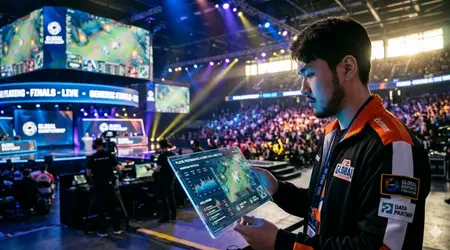
Il panorama commerciale del gaming moderno si basa in larga misura su esperienze per i fan estremamente mirate, sulla vendita di oggetti digitali e sui media interattivi.
Le emittenti utilizzano la telemetria in tempo reale per alimentare leghe fantasy in tempo reale, piattaforme di scommesse dinamiche e dashboard immersive per gli spettatori. Questo profondo livello di interazione con il pubblico genera milioni di dollari di entrate aggiuntive, garantendo la sostenibilità finanziaria dei circuiti globali.
Tuttavia, il conflitto principale ruota attorno alla distribuzione dei profitti. Se la spettacolare e impeccabile registrazione dei movimenti di un giocatore viene confezionata e venduta come guida di allenamento digitale di alta qualità, quel giocatore ha diritto a una percentuale diretta dei ricavi.
Quando La proprietà dei dati ha un impatto globale Nel contesto dei franchise di eSport, si creano complesse controversie sui diritti d'autore che mettono in discussione i modelli commerciali tradizionali e i contratti standard dei giocatori.
Riuscite a immaginare un velocista olimpico costretto a cedere i dettagli della propria tecnica di corsa a un'azienda commerciale senza ricevere un centesimo?
Questo è esattamente ciò che accade quando le leghe di eSport rivendicano il controllo totale della telemetria di gioco. Il settore deve istituire ecosistemi di condivisione dei ricavi equi per prevenire lo sfruttamento sistematico di concorrenti creativi e altamente qualificati.
In prospettiva, i registri blockchain e gli ID dati decentralizzati consentiranno probabilmente ai giocatori di cedere temporaneamente i propri dati di telemetria a trasmissioni specifiche.
Questo modello garantisce che, al termine del torneo, i diritti su tali risorse digitali uniche tornino interamente al creatore. Abbracciare questo livello di autonomia è l'unico modo per costruire un'industria dell'intrattenimento moderna e sostenibile.
Qual è il valore finanziario della telemetria in tempo reale?
I dati telemetrici in tempo reale sono il carburante per le moderne piattaforme di scommesse sportive, le applicazioni di intelligenza artificiale predittiva e le piattaforme di streaming interattive di alta qualità.
L'accesso a dati di gioco in tempo reale, con una precisione al millisecondo, consente ai fornitori di scommesse di adeguare le quote istantaneamente, generando enormi flussi di entrate a livello globale. È la spina dorsale della moderna monetizzazione digitale degli sport.
Perché i sindacati dei giocatori lottano per il controllo dei dati?
I sindacati degli atleti riconoscono che la carriera di un atleta è breve, pertanto il controllo a lungo termine della propria immagine digitale e dei dati telemetrici storici è fondamentale per la sicurezza finanziaria.
Grazie a questi diritti, i sindacati possono negoziare lucrosi accordi di licenza collettiva, replicando i modelli di successo già adottati dalla NBA e dalla NFLPA.
In che modo la tecnologia decentralizzata può proteggere i concorrenti?
La tecnologia decentralizzata consente ai giocatori di archiviare i dati ufficiali delle loro partite su registri sicuri e crittograficamente verificati.
Anziché cedere i diritti permanenti, gli atleti possono concedere alle leghe chiavi di accesso temporanee e tracciabili per specifiche finestre di trasmissione. Questo approccio garantisce totale trasparenza e distribuzione automatizzata delle royalty.
Quali prospettive per le infrastrutture dei tornei globali?
L'evoluzione delle infrastrutture competitive dipende interamente dalla definizione di politiche sui dati equilibrate e reciprocamente vantaggiose.
I campionati che danno priorità alla trasparenza nella gestione dei dati attireranno naturalmente i migliori talenti del mondo e si assicureranno sponsorizzazioni aziendali a lungo termine.
Al contrario, gli ecosistemi corrotti o basati sullo sfruttamento si troveranno rapidamente ad affrontare pesanti contestazioni legali, boicottaggi da parte degli atleti e una crescente perdita di fiducia da parte dei tifosi.
Ci stiamo dirigendo verso un futuro in cui ogni singolo movimento del mouse sarà bloccato dietro un complesso muro di proprietà intellettuale aziendale?
Per evitare questa stagnazione, sviluppatori, organizzatori di tornei e rappresentanti degli atleti devono collaborare per redigere una Carta dei diritti sui dati ufficiale e universale.
Questo quadro normativo deve tutelare la privacy individuale, consentendo al contempo allo sport di innovare sulle piattaforme di trasmissione.
Man mano che gli strumenti avanzati di apprendimento automatico continuano a cambiare il modo in cui analizziamo il gaming competitivo, il valore dei dati di addestramento umani di alta qualità aumenterà vertiginosamente.
Garantire che La proprietà dei dati ha un impatto globale Conquistare il successo in modo positivo e costruttivo è la sfida cruciale della nostra generazione.
Le scelte compiute oggi dagli organizzatori dei tornei plasmeranno il panorama dell'intrattenimento digitale per i decenni a venire.
Domande frequenti
Che cosa significa la proprietà dei dati negli eSport professionistici?
La proprietà dei dati si riferisce ai diritti legali che regolano la raccolta, l'archiviazione e la monetizzazione delle informazioni digitali generate durante le competizioni sportive.
Ciò include gli input del giocatore, le coordinate di gioco, le comunicazioni vocali e le statistiche biometriche.
In che modo l'accesso ai dati di telemetria influisce sulla correttezza competitiva?
Se una squadra acquisisce file di telemetria dettagliati riguardanti le tendenze meccaniche di un avversario, può facilmente contrastarne le strategie.
Regolamentare questo accesso impedisce alle organizzazioni facoltose di acquistare un vantaggio analitico sleale.
Un giocatore può rifiutarsi di condividere i propri dati biometrici durante un torneo?
In base alle principali leggi sulla privacy, come il GDPR, i giocatori hanno il diritto legale di negare il consenso al tracciamento biometrico personale.
Tuttavia, i contratti dei tornei spesso includono clausole commerciali specifiche che complicano questi rifiuti.
Chi trae profitto dalla vendita dei dati delle partite in diretta?
Attualmente, gli organizzatori dei tornei e gli sviluppatori di giochi si accaparrano la stragrande maggioranza dei ricavi derivanti dai dati. Le associazioni dei giocatori si battono attivamente per cambiare questa situazione, promuovendo modelli moderni di condivisione dei ricavi.
Che cos'è un periodo di quarantena dei dati negli eSport?
La quarantena dei dati è un periodo di tempo rigoroso, soggetto a normative specifiche, durante il quale gli organizzatori del torneo conservano in modo sicuro i file di telemetria grezzi.
Ciò impedisce che informazioni strategiche trapelino ad altri concorrenti prima della conclusione di un evento.
