
Rivisitazione delle avventure punta e clicca degli anni '90
Annunci
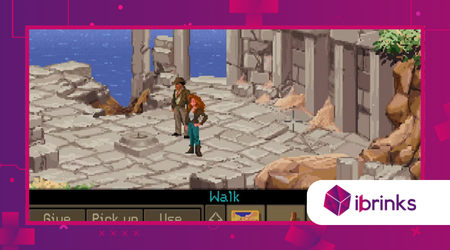
Punta e clicca Le avventure degli anni '90 occupano un posto sacro e nostalgico nella storia dei videogiochi per una generazione di giocatori appassionati.
Questi giochi hanno definito un'epoca sofisticata della narrazione, combinando enigmi complessi con trame avvincenti e un umorismo spesso brillante. Il genere privilegiava l'immersione narrativa rispetto ai riflessi.
Questo classico stile di gioco d'avventura ha affascinato i giocatori grazie alla ricchezza del mondo di gioco, alla splendida grafica disegnata a mano e ai personaggi memorabili.
Ha dimostrato che è possibile ottenere un coinvolgimento profondo anche senza le meccaniche frenetiche dei titoli d'azione.
Perché il genere punta e clicca ha avuto successo negli anni '90?
Gli anni '90 sono stati il crogiolo perfetto per l'ascesa di punta e clicca I giochi si sono evoluti grazie ai cambiamenti tecnologici e alle mutevoli esigenze dei giocatori. Il passaggio dalle interfacce testuali a quelle grafiche è stato rivoluzionario.
Annunci
La tecnologia CD-ROM ha permesso agli sviluppatori di includere grandi quantità di audio di alta qualità, doppiaggio e sfondi grafici dettagliati. Ciò ha reso possibile una narrazione cinematografica prima impossibile sui sistemi precedenti.
++ La rivoluzione Arcade degli anni '70 spiegata
In che modo il motore SCUMM ha rivoluzionato la progettazione dei videogiochi?
Il motore SCUMM (Script Creation Utility for Maniac Mansion) di LucasArts è stato una pietra miliare del genere. Ha semplificato l'interfaccia, spostando i comandi da un parser testuale a elenchi di verbi cliccabili.
Questo design semplificato ha focalizzato l'attenzione del giocatore interamente sulla risoluzione degli enigmi e sulla progressione della storia. Ha reso le interazioni complesse intuitive e accessibili a un pubblico più ampio.
Leggi anche: Analisi dell'ascesa delle rimasterizzazioni retrò: marketing e nostalgia
Che ruolo hanno avuto l'umorismo e la scrittura nel loro successo?
I titoli migliori, soprattutto quelli di LucasArts, erano caratterizzati da un'arguzia tagliente e un umorismo irriverente. Scrittori come Tim Schafer e Ron Gilbert trattavano i videogiochi come commedie interattive.
Questa enfasi sui dialoghi e sulla profondità dei personaggi ha garantito che i giochi fossero ricchi di citazioni memorabili. Hanno elevato il medium a una forma di letteratura interattiva, richiedendo intelligenza al giocatore.
Per saperne di più: Giochi FPS retrò prima che DOOM cambiasse tutto
L'eredità comica di Monkey Island
Il segreto dell'Isola delle Scimmie (1990) ha stabilito un punto di riferimento per i giochi d'avventura comici. La sua famosa meccanica di "combattimento con la spada a suon di insulti" combinava dialoghi arguti con la logica degli enigmi.
Questa caratteristica non era solo divertente ma richiedeva una vera deduzione e un riconoscimento di schemi. Ha fuso perfettamente il sapore narrativo con una vera sfida di gioco, confermando la forza del punta e clicca approccio.
Come hanno fatto i puzzle a diventare il linguaggio dei giochi punta e clicca?
Gli enigmi costituivano il linguaggio meccanico fondamentale del genere, trasformando semplici oggetti dell'inventario in chiavi per complesse serrature narrative. Richiedevano ai giocatori pensiero laterale e astratto.
Queste sfide spesso consistevano nel combinare elementi apparentemente non correlati in modi illogici, ma internamente coerenti: la famigerata "logica lunare" che allo stesso tempo frustrava e deliziava i fan.
Qual era il fascino dei rompicapo "Moon Logic"?
"Moon Logic" descrive enigmi che si basano su una logica unica, spesso assurda, dettata dal mondo comico o fantastico del gioco. I giocatori dovevano pensare come l'eccentrico creatore del gioco.
Risolvere questi enigmi procurava un immenso senso di soddisfazione, che andava ben oltre le semplici soluzioni basate sulla chiave nella serratura. Erano prove di creatività, non solo di osservazione.
Perché la gestione delle scorte era così importante?
La schermata dell'inventario rappresentava l'intero arsenale del protagonista, contenente di tutto, dai polli di gomma ai documenti cruciali. Un uso efficace dell'inventario era sinonimo di successo nel gioco.
La sfida consisteva nel comprendere l'utilità di oggetti comuni in scenari inaspettati. Questa costante necessità di sperimentare ha favorito un profondo coinvolgimento nell'ambiente di gioco.
Il gioco come una escape room
Suonare un classico punta e clicca L'avventura è fondamentalmente come essere intrappolati in un elaborato, splendidamente progettato escape room.
Ogni oggetto, frammento di dialogo e osservazione è un indizio necessario per sbloccare lo spazio successivo o il prossimo punto della narrazione.
Quali titoli classici hanno definito il decennio?
Gli anni '90 hanno visto un'esplosione di grande influenza punta e clicca titoli, che definirono sottogeneri distinti, dal noir fantascientifico all'horror gotico. La qualità e la varietà erano sorprendenti.
Questi giochi, molti dei quali sono ancora disponibili oggi in versioni rimasterizzate o riedizioni, hanno stabilito standard elevati per la qualità artistica e la scrittura che continuano a essere un punto di riferimento per gli sviluppatori moderni.
Perché è Fandango tenebroso Considerato un capolavoro?
Fandango tenebroso (1998) è spesso citato per la sua ambiziosa ambientazione neo-noir nella Terra dei Morti. Ha fuso la mitologia azteca con dialoghi in stile Humphrey Bogart.
La sua portata cinematografica, la sofisticata colonna sonora jazz e i temi incisivi sulla burocrazia e la moralità ne hanno consolidato lo status di punto di riferimento per il genere.
In che modo lo stile di Sierra si differenziava dall'approccio di LucasArts?
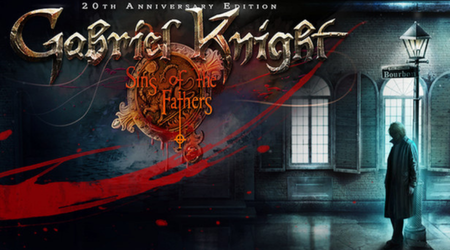
Sierra On-Line, con serie come La ricerca del re E Cavaliere GabrieleSpesso adottavano un tono più cupo e serio e includevano frustranti "stati di morte". LucasArts, al contrario, era famosa per aver reso i suoi giochi impossibili da fallire.
L'enfasi di Sierra sulle conseguenze realistiche e sugli enigmi impegnativi, a volte pericolosi, ha creato un diverso tipo di tensione e una base di fan distinta per il punta e clicca stile.
La rilevanza duratura di Giorno del tentacolo
Giorno del tentacolo (1993) ha introdotto meccaniche innovative di viaggio nel tempo, costringendo i giocatori a risolvere enigmi in tre diversi periodi storici contemporaneamente. È stato un capolavoro strutturale.
Questo puzzle interconnesso richiedeva ai giocatori di manipolare il passato (come inviare oggetti nel futuro) per influenzare il futuro, dimostrando la profondità intellettuale che il genere poteva raggiungere.
In che modo l'eredità dei giochi punta e clicca ha influenzato i videogiochi moderni?
Sebbene il genere abbia subito un breve declino all'inizio degli anni 2000, la sua influenza sui videogiochi moderni e sulle narrazioni interattive è innegabile. La sua attenzione alla profondità narrativa ha permeato titoli di successo.
Le meccaniche e la sensibilità narrativa delle avventure classiche continuano a ispirare gli sviluppatori indipendenti, portando a una significativa rinascita e rivitalizzazione del genere.
Perché le versioni rimasterizzate e le riedizioni sono così popolari al giorno d'oggi?
Il successo continuo dei remaster (come Tutto gas O Spada spezzataCiò indica un forte mercato per la nostalgia e la narrazione di qualità. Le nuove generazioni stanno scoprendo questi classici.
Grafica e interfacce aggiornate rendono queste narrazioni vintage accessibili al pubblico moderno, che non ha familiarità con i limiti hardware originali. Il ciclo di gioco principale, tuttavia, rimane intramontabile.
Qual è il ruolo del crowdfunding nella rinascita del genere?
Le piattaforme di crowdfunding hanno permesso a creatori originali, come Ron Gilbert, di aggirare i modelli editoriali tradizionali. Questo finanzia direttamente i successori spirituali e i nuovi punta e clicca avventure.
Progetti come Parco Thimbleweed (2017) ha dimostrato che un pubblico fedele e appassionato è disposto a finanziare giochi che privilegiano le meccaniche classiche e una scrittura arguta rispetto alla grafica all'avanguardia.
Valore di mercato della ripresa
Secondo l'analisi di mercato che monitora le principali piattaforme di distribuzione digitale (2024), il genere di nicchia dei giochi di avventura incentrati sulla narrazione (inclusi i nuovi punta e clicca titoli e rimasterizzazioni) ha registrato un tasso di crescita annuo composto del 8% negli ultimi cinque anni, confermando una ripresa sostenuta del mercato, trainata sia dalla nostalgia che da un nuovo interesse.
| Titolo del gioco classico | Anno | Sviluppatore | Tema/Genere principale | Funzionalità legacy |
| Il segreto dell'Isola delle Scimmie | 1990 | LucasArts | Fantasy piratesco comico | Combattimento con la spada e insulti (Enigma dialogico) |
| Mist | 1993 | Ciano | Puzzle/Esplorazione astratta | Puzzle immersivi, silenziosi e in prima persona |
| Fandango tenebroso | 1998 | LucasArts | Fantasy neo-noir/gotico | Narrazione cinematografica, direzione artistica distintiva |
| Gabriel Knight: I peccati dei padri | 1993 | Sierra On-Line | Mistero/horror soprannaturale | Narrazione matura, ricerca nel mondo reale |
Conclusione: La longevità dei videogiochi basati sulla narrazione
L'età dell'oro punta e clicca I giochi degli anni '90 testimoniano il potere della narrazione pura, dell'ingegnoso design degli enigmi e dell'umorismo basato sui personaggi. Questi giochi privilegiavano l'immersione rispetto allo spettacolo.
Hanno gettato le basi per la narrazione interattiva che continua a influenzare i giochi d'avventura ancora oggi, dimostrando che un cursore e un inventario sono tutto ciò che serve per un'impresa epica.
Quand'è stata l'ultima volta che un videogioco ti ha fatto davvero pensare, e non solo reagire? Condividi le tue soluzioni preferite agli enigmi di "logica lunare" nei commenti qui sotto!
Domande frequenti
Qual è la differenza tra un gioco d'avventura e un gioco punta e clicca?
Punta e clicca È un sottogenere dei giochi d'avventura, definito dalla sua interfaccia basata sul mouse. I primi giochi d'avventura si affidavano a parser di testo per l'inserimento dei comandi.
È Mist Considerato un'avventura punta e clicca?
SÌ. Mist (1993) è un classico punta e clicca avventura, sebbene si concentrasse su enigmi ambientali astratti ed esplorazione piuttosto che su una commedia basata sull'inventario.
Cosa significa che i giochi LucasArts non avevano "stati di morte"?
Significa che il giocatore non può morire o trovarsi in una situazione senza via d'uscita, a differenza di molti giochi Sierra. Questa regola è stata pensata per mantenere il giocatore concentrato sulla storia e sugli enigmi.
È difficile giocare a questi giochi retrò sui computer moderni?
Molti di questi titoli sono disponibili sulle piattaforme moderne (Steam, GOG) tramite riedizioni ufficiali o emulatori creati dai fan, il che li rende oggi facilmente accessibili.
Si producono ancora moderni giochi di avventura grafica?
Sì, grazie al crowdfunding e alla scena indie, c'è stata una rinascita. Gli sviluppatori stanno creando nuovi titoli che onorano il classico punta e clicca stile.
