
Munculnya klub multi-game dalam ekonomi esports.
Pengumuman
The financial restructuring of professional esports has reached a critical inflection point, forcing major esports organizations to pivot from single-title dominance toward diversified corporate structures.
In this modern landscape, multi-game clubs operate as diversified media conglomerates rather than traditional single-game rosters, mitigating high operational risks and creating sustainable revenue channels through global brand partnerships.
Historically, organizations relied on venture capital infusions and volatile sponsorship deals tied to individual game titles.
However, the contemporary competitive ecosystem demands risk diversification across multiple publisher ecosystems, including League of Legends, Valorant, and Counter-Strike.
Operating across several competitive titles shields organizations from sudden publisher rule changes, game popularity declines, and roster inflation.
Pengumuman
Consequently, these consolidated entities secure higher enterprise valuations, capture broader demographic audiences, and build resilient commercial platforms capable of weathering market fluctuations within the broader digital entertainment industry.
To help navigate this comprehensive analysis of modern esports economics, the following outline highlights the primary operational, financial, and strategic pillars discussed below:
- What defines the structural shift toward multi-game gaming organizations?
- Diversification strategies across active competitive titles
- Risk management through publisher portfolio balance
- Fan base acquisition across different gaming demographics
- How do multi-game organizations generate sustainable operational revenue?
- Cross-sponsorship deals and global brand integrations
- Shared infrastructure, facilities, and staff efficiency
- Digital item sales and publisher revenue sharing models
- Why is ecosystem consolidation transforming the competitive gaming landscape?
- Capital allocation strategies in franchised esports leagues
- Franchise stability versus independent team vulnerabilities
- Long-term valuation metrics for modern gaming brands
- Operational Benchmarks of Major Global Esports Organizations
- The Future Strategic Horizon for Global Gaming Entities
- Pertanyaan yang Sering Diajukan
What defines the structural shift toward modern gaming organizations?

What is the core structure of a multi-game esports organization?
Modern esports organizations function as multi-tiered entertainment brands that manage distinct rosters across multiple major competitive video games simultaneously.
By building centralized corporate management, legal, and creative teams, multi-game clubs streamline operational overhead while supporting dozens of professional athletes across diverse tournament circuits worldwide.
This structural centralization allows shared resources, such as high-performance training facilities and sports psychology staff, to service multiple team rosters efficiently.
Additionally, managing teams across diverse titles creates a unified platform that appeals to global enterprise sponsors seeking broad reach across different gaming demographics.
How does game portfolio diversification protect against publisher volatility?
Relying on a single game title leaves esports organizations extremely vulnerable to publisher decisions, balance updates, and shifting video game meta trends.
Developing a broad tournament portfolio functions much like a financial investment strategy, insulating multi-game clubs from unexpected competitive drops or league closures in any individual game title.
If one competitive scene experiences declining viewership or unfavorable monetization terms, stable performance in other major titles maintains overall brand visibility.
Strategic diversification ensures consistent media exposure, preserving baseline commercial value regardless of temporary market shifts affecting specific gaming communities.
++ Mengapa Format Turnamen Menjadi Bagian dari Hiburan?
Why do multi-game structures expand demographic reach and brand equity?
Video game audiences remain highly fragmented, with fans of tactical shooters often consuming entirely different content than enthusiasts of multiplayer online battle arenas.
Deploying competitive rosters across distinct genres enables multi-game clubs to capture overlapping segments of the broader gaming consumer base efficiently.
This multi-audience reach greatly enhances overall brand equity, turning a local team fan base into a global community of dedicated consumers.
Consequently, commercial partners gain direct access to varied age groups and regional markets through a single sponsorship contract with the umbrella organization.
How do multi-game organizations generate sustainable operational revenue?
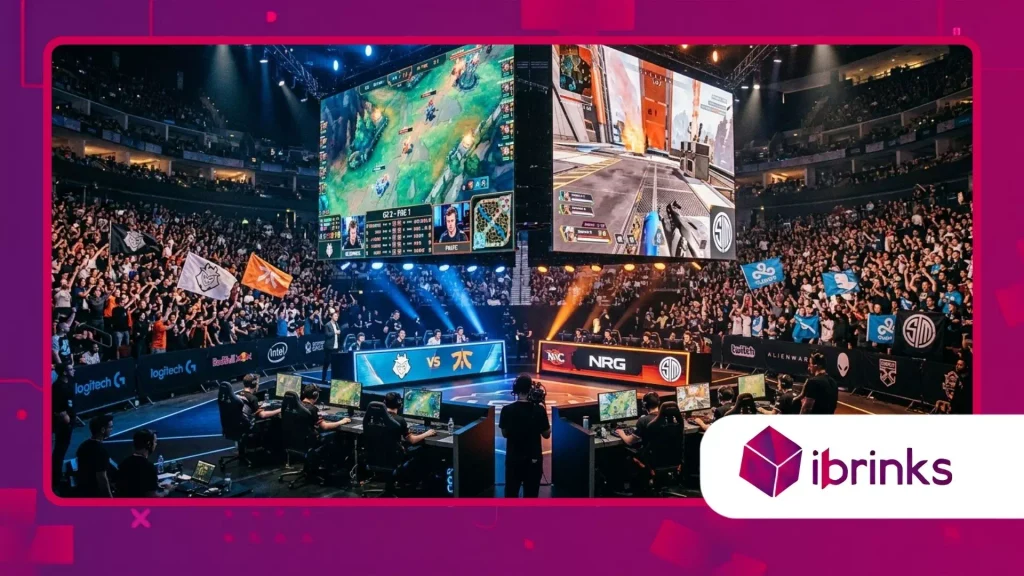
How do multi-brand sponsorship deals scale across diverse rosters?
Commercial sponsors increasingly favor large-scale partnerships that provide exposure across multiple streaming platforms, tournament stages, and digital content formats.
Centralized competitive entities maximize revenue by bundling sponsorship rights across all their active rosters, presenting a unified value proposition to corporate partners.
According to official financial disclosures, Saudi Arabia’s Esports World Cup Foundation allocated over $60 million in total prize pools and club incentives in 2024, explicitly rewarding multi-title participation and cross-game performance.
This incentivized structure encourages brands to establish multi-title presence, significantly raising average contractual values compared to single-game team sponsorships.
Baca juga: Munculnya Format Multi-Genre dalam Kejuaraan Permainan
How do shared operational facilities lower team maintenance costs?
Maintaining separate corporate offices, content studios, and training hubs for individual competitive teams generates unsustainable financial overhead for growing organizations.
By consolidating operational logistics within centralized performance centers, multi-game clubs achieve significant economies of scale across training, content production, and merchandise distribution.
Performance coaches, physical therapists, and media production crews offer support across various rosters, dramatically reducing per-player operational costs.
This streamlined expenditure model optimizes capital allocation, directing crucial funding toward player acquisition, strategic intelligence, and long-term business development.
Baca selengkapnya: Bagaimana Kepemilikan Data Mempengaruhi Kejuaraan Game Global
What role do publisher revenue sharing and digital cosmetics play?
Publisher-led digital monetization programs have transformed how competitive organizations generate consistent, non-sponsorship revenue streams year-round.
Revenue-sharing initiatives such as in-game team skins, digital stickers, and branded cosmetic items provide teams with direct income linked directly to fan engagement.
Participation in major franchised leagues ensures baseline financial support, allowing stable organizations to project annual cash flows with far greater precision.
When combined with prize money pools, digital cosmetic sales offer vital operational stability that supports multi-team expansion into emerging competitive gaming regions.
Why is ecosystem consolidation transforming the competitive gaming landscape?
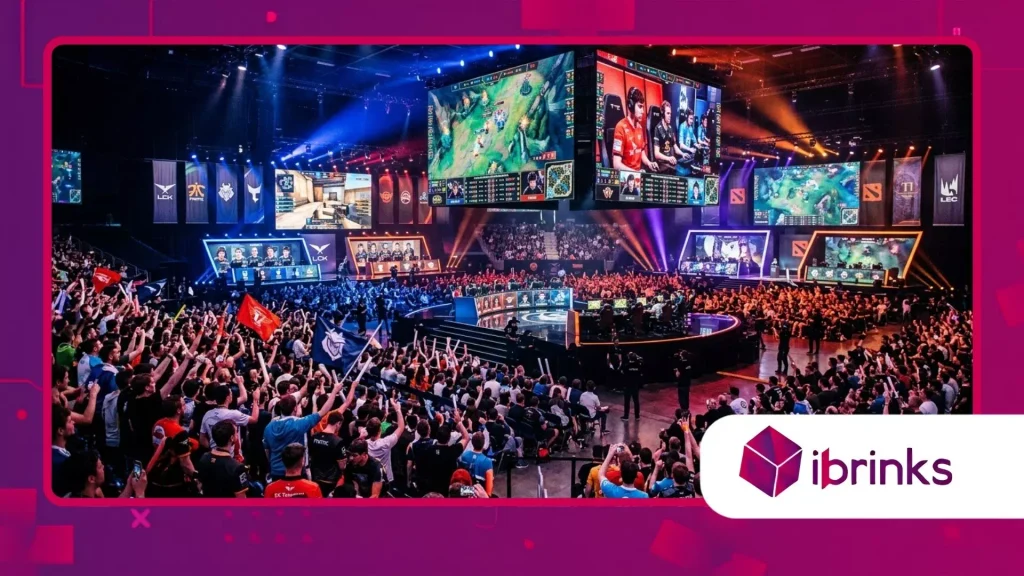
How do franchised leagues influence long-term capital allocation?
Entering top-tier franchised leagues demands substantial upfront capital, rigorous financial auditing, and long-term commitment to operational compliance set by game publishers.
Consolidated competitive entities leverage their diversified brand equity to secure venture capital and private equity backing necessary for franchise slot purchases.
Their established commercial track records reassure investors that capital will be deployed efficiently across low-risk, high-return esports initiatives.
In turn, franchised stability enables these organizations to negotiate favorable, long-term contracts with prospective corporate sponsors and global broadcasting partners.
Why are single-title esports teams facing economic challenges?
Single-title esports organizations operate under severe financial constraints due to limited revenue diversification and high exposure to single-game viewership fluctuations.
When a specific title suffers from reduced publisher support, falling viewership, or sponsor attrition, single-title teams lack alternative revenue streams to cover fixed costs.
This financial fragility frequently leads to sudden roster liquidations, team bankruptcies, or forced corporate sales during broader market contractions.
Conversely, multi-roster operations survive temporary market downturns by reallocating corporate resources toward their better-performing, higher-margin competitive divisions.
How does centralized brand equity drive long-term business valuations?
Enterprise valuation in the modern esports sector depends heavily on audience retention, intellectual property rights, and overall commercial scalability over extended periods.
Industry analysts evaluate gaming brands based on their overall digital footprint, content views, and cross-platform fan engagement rather than isolated tournament wins.
A consolidated brand identity allows organizations to monetize intellectual property through lifestyle apparel lines, co-branded hardware peripherals, and digital media networks.
This scalable business model ensures long-term enterprise value growth, cementing the organization’s position as a permanent staple of modern entertainment culture.
| Organization Name | Primary Titles Operated | Key Revenue Channels | Regional Focus |
| Team Liquid | LoL, Dota 2, Valorant, CS2 | Sponsorships, Digital Items, EWC Incentives | Global (NA / EU) |
| G2 Esports | LoL, Valorant, CS2, Sim Racing | Merchandising, Media Licensing, Sponsorships | Europe / North America |
| Fnatic | LoL, Valorant, CS2, Apex Legends | Digital Cosmetics, Direct Retail, League Revenue | Europe / Asia-Pacific |
| Team Falcons | Apex Legends, CS2, Dota 2, Rocket League | Federation Funding, Prize Purses, Direct Sponsorships | Middle East / Global |
Strategic Realignment in the Modern Competitive Era
The structural transformation toward multi-roster operations represents an essential evolution for sustainable business growth within the global esports economy.
As publishers continuously adapt monetization models and league frameworks, consolidated corporate structures provide the financial resilience necessary to withstand broader market shifts.
The integration of centralized management, cross-title sponsorship packages, and shared performance infrastructure has established a viable blueprint for long-term operational profitability.
Furthermore, major multi-title tournament frameworks continue to reward broad competitive participation, accelerating industry consolidation and raising operational standards across all regions.
Moving forward, organizations that successfully manage multi-game brand platforms will dominate market share, set commercial benchmarks, and lead the future of digital sports entertainment.
Will your favorite esports team adapt to this multi-title corporate model, or will single-game purists struggle to survive in the changing market? Share your thoughts and join the conversation in the comments section below!
Pertanyaan yang Sering Diajukan
What is the primary advantage of operating a multi-game esports club?
The primary advantage lies in financial risk diversification and broader commercial reach across multiple gaming audiences.
Operating across distinct titles prevents an organization from relying entirely on the commercial health or publisher support of a single video game.
Additionally, it allows clubs to offer corporate sponsors massive, multi-demographic exposure under a single unified partnership contract, maximizing overall revenue generation.
How do multi-game clubs handle high operational costs across different titles?
Clubs mitigate high operational expenditures by centralizing core business services, including marketing, legal, content production, and performance support teams.
Instead of maintaining isolated staff for every roster, shared facilities and administrative departments support multiple teams simultaneously, creating significant economies of scale.
This operational efficiency drastically lowers per-player overhead while maintaining high performance standards across all active competitive scenes.
How do in-game digital cosmetics benefit major esports organizations?
In-game digital cosmetics, such as branded character skins, weapon stickers, and team logos, provide clubs with direct, non-sponsorship revenue generated by their fan bases.
Publishers share a percentage of sales directly with participating organizations, creating a reliable, highly lucrative income stream tied to team popularity.
This steady revenue helps cushion teams against volatile tournament placement outcomes and shifting commercial sponsorship markets.
Why are global esports incentives favoring multi-game participation?
Major international tournament operators and federations design financial incentive programs to encourage high-level cross-game competition and maximize total tournament viewership.
By rewarding organizations that field top-tier rosters across numerous titles, operators ensure higher overall fan engagement and broader streaming metrics.
These incentivized reward programs offer substantial financial payouts that directly boost the annual profitability of broad competitive clubs.
Can single-title esports teams remain commercially viable today?
While single-title esports teams can achieve short-term success during peak popularity periods of a specific game, long-term commercial viability remains difficult without diversification.
Single-title teams remain highly exposed to game viewership drops, publisher rule changes, and roster cost inflation without alternative revenue buffers.
Consequently, most growing single-title operations eventually choose to expand into additional titles or merge with established multi-game clubs to ensure long-term stability.
