
How community challenges keep multiplayer games culturally relevant
Pengumuman
Community challenges keep multiplayer games culturally relevant by turning isolated player sessions into shared cultural milestones that dominate social media feeds, live-streaming platforms, and daily group chats.
When millions of players unite around a single ticking clock to unlock a global reward or defend a virtual planet, a standard video game transforms into a living, breathing event that people talk about even while away from their screens.
Rather than letting a title fade into the background noise of endless digital releases, developers use these collective goals to spark urgency, camaraderie, and organic word-of-mouth buzz that paid advertising simply cannot replicate.
In the fast-moving gaming landscape of 2026, attention spans shrink faster than ever, and new live-service titles launch almost every week.
Studios face the constant threat of player churn once the initial launch excitement wears off and routine gameplay settles in.
Pengumuman
Cooperative global milestones solve this retention puzzle by giving veterans and newcomers alike a compelling reason to log back in on a Tuesday night.
You are no longer grinding solely for your own digital cosmetic or leaderboard rank; instead, every match you complete pushes a communal progress bar forward alongside strangers from Tokyo, London, and São Paulo.
Key Takeaways Inside This Article
- The Mechanics of Collective Urgency: How synchronized global progress bars, shared risk-reward loops, and time-limited stakes turn routine matches into high-drama social spectacles.
- Real-World Cultural Breakthroughs: Concrete examples from modern hits like Helldivers 2, Fortnite, Dan Laut Pencuri showing how community goals capture mainstream internet culture.
- Organic Virality and Creator Ecosystems: Why streamers, meme makers, and gaming journalists rally behind server-wide objectives without needing sponsored incentives.
- Comparative Breakdown of Challenge Models: A structured look at the most effective community event formats and the specific cultural reactions they generate.
- Design Pitfalls and Future Outlook: What happens when developers miscalculate difficulty targets and how studios refine cooperative events for long-term trust.
Why Do Community Challenges Spark Mainstream Cultural Conversations?
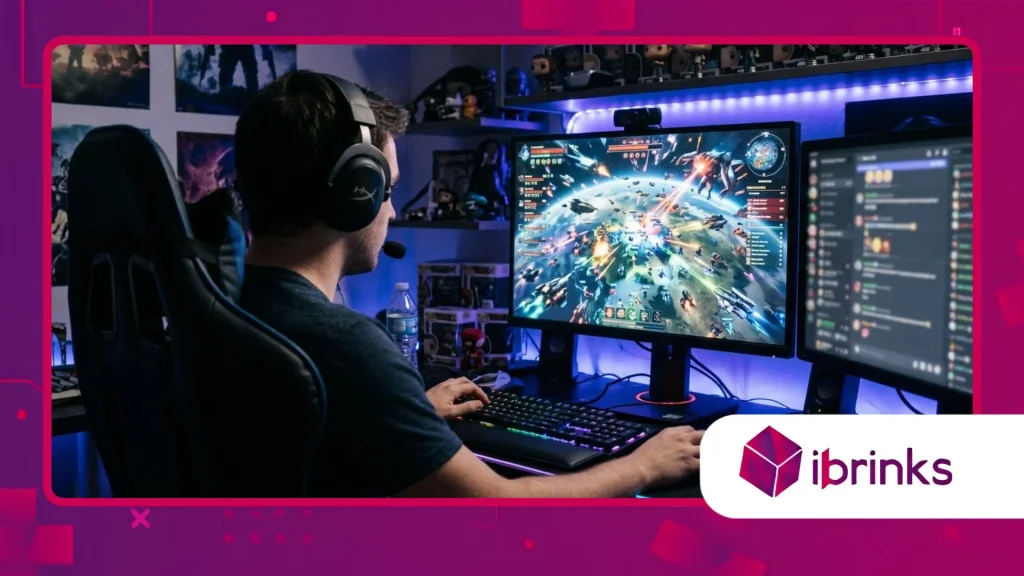
How Does Shared Urgency Turn Routine Gameplay Into a Global Event?
Psychological momentum shifts dramatically the moment a developer replaces an individual checklist with a server-wide countdown.
Traditional battle passes encourage solitary progression, which often feels like a second job once the novelty fades.
By contrast, a shared goal introduces genuine social accountability, because every player knows their contribution either helps secure the prize or leaves the entire community empty-handed.
That collective tension mimics the atmosphere of a live championship broadcast, pulling casual observers back into active participation just to witness whether the player base will succeed before the timer expires.
Think of a well-designed community challenge like a massive digital barn-raising where thousands of neighbors show up with hammers before a storm hits.
Nobody wants to be the person sitting on the porch while everyone else raises the roof, and the celebration afterward belongs to the entire town rather than a single hero.
When Arrowhead Game Studios introduced Major Orders in Helldivers 2, players spontaneously organized supply lines on Reddit and Discord, coordinating planetary defenses as if they were real military campaigns.
Those grassroots war rooms generated thousands of viral memes, fan art, and news headlines that introduced the game to audiences who had never even touched a tactical shooter.
What Makes Collaborative Milestones More Shareable Than Competitive Leaderboards?
Competitive ranked ladders naturally divide a player base into rigid tiers, celebrating the top one percent while leaving the vast majority feeling excluded from the spotlight.
Cooperative server events invert that dynamic completely, making a brand-new recruit’s contribution count toward the exact same milestone as a veteran streamer with three thousand hours logged.
Because everyone shares the same finish line, players actively recruit their friends, post progress updates on X and TikTok, and celebrate collective breakthroughs across every major social platform.
This inclusive structure is precisely how community challenges keep multiplayer games culturally relevant long after their initial marketing budgets expire.
According to Newzoo’s Global Games Market reporting, social interaction and shared progression rank among the primary drivers keeping players engaged in live-service titles beyond their first six months.
When Rare launches Community Weekends in Laut Pencuri, pirates across the globe collectively earn millions of gold and unlock server-wide emissary multipliers simply by playing together and sharing screenshots online.
Have you ever noticed how quickly your group chat lights up when a game announces a limited-time community goal that requires everyone to pitch in before Sunday night?
++ Bagaimana perumahan dunia bersama mengubah sistem permainan sosial.
Why Do Content Creators Rally Around Server-Wide Objectives?
Live streamers and video essayists constantly hunt for fresh narratives that give their audiences a reason to tune in right now rather than watching a replay later.
A static multiplayer season offers predictable gameplay loops, whereas an evolving community objective provides built-in drama, shifting stakes, and an uncertain outcome that unfolds live on camera.
Creators naturally rally behind these events because the communal progress bar gives their broadcasts an immediate sense of purpose and collective excitement.
Consider an original scenario inside a fictional extraction shooter called Aether Breach, where the studio locks a highly anticipated underground map behind a server-wide resource extraction goal of fifty million data cores.
Within hours, rival streamers who normally compete for tournament trophies form temporary alliances to run high-risk extraction squads, rallying their chat communities to donate resources before the weekend deadline.
Gaming outlets cover the frantic final push in real time, and clips of last-minute extractions flood short-form video feeds, turning an ordinary mid-season update into a defining pop-culture moment.
Which Multiplayer Games Use Community Events to Stay Relevant?
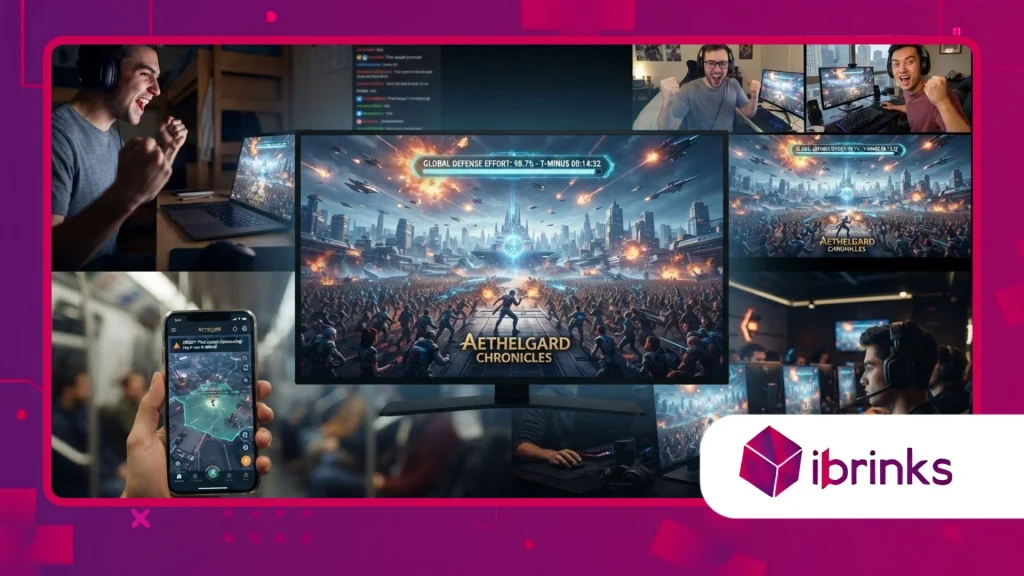
How Do Live-Service Shooters Turn Player Decisions Into Canon Lore?
Modern tactical and hero shooters have discovered that letting players shape the official storyline creates emotional investment that scripted cutscenes cannot match.
When a community challenge determines which faction wins a territory or which character survives an in-game crisis, players treat the outcome as genuine history they helped write.
That sense of co-authorship ensures the game remains a staple topic across gaming podcasts, forums, and news sites for months afterward.
Look at how Helldivers 2 turned the defense of Malevelon Creek into an enduring internet legend that transcended gaming circles entirely.
Players dubbed the jungle planet “Space Vietnam,” creating commemorative capes, fan songs, and viral short videos that accumulated tens of millions of views across TikTok and YouTube.
Because the developers acknowledged those community-driven battles and integrated the outcomes directly into the ongoing Galactic War narrative, players felt their late-night sessions carried real cultural weight.
++ Bagaimana Lelucon Internal Menjadi Identitas Budaya Komunitas Game
Why Do Sandbox and Survival Games Thrive on Collective Building Goals?
Open-world survival titles and social sandboxes rely heavily on emergent storytelling, yet players often drift apart once they finish building their personal bases.
Introducing a shared world-building target or a server-wide boss raid gives scattered builders a central plaza where their creativity and preparation collide.
These collaborative spectacles regularly dominate Twitch directories because viewers love watching thousands of players coordinate chaotic, unpredictable strategies in real time.
Take a second original example in a hypothetical cozy survival MMO named Hearthvale, where autumn storms threaten to wash away the central trading harbor unless players collectively craft two million stone seawalls within ten days.
Solo gatherers start supplying master builders with raw timber and granite, while fashion-focused players organize in-game supply parades to keep morale high during the final forty-eight hours.
When the seawall holds and unlocks a permanent winter festival zone, the community remembers that collective triumph for years, proving once more how community challenges keep multiplayer games culturally relevant across diverse genres.
Baca juga: Mengapa Game Sosial Berkembang Melampaui Mode Multipemain Tradisional
How Do Battle Royales Use Live World Events to Reclaim the Cultural Spotlight?
Battle royale titles operate in one of the fiercest attention markets in entertainment, requiring constant reinvention to keep mainstream audiences engaged.
Rather than relying solely on weapon balance patches, leading developers pair week-long community damage or collection milestones with synchronized live map transformations.
Everyone logs in during the final hour to witness the payoff together, creating digital watercooler moments that rival major television premieres.
Epic Games perfected this formula in Fortnite through live community-driven spectacles like the Chapter 2 Black Hole event and subsequent seasonal finales where players collectively chipped away at massive world objects to trigger map-wide shifts.
During these transitions, millions of concurrent players watch the exact same event unfold simultaneously while millions more tune in via live streams.
Even people who have not played a match in months jump back into the conversation to ask what happened to the island, keeping the brand firmly embedded in mainstream youth culture.
How Do Studios Design Effective Community Challenges Without Alienating Players?
What Separates an Inspiring Milestone From an Exhausting Grind?
The finest line in live-service game design separates an exhilarating communal sprint from a tedious chore that burns out your most loyal fans.
When a target feels achievable through normal, enjoyable play sessions, players gladly log extra hours and cheer as the percentage climbs.
However, if a milestone demands repetitive farming of low-reward activities, excitement curdles into frustration within forty-eight hours.
Smart studios solve this by offering multiple valid pathways to contribute, ensuring competitive fighters, casual explorers, and support specialists all move the needle forward.
Di dalam Monster Hunter Wilds and its predecessors, seasonal festival bounties allow hunters to earn community tickets through standard quests, arena challenges, or cooperative SOS flares.
By rewarding natural playstyles instead of forcing rigid tasks, community challenges keep multiplayer games culturally relevant without making participation feel like unpaid labor.
How Should Developers Handle Unreachable Targets and Live Adjustments?
Nothing punctures community enthusiasm faster than realizing a global progress bar is rigged to succeed automatically or set impossibly high due to flawed player-count math.
Modern players track API data and completion rates within hours of an event launching, immediately calling out artificial progress spikes on public forums.
Transparency and agile pacing adjustments are essential to preserving credibility when live numbers diverge from initial projections.
When Bungie runs annual Guardian Games or community restoration events in Takdir 2, players closely scrutinize daily point tallies and class-balancing modifiers.
Whenever an early target proves overly steep due to weekend player drop-offs, the strongest studios openly communicate adjustments or introduce high-value bonus weekends rather than silently altering backend numbers.
That honesty respects the player base’s time and turns potential PR missteps into moments of genuine developer-player trust.
Which Community Challenge Formats Drive the Highest Cultural Engagement?
Different multiplayer genres require tailored event structures to maximize social sharing and player retention.
Below is a breakdown of the primary community challenge models used across leading live-service games and the cultural impact each format produces.
| Challenge Model | Core Gameplay Mechanic | Primary Social Platform Driver | Mainstream Cultural Impact |
|---|---|---|---|
| Narrative War Orders | Players capture or defend shared map sectors under strict time limits. | Reddit war rooms, Discord tactical servers, and TikTok lore edits. | Creates player-written canon history and viral community memes. |
| Global Resource Drives | Entire server pools materials or currency to unlock a new zone or mode. | YouTube progress updates and Twitch charity-style marathon streams. | Unites solo grinders and veteran creators around a tangible world upgrade. |
| Community Boss Raids | Millions of players chip away at a massive shared health pool over days. | X live-tracking bots, gaming news headlines, and clip compilations. | Generates urgent countdown tension and last-minute hero narratives. |
| Cooperative Bonus Weekends | Server-wide score thresholds unlock tiered XP, currency, or cosmetic drops. | Instagram Stories, group chats, and casual friend-group invites. | Drives high weekend concurrency and pulls lapsed players back into squads. |
Keeping Multiplayer Worlds Alive Through Shared Purpose
Akhirnya, community challenges keep multiplayer games culturally relevant because human beings crave shared experiences that mean something bigger than a solo high score.
Graphics engines age, meta strategies get solved within days, and shiny cosmetic skins quickly lose their novelty in crowded digital storefronts.
What endures in players’ memories is the night they stayed up past midnight with friends and strangers alike to push a communal progress bar across the final one percent.
For developers, editors, and players watching the evolution of online gaming in 2026, the lesson is unmistakable: technology builds the arena, but collective purpose builds the culture.
When studios design honest, well-paced milestones that reward cooperation and turn player actions into living history, their games stop being mere software products and become vibrant digital gathering places.
Which community-driven gaming event kept your squad hooked until the final countdown, and what makes a global challenge worth logging back in for? Share your favorite memories and thoughts in the comments below.
Pertanyaan yang Sering Diajukan
How often should multiplayer games run community challenges?
Most successful live-service studios schedule major community challenges once every four to six weeks, aligning them with mid-season updates or seasonal finales.
Running global events every single week causes rapid player fatigue and diminishes the special event atmosphere that makes communal milestones exciting.
Spacing them out preserves novelty, gives players time to enjoy standard progression, and ensures each server-wide goal feels like a genuine cultural occasion.
Do community challenges work for smaller indie multiplayer games?
Smaller indie multiplayer titles actually benefit tremendously from community challenges when developers scale the numerical targets accurately to match active player counts.
Even a tightly knit community of five thousand daily players can experience intense camaraderie when working together to unlock a new map variant or cosmetic set.
The secret lies in transparent progress tracking and realistic thresholds that celebrate the dedication of a smaller, passionate audience.
What happens when a gaming community fails a global challenge?
Allowing a community to genuinely fail a challenge adds vital authenticity and dramatic stakes to future events, provided the failure leads to an interesting narrative consequence rather than pure punishment.
Dalam permainan seperti Helldivers 2, losing a major defensive order shifts the frontline closer to home worlds and alters available mission modifiers, giving players an immediate revenge arc.
When failure reshapes the story instead of simply locking away content forever, players stay deeply invested.
Why do players prefer cooperative milestones over solo grind events?
Cooperative milestones replace isolated repetition with shared social momentum, making every match feel connected to a wider global effort.
Solo grind events often pressure players into playing alone for hours just to check off personal boxes, which frequently leads to burnout.
By contrast, communal goals allow friends of vastly different skill levels to contribute meaningfully at their own pace while celebrating the same collective victory.
How do community challenges impact player retention after launch?
Server-wide objectives give lapsed players a concrete, time-sensitive reason to reinstall a game and reconnect with old squadmates long after the launch window closes.
Because these events frequently introduce temporary modifiers, narrative twists, and exclusive communal rewards, they break up routine gameplay patterns.
Returning players often stick around well after the challenge concludes once they rediscover the social energy of the active player base.
