
Why Co-Op Games Are Becoming Digital Hangout Spaces
Pengumuman
Co-Op Games represent a fundamental structural pivot in how human beings maintain meaningful social connections across geographical boundaries and demanding schedules.
Today, digital spaces function as modern living rooms where players interact, converse, and share authentic daily experiences alongside interactive gameplay mechanics.
Contemporary digital culture demonstrates that interactive entertainment environments have effectively replaced traditional third places like coffee shops, parks, and malls for millions of adults.
Through shared objectives, low-pressure cooperative mechanics, and ambient voice communication, multiplayer titles foster low-friction socialization, establishing permanent interactive spaces where persistent real-world bonds thrive daily.
Poin-Poin Diskusi Utama
- What Makes Cooperative Titles the New Social Hubs?
- How do shared gameplay spaces redefine modern adult friendships?
- What design mechanics convert simple gaming sessions into digital third places?
- Why are players choosing collaborative experiences over competitive arenas?
- How Do Virtual Worlds Foster Authentic Human Connection?
- How do environmental storytelling and non-verbal cues enhance communication?
- What role do persistent digital environments play in everyday social routines?
- Why does low-stakes cooperative gameplay reduce social burnout and anxiety?
- Why Is the Gaming Market Shifting Toward Cooperative Experiences?
- What market metrics demonstrate the rapid commercial expansion of cooperative titles?
- How are developers evolving game design to prioritize community longevity?
- Why do cooperative ecosystems sustain higher long-term player retention rates?
What Makes Cooperative Titles the New Social Hubs?
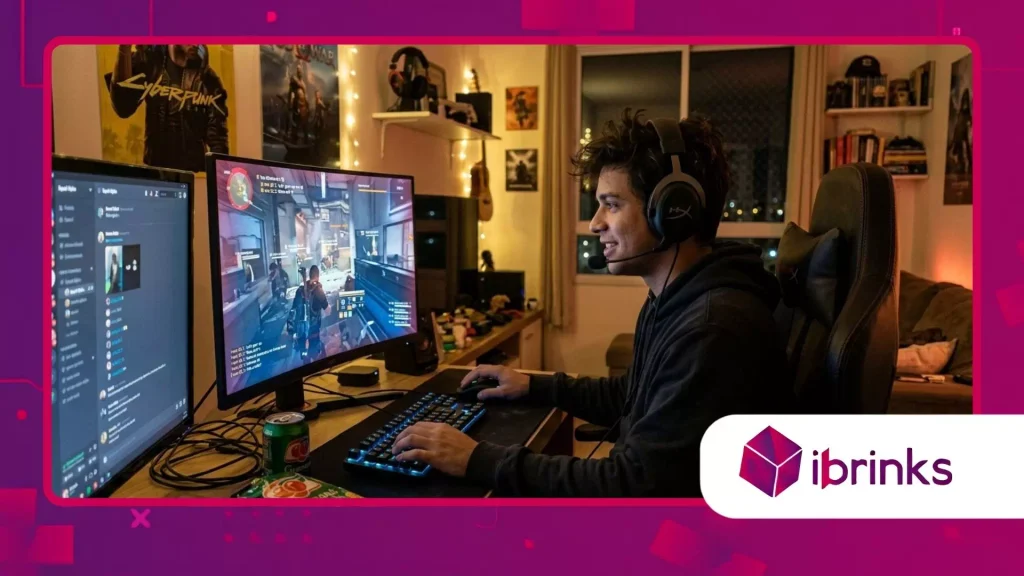
How Do Shared Gaming Spaces Redefine Modern Adult Friendships?
Modern adulthood presents significant friction to maintaining frequent physical gatherings, making virtual environments essential for sustaining long-term personal relationships.
Pengumuman
As traditional physical hangouts become increasingly difficult to coordinate, Co-Op Games fill the void by offering structured yet relaxed environments where friends gather effortlessly without logistical friction.
Rather than requiring full focus on complex competition, cooperative platforms allow participants to chat casually while actively working toward common visual goals together.
This dual dynamic creates a natural balance between active entertainment and passive social interaction, offering an authentic substitute for hanging out in person after long working hours.
What Design Mechanics Convert Gaming Sessions Into Digital Third Places?
Sociologist Ray Oldenburg originally defined “third places” as anchor environments where individuals gather, converse, and relax outside the constraints of home and office settings.
Modern developers intentionally engineer cooperative environments with open hubs, customizable quarters, and open-ended activities that closely mirror these physical community spaces.
When players gather in virtual base camps to manage inventory, decorate shared spaces, or plan upcoming objectives, the actual gameplay temporarily pauses in favor of organic social discourse.
These persistent operational spaces encourage spontaneous conversations, turning structured software packages into welcoming visual destinations where community presence matters far more than rapid skill progression.
++ Menggunakan media sosial untuk meningkatkan sesi permainan multipemain.
Why Are Players Choosing Collaborative Experiences Over Competitive Arenas?
High-stakes competitive multiplayer environments often induce cognitive fatigue and performance anxiety, turning leisure hours into demanding high-pressure tasks.
Cooperative game design counteracts this systemic fatigue by shifting player focus toward shared triumph, mutual assistance, and joint problem-solving across complex virtual boundaries.
By removing opponent toxicity and rank degradation, collaborative environments create safe spaces for creative expression, inclusive teamwork, and authentic personal vulnerability.
Players choose these reassuring spaces because victory is shared collectively, ensuring every participant feels valued regardless of their individual skill level or mechanical speed.
How Do Virtual Worlds Foster Authentic Human Connection?
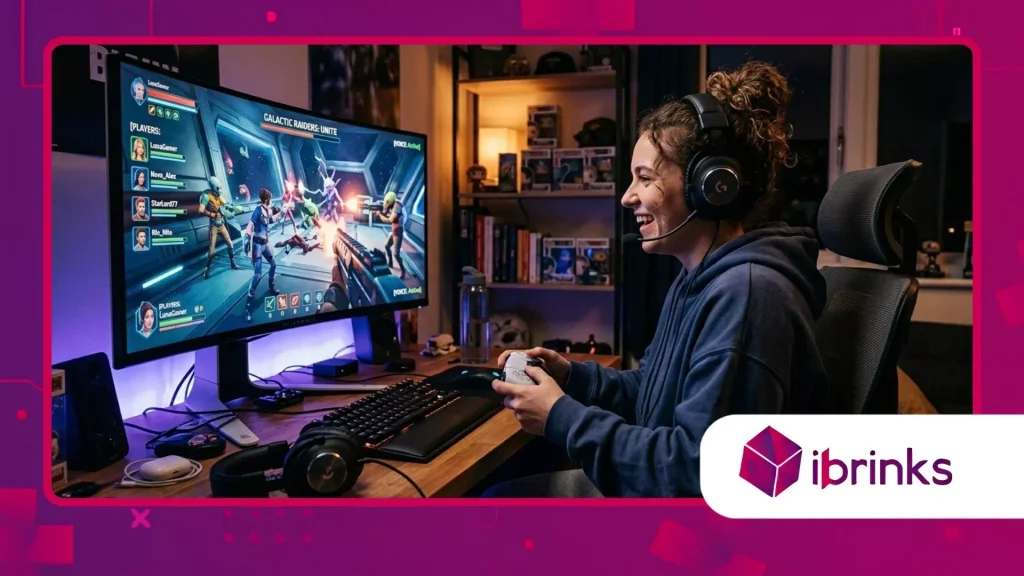
How Do Environmental Storytelling and Non-Verbal Cues Enhance Communication?
Communication inside cooperative environments extends far beyond voice channels, relying heavily on non-verbal expressions, shared physical context, and intuitive world interactions.
Players express empathy, humor, and camaraderie through avatar gestures, protective movements, and synchronized actions inside expressive game worlds.
These subtle interaction models mimic real-world body language, building deep interpersonal resonance without forcing constant verbal commentary during long sessions.
Shared environmental challenges such as surviving harsh weather or navigating complex terrain create memorable bonding experiences that turn virtual achievements into genuine lifelong memories.
Baca juga: Perkembangan tradisi multipemain di luar acara resmi.
What Role Do Persistent Digital Environments Play in Everyday Social Routines?
Integrating cooperative gaming sessions into weekly schedules offers stable mental predictability, serving as reliable anchor events amidst chaotic personal routines.
Friends establish standing virtual dates, assembling inside digital worlds to unwind, discuss daily challenges, and reconnect seamlessly.
This structural consistency transforms abstract digital spaces into familiar living environments where physical distance becomes entirely irrelevant.
Whether spending fifteen minutes building a shelter or dedicating hours to complex raids, these shared routines provide emotional stability and lasting community connection across global time zones.
Baca selengkapnya: Perkembangan tradisi multipemain di luar acara resmi.
Why Does Low-Stakes Cooperative Gameplay Reduce Social Burnout and Anxiety?
Societal reliance on text messaging and video calls often creates communication exhaustion, requiring focused attention and immediate face-to-face performance.
Cooperative gaming mitigates this mental strain by offering a natural visual focal point, taking the pressure off direct conversation.
In these virtual spaces, silence never feels awkward because participants remain actively engaged in a shared activity together.
This indirect social dynamic allows individuals to socialize at their own comfortable pace, making Co-Op Games an extraordinarily effective bridge for individuals experiencing social exhaustion or emotional fatigue.
Why Is the Gaming Market Shifting Toward Cooperative Experiences?
What Market Metrics Demonstrate the Rapid Commercial Expansion of Cooperative Titles?
Industry data confirms a massive demographic shift toward cooperative gameplay models as commercial developers adapt to evolving consumer preferences worldwide.
According to Steamworks platform analytics, titles featuring collaborative tag classifications recorded a dramatic surge in total player engagement hours and overall unit sales between 2020 and 2026.
| Metrik / Dimensi | Traditional Competitive Multiplayer | Cooperative Social Spaces |
| Primary Social Dynamic | Rivalry, individual skill execution, and conflict | Collaboration, shared goals, and mutual aid |
| Session Atmosphere | High pressure, performance anxiety, intense focus | Relaxed interaction, shared leisure, open dialogue |
| Long-Term Player Retention | Highly dependent on skill balancing and meta updates | Driven by ongoing social bonds and emergent play |
| In-Game Communication | Strategic callouts, frequent toxicity risks | Organic personal conversations and casual catch-ups |
| Accessibility Barrier | High mechanical skill floor and reaction demands | Flexible difficulty curves and inclusive team roles |
This rapid market expansion highlights how players increasingly prioritize shared social experiences over fierce digital rivalries.
As a direct result, publishers are actively reallocating major production budgets toward collaborative, community-driven online spaces.
How Are Developers Evolving Game Design to Prioritize Community Longevity?
Modern studios prioritize long-term social retention by designing flexible gameplay loops that accommodate diverse player schedules and skill profiles seamlessly.
Mechanics like dynamic level scaling, shared rewards, and drop-in asynchronous progression ensure that casual players never feel left behind by dedicated teammates.
Furthermore, developers regularly incorporate creative sandboxes, expressive player housing, and robust emote systems designed specifically for casual social interaction.
By treating game worlds as persistent social platforms, studios ensure their titles remain relevant destinations for years after initial commercial launch.
Why Do Cooperative Ecosystems Sustain Higher Long-Term Player Retention Rates?
When a game functions primarily as a social lounge, player loyalty shifts from core gameplay mechanics to the personal relationships sustained within the virtual environment.
Players return systematically to connect with their friends, making the software an indispensable venue for personal relationships.
This deep community investment significantly reduces churn rates, as abandoning the game means disconnecting from a established social network.
Consequently, cooperative ecosystems build exceptionally durable, highly engaged player bases that consistently support ongoing content updates, expansions, and community events.
Redefining the Digital Horizon
Cooperative gaming platforms have fundamentally redefined how modern society approaches leisure, friendship, and digital interaction.
By replacing intense opposition with shared accomplishment, these spaces provide essential emotional refuge, meaningful community connection, and authentic human interaction in an increasingly disconnected world.
Looking forward, virtual hangouts will only grow more immersive, accessible, and integral to daily social life.
Embracing these collaborative spaces allows players worldwide to preserve valuable friendships, discover vibrant online communities, and experience the undeniable magic of Co-Op Games together share your favorite cooperative gaming memories in the comments below!
Pertanyaan yang Sering Diajukan
What defines a game as a digital hangout space?
A digital hangout space prioritizes social interaction, unstructured exploration, and casual communication over strict competitive objectives.
These games feature central gathering hubs, customizable environments, and low-stakes activities where players can chat, relax, and connect naturally while enjoying flexible gameplay loops with friends.
Why are cooperative games becoming more popular than competitive titles?
Cooperative titles offer welcoming, low-stress environments that eliminate toxicity, rank anxiety, and mechanical skill pressures common in competitive arenas.
Players increasingly seek collaborative experiences that foster genuine teamwork, creative problem-solving, and relaxed social interaction after demanding real-world workdays.
How do co-op titles help maintain long-distance friendships?
Cooperative games provide shared virtual destinations where friends interact organically through shared tasks and ambient voice channels.
By offering a natural focal point, these spaces make communication feel effortless, allowing long-distance friends to bond regularly without the awkwardness or exhaustion of formal video calls.
Can casual players enjoy co-op games alongside experienced gamers?
Yes, modern cooperative titles feature flexible scaling mechanics, dynamic difficulty adjustments, and diverse team roles that accommodate all skill levels.
Experienced players can handle complex mechanics while guiding casual teammates, ensuring everyone contributes meaningfully to team success without feeling overwhelmed or underpowered.
How are game developers adapting to this social shift?
Developers are actively building open-ended sandboxes, creative customization options, persistent player housing, and inclusive social hubs into their titles.
By emphasizing community-driven content, dynamic level scaling, and relaxed gameplay loops, studios ensure their virtual worlds serve as long-term social destinations for modern Co-Op Games.
