
How virtual concert integrations are changing multiplayer social spaces
Anúncios
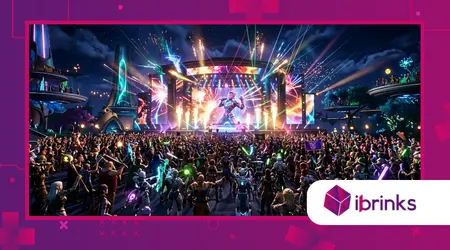
Virtual concert integrations are changing multiplayer environments by turning digital lobbies into the most influential cultural hubs of 2026. This isn’t just about streaming a video feed onto a flat polygon.
We are seeing a merger of high-fidelity sound and interactive, shared experiences that make the old concept of “live attendance” look static and outdated.
Today, platforms function as global cathedrals of sound. Millions of fans gather simultaneously, ignoring geographic borders. It is a fundamental shift where social presence and artistic performance collide.
The result is a hybrid medium that, curiously, often feels more intimate than a seat in the back of a stadium.
Essential Event Insights
- Interactive Stages: Players influence live environments through collaborative mechanics and real-time visual voting.
- Economic Disruption: The rise of direct-to-avatar merchandise and virtual ticketing that bypasses the logistical nightmare of physical touring.
- Social Presence: The psychological weight of being “physically” present as an avatar in a massive, shared crowd.
- Technological Fidelity: Spatial audio and haptic feedback that turn digital music into a tangible, immersive experience.
How do these digital events redefine social interaction?
Virtual concert integrations are changing multiplayer spaces by building permanent communities around shared aesthetics. Players no longer log in just to compete.
Anúncios
They meet to celebrate culture in spaces that reward creativity over a high kill-count. There is a specific kind of magic when the universal language of rhythm is amplified by synchronized in-game animations.
When thousands of avatars dance in unison, the communal bond feels surprisingly authentic.
It mimics the raw energy of a summer festival, minus the mud and the overpriced water. We are finding that proximity is a state of mind, not just a physical coordinate.
Why is player participation key?
Modern virtual shows allow fans to power the light show or dictate the stage’s physical form through mini-games.
This agency turns a passive spectator into a co-creator. Every server instance ends up witnessing a slightly different journey.
Gamers aren’t satisfied with just watching anymore. They want to be the special effect.
This level of engagement keeps people logged in for hours, effectively blurring the line between a standard gaming session and a high-stakes night out.
++ Local meetups turning into global traditions: mapping multiplayer fandom culture
What is the impact on digital fashion?
Virtual events have turned “skins” into high-fashion statements. A limited-edition digital tour shirt now carries the same prestige as a vintage 1970s rock tee.
This economy of status drives the metaverse, where appearance is the primary tool for signaling fandom.
Artists and designers are now producing “wearable sound.” Avatars can emit visual pulses that sync perfectly with the bassline.
It creates a moving gallery of style, turning every concert into a vibrant display of collective identity. It’s fashion, but with a heartbeat.
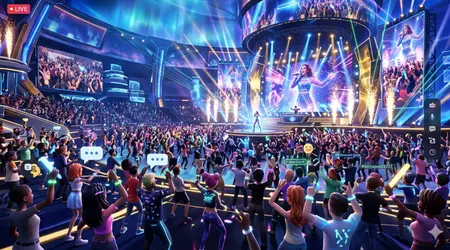
Why are artists choosing games over physical tours?
Virtual concert integrations are changing multiplayer dynamics because the reach is staggering. A single twenty-minute set can attract more viewers than a decade of traditional touring.
And it does so without the massive carbon footprint of a hundred semi-trucks crossing the continent.
Digital engines allow for surrealist performances that physical reality simply forbids. An artist can sing from the heart of a supernova or a forest made of glass.
These aren’t just concerts; they are world-building exercises that allow a deeper, more visceral connection to a creative vision.
Also read: Navigating streamer-sponsor ethics
How does the technology scale?
Proprietary server sharding in 2026 allows millions to see the same performance without the lag that used to ruin these events.
High-fidelity audio ensures that every note is studio-perfect. You no longer have to deal with the muddy echoes of a windy outdoor arena.
Developers now use cloud-bursting protocols to manage traffic spikes when global stars go live. This technical reliability has finally convinced major labels that virtual stages are a stable frontier.
It is a highly profitable shift for an industry that has long struggled with the overhead of physical reality.
Read more: How to onboard new players in MMOs
What are the financial advantages?
Direct sales of digital collectibles generate much higher profit margins than physical vinyl or the pittance of traditional streaming. Fans eagerly purchase “timed emotes” or backstage access.
These offer instant social proof and a digital memory that lasts longer than a crumpled paper ticket.
This model supports independent musicians. A few successful virtual shows can fund an entire year of creative work. The power balance is shifting.
It is moving away from legacy distributors toward platforms that actually let fans talk to the artists.
Why is this the future of entertainment in 2026?
Virtual concert integrations are changing multiplayer landscapes because the current generation views digital life as their primary reality.
To these fans, an avatar is an extension of the soul. It deserves high-quality, culturally significant experiences.
As wearable tech becomes more affordable, the thin veil between the physical room and the virtual stage will vanish.
We are heading toward a future where a concert is a world you inhabit. It is no longer a video you watch while distracted by your phone.
How does spatial audio enhance the feeling?
New object-based audio engines simulate how sound travels through virtual air.
You can hear the crowd talking behind you or the bass vibrating from a specific “direction” in the virtual space. It tricks the brain into believing you are standing in a massive, reverberating hall.
Spatial audio is the sonic anchor of the metaverse. It provides the depth needed to make a digital environment feel “heavy” and real to our senses.
Our ears are often more easily convinced of a lie than our eyes are.
What role does the community play?
Community-led after-parties in player-owned spaces extend the event’s life.
These grassroots gatherings are where the real networking happens. Fans discuss the setlist and plan their next multiplayer adventures.
This organic growth proves that while developers build the stage, players build the culture.
These integrations give individuals a reason to stay, connect, and thrive. The music is just the hook that brings them through the door.
2026 Virtual Event Performance Matrix
| Metric | Physical Venue | Virtual Integration | Fan Experience |
| Global Capacity | 80,000 | 25,000,000+ | Unlimited Reach |
| Interactivity | Minimal | Extreme | Co-creative |
| Entry Cost | High ($200+) | Low / Freemium | Inclusive |
| Artist Margin | 20% | 75% | Sustainable |
| Visual Scope | Physical Props | Physics-Defying | Surreal |
| Audio Fidelity | Variable | Lossless Spatial | Studio Quality |
The trend where virtual concert integrations are changing multiplayer expectations is backed by data.
72% of gamers now prefer these gatherings over traditional social media feeds. This confirms that we want our digital spaces to offer more than just a chat box.
Imagine a show as a shared dream where gravity is optional. It is a collective experience that brings us together.
It proves that physical proximity was never the most important part of a concert anyway. We are building digital cathedrals where the walls are made of light and sound.
The transformation is rapid. Its impact on how we socialize in 2026 is permanent.
We will likely never look at a standard video stream with the same excitement again. The game has become the venue, and the moment is everything.
As the lights fade, remember you are a pioneer of a new reality. The stage is set. The world is watching from every corner of the earth.
The Sonic Frontier
We are witnessing the death of the passive audience and the birth of the participant.
The future of multiplayer isn’t just about who wins the match, but who shares the rhythm. Our digital identities are finally finding their voice in the roar of a virtual crowd.
Frequently Asked Questions
Do I need a VR headset to attend these concerts?
No. Most 2026 integrations work on standard screens. However, VR adds a level of immersion that makes you feel like you are actually on stage.
Are virtual concert tickets expensive?
Many are free. Artists make money through digital merch and exclusive VIP “skins” sold during the performance.
Can I talk to other fans during the show?
Yes. Proximity-based voice chat allows you to talk to nearby avatars. You can always switch to “Focus Mode” if the crowd gets too loud.
What happens if I miss the live start?
Platforms usually offer “Encore” loops throughout the weekend. You can also visit digital galleries to see the highlights later.
